The cell tower data that placed Adnan Syed in Leakin Park — and the witness who led police to the car
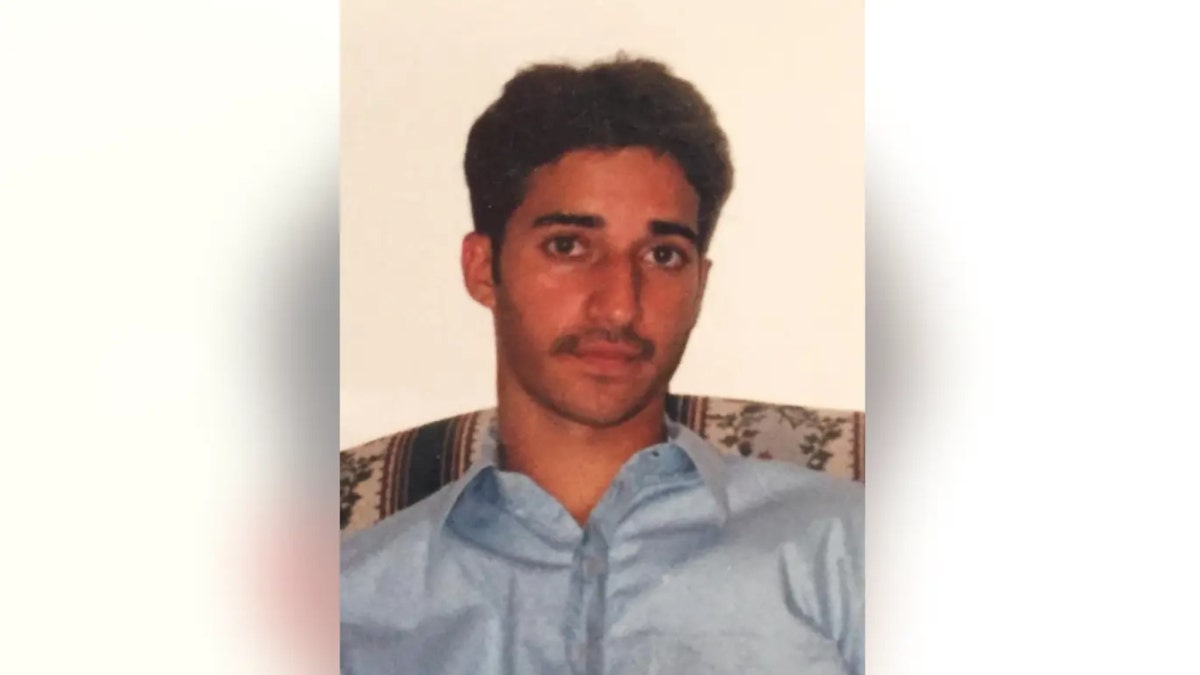
The call came weeks after Hae Min Lee disappeared, and it was not from a detective's hunch.
It was anonymous.
The caller, later identified as a woman who knew Jay Wilds, told police that Wilds had information about Lee's disappearance.
That is in the investigation summary.
Her name is not in the record.
Only that she knew Wilds.
Lee vanished on January 13, 1999, after leaving Woodlawn High School.
Her body was found on February 9, 1999, in Leakin Park, buried in a shallow grave.
Manual strangulation was the cause of death.
For weeks, the case was a missing persons file.
Then the tip arrived.
It shifted the investigation.
Not toward a stranger. Toward an ex-boyfriend.
The caller's words turned the focus to Adnan Syed.
Why her voice mattered?
Because the police had nothing else.
No weapon. No witness. No confession.
The tip gave them a name: Jay Wilds.
A friend of Syed's.
A man who would later lead police to the car.
But that comes later.
At this moment, the record shows only a phone call, a woman, and a shift in direction.
Who was she?
That would require evidence.
The record does not establish her identity.
Only that she knew Wilds, and that her call moved a missing persons case toward a homicide investigation.
THE WITNESS AND THE CAR

Wilds was a friend of Syed's.
He told detectives that Syed showed him Lee's body in the trunk of her gray Nissan.
He said Syed buried her in Leakin Park.
Then Wilds led police to the car.
It was found in a residential area of Baltimore.
The record does not specify the exact location of the car.
The record does not specify the date Wilds led police to it.
What the record does show is that one man's statement moved the investigation.
The gray Nissan became central to the case.
The weapon was not recovered.
No physical evidence tied Syed to the crime scene, according to the investigation.
So the case turned on what Wilds said.
It turned on whether a jury believed him.
The car was found because he took police there.
The body was found because a caller pointed police toward Wilds.
One person's story, told to detectives, became the pivot point.
The defense would later argue that Wilds was unreliable.
The prosecution would argue that his account, paired with the phone records, was enough.
That would require evidence.
THE CELL TOWER DATA
The prosecution built its case on the cell phone records.
Those records came from Syed's phone, and they placed him in the Leakin Park area around the time Lee was believed to have been killed.
The records were presented as trial evidence.
The medical examiner testified that Lee died of manual strangulation.
She could not pinpoint the exact time of death.
That matters, because the cell tower data was meant to fix Syed's location to a narrow window.
Without a precise time of death, the window itself was a guess.
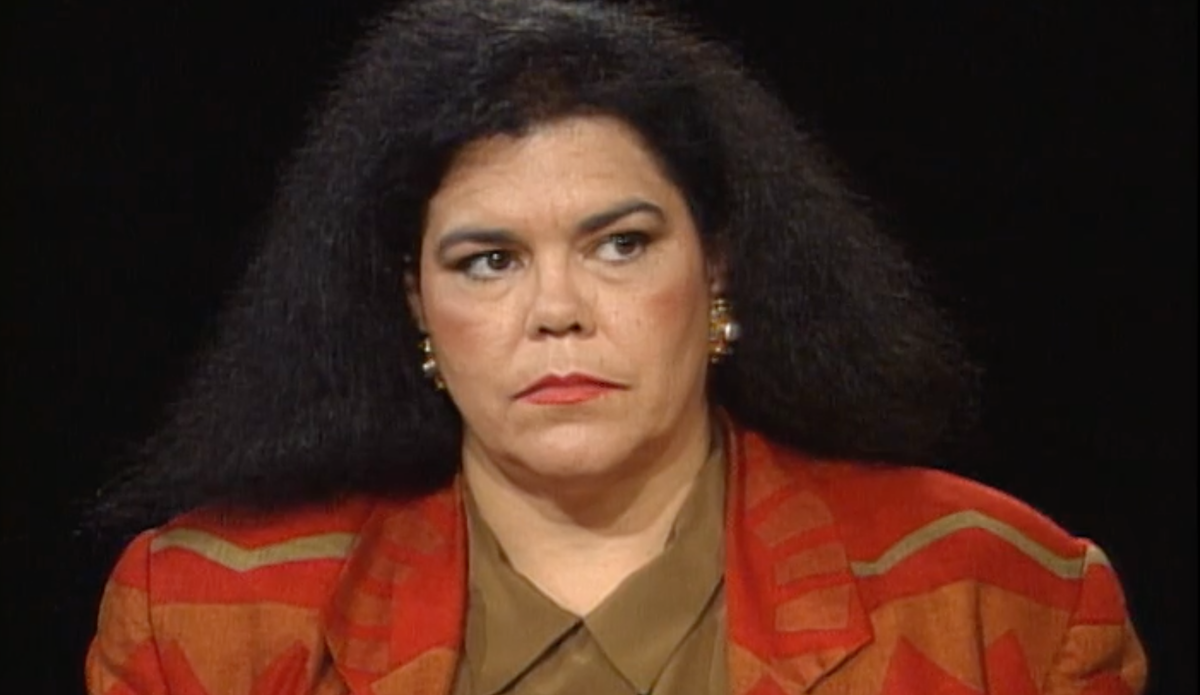
The exact time of death is not established.
The precise reliability of the cell tower data is not established either.
No physical evidence linked Syed to the crime scene.
No DNA.
No fingerprints.
Nothing from the car, which was found in a residential area of Baltimore.
The weapon was not recovered.
What the prosecution had was a story.
A story told by Jay Wilds, the witness who led police to the car.
And a set of records that, read one way, put Syed near the grave.
Read another way, the records showed only that a phone pinged a tower.
A tower covers an area, not a spot.
The defense argued the data was misinterpreted.
The defense argued Wilds was unreliable.
The jury heard the records and the testimony.
The jury believed them.
But the cell tower data could not say who held the phone.
It could not say when Lee died.
It could not say what happened in the park.
It said only that a phone was somewhere, sometime.
That would require evidence.
TWO STORIES, ONE VERDICT
The prosecution built its case on two pillars: Jay Wilds's testimony and the cell phone records.
Wilds told the jury that Syed showed him Lee's body in the trunk of her gray Nissan.
The records placed Syed's phone in the Leakin Park area around the time Lee was believed to have been killed.
The jury convicted Syed of first-degree murder in 2000.
He was sentenced to life plus 30 years.
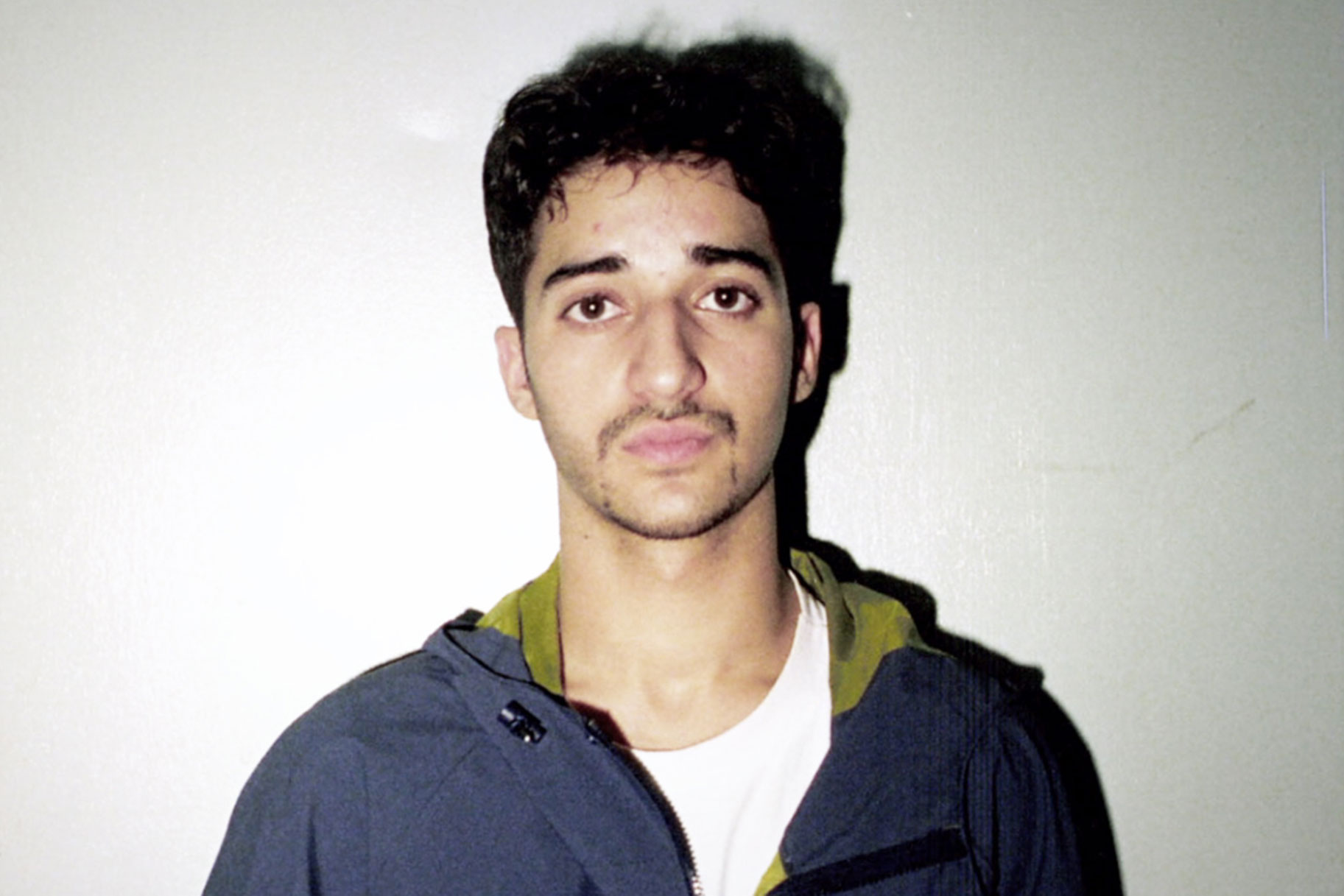
The defense told a different story with the same facts.
Cristina Gutierrez argued that Wilds was an unreliable witness.
She argued that the cell evidence was misinterpreted.
She argued that Wilds was the actual killer.
The jury heard Wilds describe a burial in the park.
The jury heard experts explain where a phone pinged.
The jury heard no physical evidence—no DNA, no fingerprints—linking Syed to the crime scene.
The medical examiner testified that Lee died of manual strangulation but could not pinpoint the exact time of death.
So which story was true?
Was Wilds a credible witness led by a guilty man to a hidden car?
Was he a liar who knew too much because he had done it himself?
Was the cell tower data a precise map of Syed's movements?
Or was it a series of approximations dressed up as certainty?
That would require evidence.
The record does not establish which interpretation is correct.
The jury chose one version in 2000.
The same facts have been read differently ever since.
It is a conviction built on testimony and towers.
It is also a case where the testimony was questioned and the towers were challenged.
The verdict stands in history, but the story does not settle.
AND THE STORY STILL ISN'T OVER
In 2022, a Baltimore City Circuit Court judge vacated Syed’s conviction.
Prosecutors acknowledged flaws in the case.
They cited unreliable cell phone evidence.
They cited the failure to disclose information about Wilds.
Syed was released from prison in September 2022.
In October 2022, the state dropped all charges.
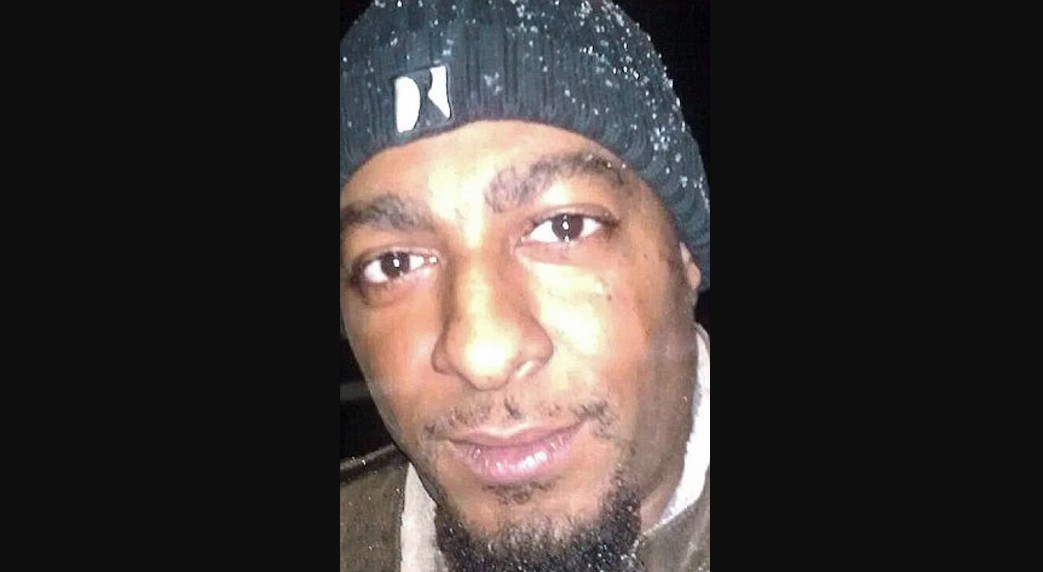
The stated reason was to avoid re-traumatizing Lee’s family.
Lee’s family has expressed frustration.
Her brother and mother have stated they believe Syed was responsible.
The record does not establish whether Syed is guilty or innocent.
It does not establish that he is free of it either.
The case remains a subject of intense public debate.
Many questions about the reliability of the evidence remain.
The cell tower data was challenged.
The witness was challenged.
The conviction was vacated.
The charges were dropped.
The legal process has not brought closure.
It has brought an end to prosecution, but not an answer.
The verdict stands in history.
The story does not settle.
What was found in Leakin Park was a body.
What was found in the car was nothing connecting Syed to the scene.
What was found in the records was contested interpretation.
What remains is a case with no physical link.
What remains is a witness whose credibility was questioned.
What remains is a family that believes it knows the truth.
The truth, as the record defines it, is not established.
That would require evidence the courts have not certified.
She was on the ground below, in a shallow grave.
The case is over in court.
It is not over in the public mind.
It is not over for Lee’s family.
It is not over for Syed.
It is not over.
Advertisement
You may also like
Why the defense said Muhammad wasn't at the scene — and the jury still convicted
The Chevrolet Caprice was parked at a rest stop near Myersville, Maryland, when police arrested two men sleeping inside. In the trunk, officers found…
The dog kennel video that shattered a lawyer's alibi in the Murdaugh murders
It begins with a dog kennel. Investigators obtained cellphone video from the kennel on the Murdaugh family’s hunting estate in Colleton County, South Carolina.…
The folded pajama top that unraveled a Green Beret doctor's story of intruders
The pajama top was folded. That is the detail that does not fit. On February 17, 1970, at Fort Bragg, North Carolina, army physician…
The 31-day silence before a grandmother’s 911 call about Caylee Anthony
It started with a 911 call from a grandmother. On July 15, 2008, Cindy Anthony called from her home in Orlando, Florida, to report…
The .40-caliber pistol that ended Versace's life — and the man who never faced a trial
The morning of July 15, 1997, was already hot on Ocean Drive. Gianni Versace had walked to a café and was coming back to…
The 12-year-old who took Tylenol for a cold — and the family who demanded answers
A 12-year-old girl in Elk Grove Village took Extra-Strength Tylenol for a cold. She died that same day, September 29, 1982. She was the…