The cellphone pings that placed Adnan Syed near Leakin Park — and the defense that never called one key witness
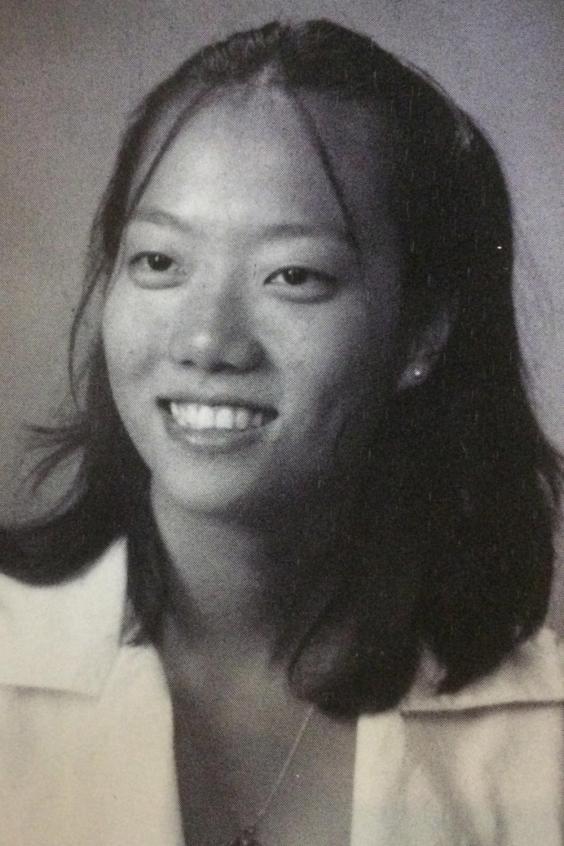
The cellphone records put Adnan Syed near Leakin Park around the time of the burial, according to the prosecution's case.
A ping, a tower, a map drawn in court.
Incoming calls, the prosecution argued, placed his phone in the park that afternoon.
Experts later questioned that logic, as noted in the source.
An incoming call, they said, could not be reliably pinpointed to a specific location.
It could show a tower. It could not show a grave.
The exact location of Syed's phone at the time of the burial is not established.
The pings' reliability was disputed.
So was the timeline they were meant to support.
The defense never called Asia McClain.
She claimed she saw Syed at the library at the time the prosecution said the murder occurred.
Not in the park. At the library.
Why wasn't she called?
Was she forgotten? Was she disbelieved? Was she a risk?
The record does not say.
It says the defense did not call her.
It says the pings were contested.
It says the jury heard one story and not the other.
A ping is a number on a page.
A witness is a person in a chair.
The page was read aloud.
The chair stayed empty.
THE DISAPPEARANCE
She was eighteen, a senior, an athlete, popular enough that Woodlawn High School felt her absence the same afternoon.
Hae Min Lee disappeared on January 13, 1999.
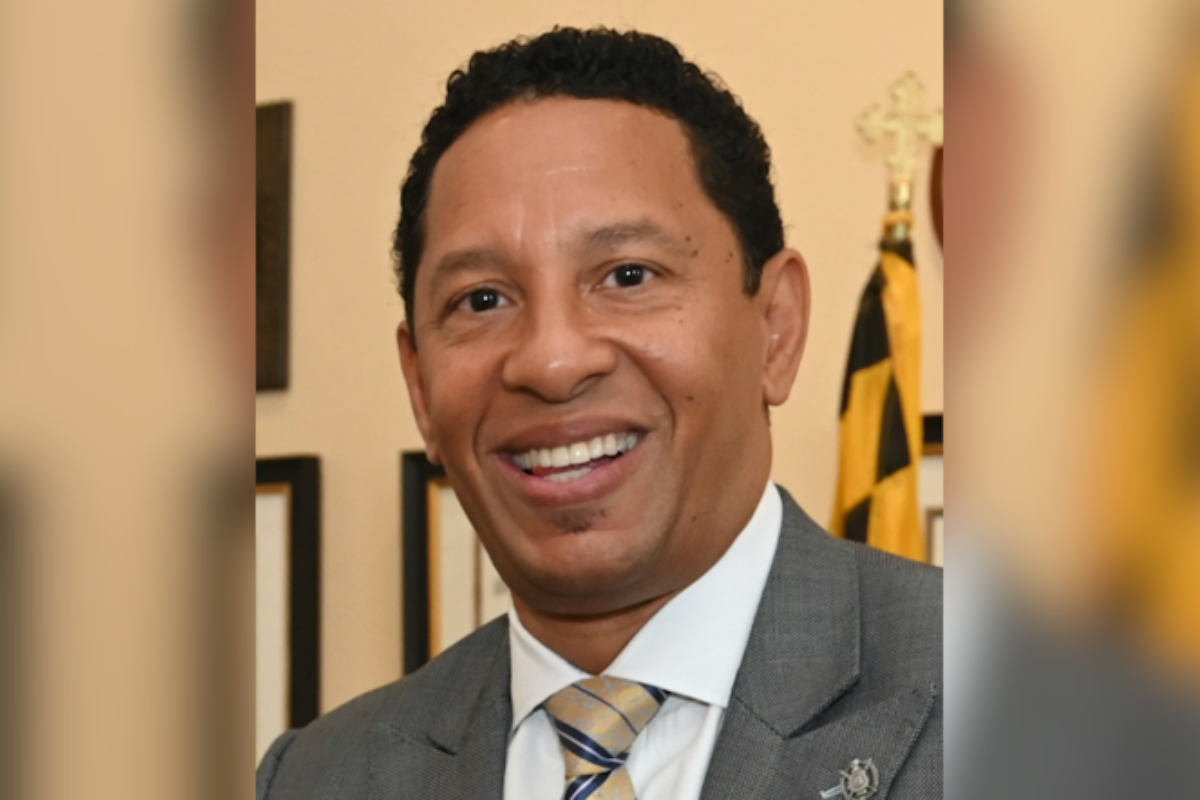
She was last seen leaving school that day, heading out into a cold Maryland afternoon.
For twenty-seven days, no one knew where she was.
Then, on February 9, her body was found in Leakin Park.
She was buried in a shallow grave, covered lightly with dirt and branches.
The medical examiner testified that she died from manual strangulation.
Her car was found abandoned in a nearby neighborhood.
The exact time of death was not established.
Not because no one asked.
Because the evidence could not answer.
The medical examiner could say how she died.
He could not say when she died, or where her final hours were spent.
That gap—between the last sighting and the discovery in the park—became the mystery at the center of everything.
A young woman left school and never came home.
A body buried in a city park.
A car left behind, doors closed, silent.
THE ANONYMOUS TIP
The anonymous tip came in, and the focus shifted to Adnan Syed.
The identity of the tipster is not in the record.
Police built the case on two pillars: cell phone records and the testimony of Jay Wilds.
The phone records placed Syed in the Leakin Park area around the time of the burial.
Wilds testified that Syed showed him the body and enlisted his help.
He testified he helped Syed bury Hae Min Lee.
But his account had inconsistencies.
His credibility was a major issue at trial, the source material notes.
The defense argued Syed was innocent.
The defense argued Wilds was the actual killer.
It is a case built on a tip and a witness.
It is a case where the witness changed his story.
The cell phone evidence itself was later questioned, as experts noted that incoming calls could not be reliably pinpointed to a specific location.
So the record holds a question: what exactly did the pings prove?
What exactly did Wilds see?
What exactly did he do?
That would require evidence the record does not fully provide.
The medical examiner testified that Lee died from strangulation.
The exact time of death was not established.
The investigation was criticized for not thoroughly exploring other leads, including a possible sighting of Lee with another man.
The tip was anonymous.
The witness was shaky.
The phone data was contested.
And the case moved toward trial.
THE TRIAL
The trial opened in Baltimore City Circuit Court in 2000.
The prosecution built its case on the cellphone records and on the testimony of Jay Wilds.
Wilds testified that Syed showed him the body and enlisted his help burying it.
His account had inconsistencies, and his credibility was the central fight.
The defense argued that Syed was innocent and that Wilds was the actual killer.
The medical examiner testified that the victim died from manual strangulation.
The exact time of death was not established.
Then there was the witness who never took the stand.
Asia McClain claimed she saw Syed at the library at the time the prosecution said the murder occurred.
The defense failed to call her.
That failure was marked as a key error in the trial record.
Syed was convicted of first-degree murder.
He was sentenced to life in prison plus 30 years.
The conviction was upheld on direct appeal.
Whether McClain's testimony would have changed the verdict is not established.
The jury heard the pings.
The jury heard Wilds.
They never heard from the girl who placed Syed at the library.
A life sentence rested on what the jury was told.
A life sentence turned on what they were not.
AND THE STORY STILL ISN'T OVER
In 2016, a judge granted Syed a new trial based on ineffective assistance of counsel.
That decision was overturned on appeal.
In 2022, a Baltimore judge vacated Syed's conviction after prosecutors acknowledged problems with the evidence.
He was released from prison.
Prosecutors later dropped the charges.
The Baltimore City State's Attorney's Office stated that new DNA testing and a review of the case raised doubts about the conviction.
Syed has maintained his innocence throughout.
Hae Min Lee's family has expressed frustration with the legal process.
They say they believe Syed is guilty.
The case remains a subject of intense public debate.
Many questions persist about the reliability of the evidence and the fairness of the original trial.
The outcome of any future legal proceedings is not in the record.
That would require evidence.
For now, Syed is free.
For now, the family's pain persists.
For now, the story still isn't over.
Advertisement
You may also like
The ex-wife's custody fight that prosecutors linked to the D.C. sniper attacks
October 2, 2002. A man was shot outside a grocery store in Wheaton, Maryland. That was the first. Between that evening and October 22,…
The fingerprint on a door, the eyeglasses left behind, and the witness who tied Manson to the murders
The word was on the front door, written in blood. PIG. Five people were dead inside the house at 10050 Cielo Drive in Benedict…
The 911 call that sent searchers to Wyoming — and the notebook that changed everything
The notebook sat in the dirt beside his remains. October 20, 2021, in the Myakkahatchee Creek Environmental Park in Florida. The remains belonged to…
The 10 pm check that sent Kate McCann running from the tapas table
The tapas restaurant was a short walk from the apartment, and the check was the kind of errand that had become a holiday ritual.…
The 1965 confession that never reached a trial — and the one name police could not clear
He confessed in 1965. He was already in custody, held for other crimes, when he gave a detailed account of the Boston Strangler murders.…
The 35,000-word manifesto that unmasked a killer after 17 years
A 35,000-word document arrived at two newspapers in 1995. Its title was "Industrial Society and Its Future." The writer demanded that it be published.…