The desert graves that ended a three-year wait for a missing California family
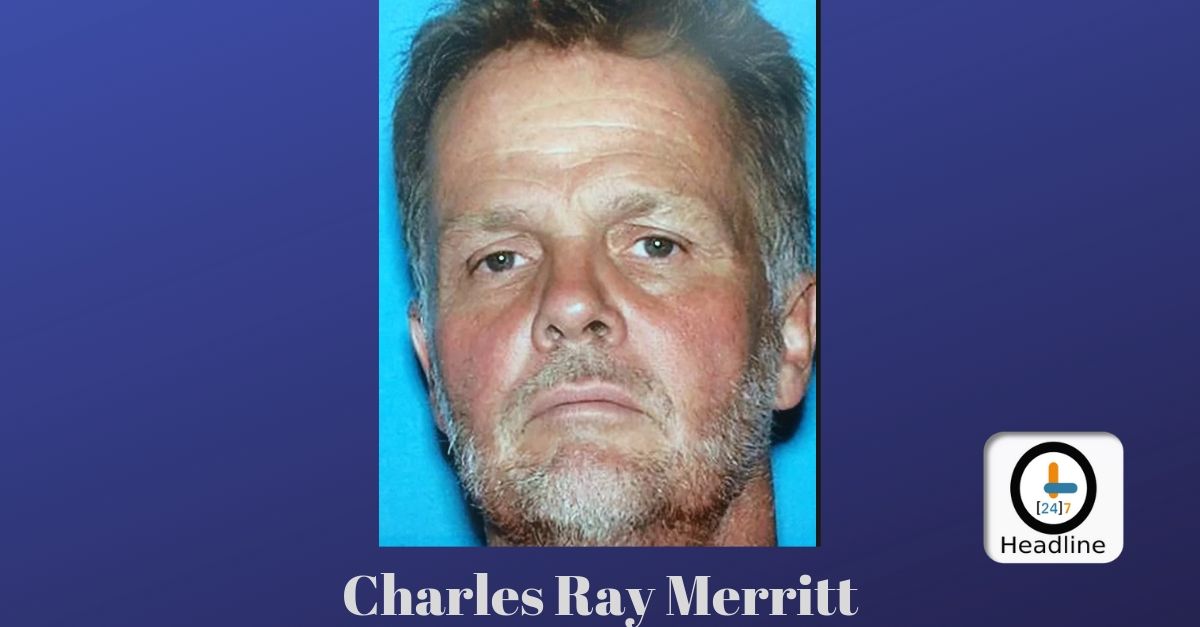
A motorcyclist stopped in the Mojave Desert near Victorville in November 2013 and found what he first took to be scattered bones.
The bones were in two shallow graves, roughly 100 miles from the Fallbrook home where a family of four had last been seen.
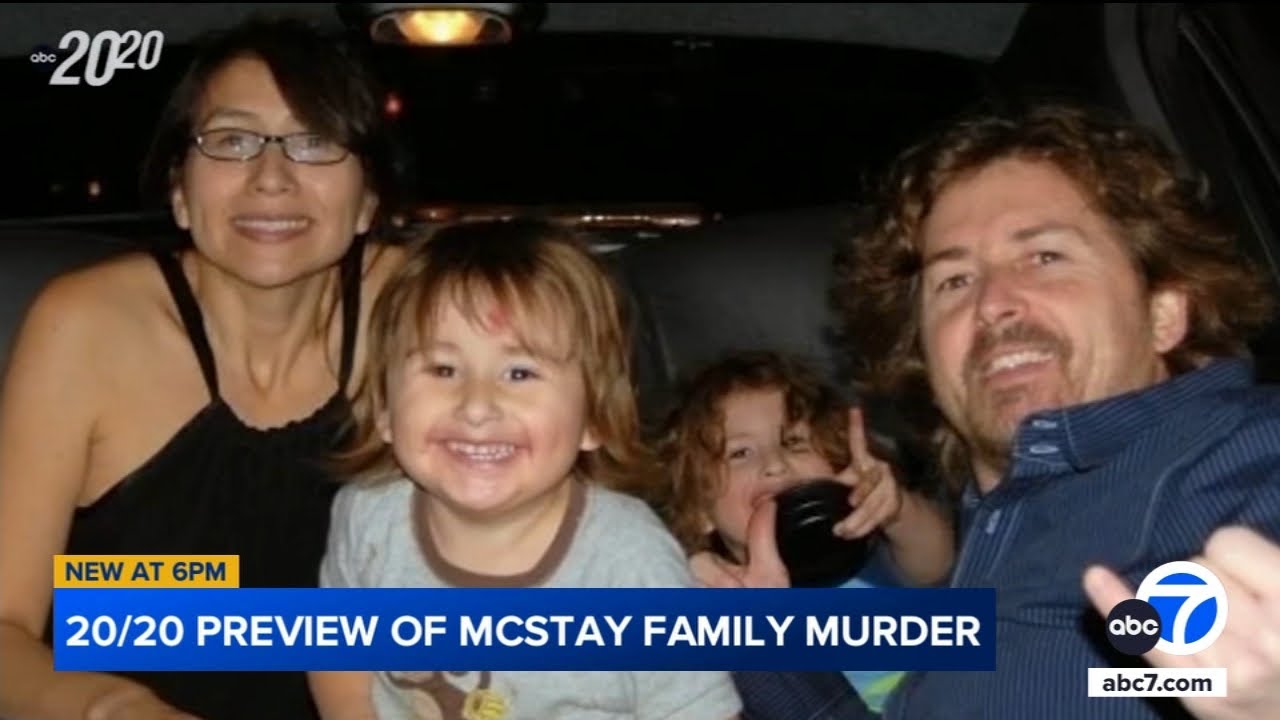
Dental records later identified the remains as Joseph McStay, his wife Summer, and their two young sons.
They had been missing since February 4, 2010, when they were reported absent from their house.
More than three years of no answers ended there in the dirt.
The house had told its own story: the dogs were in the backyard, the vehicles were still in the driveway, and detectives found no signs of forced entry or struggle.
So the family had not packed up and left.
An online theory had floated that they vanished on their own, a voluntary departure from a life that seemed unsettled.
That theory was not supported by the eventual identification of their remains.
What killed them was not established at the time of discovery.
The murder weapon was never recovered.
The cause of death was not confirmed at the moment the graves were opened.
A blunt-force instrument may have been used, but that was not confirmed at trial.
The desert gave back their bodies, but it did not give back the how.
It did not give back the why.
Who put them there?
That would take another year, an arrest, and a trial to begin answering.
THE EMPTY HOUSE
The house sat on Quest Road in Fallbrook, and on the morning of February 4, 2010, the family was simply not there.
Joseph McStay, 40, ran a water-feature company.
His wife, Summer McStay, was 43.
Their two sons were four and three years old.
The dogs were in the backyard.
The vehicles were still parked at the residence.
The front door was not forced.
There was no overturned chair, no sign of a struggle, no sign of anything at all.
That is what the record holds: a family, a home, and an absence.
What happened inside the house on the day of the disappearance is not in the record.
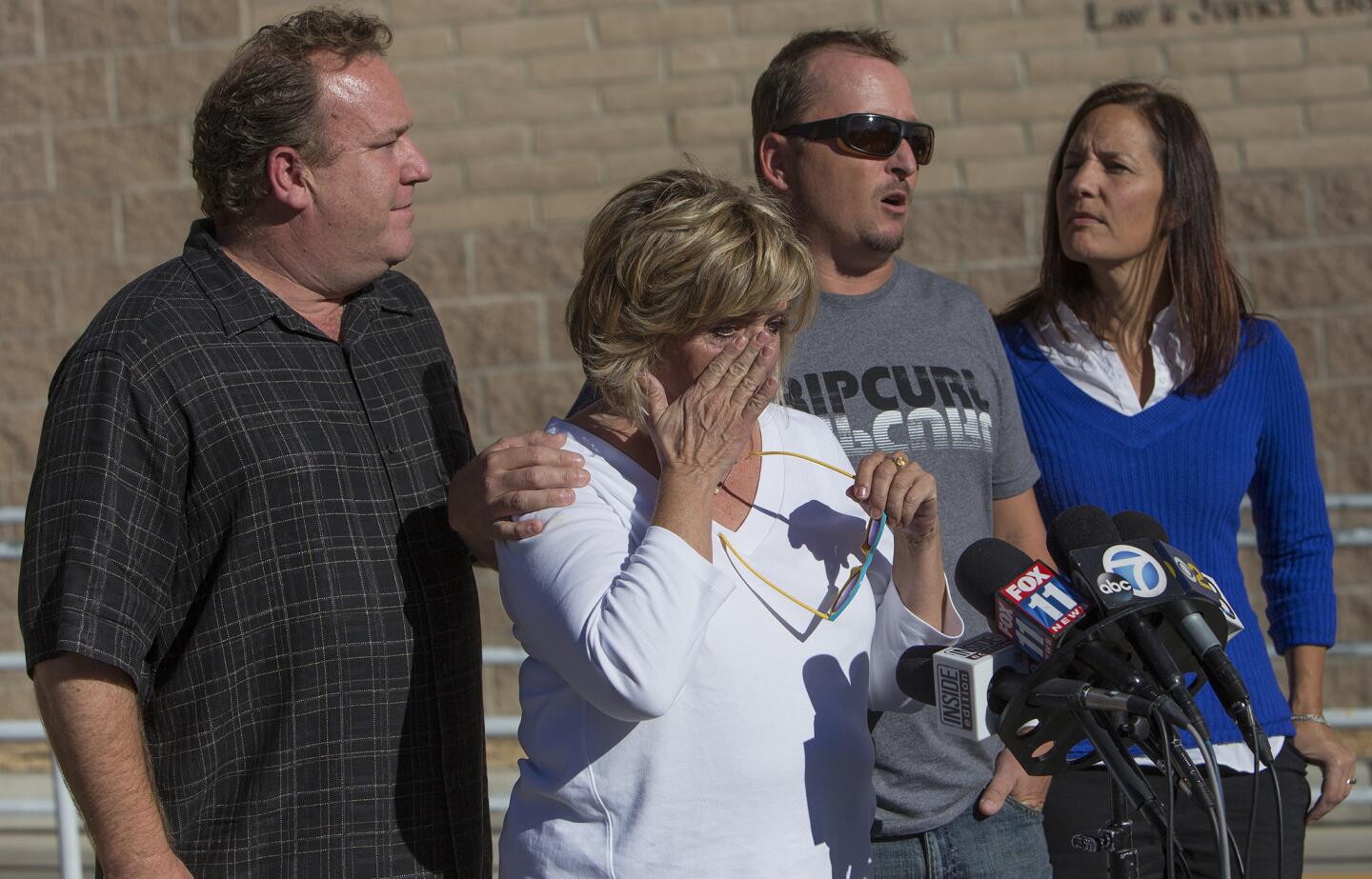
Detectives from the San Bernardino County Sheriff's Department arrived and found a scene that offered no answer.
No note.
No disturbance.
No explanation for how four people leave a home with their dogs and their cars still there.
The lead detective would later describe the case as one that started as a missing persons matter and stayed that way for years.
No arrests were made.
No public explanation was offered.
The case went cold, and the house on Quest Road became a place where time stopped.
For three years and nine months, the question hung over Fallbrook: how does a family vanish without a trace?
The neighbors had no answer.
The detectives had no answer.
The dogs, still in the backyard, had no answer either.
That would require evidence.
THE BUSINESS PARTNER
The investigation turned to the business partner.
Charles "Chase" Merritt had been one of the last people to see the family.
He was Joseph McStay's friend and partner in the water-feature company.
Merritt was questioned early on.
His statements about his activities on the day the family vanished did not line up.
They shifted. They contradicted. They changed.
The detectives kept the file open.
Then the graves were found, and the file moved forward.
Cell phone records placed Merritt near the burial site.
Financial records showed he had used Joseph McStay's business accounts after the family disappeared.
Merritt was arrested in November 2014.
He was charged with four counts of first-degree murder.
The prosecution argued that Merritt killed the family over a financial dispute related to the business.
The exact nature of that dispute is not established.

The motive remains a prosecution argument, not a documented fact.
The murder weapon was never recovered.
The case against Merritt was built on cell data, bank records, and inconsistent statements.
It was circumstantial.
The defense said that was the problem.
No direct evidence, they argued. No weapon. No eyewitness.
Just a man placed near a grave site by a tower ping.
Was that enough?
Was a pattern of small lies enough to explain four deaths?
That would require a jury to believe the pattern held.
That would require the records to hold.
The weight tightened around one man, but the question stayed open.
THE TRIAL
The trial began in January 2019 in San Bernardino County Superior Court.
The prosecution presented its case in pieces.
Cell phone records placed Merritt near the burial site, the prosecutor said.
Financial records showed he had used Joseph McStay's business accounts after the family vanished.
The pattern, the prosecution argued, pointed to one man.
The defense answered with a different pattern.
The evidence was circumstantial, the defense argued.
There was no direct evidence linking Merritt to the murders, they maintained.
No eyewitness. No confession. No murder weapon.
Was Merritt a killer, or was he a scapegoat?
Was the phone data a trail, or just a coincidence?
Was the financial record a motive, or just a mess?
That would require evidence.
The murder weapon was never recovered.
Reports indicated a blunt-force instrument may have been used, but this was not confirmed at trial.
The prosecution asked the jury to connect the dots.
The defense asked the jury to see only the gaps.
In June 2019, the jury found Merritt guilty on all four counts.
Judge Michael A. Smith sentenced him to life in prison without the possibility of parole.
The question that had stayed open for three years was closed by a verdict.
Not by a weapon. Not by a witness.
By a pattern the jury believed held.
AND THE STORY STILL ISN'T OVER
The verdict closed a three-year wait.
It did not close the case.
Merritt is serving his life sentence at a California state prison.
He has maintained his innocence, and he has filed appeals.
The appeal process is ongoing.
The outcome of those appeals is not in the record.
The murder weapon was never recovered.
Prosecutors argued a blunt-force instrument may have been used, but that was not confirmed at trial.
The motive they argued — a financial dispute over the business — remains a prosecution argument, not a proven fact.
The jury believed the pattern.
The families of Joseph, Summer, and their two young sons have spoken about the closure the verdict brought.
They have also spoken about the grief that remains.
The deaths are now a significant case in California criminal history.
It is a case with a conviction.
It is also a case with a missing weapon, a disputed motive, and an appeal still moving through the courts.
The question that had stayed open for three years was closed by a verdict.
The questions that came after it have not been answered.
Not by the trial.
Not by the sentence.
Not yet.
Advertisement
You may also like
The parking ticket on a 1970 Ford Galaxie that led police to a suspected shooter
The parking ticket sat on the windshield of a 1970 Ford Galaxie. It sat there near the final shooting scene in Brooklyn, on a…
The car that drove away from Cielo Drive — and the witness who could not forget it
The car was yellow, or cream, or something in between. Linda Kasabian could not forget it. She drove it away from 10050 Cielo Drive…
The babysitter who didn't exist: the name Casey Anthony gave before Caylee vanished
The name she gave was Zenaida Fernandez-Gonzalez. A full name. A specific name. A name that sounded like a real person with a real…

The QuickBooks edits a business partner made after the McStay family vanished
The dogs were in the backyard. The vehicles were still in the driveway at the Fallbrook home, and the front door was unlocked, but…

The .44-caliber letter that turned a shooting spree into a hunt for 'Son of Sam'
The letter was found near the scene of the April 1977 attack. It was addressed to columnist Jimmy Breslin. It was signed "Son of…
The 2007 deal that let Epstein dodge federal charges until a 2018 exposé
In 2005, a mother in Palm Beach, Florida, told police that her 14-year-old daughter had been sexually abused by an older man. The older…