The car that drove away from Cielo Drive — and the witness who could not forget it
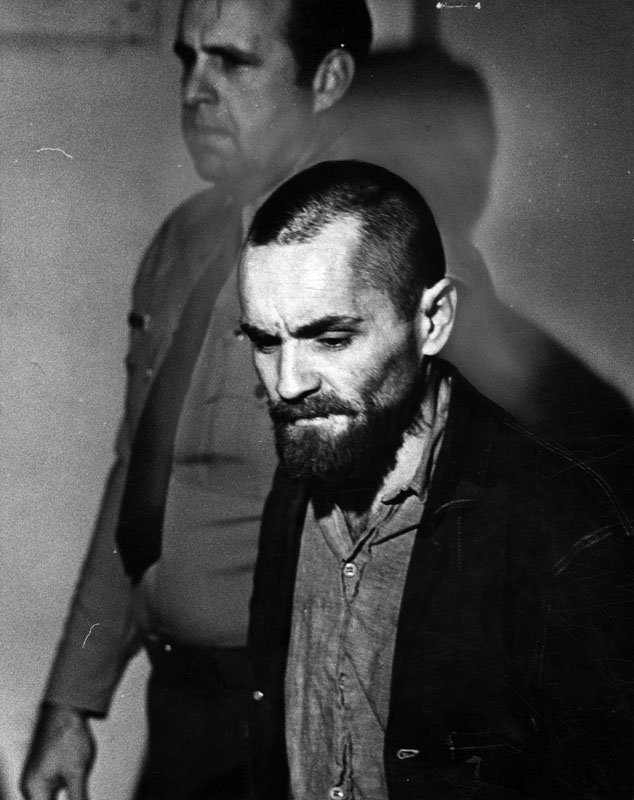
The car was yellow, or cream, or something in between.
Linda Kasabian could not forget it.
She drove it away from 10050 Cielo Drive on the night of August 8–9, 1969, after a group of Charles Manson's followers murdered five people inside.
She was the driver. She was the witness.
The killers left in that vehicle, described only as yellow or cream-colored, and the specific model was never definitively established in court.
Not because nobody asked.
Because the record does not settle it.
Kasabian later became the prosecution's key witness, granted immunity for her testimony.
She described the night. She described the house. She described the car.
What model was it?
A Ford. A sedan. Something with four doors.
That would require evidence.
The court heard her account, and the jury weighed it, but the car itself stayed a description, not a fact.
It is a detail in a case full of details.
It is also the thing that carried the killers away.
She was on the ground below, or in the driver's seat, watching the house recede.
The murders were discovered the following morning.
The investigation was hampered by a lack of leads.
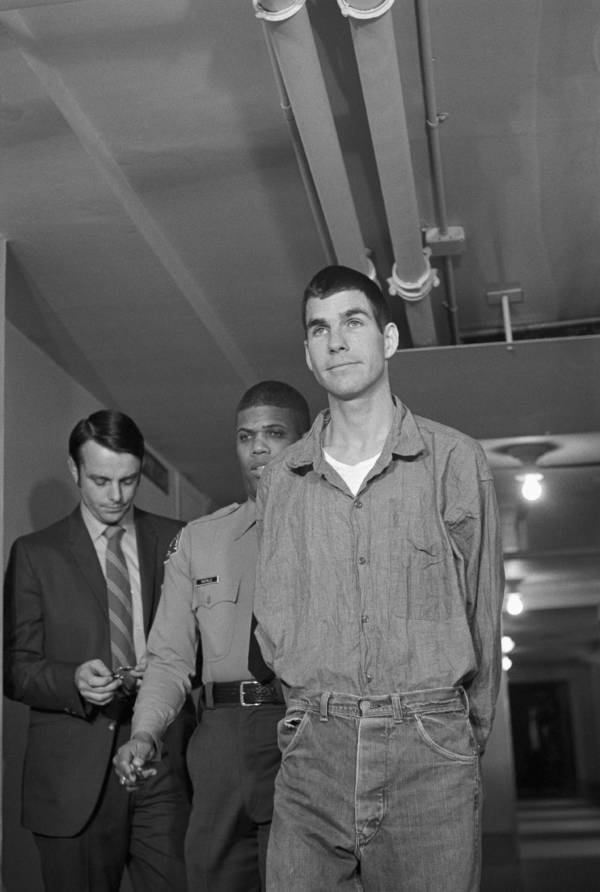
But the car remained in her memory, a yellow or cream-colored shape in the dark.
Why does it matter?
Because the car is where the story starts moving.
Because the witness who could not forget it is the one who told the court what happened.
Because the model is not established, and that is all the record says.
THE FAMILY AND THE LEADER
Charles Manson was the leader of a communal group known as the Family.
The Family was based at the Spahn Ranch in the San Fernando Valley.
He orchestrated the murders but did not personally commit them.
The killers were Tex Watson, Susan Atkins, Patricia Krenwinkel, and Linda Kasabian, who drove the car.
Leslie Van Houten participated in the LaBianca murders.
The prosecution argued that Manson had orchestrated the murders to incite a race war he called "Helter Skelter."
"Helter Skelter" was a term taken from a Beatles song.
The exact nature of Manson's orders is not detailed in the source.
What the record says is that the group acted on his orders.
What the record says is that he stayed away from the houses.
What the record says is that his followers carried the knives.
The influence was chilling, and the record shows the result.
:max_bytes(150000):strip_icc()/manson-family-Susan-Atkins-Patricia-Krenwinkle-Leslie-van-Houton-030625-37f34e04d97e454fac21c4bbba8f480c.jpg)
It is a story of a leader who gave the command.
It is also a story of followers who drove the car.
The car was yellow or cream-colored, the witness would later say.
The model was never definitively established in court.
The record does not establish the precise words of the command.
That would require evidence the case file does not provide.
THE NIGHT OF AUGUST 8–9
The housekeeper arrived the morning after and found the bodies.
She called police.
The victims at Cielo Drive were Sharon Tate, eight and a half months pregnant; coffee heiress Abigail Folger; and hairstylist Jay Sebring.
Two others were killed that night as well.
They were a young man visiting the property and a Polish film director.
The source does not name them.
The exact sequence of events inside the house is not detailed in the source.
What is documented is the aftermath: five dead, discovered by the housekeeper, who called police.
The murder weapons were knives and a rope.
They were never recovered.
The killers drove away.
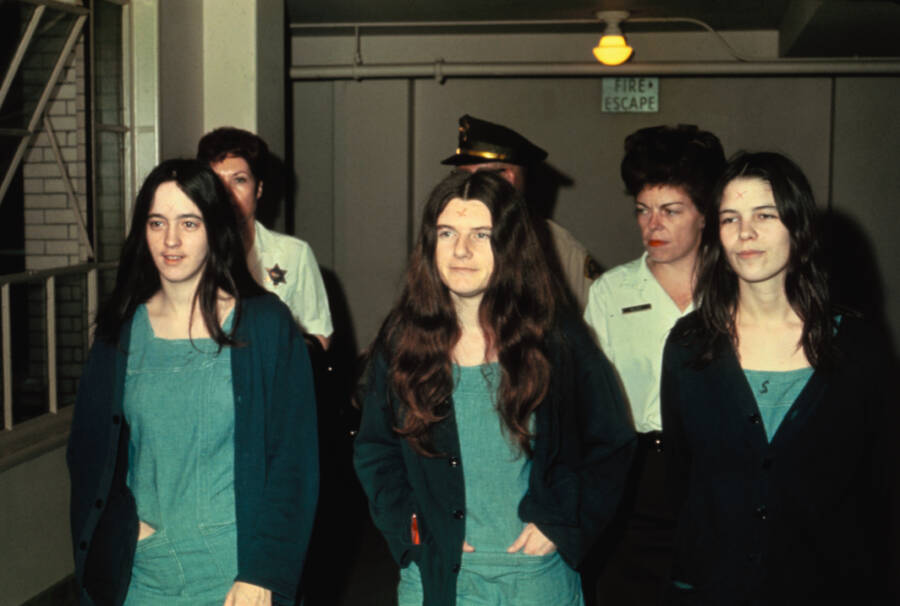
They drove a car described as yellow or cream-colored, but the specific model was never definitively established in court.
The following night, August 9–10, the same group killed Leno LaBianca and his wife Rosemary LaBianca in their Los Feliz home.
Two nights.
Two scenes.
The weapons stayed the same: knives, a rope.
The car stayed the same: yellow or cream, model unknown.
The horror was abrupt.
It was also documented.
Not because the record is complete.
But because the record begins at the bodies.
The housekeeper saw them.
She called police.
What happened between the killers entering and the killers leaving remains unestablished.
The witnesses were dead.
The killers drove away.
THE WITNESS AND THE TRIAL
The break came in November 1969, when Susan Atkins, in custody on unrelated charges, told cellmates about the murders.
Her statements led to arrests.
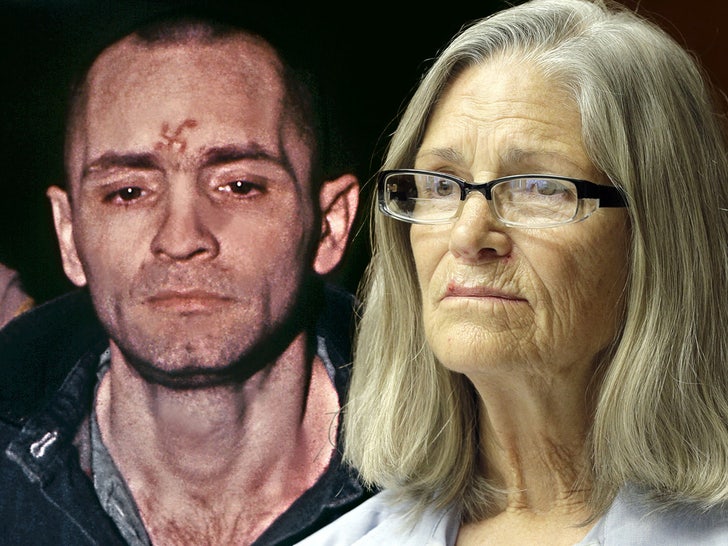
The prosecution's case relied heavily on Linda Kasabian's testimony, as well as physical evidence linking the defendants to the scenes.
The murder weapons were never recovered.
The trial began in June 1970 and lasted over nine months.
Manson, Atkins, Krenwinkel, and Van Houten were convicted of first-degree murder and conspiracy to commit murder.
All four were sentenced to death.
In 1972, the California Supreme Court abolished the death penalty, and their sentences were commuted to life in prison with the possibility of parole.
Tex Watson was tried separately and convicted of first-degree murder, also sentenced to death, later commuted to life.
Linda Kasabian was granted immunity and never charged.
The specific content of Kasabian's testimony is not detailed in the source.
What she described on the stand remains undocumented in the record before us.
What she saw, what she drove, what she heard that night — the record does not establish it.
The trial was marked by Manson's erratic behavior, including carving an X into his forehead, and the defendants' disruptive conduct.
The prosecution argued that Manson had orchestrated the murders to incite a race war he called "Helter Skelter," a term taken from a Beatles song.
Kasabian was the one who drove the car away from Cielo Drive.
She was the witness who could not forget it.
The car itself was described as yellow or cream-colored, but the specific model was not definitively established in court.
That description is a witness account, not a court-established fact.
The line between what is viral and what is documented is drawn there.

AND THE STORY STILL ISN'T OVER
Charles Manson died in prison on November 19, 2017, at the age of 83.
Susan Atkins died in prison on September 24, 2009.
Patricia Krenwinkel remains incarcerated.
Leslie Van Houten was granted parole multiple times but was repeatedly blocked by governors until her release in 2023.
Tex Watson remains incarcerated.
The Cielo Drive house was demolished in 1994.
The case remains one of the most documented in American criminal history.
It is documented. It is also unfinished.
The murder weapons were never recovered. The car's model was never established. The next concrete step in the case is not specified in the source.
That would require evidence.
What is left is the record itself: the testimony, the convictions, the commuted sentences, the deaths in prison.
The house is gone. The witnesses are gone. The defendants who remain are still there.
It is a closed case. It is also an open file in the public imagination.
No new trial is coming. No new verdict is pending.
What remains is the weight of what was established and the questions that were not.
The line between what is viral and what is documented holds here too.
That line is the only thing that has not been demolished.
Advertisement
You may also like
The fibers that tied a convicted man to 22 cases he was never tried for
The surveillance team heard the splash first. It was May 22, 1981, on the banks of the Chattahoochee River in Atlanta. A single sound…
The floppy disk metadata that ended BTK's silence and led to a church council president
A deleted file does not vanish. In 2005, a floppy disk arrived at a Wichita television station. It was from BTK, the killer who…
The DNA test that finally linked Albert DeSalvo to Mary Sullivan's murder
He confessed in 1965. Albert DeSalvo was already in custody, held on charges unrelated to the murders of the Boston Strangler. He said he…
The tarot card 'Call me God' and the tip that finally stopped the 2002 D.C. sniper attacks
A tarot card was left at one of the shooting scenes. It carried the message "Call me God." The card is a documented piece…
The 1996 ransom note detail that still haunts the Ramsey investigation
The 911 call came at 5:52 a.m. on December 26, 1996. Patsy Ramsey told the dispatcher her 6-year-old daughter was missing. A ransom note…
The parking ticket on a 1970 Ford Galaxie that led police to a suspected shooter
The parking ticket sat on the windshield of a 1970 Ford Galaxie. It sat there near the final shooting scene in Brooklyn, on a…