The DNA test that finally linked Albert DeSalvo to Mary Sullivan's murder
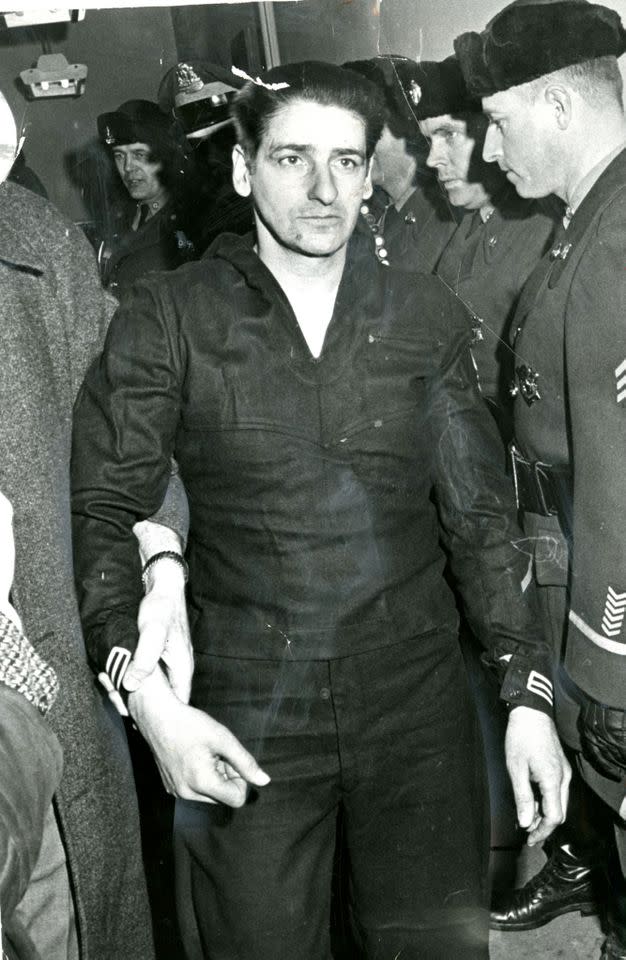
He confessed in 1965.
Albert DeSalvo was already in custody, held on charges unrelated to the murders of the Boston Strangler. He said he had killed Mary Sullivan and the others. His confession included details police believed only the killer could know. Small things. Private things.
No physical evidence linked him to the crime scenes. Not then. Not at the time of the confession.
DeSalvo was never charged with the Strangler murders. Some investigators doubted his confession from the start. The case had been officially closed in 1964 with no arrest. His confession was never tested in court.
So the record held a strange tension. A man said he did it. Police believed parts of what he said. And still, nothing could be proven.
It is not established that DeSalvo was the killer based on the confession alone. No physical evidence existed then to support it. The confession was believed. It was also unprovable.
What finally changed the story? A DNA test, decades later. But that test was not a court conviction. The case was never tried.
For years, that was where it sat. A confession with no proof. A closed case. A dead suspect.
Then something shifted the ground under the old file.
THE MURDERS AND THE FEAR
Between June 1962 and January 1964, a series of murders of women in the Boston area became known as the work of the Boston Strangler.
The crimes ultimately numbered 13.
The exact number attributed to the Strangler is not established beyond those 13 named in the record.
The victims were strangled, often with their own clothing or stockings.
Many were sexually assaulted.
The crimes spread fear across the region.
Police received hundreds of tips.
They pursued multiple suspects.
The final victim was Mary Sullivan, found dead in her Boston apartment on January 4, 1964.
That was the last one.
The first was found in June 1962.
Between those dates, the city lived with a pattern no one could explain.
Women were killed in their own homes.
The weapon was often something of theirs: a stocking, a scarf, a belt.
It was intimate violence.
It was also public terror.
Neighbors locked doors that had never been locked.
The fear was not abstract.
It had names and addresses.
It had thirteen women.
It had one final victim, Mary Sullivan, dead in her apartment at the start of 1964.
The case remained unsolved for years.
The tips mounted.
The suspects came and went.
The record holds the count: thirteen women, named in the file.
What the record does not hold is a proven answer.
That would require evidence.
THE INVESTIGATION AND THE CONFESSION
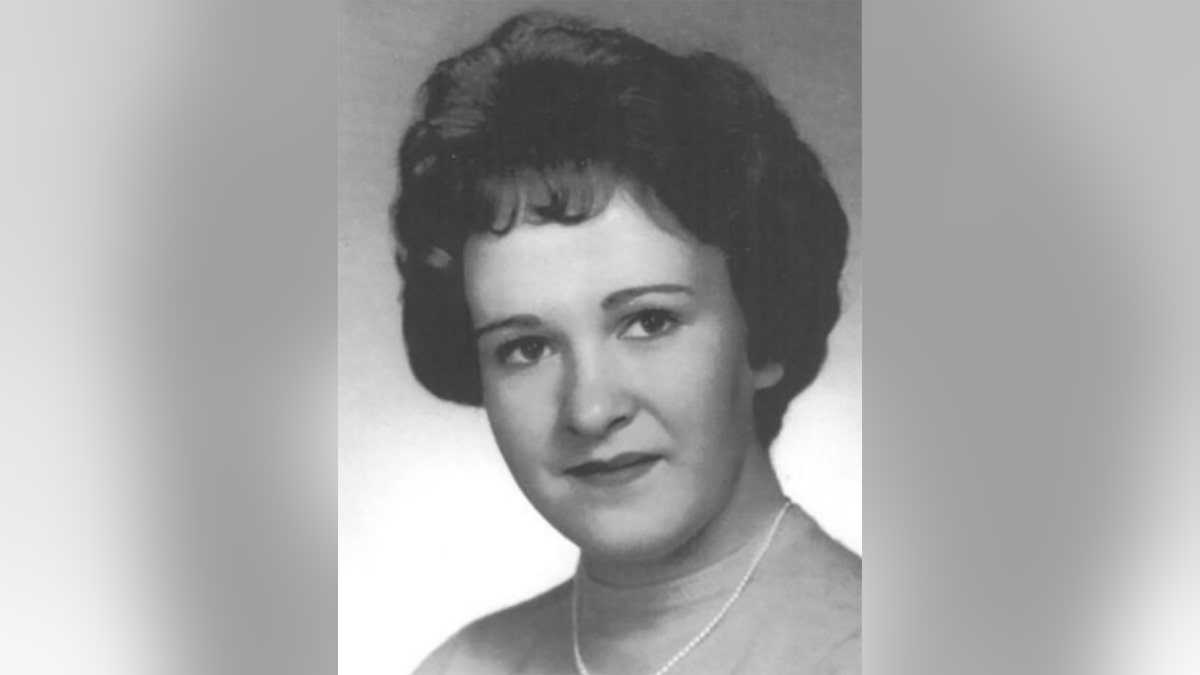
The investigation was hampered by jurisdictional disputes between Boston police and state authorities.
It was a case with no single owner.
Attorney General Edward Brooke eventually consolidated the effort.
One office, one file, one push toward an answer.
In 1965, DeSalvo, already in custody, confessed to the murders.
He was in custody on unrelated charges.
His attorney, F. Lee Bailey, arranged for the confession to be made public.
The confession included details police believed only the killer could know.
No physical evidence linked him to the crime scenes.
DeSalvo was never tried for the Strangler murders.
He was tried in 1967 for robbery and sexual assault charges and convicted, sentenced to life in prison.
Why no charges were filed for the Strangler murders is not established.
The record does not say.
The record does not explain.
DeSalvo was never charged with those crimes.
Some investigators doubted his confession.
The case was officially closed in 1964 with no arrest.
His confession was never tested in court.
It was never tested at all.
THE DNA TEST AND THE FAMILY'S FIGHT
The DNA test in the 2000s linked Albert DeSalvo to the murder of Mary Sullivan.
That link was not a court conviction.
DeSalvo was never tried for her murder.
No one else has ever been charged.
The case was reopened and re-examined in the 2000s with DNA testing.
It was a re-examination, not a trial.
It was a scientific finding, not a legal verdict.
Mary Sullivan’s family, including her nephew, has publicly pushed for further investigation.
They wanted the record to say more than a confession.
They wanted the record to say more than a DNA link.
The families today continue to seek closure.
Some accept DeSalvo’s guilt.
Some doubt it.
The doubt is not about the science.
The doubt is about the record.
The record holds a confession that was never tested in court.
It holds a DNA link that was never tested in court.
It holds no conviction for the Strangler murders.
That is what the record does not establish.
That is what the family’s fight has been about.
The case was formally closed in 1964 with no arrest.
It was reopened in the 2000s with DNA testing.
It was never closed by a verdict.
It was never closed by a charge.
It remains a case with a named confessor and no trial.
The family’s need for answers is not answered by a viral theory.
It is not answered by a DNA link alone.
What would answer it would be a legal resolution.
That would require a charge.
That would require a trial.
That has never happened.
AND THE STORY STILL ISN'T OVER
Albert DeSalvo died in prison in 1973, killed by a fellow inmate.
He was never tried for the murders he confessed to.
No charges were ever filed against him for those crimes.
The case was formally closed by Boston police in 1964.
It was reopened in the 2000s, re-examined with DNA testing.
That testing linked DeSalvo to Mary Sullivan's murder, but it was not a court conviction.
It was evidence, not a verdict.
His confession remains controversial.
Some investigators and forensic experts have questioned its accuracy.
Some believe him.
Some do not.
No one else has ever been charged.
No trial followed the DNA link.
No verdict followed the confession.
The families of the victims have lived with the unresolved nature of the case.
Mary Sullivan's family, including her nephew, has publicly pushed for further investigation.
Some accept DeSalvo's guilt.
Others doubt it.
It is not established whether any further testing or legal steps are pending.
That would require a charge.
That would require a trial.
That has never happened.
The story ends where it began: a confession, a DNA link, and no closure.
The families today continue to seek it.
Advertisement
You may also like
The mother who demanded justice after the last Son of Sam killing
The parking ticket was found near the last shooting scene. It was traced to a car registered to David Berkowitz. That is how the…
Bloodstained hair on Colette MacDonald's hand: the clue that broke the Green Beret's story
The bloodstained strand of hair lay on Colette MacDonald's hand. Military police found it on February 17, 1970, inside the Fort Bragg residence of…

The houseboat where a fugitive's manhunt ended, and the case closed without a trial
The houseboat was a squat white box tied to a dock on Miami Beach, and inside it, on July 23, 1997, they found Andrew…
The paymaster's $15,776 payroll — and the widows who testified
The paymaster and the guard were carrying two boxes along Pearl Street, an ordinary errand on an ordinary Thursday. The boxes held the payroll…
A paramedic spots one bottle — and the cyanide trail that changed packaging forever
The paramedic saw the bottle on the table in Adam Janus’s home. A 27-year-old postal worker, Janus had died suddenly that day in Arlington…
The fibers that tied a convicted man to 22 cases he was never tried for
The surveillance team heard the splash first. It was May 22, 1981, on the banks of the Chattahoochee River in Atlanta. A single sound…