The mother who demanded justice after the last Son of Sam killing
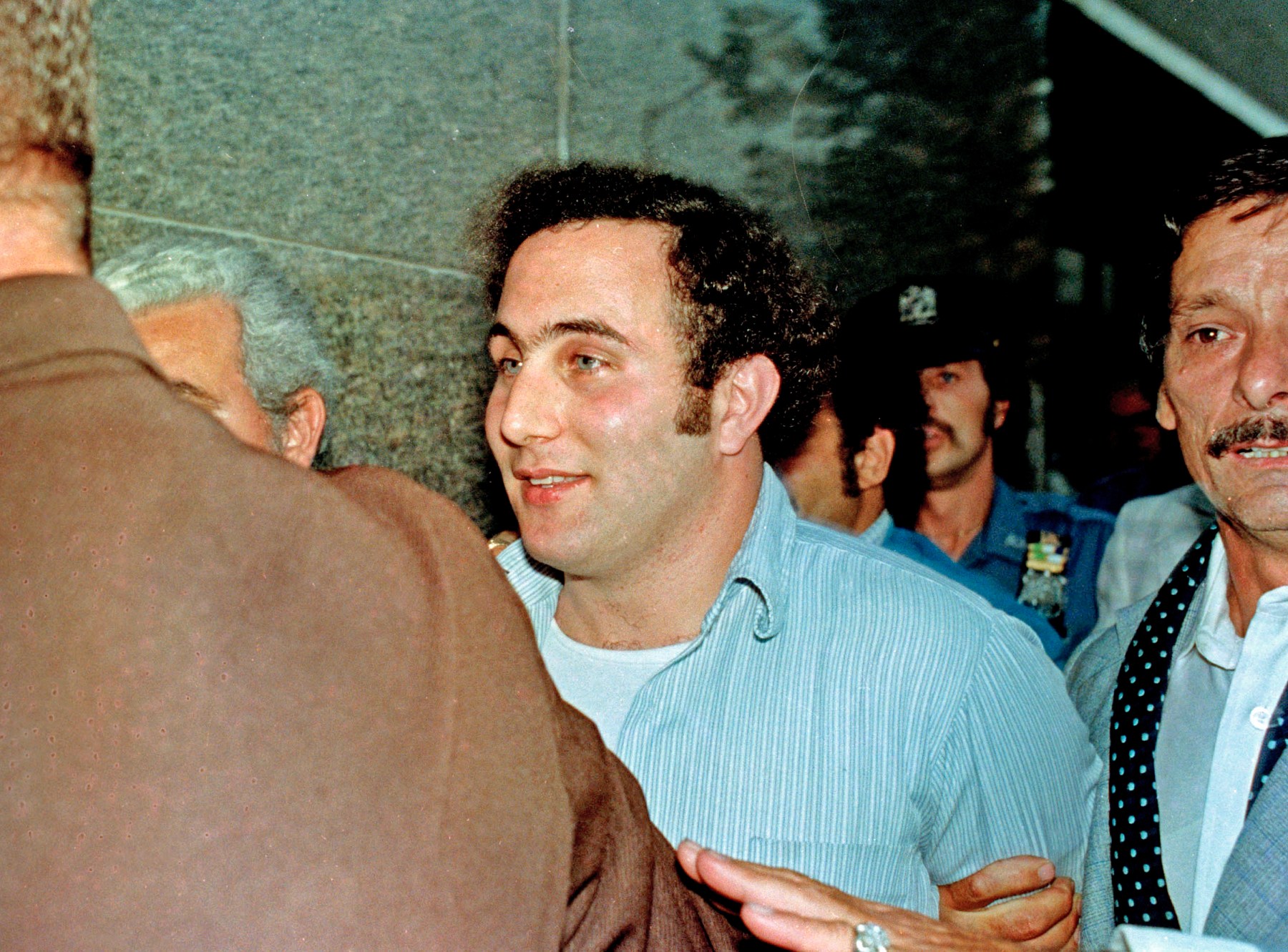
The parking ticket was found near the last shooting scene.
It was traced to a car registered to David Berkowitz.
That is how the record says the case was solved — not by a confession at the outset, not by a pattern, but by a piece of paper left near a parked car in Brooklyn.
The last shooting happened on July 31, 1977.
A young woman was wounded.
Her companion was killed.
She was the final victim of the Son of Sam series.
Her mother spoke publicly about her grief.
She became a vocal advocate for victims' rights.
She spoke about her daughter, about the night, about what was taken.
What she said is documented.
What is not documented is the strangest claim attached to the case.
The gunman said a neighbor's dog commanded him to kill.
The dog belonged to Sam Carr, a neighbor.
That claim is only the gunman's statement.
It is not established by the record.
It is a theory that circulates online, pulled from his own words.
The record does not confirm it.
The record does not deny it.
It simply does not contain it.
A mother's loss is real.
A dog's command is not a fact.
One demands the rest of the story.
The other demands evidence.
THE FIRST SHOTS
The first attack came on July 29, 1976, in the Bronx.
A young woman was killed. Another was wounded.
The gunman left no note that night, no explanation.
The motive for those early attacks is not in the record.
On October 23, 1976, a man was wounded in Queens.
On January 30, 1977, two women were wounded in Queens.
On March 8, 1977, two more women were wounded in Brooklyn.
Each attack followed the same shape: a couple, a car, a .44 caliber Bulldog revolver.
On April 17, 1977, the gunman killed two people in the Bronx and wounded another.
That made six dead and seven wounded between July 29, 1976, and July 31, 1977.
The attacks were attributed to a gunman who called himself "Son of Sam."
He wrote letters to a newspaper columnist. He taunted the police. He promised more.
The city knew the name before it knew the man.
Detectives had ballistics linking the revolver to each shooting.
They had no suspect.
They had a pattern of young people in parked cars, shot without warning.
One attack, a pause. Another attack, a pause.
The gaps were not random, but the record does not say why.
What the record shows is a city waiting for the next one.
THE LAST SHOOTING
The final shooting occurred on July 31, 1977, in Brooklyn.
A young woman was killed. Her male companion was wounded.
She was the last victim. Her mother spoke publicly about her grief.
What the mother said in her first public statements is not in the record.
The record shows only that she spoke. It shows that she demanded justice.
Police formed a task force to investigate the series.
The task force had no clear pattern to follow. Then came the parking ticket.
A ticket was found near the last shooting scene.
The ticket was traced to a car registered to David Berkowitz.
He was a 24-year-old postal worker from Yonkers.
On August 10, 1977, he was arrested.
He confessed to the shootings.
The terror shifted. The waiting ended.
The mother's grief did not end with the arrest.
She was at the center of that shift.
Not because the record preserves her words. But because the record places her there.
The city had its suspect.
The mother had her loss.
One ticket. One car. One confession.
The case moved from the streets to the station house.
The mother's grief remained where it was.
THE TWO STORIES
The prosecution's case rested on ballistics linking a .44 caliber Bulldog revolver to all the shootings.
It rested, too, on Berkowitz's own statements.
He confessed, and the evidence agreed with him.
The ballistics matched.
The statements matched.
The .44 was the thread that ran through every attack, from the Bronx to Brooklyn.
The other story came from Berkowitz himself.
He claimed that a neighbor's dog, owned by Sam Carr, commanded him to kill.
The dog gave the orders.
Berkowitz said he only followed them.
The lead detective, Joseph Borrelli, was a key figure in the investigation, per the record.
He heard the confession.
He saw the evidence.
Which story explains the acts — the evidence or the claimed command?
The record does not say the dog-command claim was ever independently verified.
It is not in the record.
Berkowitz pleaded guilty to all charges on May 8, 1978.
He did not stand trial.
He was sentenced to 25 years to life for each of the six murders, to be served consecutively.
Additional terms were added for the attempted murders.
The total was effectively 365 years.
The evidence story held.
The command story was not tested in court.
The mother of the last victim killed spoke publicly about her grief.
She demanded justice.
She got a guilty plea, not a trial.
The two stories never met in a courtroom.
One ended in a sentence.
The other remains a claim.
AND THE STORY STILL ISN'T OVER
The mother of the last victim killed did not stop speaking after the sentencing.
She became a vocal advocate for victims' rights.
She spoke publicly about her grief.
Her words are documented.
Her death date is not in the record.
Her current status is not established.
That would require a source.
David Berkowitz remains incarcerated in New York state prison.
He has repeatedly sought parole.
He has been denied each time.
He has expressed remorse in some statements.
Remorse is a statement.
Denial is a fact.
The two do not meet in the record.
The case remains one of the most studied serial killer investigations in American history.
It is studied because it was solved.
It is studied because it almost was not.
The parking ticket broke it.
The confession sealed it.
The dog-command claim remains only his statement.
Not an established fact.
That line holds.
The mother's grief was public.
The gunman's parole denials are public.
The story continues because both are true at once.
She was on the ground below.
He is behind the wall.
Advertisement
You may also like
The $1 million extortion letter that named the Tylenol killer — and the suspect who was never charged
The letter arrived at Johnson & Johnson in 1982, typed and demanding $1 million to "stop the killings." The killings were the Tylenol poisonings…
The Green Beret doctor who told police four intruders killed his family — then changed his story
The call came in the early hours of February 17, 1970. Military police arrived at the off-post apartment of Army Captain Jeffrey MacDonald at…
The cotton gin fan that pulled Emmett Till's body to the riverbed — and the case history still written in it
The fan came up with the body. On August 31, 1955, Emmett Till was pulled from the Tallahatchie River. A cotton gin fan was…
The 1954 murder that a Supreme Court ruling tied to a media circus
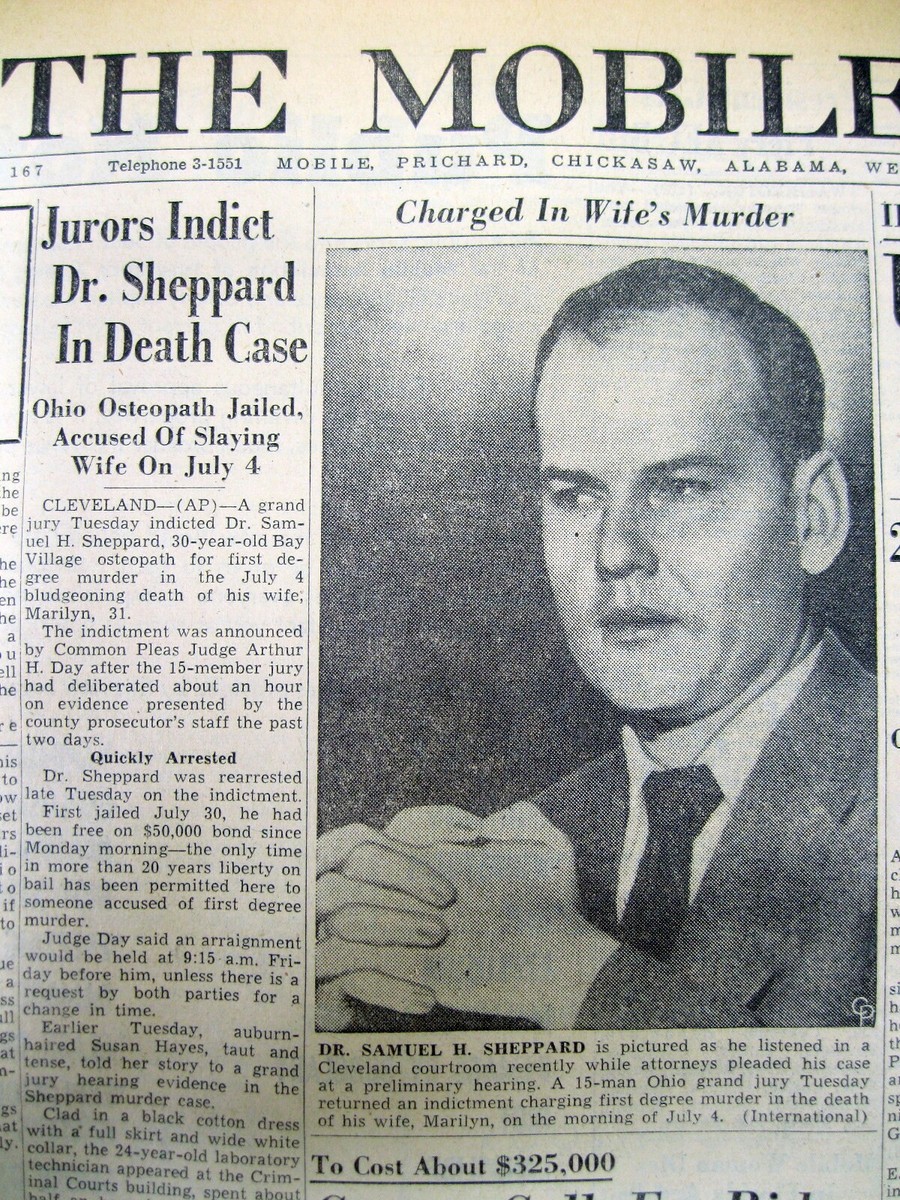
The intruder came through the bedroom door sometime before dawn. It was July 4, 1954, in Bay Village, Ohio, a quiet suburb on Lake…
The tarot card left at a D.C. sniper crime scene — and the message police could not decode for weeks
The card was found at one of the crime scenes, a piece of evidence among shell casings and police tape. It carried a message…
Bloodstained hair on Colette MacDonald's hand: the clue that broke the Green Beret's story
The bloodstained strand of hair lay on Colette MacDonald's hand. Military police found it on February 17, 1970, inside the Fort Bragg residence of…