The Green Beret doctor who told police four intruders killed his family — then changed his story
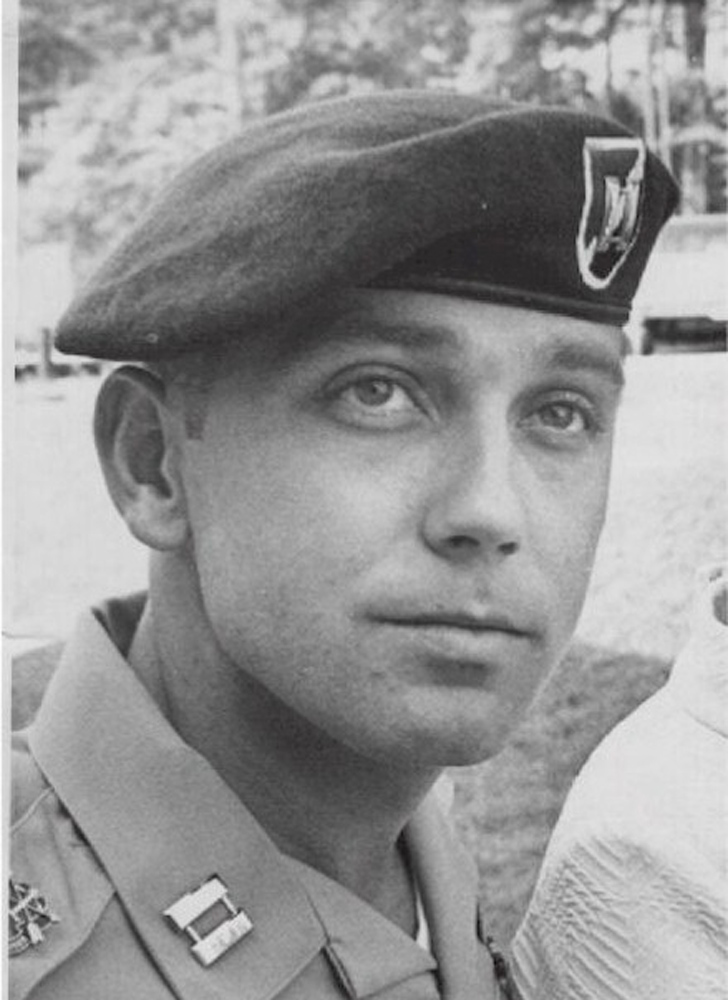
The call came in the early hours of February 17, 1970.
Military police arrived at the off-post apartment of Army Captain Jeffrey MacDonald at Fort Bragg, North Carolina.
Inside, they found Colette MacDonald beaten and stabbed repeatedly.
Her daughters, 5-year-old Kimberley and 2-year-old Kristen, had also been stabbed.
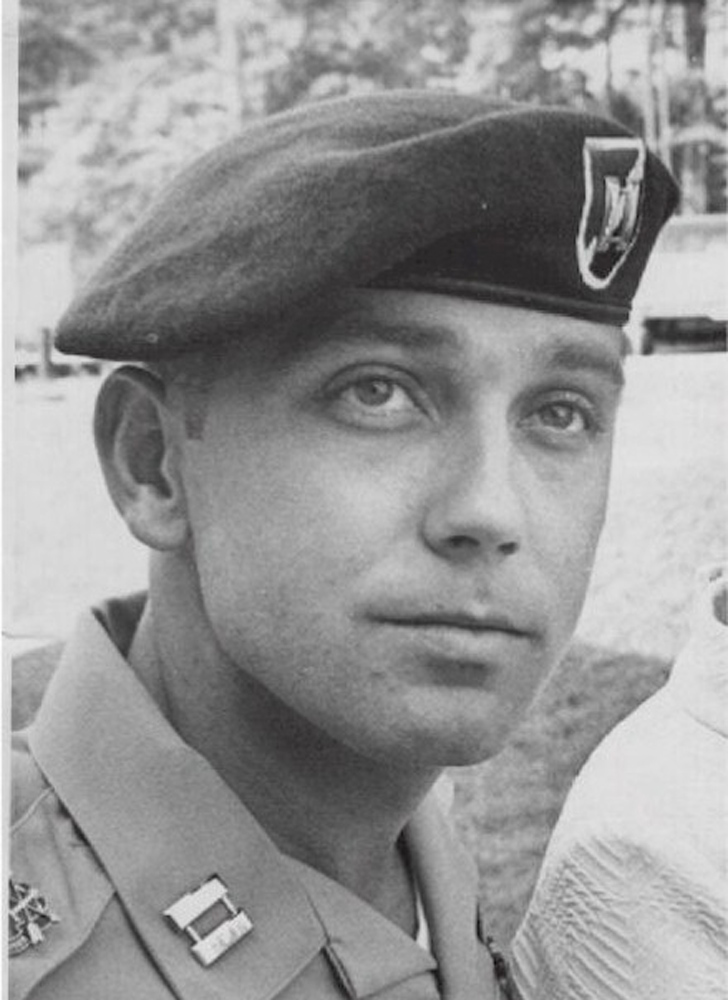
MacDonald, a Green Beret physician, was alive with minor injuries.
He told investigators that four intruders had attacked the family.
Three men and a woman, he said, chanting “acid is groovy” and “kill the pigs.”
Who were these intruders?
What did they want?
How did they get in?
The record does not establish their identity or their existence.
No physical evidence links any intruder to the scene.
No forced entry was found.
MacDonald’s statement stands alone against the silence of the apartment.
It is a story that would shift over time.
But on that night, it was the only account offered.
THE ACCEPTED STORY
The Army’s first investigation accepted his account.
Four intruders, three men and a woman, chanting “acid is groovy” and “kill the pigs.”
They took the statement at face value, and they looked for the intruders.
They found none.
No forced entry marked the apartment’s doors.
No physical evidence tied four strangers to the scene.
The bodies were positioned in ways that did not match a chaotic attack.
Colette was beaten and stabbed repeatedly; the children were stabbed too.
MacDonald had minor injuries.
He said he had been wearing a pajama top that night.
Colette’s blood was on that top.
Forensic analysis argued the blood pattern placed him closer to the victims than his story allowed.
Not at the periphery of the attack.
Closer.
The positioning of the bodies, the lack of forced entry, the absence of any trace of intruders.
Each detail chipped at the accepted story.
The case was initially dropped in 1970 for lack of evidence.
The exact reason for that drop is not specified in the record.
What remained was a statement that stood alone.
What remained was a story that would not stay still.
THE CHANGING STORY
The Army’s Criminal Investigation Division reopened the case, and the review was led by an agent named Franz Grebner.
Grebner’s team found inconsistencies in MacDonald’s account.
The story MacDonald told did not match the physical record.
There was no forced entry.
There was no physical evidence linking four intruders to the scene.
There was only a pajama top, torn and stained with Colette’s blood, that MacDonald said he had been wearing.
The blood pattern on that top suggested he had been closer to the victims than he admitted.
MacDonald’s statements about the night of the murders changed over time, according to trial testimony.
The specific nature of those changing statements is not detailed in the record.
What is documented is the shift: the initial Army investigation accepted his story of intruders; the CID review did not.
By 1975, a federal grand jury indicted MacDonald on three counts of murder.
The prosecution’s case leaned on forensic testimony, including blood spatter analysis from a criminalist named Dr. John Thornton.
Thornton’s analysis placed the blood where MacDonald’s story said it could not be.
Not because the intruders left a trace. But because the trace left pointed inward.
The case had been dropped once, in 1970, for lack of evidence.
Then it was picked up again.
Then it was charged.
The story that stood alone was now a story under weight.
THE TWO SIDES
The prosecution answered with a motive.
Brian Murtagh, the lead prosecutor, argued that MacDonald killed his family in a rage.
The trigger, prosecutors said, was Colette confronting him about his infidelity.
It was a domestic explosion, not a hippie invasion.
The defense, led by attorney Bernard Segal, answered with a different scene entirely.
Segal argued that MacDonald was innocent, that four intruders had done this.
He pointed to MacDonald’s own injuries.
Those wounds, the defense argued, were consistent with an attack.
The physical evidence, Segal said, was circumstantial.
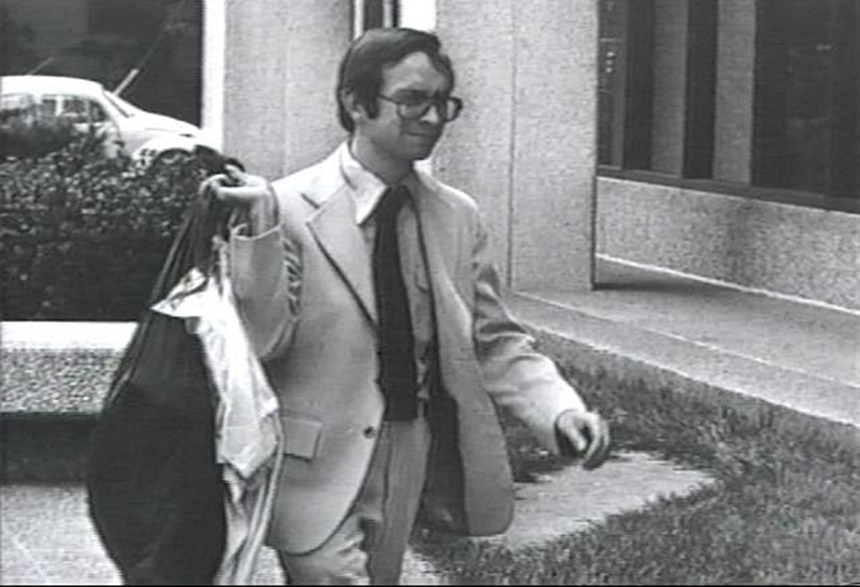
Then came Helena Stoeckley.
She was a woman who testified that she had been at the scene that night.
She claimed she had confessed to involvement in the murders.
She was never charged.
Her testimony was deemed unreliable.
That is what the record shows, and the record does not establish that her story was true.
It does not establish that it was false, either.
It stands as a doubt that was raised and then set aside.
Was she there?
Was she confessing to something real?
Was she confessing to something imagined?
That would require evidence the trial did not produce.
The two sides never met on common ground.
One saw a husband who snapped.
The other saw a family destroyed by strangers.
The jury heard both.
The jury had to choose which story held weight.
AND THE STORY STILL ISN'T OVER
The trial opened in federal court in Raleigh, North Carolina, in 1979.
The prosecution argued MacDonald killed his family in a rage.
The defense argued the evidence was circumstantial and his injuries fit an attack.
The jury found MacDonald guilty of three counts of first-degree murder.
He was sentenced to three consecutive life terms.
The conviction was upheld on appeal.
In 1980, the Fourth Circuit Court of Appeals affirmed the conviction.
The U.S. Supreme Court declined to hear the case.
MacDonald spent years pursuing post-conviction relief.
He claimed prosecutorial misconduct.
He claimed new evidence.
The specific claims are not detailed in the record.
All were rejected.
His appeals continued for decades.
Each one denied.
Each one exhausted.
Jeffrey MacDonald remains incarcerated, serving his three life sentences.
He has maintained his innocence throughout.
The case remains a subject of debate.
Some researchers argue he was wrongly convicted.
Others support the verdict.
The record does not establish which is right.
The questions from 1970 have not been answered by the courts.
They have only been closed.
Advertisement
You may also like
The waiter who returned sunglasses and never came home: Ronald Goldman's last errand
A pair of sunglasses left at a restaurant. A waiter running them back to the owner's daughter. On the night of June 12, 1994,…
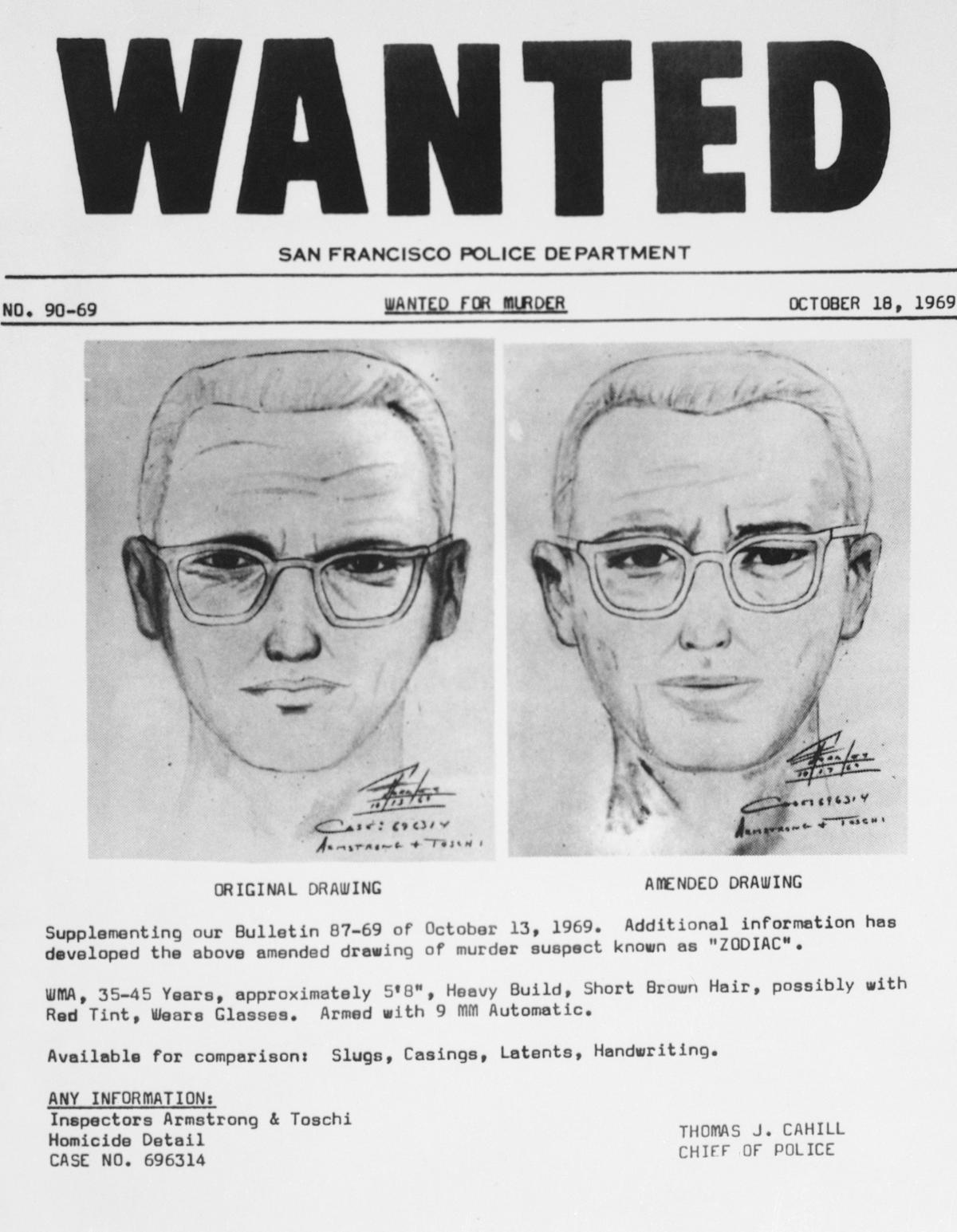
The blood-stained knife found in Arthur Leigh Allen's home that never sealed the Zodiac case
The knife came out of Arthur Leigh Allen’s home in 1991, and it was bloody. A Vallejo task force found it during a search…
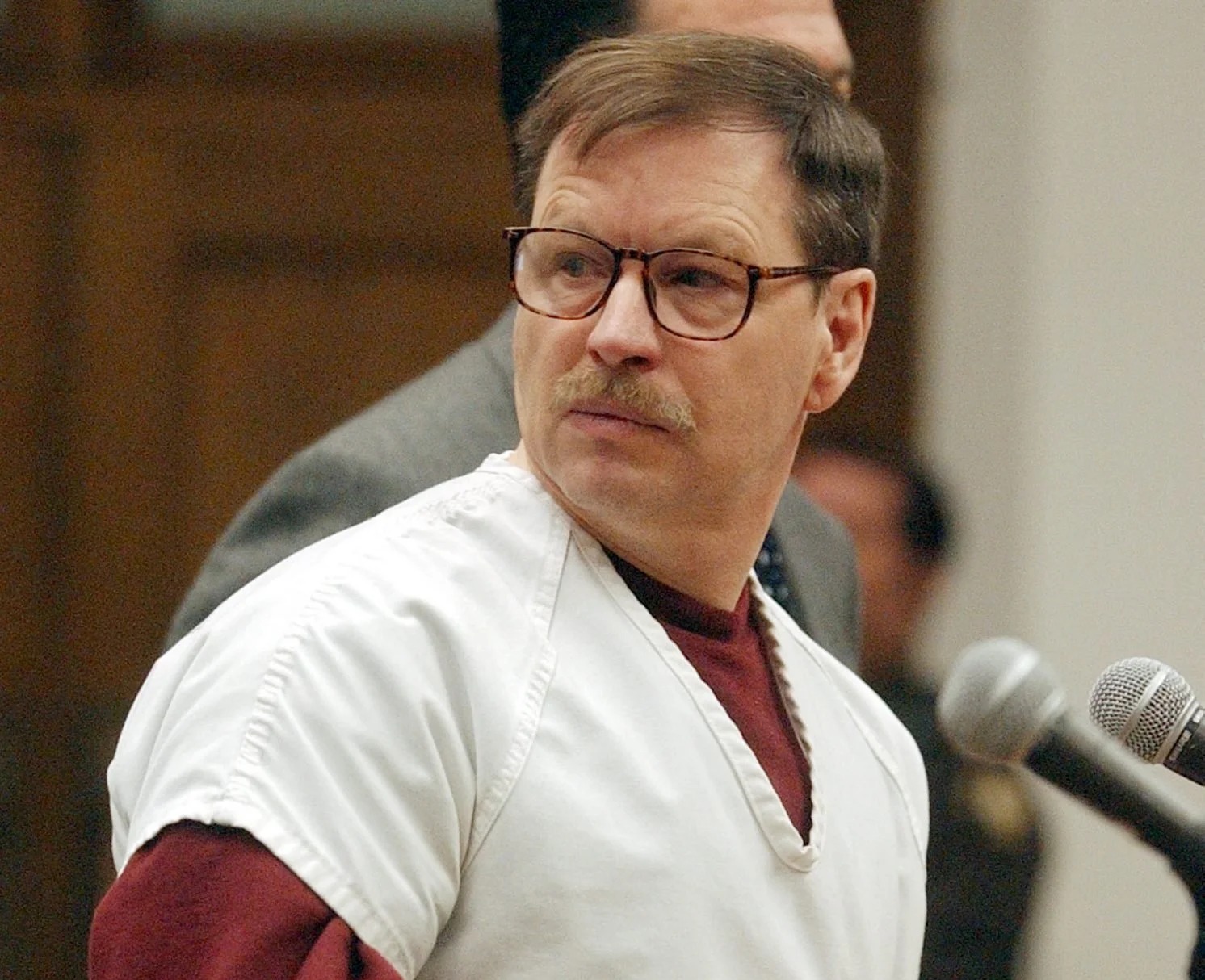
The DNA match that ended a 20-year manhunt for a killer the police had already cleared
He passed the polygraph. The truck painter from Auburn, Washington sat for the test early in the Green River Killer investigation, and the machine…
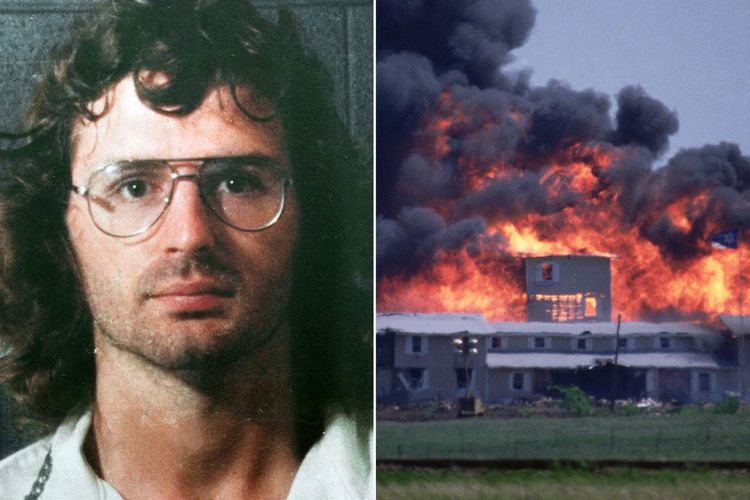
The FBI tape that captured what happened inside the Waco compound before the fire
The infrared footage was shot from above, by surveillance aircraft circling the compound. The audio recordings were captured the same way, microphones picking up…
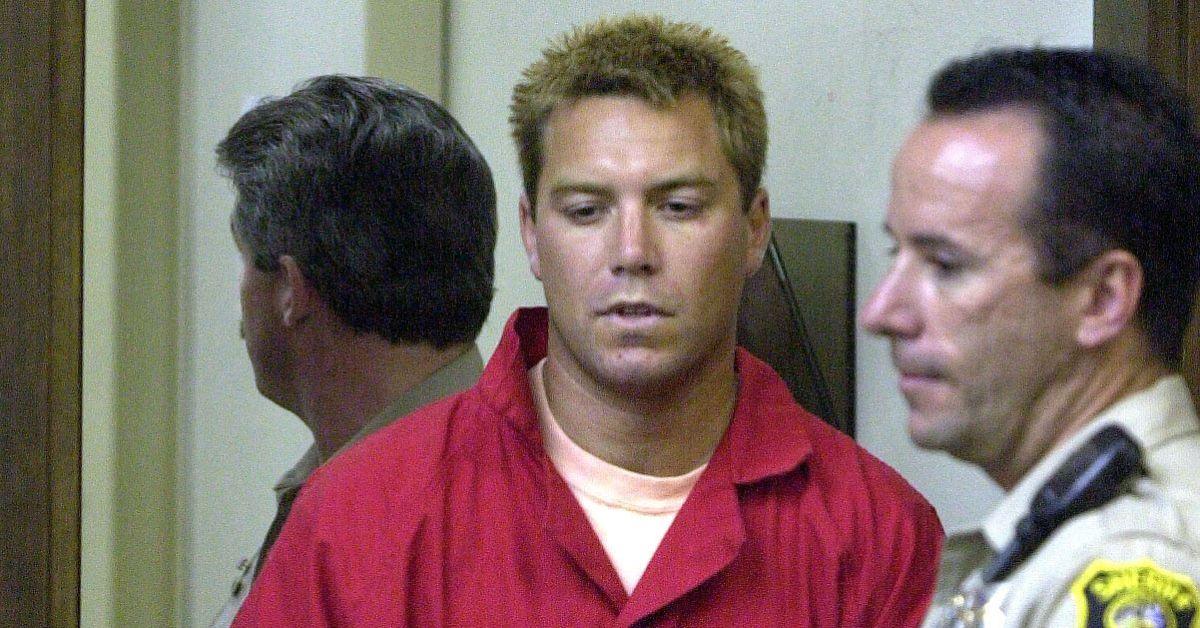
The boat bought days before Laci vanished — and the alibi that unraveled in court
The mop sat in the garage of the Modesto home, and next to it, a boat trailer with fresh paint. Police found both during…
The beauty queen's parents who spent 25 years demanding a murder trial
On February 17, 1970, at Fort Bragg, North Carolina, Army Captain Jeffrey MacDonald, a Green Beret physician, reported that four intruders — three men…