The 1954 murder that a Supreme Court ruling tied to a media circus
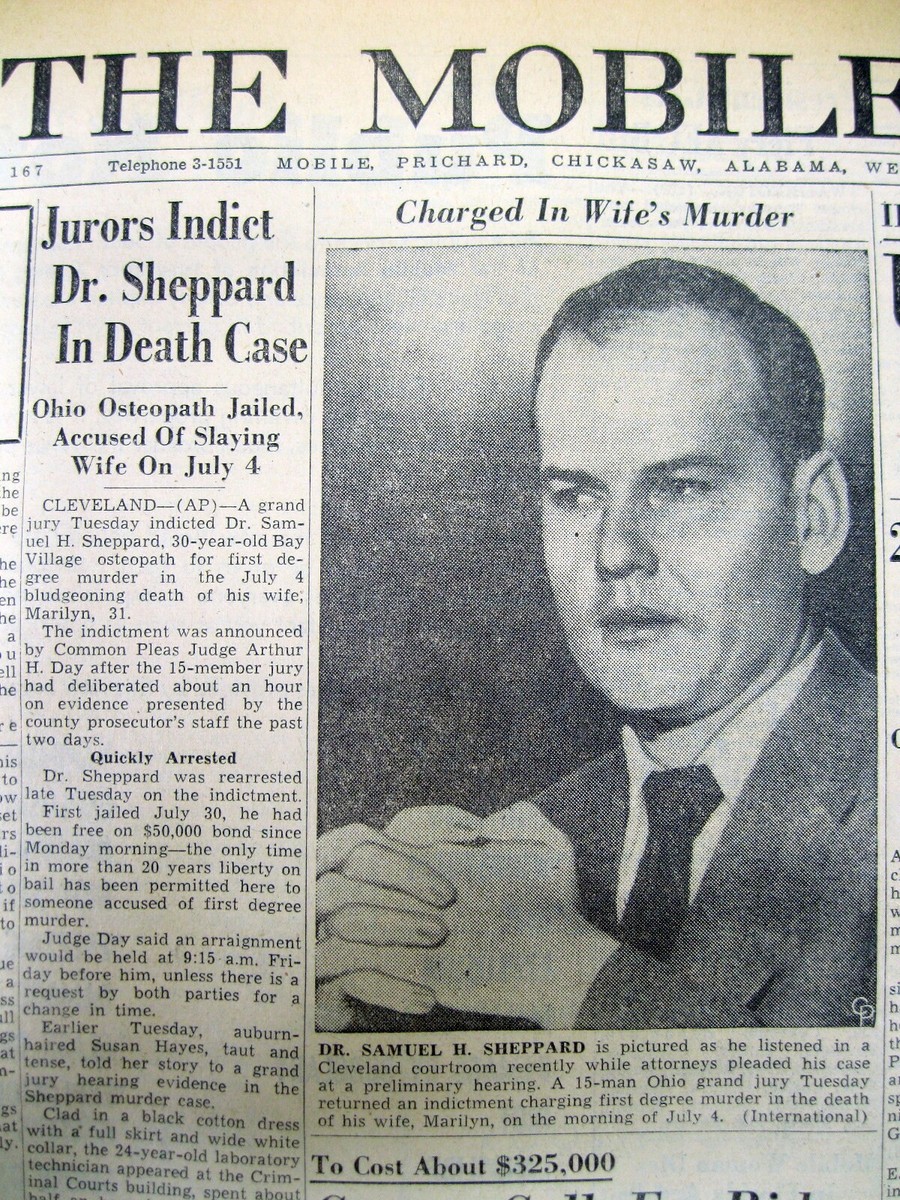
The intruder came through the bedroom door sometime before dawn.
It was July 4, 1954, in Bay Village, Ohio, a quiet suburb on Lake Erie.
Dr. Sam Sheppard, an osteopathic physician, told police he heard his wife cry out from the second-floor bedroom.
He said he ran upstairs and saw a figure standing over her.
He said he chased the intruder down to the lakefront, fought with him, and was knocked unconscious.
When he came to, he said, his wife was dead.
Marilyn Reese Sheppard was pregnant.
Their seven-year-old son was asleep in the house.
The murder made national headlines within days.
The coroner publicly stated that Sheppard had committed the murder — a declaration made before any trial.
Sheppard was arrested and charged with first-degree murder.
The identity of the alleged intruder is not established.
Sheppard was unable to identify the attacker.
No murder weapon was ever found.
There was no sign of forced entry.
The coroner's statement shaped everything that followed.
A public accusation, made in days, before the evidence was weighed.
That would require evidence.
The case was a sensation, and the accusation was the story.
THE CIRCUMSTANTIAL CASE
The coroner told the press, within days, that Sheppard had done it.
The coroner had not examined the evidence in open court.
He had not waited for a trial.
The investigation was led by Bay Village police, with the Cuyahoga County coroner's office playing a central role.
The coroner's office shaped the story before the story was tested.
The evidence was largely circumstantial.
No murder weapon was found.
The house showed signs of a struggle.
There was no sign of forced entry.
The victim was beaten to death, reportedly with a blunt instrument.
That instrument was never recovered.
Sheppard's account of the intruder was inconsistent.
He was unable to identify the alleged attacker.
He said he chased the man to the lakefront.
He said he fought him.
He said he was knocked out.
The prosecution argued Sheppard killed his wife in a fit of rage over an affair.
The defense pointed to the lack of physical evidence linking Sheppard to the crime.
No blood on him that matched the scene?
No weapon?
No forced entry?
That would require evidence.
The case was marked by intense pretrial publicity.
The coroner and prosecutors made statements to the press before trial.
Statements without cross-examination.
Statements without a jury.
The public heard a verdict before the court heard a case.
The accusation was the story.
The evidence was thin.
The weight of public opinion was not.
THE CARNIVAL TRIAL
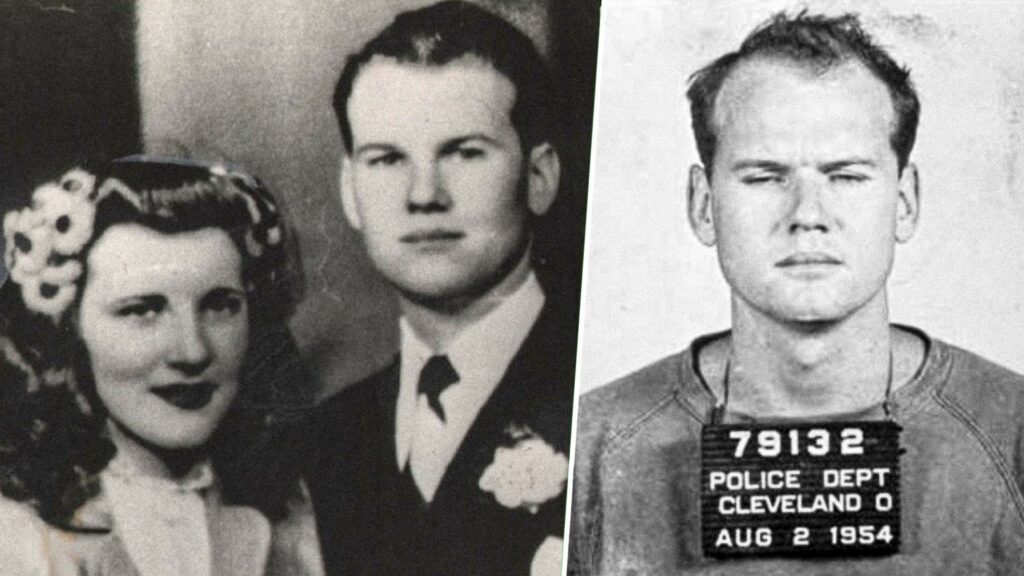
The indictment came in August 1954.
The trial opened in October before Judge Edward J. Blythin.
The prosecution, led by John T. Corrigan, argued that Sheppard had beaten his wife to death.
The defense, led by William J. Corrigan, argued that an intruder had committed the murder.
Two lawyers with the same last name, opposite sides of the courtroom.
The courtroom was not the only stage.
The proceedings were conducted in a carnival-like atmosphere, according to the record.
The jury was sequestered only late in the proceedings.
Reporters filled the benches before the witnesses did.
The coroner had already told the press that Sheppard was guilty, before any verdict.
The exact nature of the media circus is described in the record but not detailed in the source.
What is established is the noise.
What is established is the pressure.
What is established is that the jury heard it.
The evidence was circumstantial.
No murder weapon was found.
No sign of forced entry was found.
Sheppard's account of the intruder was inconsistent.
The prosecution called it rage.
The defense called it absence of proof.
The jury deliberated.
In December 1954, Sheppard was convicted of second-degree murder.
He was sentenced to life in prison.
The conviction was upheld on appeal.
The case moved from the courtroom to the cellblock.
That would require a different trial.
It would take twelve more years to get one.
THE SUPREME COURT RULING
F. Lee Bailey took up the case in 1964.
He argued that the trial had been tainted by prejudicial publicity.
He argued that the jury had been improperly influenced.
The Supreme Court heard the case as *Sheppard v. Maxwell*.
In 1966, the Court ruled that the trial had been fundamentally unfair.
The Court pointed at the media circus.
It ordered a new trial.
That was the relief. That was the vindication.
It was not a finding of innocence.
The ruling did not establish that Sheppard had not killed his wife.
It established only that the trial had been unfair.
That would require a different trial.
At the retrial in 1966, the prosecution presented a weak case.
Sheppard was acquitted.
The verdict was not a declaration of what happened on July 4, 1954.
It was a statement that the state had not proven its case.
The courtroom doors opened.
Sheppard walked out.
The question of the intruder remained open.
The question of the murder weapon remained open.
The question of who beat Marilyn Reese Sheppard to death remained open.
That would require evidence.
The record does not provide it.
AND THE STORY STILL ISN'T OVER
The acquittal did not restore the life the trial had taken.
Sam Sheppard returned to medicine, but the return did not hold.
He struggled with alcoholism and legal troubles.
He died in 1970 at age 46 of liver failure.
The case did not end with his death.
In the 1990s, his son, Samuel Reese Sheppard, pursued a wrongful-death lawsuit against the state of Ohio on behalf of his father.
The son argued that his father had been wrongly convicted.
In 2000, a jury found that Sam Sheppard had not murdered his wife.
The verdict was overturned on appeal in 2002.
The case was closed.
Not because the truth was settled.
But because the law said it was done.
The identity of the true killer remains unknown.
The record does not establish it.
The family has maintained that the true killer was never identified.
That claim persists.
The son, who had spent decades fighting to clear his father's name, died in 2021.
He did not see the case reopened.
He did not see a name attached to the crime.
What remains is a verdict overturned, an acquittal won, a jury's finding erased.
What remains is a closed case and an open question.
She was on the ground below.
The question of who beat Marilyn Reese Sheppard to death remained open.
That would require evidence.
The record does not provide it.
Advertisement
You may also like
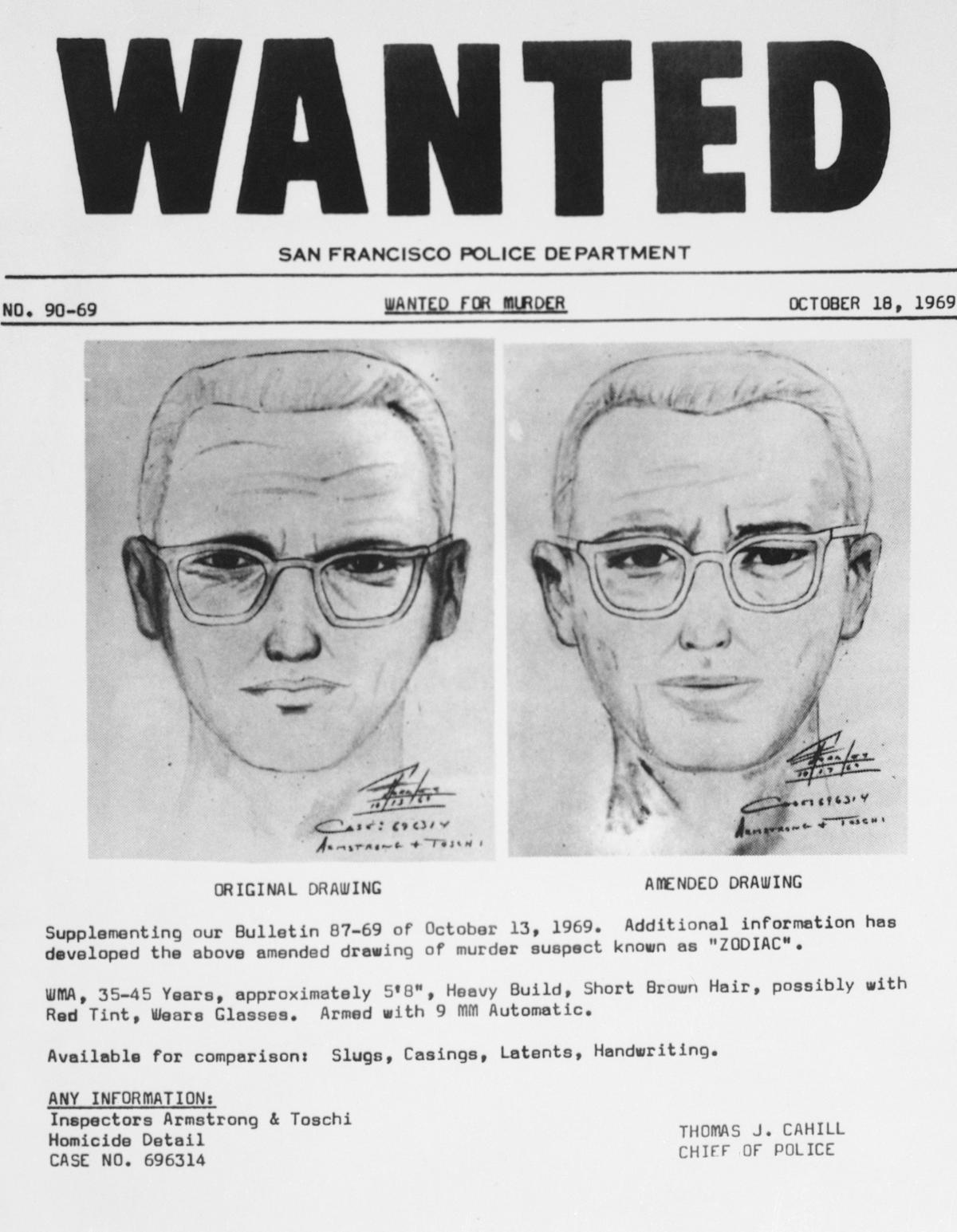
The blood-stained knife found in Arthur Leigh Allen's home that never sealed the Zodiac case
The knife came out of Arthur Leigh Allen’s home in 1991, and it was bloody. A Vallejo task force found it during a search…
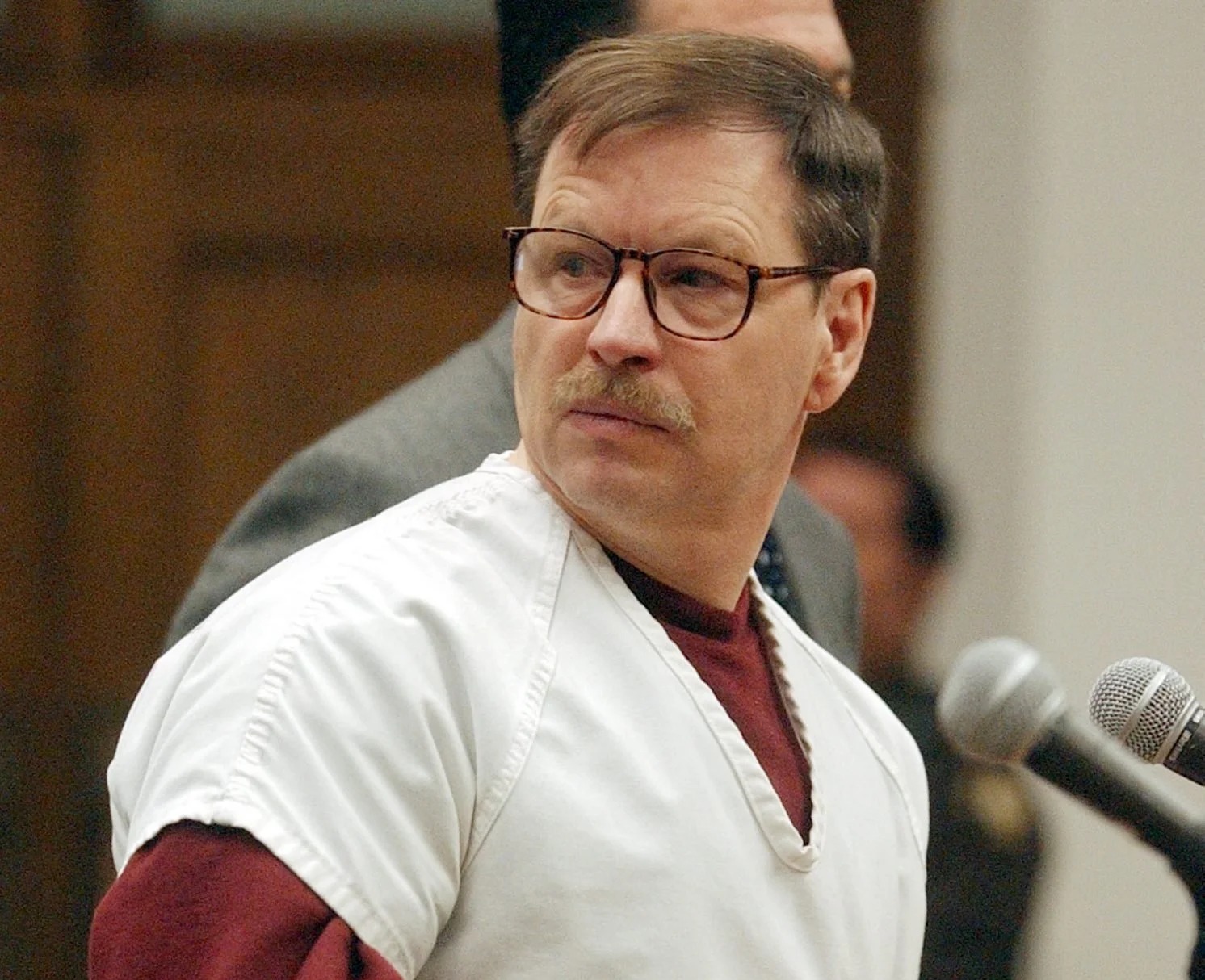
The DNA match that ended a 20-year manhunt for a killer the police had already cleared
He passed the polygraph. The truck painter from Auburn, Washington sat for the test early in the Green River Killer investigation, and the machine…
The FBI tape that captured what happened inside the Waco compound before the fire
The infrared footage was shot from above, by surveillance aircraft circling the compound. The audio recordings were captured the same way, microphones picking up…
The boat bought days before Laci vanished — and the alibi that unraveled in court
The mop sat in the garage of the Modesto home, and next to it, a boat trailer with fresh paint. Police found both during…
The beauty queen's parents who spent 25 years demanding a murder trial
On February 17, 1970, at Fort Bragg, North Carolina, Army Captain Jeffrey MacDonald, a Green Beret physician, reported that four intruders — three men…
The grand jury that reviewed Adam Walsh's evidence but issued no indictment
On July 27, 1981, six-year-old Adam Walsh was watching television with other children in the Sears department store at the Hollywood Mall in Hollywood,…