A paramedic spots one bottle — and the cyanide trail that changed packaging forever

The paramedic saw the bottle on the table in Adam Janus’s home.
A 27-year-old postal worker, Janus had died suddenly that day in Arlington Heights, Illinois.
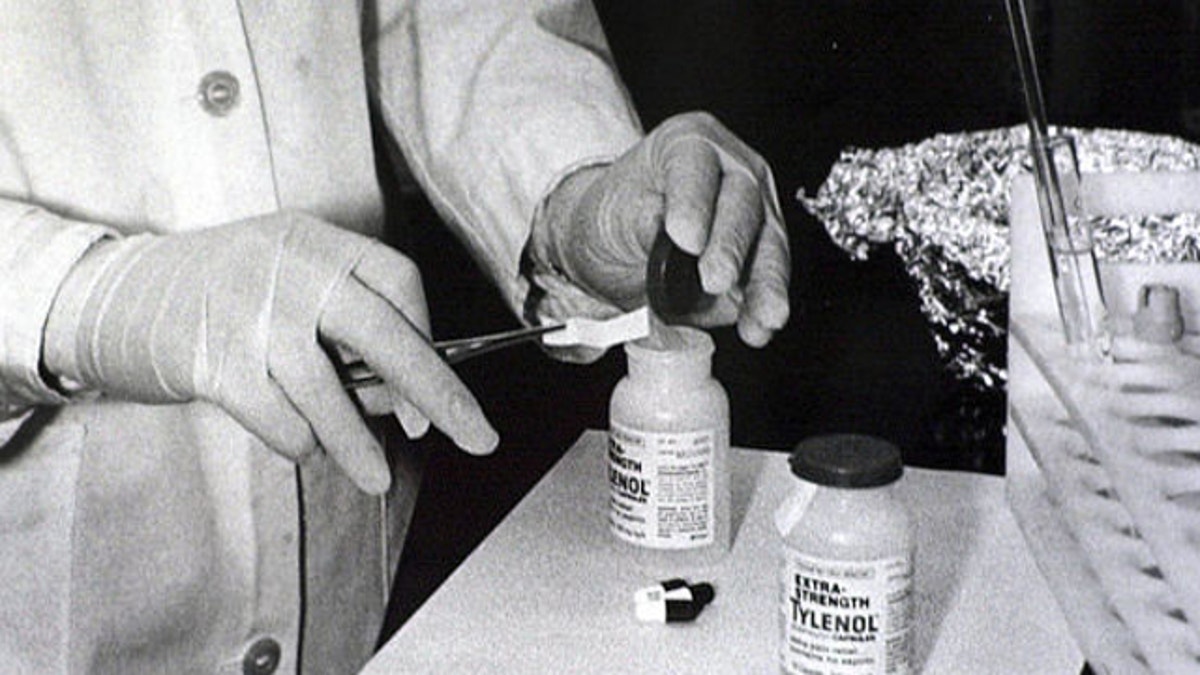
The paramedic noticed the Extra-Strength Tylenol.
He realized Janus had taken it shortly before his death.
That single detail linked one death to a pattern already worrying paramedics and doctors across the Chicago suburbs.
Unexplained deaths, sudden and clustered, had begun to appear in the days before.
The bottle was later tested by the Cook County Medical Examiner’s office and the FDA.
Potassium cyanide was in the capsules.
Not trace amounts. Enough to kill.
The observation turned an ordinary object into the hinge of a nationwide investigation.
What else did that bottle reveal?
Where it was bought.
Which lot it came from.
How the poison got inside.
That would require evidence.
It is not established who placed the cyanide in the bottle or how it got there.
The record shows only the bottle, the test, and the poison.
The rest was still being asked.
SEVEN DEATHS IN SIX DAYS
On September 29, 1982, a 12-year-old girl in Elk Grove Village took Tylenol for a cold.
She died that same day.
That same day, Adam Janus, a 27-year-old postal worker in Arlington Heights, took the same product.
He died too.
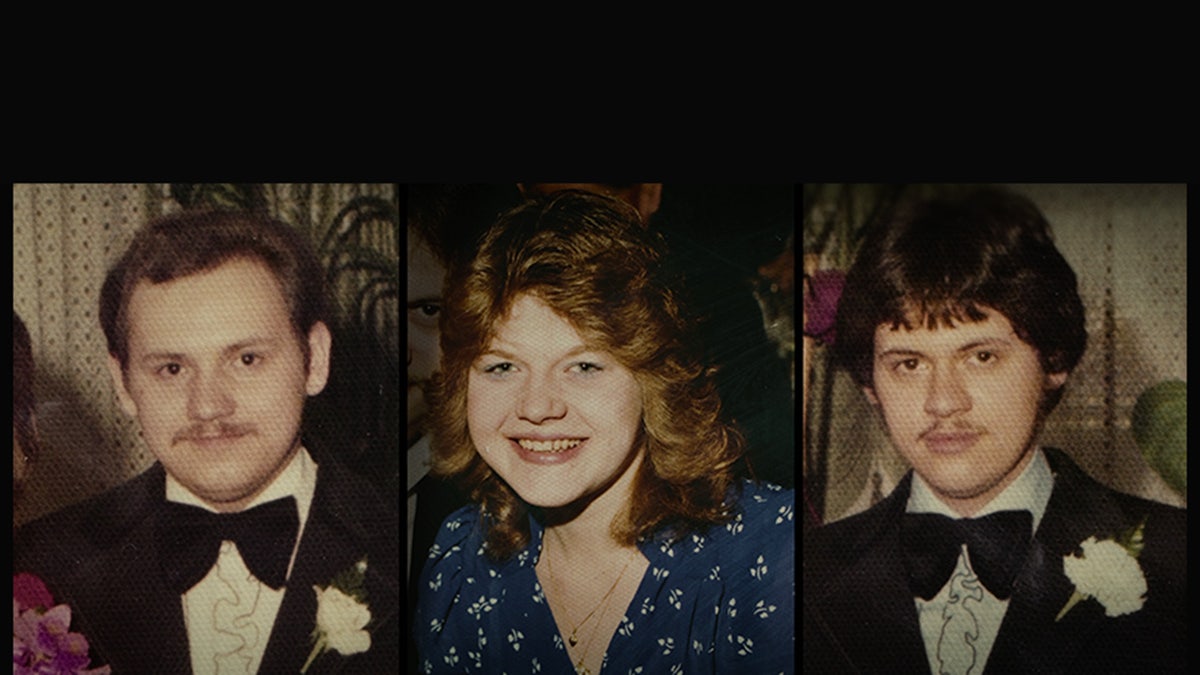
The following day, Adam Janus’s brother Stanley and sister-in-law Theresa took capsules from the same bottle.
They died as well.
Over the next two days, three more women died after taking cyanide-laced Tylenol.
The deaths were traced to bottles purchased from different stores in the Chicago area.
Investigators tested the capsules and confirmed the presence of potassium cyanide.
They found no common point of contamination.
No single factory line, no single delivery route, no single shelf.
It is not established how the cyanide got into the bottles.
It is not established whether the victims knew each other.
The poison was spreading through ordinary errands: a cold remedy, a headache, a bottle from a local pharmacy.
A 12-year-old girl.
A postal worker.
A brother and his wife.
Three more women.
Seven deaths in six days.
Johnson & Johnson recalled all Tylenol products nationwide.
The recall was total, sweeping every bottle from every shelf.
The pattern was the poison, not the people.
The pattern was the product, not the place.

Investigators asked how a killer could reach so many bottles without leaving a trace.
That would require evidence.
The record shows the deaths, the bottles, and the cyanide.
The rest was still being asked.
THE LETTER AND THE EXTORTIONIST
Then the letter arrived.
Johnson & Johnson received a letter from a man naming himself James W. Lewis.
He demanded $1 million to stop the poisonings.
Investigators traced the letter through its postmark and matched the handwriting.
They arrested Lewis in New York City.
The evidence against him stopped there.
Investigators found no evidence linking Lewis to the actual poisonings.
He was charged only with extortion.
Lewis was convicted in 1983 and sentenced to 10 years in prison.
He was released in 1985 but later returned for violating his parole.
He was never charged with the murders.
It is not established that Lewis had any involvement in the poisonings.
The extortion conviction does not prove murder.
Another suspect, Roger Arnold, was publicly named by police early in the investigation.
His alibi was confirmed, and he was cleared.
The letter pointed one way.
The bottles pointed nowhere.
The handwriting matched one man.
The cyanide matched no one.
THE TWO READINGS OF THE SAME FACTS
The extortion letter pointed to one man.
The handwriting on the letter matched James W. Lewis.
The prosecutor read it as a confession of intent: a man who demands $1 million to stop poisonings is a man who can start them.
The defense read the same letter differently.
No forensic link tied Lewis to the bottles.
No common contamination point was ever found.
The poisoner could have been anyone — a stranger, a rival, a disgruntled employee at a Tylenol plant.
Investigators interviewed hundreds of people.
They examined the possibility of a plant employee.
They found nothing.
The FBI officially closed its investigation in 1983.
It was reopened periodically over the years.
It is not established who the perpetrator was.
The case remains officially unsolved.
Was Lewis the poisoner?
Was he a copycat, an opportunist who saw the news and smelled a payday?
Was he someone else entirely?

That would require evidence.
The cyanide matched no one.
The bottles pointed nowhere.
The letter pointed to Lewis — but only to his greed, not to his hands.
AND THE STORY STILL ISN'T OVER
The Tylenol murders have never been solved.
No other person was ever charged.
James W. Lewis died in 2023 in Massachusetts, still maintaining that he had no involvement in the poisonings.
The case led to FDA tamper-evident packaging regulations in 1982.
Johnson & Johnson recalled all Tylenol products nationwide, a move widely credited with preserving public trust in the brand.
The victims' families have continued to press for answers.
No new leads have emerged.
The FBI's investigation remains open, though inactive.
It is not established that any new evidence exists.
The investigation is inactive.
The cyanide matched no one.
The bottles pointed nowhere.
The letter pointed to Lewis — but only to his greed, not to his hands.
That remains the shape of the record.
The packaging changed.
The regulations changed.
The trust returned.
The answer did not.
Advertisement
You may also like
The mother who demanded justice after the last Son of Sam killing
The parking ticket was found near the last shooting scene. It was traced to a car registered to David Berkowitz. That is how the…
Bloodstained hair on Colette MacDonald's hand: the clue that broke the Green Beret's story
The bloodstained strand of hair lay on Colette MacDonald's hand. Military police found it on February 17, 1970, inside the Fort Bragg residence of…

The houseboat where a fugitive's manhunt ended, and the case closed without a trial
The houseboat was a squat white box tied to a dock on Miami Beach, and inside it, on July 23, 1997, they found Andrew…
The paymaster's $15,776 payroll — and the widows who testified
The paymaster and the guard were carrying two boxes along Pearl Street, an ordinary errand on an ordinary Thursday. The boxes held the payroll…
The fibers that tied a convicted man to 22 cases he was never tried for
The surveillance team heard the splash first. It was May 22, 1981, on the banks of the Chattahoochee River in Atlanta. A single sound…
The floppy disk metadata that ended BTK's silence and led to a church council president
A deleted file does not vanish. In 2005, a floppy disk arrived at a Wichita television station. It was from BTK, the killer who…