The FBI named the wrong man the night before the Tsarnaev brothers were caught
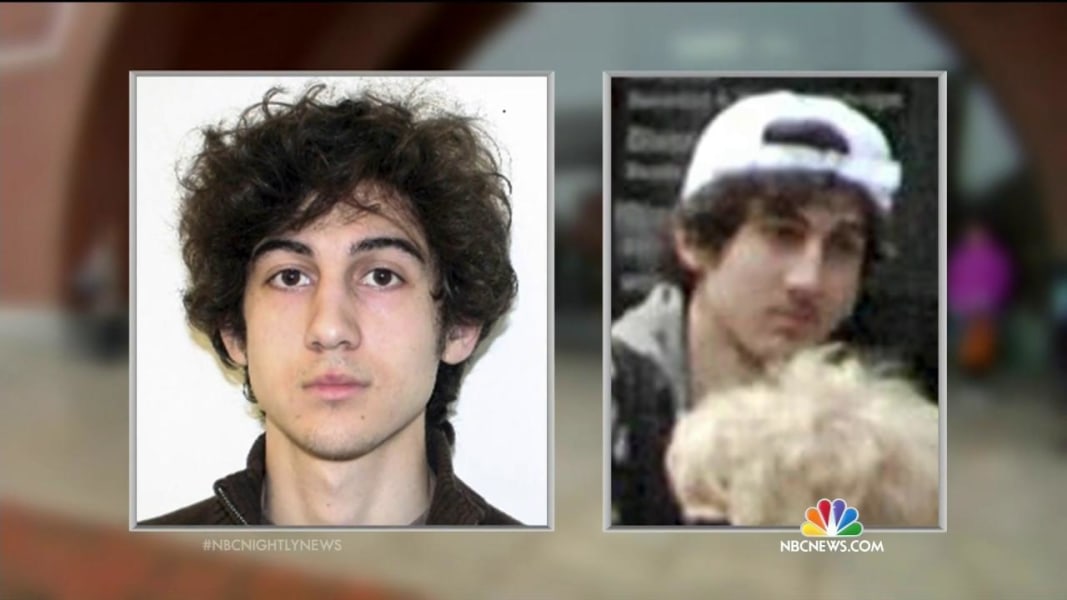
On April 18, 2013, the FBI released images of two suspects taken from Lord & Taylor surveillance footage.
That same night, the FBI initially identified the wrong man as a suspect.
The FBI later acknowledged the error.
The misidentification led to a public frenzy.
The man's family received threats.
The FBI acknowledged that too.
The wrong man was not a Tsarnaev brother.
He was not connected to the bombing.
The record does not establish his name.
That is not in the record.
The images the FBI released showed two men carrying heavy backpacks near the finish line.
Those were the real suspects.
But the night belonged to the wrong man.
His face spread across screens.
His name was repeated by people who wanted the bombers found.
His family answered calls that were not questions but accusations.
The real bombers were still free.
They had not yet been identified.
The carjacking victim's escape had not yet happened.
That would come later.
How could the FBI get it so wrong while the real bombers were still free?
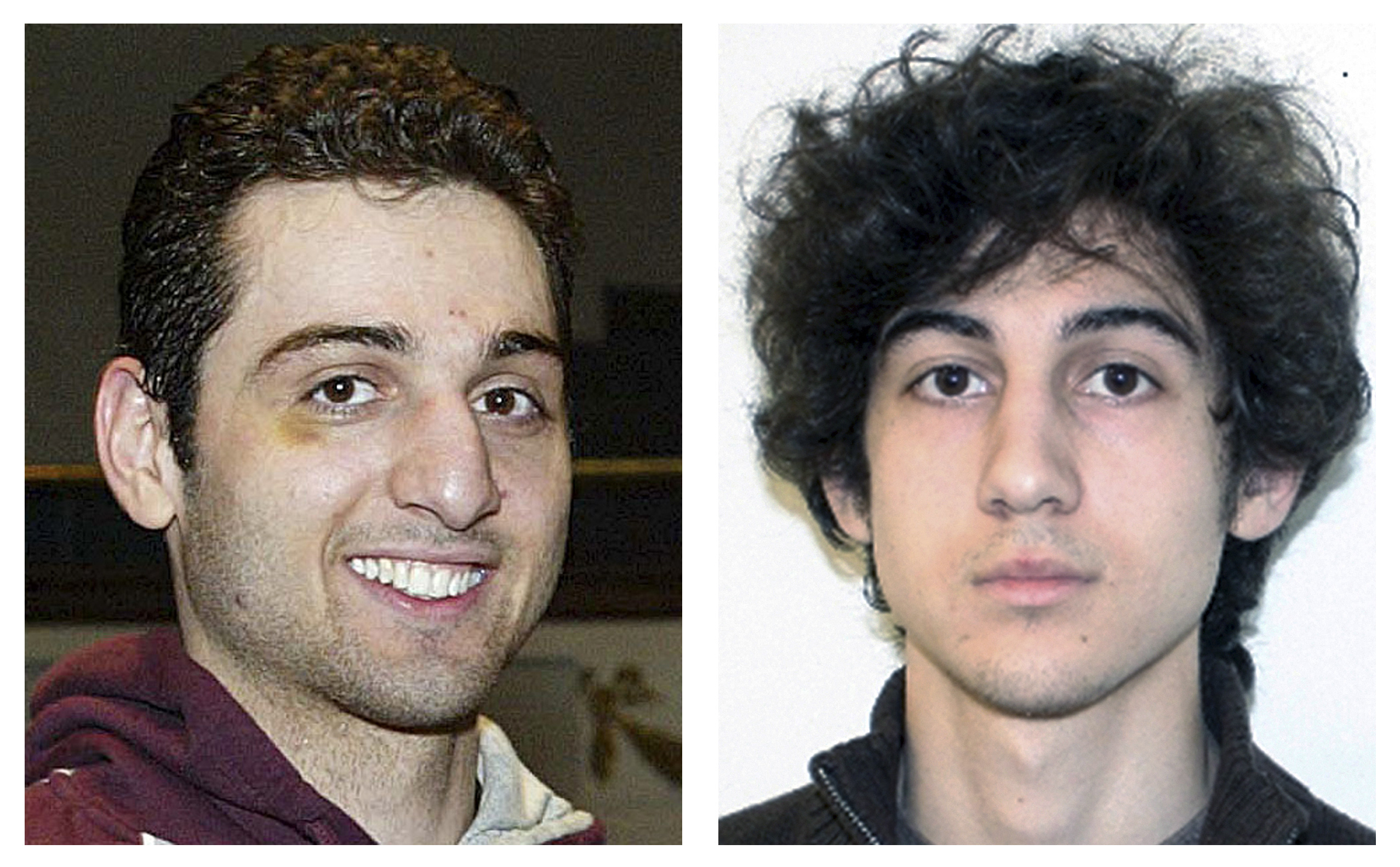
How could the images be right and the identification wrong?
How could the frenzy outrun the facts?
The answer would require evidence.
The FBI said it made an error.
That is documented.
The rest was chaos.
THE BOMBS AND THE CAMERA
April 15, 2013, was Patriots’ Day in Boston.
Two pressure-cooker bombs packed with shrapnel exploded near the finish line on Boylston Street, according to the investigation report.
The bombs were placed in backpacks and detonated about 12 seconds apart, the investigation report said.
Three people were killed: a restaurant manager, a graduate student, and an 8-year-old boy.
More than 260 others were injured.
The attack was the first major terrorist bombing on U.S. soil since September 11, 2001.
For three days, the city waited.
Surveillance footage from a Lord & Taylor department store revealed two men carrying heavy backpacks near the finish line, according to the FBI investigation.
The FBI released images of the two suspects on April 18, 2013.
The images were grainy.
The city studied them.
Not because the faces were clear.
But because they were all anyone had.
The exact contents of the shrapnel are not fully specified in the record.

What the record does show is the weight of the moment.
A city reeling.
The only clues were those images.
They pointed at two men.
The men were brothers.
THE CARJACKING AND THE SHOOTOUT
The carjacking victim did not wait for instructions.
He escaped, and he alerted police.
That escape broke the case open.
The brothers were identified after that.
On April 19, a shootout erupted in Watertown.
The exact sequence of events during the shootout is not detailed in the record.
What the investigation report establishes is this: Tamerlan Tsarnaev died in that confrontation.
Dzhokhar Tsarnaev escaped after the shootout.
A city went into lockdown.
Streets emptied.
Police moved house to house.
Dzhokhar was found hiding in a boat in a Watertown backyard.
Inside the boat, he had written a confession in pencil.
The confession was scrawled on the boat’s interior.
It was introduced at trial.

One brother was dead.
One brother was in custody.
The manhunt had ended not with a tip, not with a profile, but with a victim who ran.
THE TRIAL AND THE TWO STORIES
The trial opened with two versions of one man.
Prosecutors said Dzhokhar Tsarnaev was a willing participant, a man who bought the fireworks, packed the bombs, and left a backpack on Boylston Street.
The defense argued he was influenced by his brother.
Tamerlan, the elder, was the architect, they said; Dzhokhar, the younger, was the follower.
The trial record shows the jury heard both stories.
Dzhokhar Tsarnaev was tried in federal court in Boston.
He was found guilty on all 30 counts on April 8, 2015.
The charges included conspiracy to use a weapon of mass destruction and first-degree murder.
The prosecution sought the death penalty.
The defense argued he was influenced by his brother.
The jury sentenced him to death on May 15, 2015.
Then the story turned again.
In 2020, a federal appeals court overturned the death sentence, citing insufficient juror screening.
The U.S. Supreme Court reinstated the death sentence in 2022.
The degree of Dzhokhar's independent intent versus his brother's influence is not definitively established.
That is what the record does not resolve.
It is a guilty man, the record says.
It is also a man who was twenty-one, with an older brother dead in a Watertown street.
The moral tug-of-war remains.
Was it his plan?
Or was it his brother's?
That would require evidence the trial did not settle.
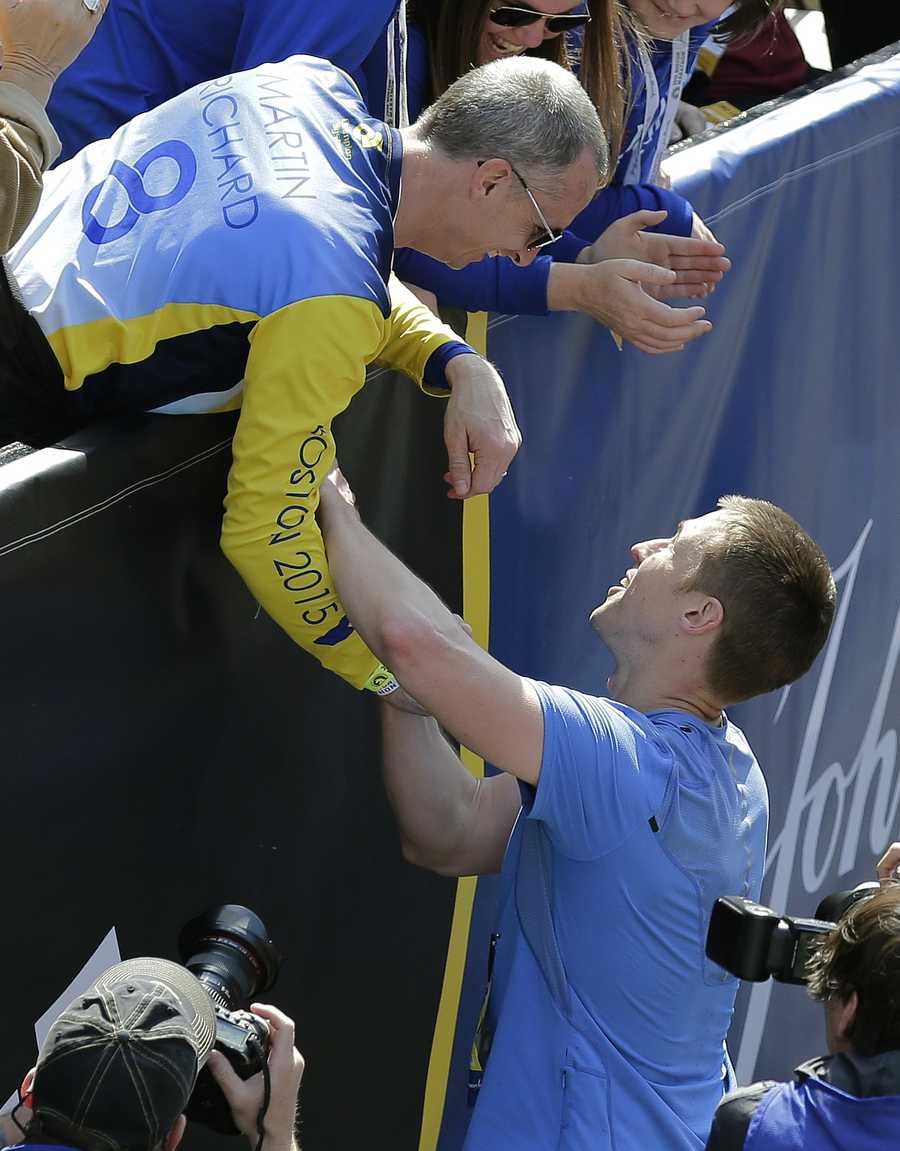
The Richard family, whose eight-year-old son was killed, has publicly opposed the death penalty.
They asked for life in prison instead.
The court gave death anyway.
Then it took it back.
Then it gave it again.
Dzhokhar Tsarnaev remains on federal death row in Florence, Colorado.
His appeals continue.
The two stories still run parallel, and neither one has ended.
AND THE STORY STILL ISN'T OVER
The FBI's wrong-man error remains a documented blemish on the investigation.
The bureau acknowledged it, and the record keeps it.
Katherine Russell, Tamerlan's widow, has not been charged.
Azamat Tazhayakov, a friend, was convicted of obstruction of justice and sentenced to 6 years.
Dzhokhar Tsarnaev remains on federal death row at a U.S. penitentiary in Florence, Colorado.
His appeals continue.
The outcome of those appeals is not in the record.

That would require evidence that has not yet been produced.
The Richard family has publicly opposed the death penalty.
They said so, and their words stand against the sentence.
Justice is served, but the mistakes and the cost remain.
The wrong man was named, and his family received threats.
The FBI said it was an error, and the documentation agrees.
The carjacking victim escaped, and police found the brothers.
Tamerlan was killed in Watertown.
Dzhokhar was captured in a boat.
The confession was scrawled in pencil on the boat's interior, and it was introduced at trial.
The conviction came on all 30 counts, and the death sentence was imposed.
Then the appeals court overturned it, and the Supreme Court reinstated it.
The story still isn't over.
It is a case of what was done and what was admitted.
It is also a case of what remains unresolved.
The wrong man's name was out there, and the right man's name came later.
The record holds both, and it does not let go.
The cost is measured in the dead, the injured, and the threatened.
The unease lingers because the error was real, and the punishment is fixed.
What remains is the question of whether the process, with all its turns, was enough.
That question is not answered in the record.
Advertisement
You may also like
The babysitter who never existed — the lie that unraveled Casey Anthony's defense
The name was Zenaida Fernandez-Gonzalez. Casey Anthony told her family and the police that this babysitter had taken her two-year-old daughter. The claim was…
Three rock icons boarded a plane; a pregnant widow learned the news from reports
A coin, tossed in the air, decided who would live and who would fly. Tommy Allsup lost his seat on the plane to Ritchie…
The axle number on a Ryder truck that led FBI agents to a rental clerk and a suspect
At 9:02 a.m. on April 19, 1995, a truck bomb exploded outside the Alfred P. Murrah Federal Building in Oklahoma City, Oklahoma. The blast…
The jailhouse confession that broke the Manson case — and the raid that missed
She was in jail for something else. Susan Atkins, charged in an unrelated case, sat in a cell and talked. She told her cellmate,…
The phone calls a massage therapist recorded that changed a murder trial's story
She was a massage therapist in Fresno, and she met Scott Peterson in November 2002. He told her he was single. She did not…
The flight logs that tied Epstein's jet to underage girls — and the FBI files that still won't close
The plane had a name before the case did. The "Lolita Express," they called it — Epstein's private jet, a Boeing 727 that shuttled…