The phone calls a massage therapist recorded that changed a murder trial's story
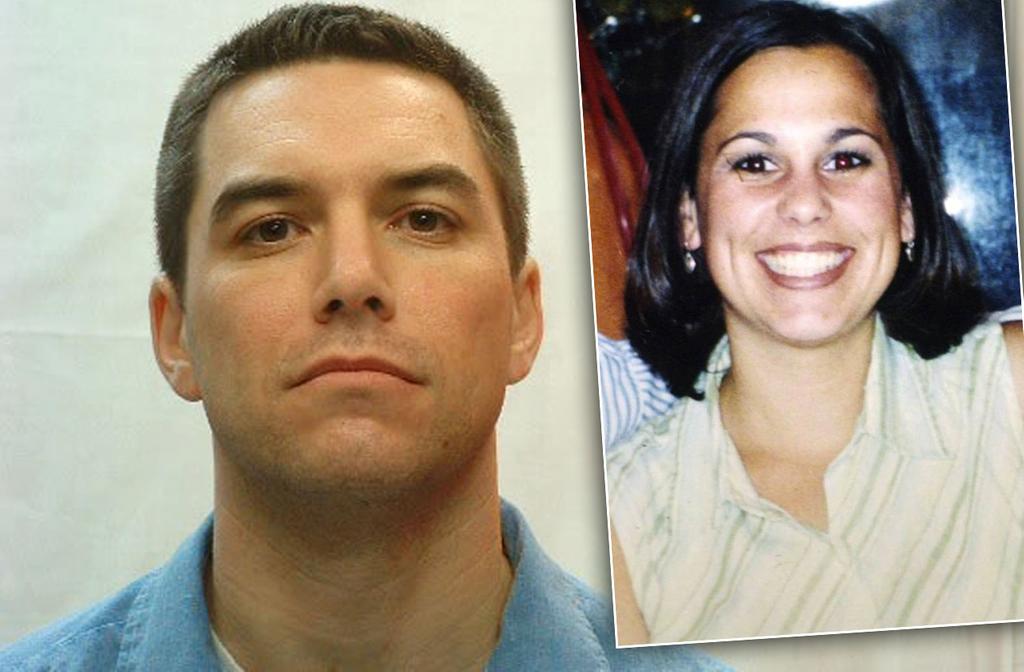
She was a massage therapist in Fresno, and she met Scott Peterson in November 2002.
He told her he was single.
She did not know about Laci Peterson, the pregnant wife in Modesto.
By January, Amber Frey had gone to the police.
She cooperated with investigators, and she gave them recorded phone calls with Scott Peterson.
In those calls, prosecutors later said, he made statements that were deceptive.
The exact content of the calls is not detailed in the records.
What the record does establish is that they were recorded, and that they were characterized as deceptive.
That is all it establishes.
The tapes reached the media, and then the media reached everyone else.
Cable news played the excerpts.
Commentators dissected each pause, each phrase, each breath.
The 24-hour news cycle had found its story.
The public's reaction was immediate.
It was visceral.
It was the sound of a man being tried before any jury was sworn.
Not because the law had spoken.
But because the microphones had.
He was framed as guilty in the living rooms of America, weeks and months before a courtroom would hear a single word of evidence.
What was said on those calls?
The record does not say, not in detail.
But the public did not need the detail.

They needed the tone, the implication, the shadow.
A man accused is not a man convicted.
A tape played on television is not a verdict.
But in the winter of 2003, the distinction blurred, and the calls did the work that a trial was supposed to do.
THE DISAPPEARANCE
Laci Peterson, 27 and pregnant, disappeared from her Modesto home on December 24, 2002.
Her husband, Scott Peterson, reported her missing that evening.
The case file records the call, the date, the empty house.
What Scott Peterson did that day is not established beyond his own claim.
He said he went fishing alone at the Berkeley Marina.
Investigators focused on Scott early.
The investigation summary notes inconsistencies in his account of his whereabouts.
A man fishing alone on Christmas Eve, a wife gone by the time he returned.
The contradiction did not resolve itself.
It built.
Cable news picked up the story and did not put it down.
The case drew intense national media attention, with coverage running around the clock.
Modesto became a backdrop for a rolling broadcast.
Every update was a segment.
Every segment needed a next chapter.
The public watched a husband on camera, and the watching became part of the record.
Not because the cameras proved anything.
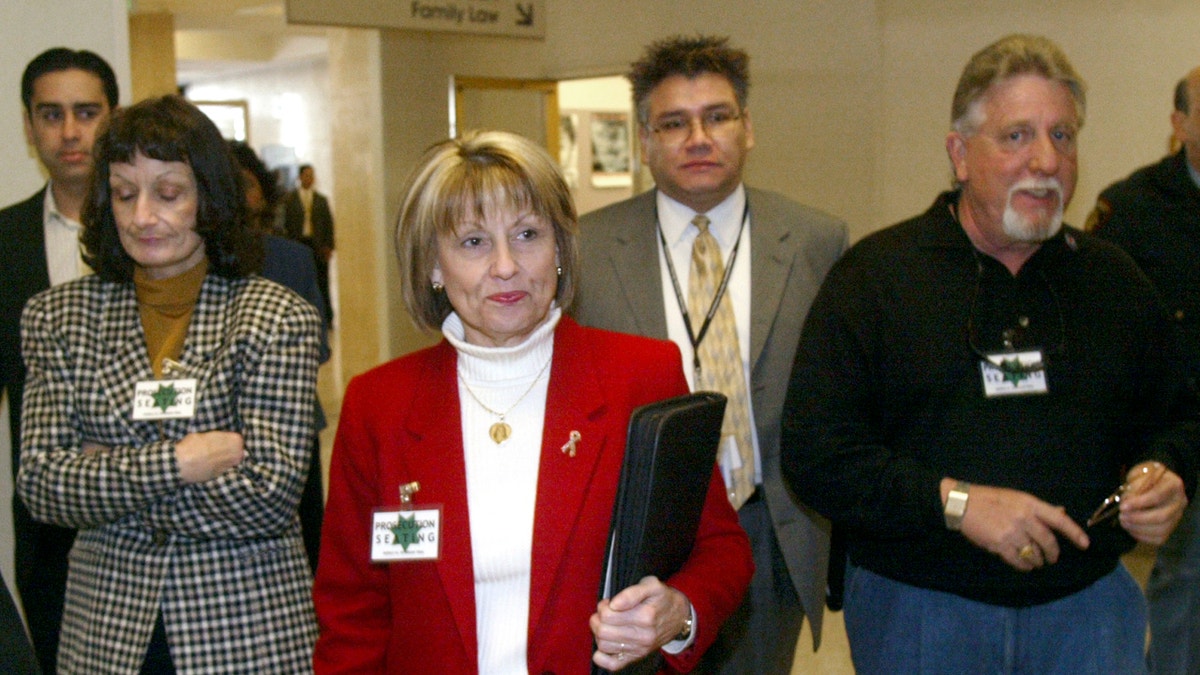
But because the coverage shaped what the record would be asked to prove.
The questions came in runs: Where was he? Why alone? Why that marina?
That would require evidence.
The evidence, at that point, was a claim and a timeline that did not match.
A man accused is not a man convicted.
A story on television is not a fact in court.
In the winter of 2003, the line between them was still being drawn.
THE BODIES AND THE ARREST
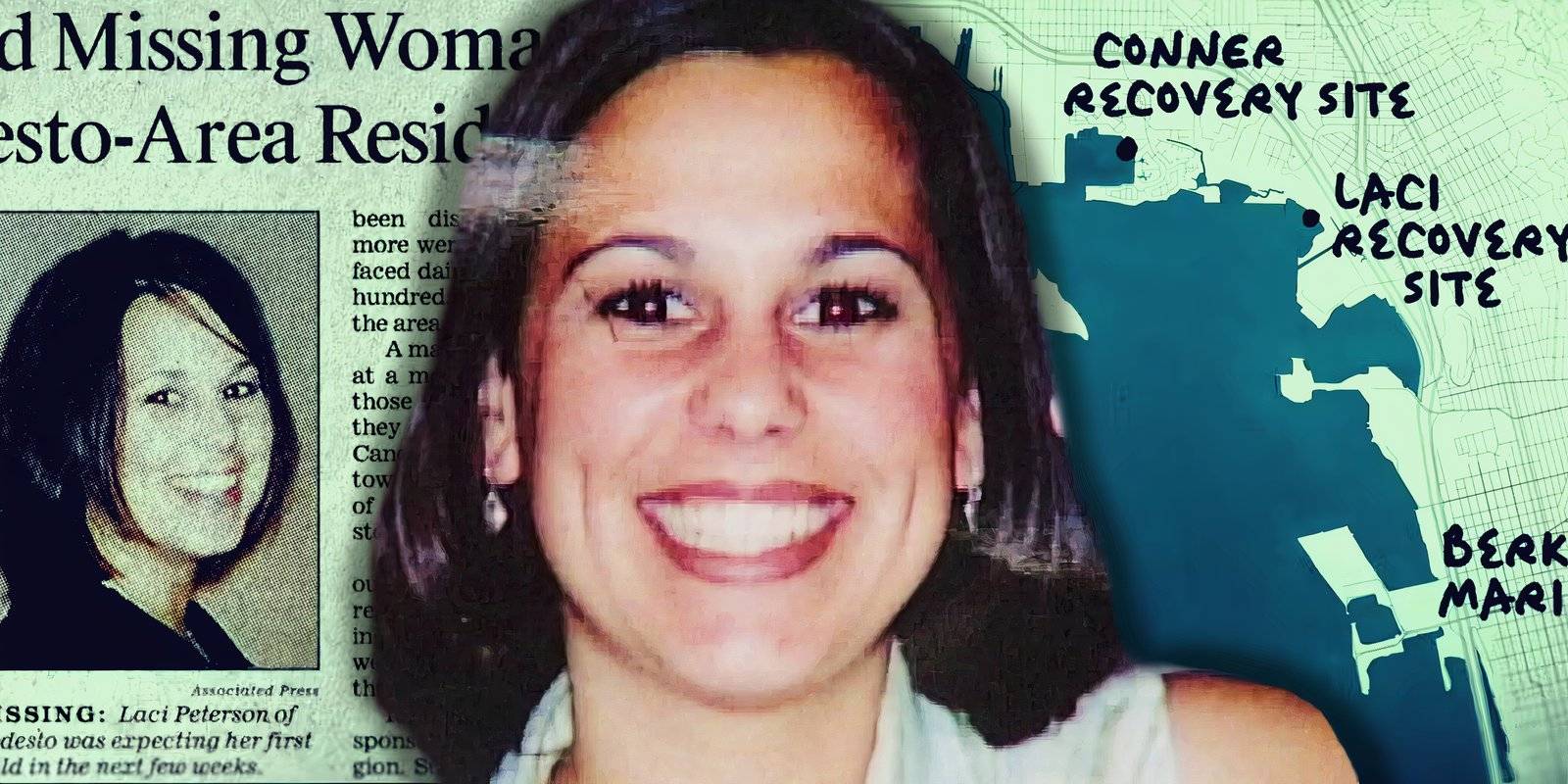
On April 13, 2003, the bodies of Laci Peterson and her unborn son, whom the couple had planned to name Conner, washed ashore in San Francisco Bay.
They were found near the Berkeley Marina, where Scott Peterson claimed to have been fishing on the day his wife disappeared.
The case file records the date of the discovery.
It records the location.
It records that the prosecution's case was strengthened by the finding.
The cause of death was not definitively established.
No weapon was identified.
The defense argued the evidence was circumstantial.
The defense suggested other suspects, including a burglary ring in the area.
No alternative suspect was ever charged.
The case was tightening around Peterson.
Five days after the bodies were found, on April 18, 2003, he was arrested.
He was charged with two counts of first-degree murder.
The arrest was reported in the case file as a fact.
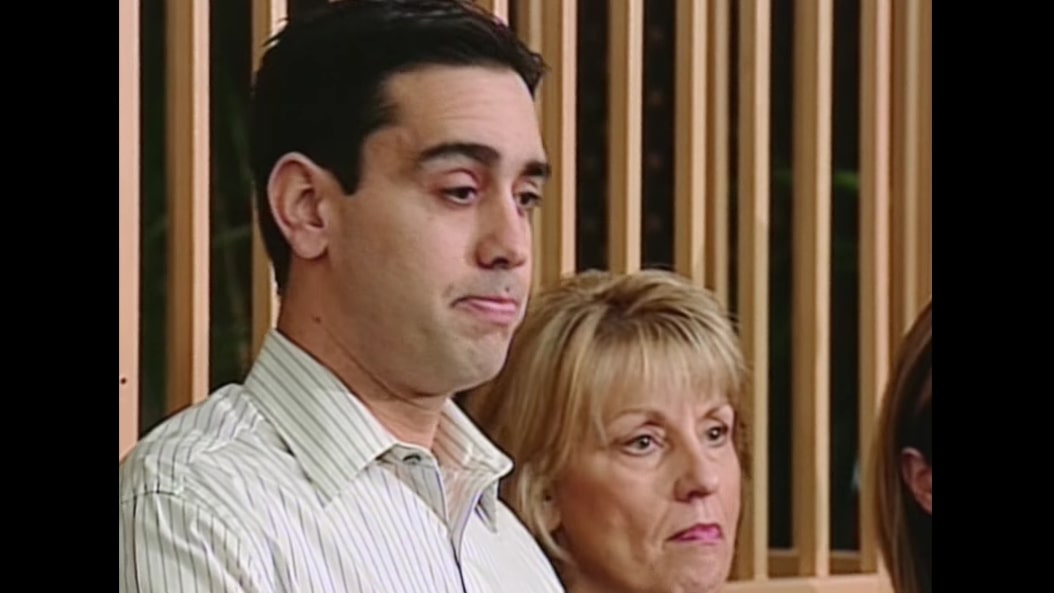
The charge was a charge, not a conviction.
The media narrative moved faster than the law.
Cable news played the recorded calls between Peterson and Amber Frey.
Commentators framed the recordings as proof.
The recordings were documented evidence.
What they proved was a legal question, not a television one.
The bodies had washed up near where he said he had been.
That was a fact.
What it meant was for a jury to decide.
The public had already decided.
The discovery near the marina strengthened the prosecution's case, according to the investigation summary.
The defense's alternative suspects remained theories.
The burglary ring was a theory.
No one else was ever charged.
The bodies were on the shore.
The case was closing in.
THE TRIAL AND THE VERDICT
The trial began in June 2004 in Redwood City, California, moved there because pretrial publicity had made a fair hearing in Modesto impossible.
The prosecution built its case on circumstance, not on a confession or a weapon.
They pointed to the affair with Amber Frey.
They pointed to the boat purchased shortly before the murder.
They pointed to a husband who said he went fishing while his pregnant wife vanished.
The defense, led by Mark Geragos, told a different story.
Laci Peterson, he argued, was abducted and killed by strangers.
He pointed to a nearby burglary.
He argued the evidence was circumstantial, and that is what it was.
On November 12, 2004, the jury found Scott Peterson guilty of first-degree murder for Laci's death.
They found him guilty of second-degree murder for Conner's death.
The verdict landed like a weight.
The jury's reasoning was not detailed in the record; only the verdict was given.
He was sentenced to death on March 16, 2005.
The courtroom was a stage, and the verdict was the final act of a story the public had followed for nearly two years.
Cable news had played the recorded calls on a loop.
Commentators had dissected every pause, every phrase.
The public heard guilt in those tapes.
The record establishes the calls existed.
The record establishes what Peterson said.
What the record does not establish is what the jury heard in them.
The verdict came down.
The story, for a moment, closed.
AND THE STORY STILL ISN'T OVER
In 2020, the California Supreme Court overturned Scott Peterson’s death sentence.
The court cited juror misconduct, but it upheld the murder convictions.
A new penalty phase was ordered.
:max_bytes(150000):strip_icc():focal(749x0:751x2)/Laci-and-Scott-Peterson-081224-255c69408379478482d3a927e5d377ee.jpg)
A resentencing hearing has not yet been completed.
The source does not specify a timeline for that hearing.
Scott Peterson remains on death row at San Quentin State Prison.
He is there, though his sentence is no longer death.
The story is not neatly closed.
Laci’s mother, Sharon Rocha, has continued to advocate for victims’ rights.
She has spoken publicly about the case.
The case remains one of the most heavily covered criminal trials in American media history.
It is often cited in discussions of the 24-hour news cycle.
The same cycle that played the recorded calls on loop.
The same cycle that turned Amber Frey’s testimony into spectacle.
The same cycle that framed a circumstantial case as certainty.
What the record does not establish is whether the public’s interpretation was ever the legal one.
It was a narrative, not a fact.
The verdict came down.
The convictions stood.
The death sentence did not.
What remains is a man on death row awaiting a hearing with no set date.
What remains is a family still speaking.
What remains is a case that will not close.
The calls were documented evidence.
The interpretation was a media-driven story.
That story is still being told.
But it is a story, and the record is the record.
Advertisement
You may also like
The friend's call that sent police to the Watts home — and the phone left behind
On the morning of August 13, 2018, in Frederick, Colorado, Shanann Watts, 15 weeks pregnant, was supposed to be at a doctor's appointment. She…
A concrete anchor found near Laci Peterson's body — and the one detail that still haunts her family
A concrete anchor was pulled from San Francisco Bay in April 2003, near the place where Laci Peterson's body washed ashore. It matched a…
The day care center inside the Murrah Building held 19 children when the bomb hit
The morning of April 19, 1995, began with the ordinary mechanics of a workday. Parents pulled into the drop-off lane outside the Alfred P.…
The Florida mother's 2005 report that started it all — how one stepdaughter's massage led to a 14-year saga
A mother called Palm Beach police in 2005. Her stepdaughter was 14. An older girl had recruited the teenager, the mother said, to give…
The bloody glove on O.J. Simpson's estate that changed everything — but the jury never saw it that way
The glove was found on the morning of June 13, 1994. Detective Fuhrman of the LAPD went to Simpson's estate on Rockingham Avenue. He…
The duct tape on Laci Peterson's body that split a jury's theory
The duct tape was on Laci Peterson's body when she was found. That single object carried the weight of two opposing stories. The prosecution…