A hammer near two desert graves — and the phone records that redrew a family's last days
The motorcyclist stopped in the Mojave Desert near Victorville, California, on November 11, 2013.
He found two shallow graves in the dirt.
Inside were human remains.
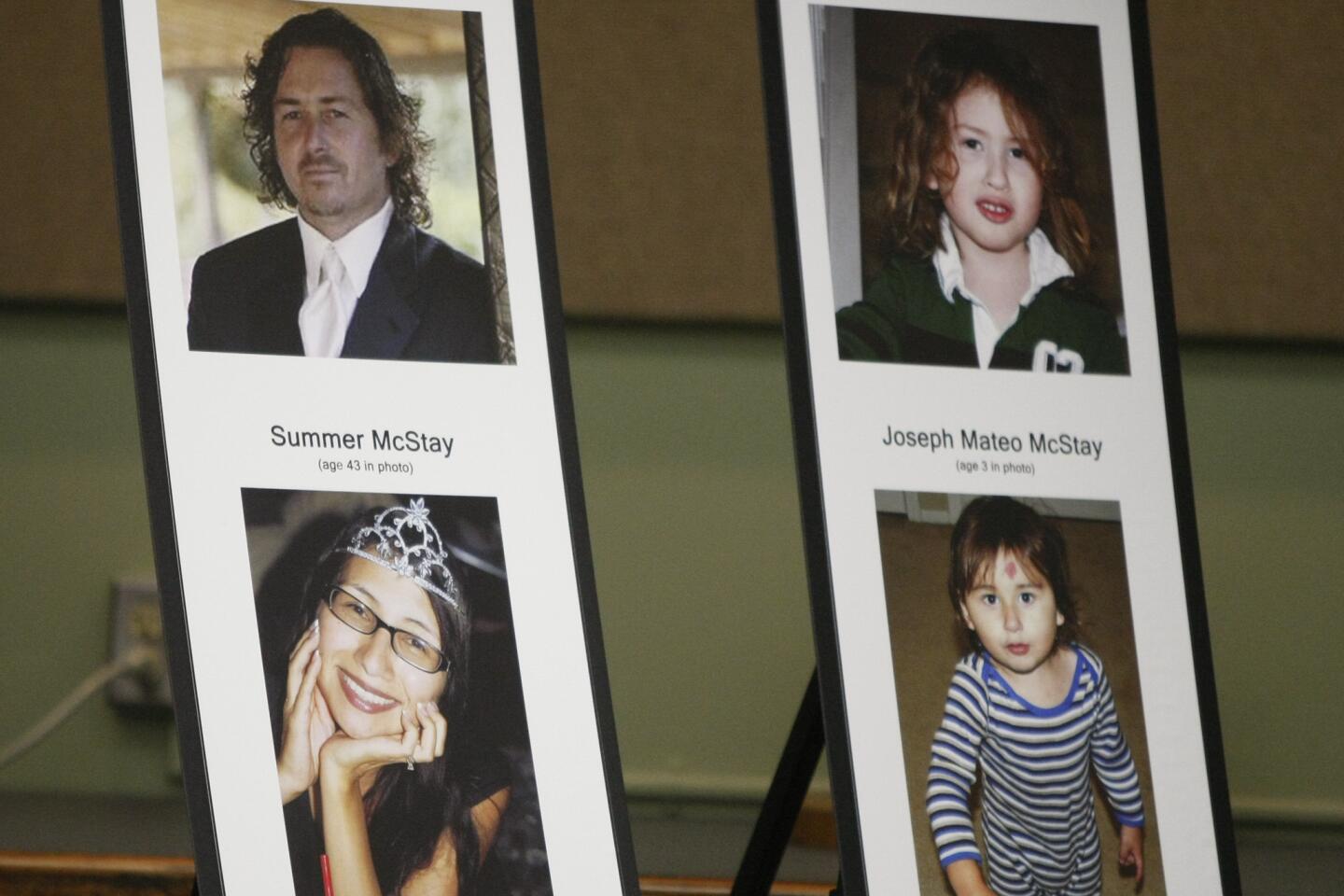
The remains were later identified as the four McStay family members — Joseph, Summer, and their two young sons.
A family that had vanished from a quiet home in Fallbrook, California, nearly four years earlier.
Near the graves, investigators found a hammer.
The hammer was later linked to Charles "Chase" Merritt through DNA and tool mark analysis.
That link is evidence presented in court, not a fact this opening can settle.
The hammer sat in the dirt beside the graves.
It is a physical object, a thing that can be held, measured, tested.
The graves are the end of a story that began with an undisturbed house.
Food on the counter. The television on. Vehicles still in the driveway.
The dogs were in the backyard.
The family was gone.
Now the hammer connects the graves to a name.
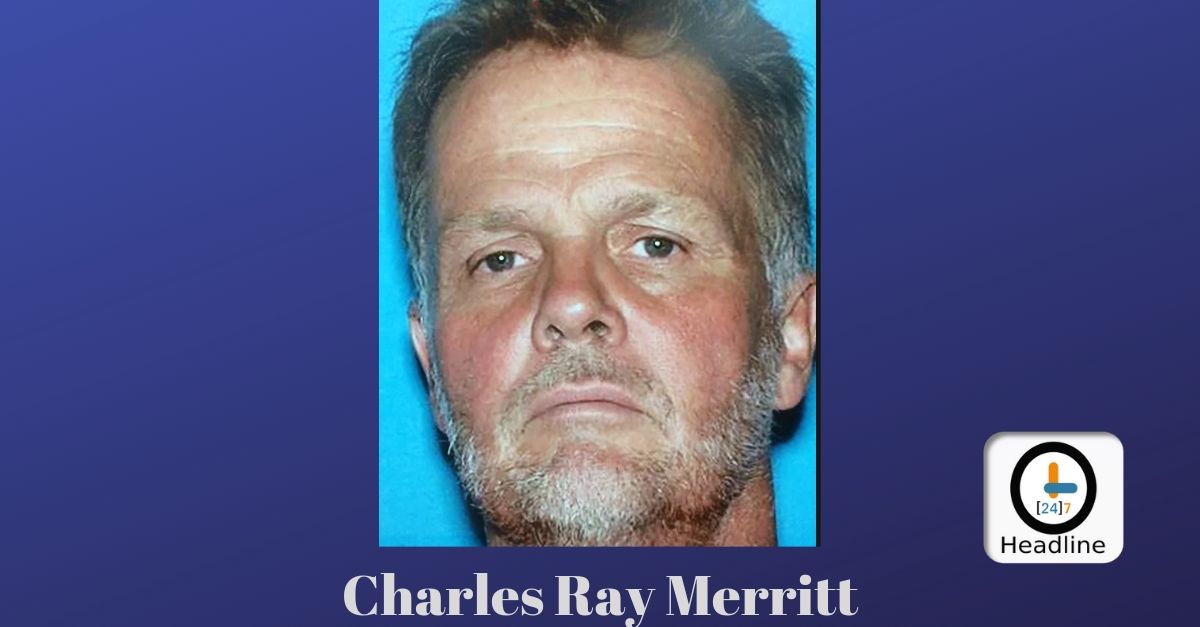
Charles "Chase" Merritt, a business associate of Joseph McStay, who worked with him on fountain projects.
He was arrested in November 2014 and charged with four counts of murder.
The hammer and the graves sit at the center of what the record establishes.
Not what anyone claims online.
Not the theories that grew in the years the case went cold.
What the record establishes is a hammer, two graves, and a family of four.
The rest — the calls, the GPS data, the financial dispute — came later.
This is where the story starts: with a motorcyclist, a patch of desert, and a hammer in the dirt.
FEBRUARY 4, 2010 — THE HOUSE LEFT BEHIND
On February 4, 2010, Joseph McStay, his wife Summer, and their two sons — 4-year-old Gianni and 3-year-old Joseph Jr. — were reported missing from their home in Fallbrook, California.
The house was undisturbed.
Food sat on the counter. The television was on. The family's dogs were found in the backyard, and their vehicles were still at the residence.
No signs of forced entry. No signs of struggle. No signs of the family.
The scene suggested a family that had simply stepped out — except they never came back.
Investigators looked first at Joseph's business dealings, the source material states, because he had recently been involved in disputes over unpaid invoices.
The case went cold.
No arrests. No leads that broke the mystery. Just a house left behind, with the TV still on.
Why the family left or what happened inside the home is not established by the record.
That would require evidence, and at the time, there was none.
The family was gone. The house remained. The questions stayed open for nearly four years.
NOVEMBER 11, 2013 — THE DESERT GRAVES

Nearly four years passed before the desert gave them back.
On November 11, 2013, a motorcyclist found human remains in two shallow graves in the Mojave Desert near Victorville.
The remains were identified as the four McStay family members — Joseph, Summer, and their two sons.
The case shifted from missing persons to homicide.
Investigators turned their attention to Charles "Chase" Merritt, a business associate who had worked with Joseph on fountain projects.
The phone records placed Merritt's phone in the area of the graves around the time of the disappearance.
A hammer found near the graves was linked to Merritt through DNA and tool mark analysis.
The phone pinged. The hammer matched. The record tied both to the accused.
The exact cause and time of death are not specified in the record.
That would require evidence the record does not provide.
Merritt was arrested in November 2014.
He was charged with four counts of murder.
The case had gone cold for nearly four years.
Then it was not cold anymore.
It was a homicide investigation with a name attached.
The questions that had stayed open since February 2010 now had a direction.
A phone in the desert. A hammer in the dirt. A suspect in custody.
The quiet weight of that phone ping — it sat in the area of the graves when the family disappeared.
The hammer sat near the graves too.
The record ties both to Merritt.
What happened inside the home on February 4, 2010 remained unknown.
What happened in the desert remained a matter for the trial.
THE TRIAL — TWO STORIES, ONE SET OF FACTS
The trial began in January 2019.
The prosecution argued that Merritt killed the family over a financial dispute.
The unpaid invoices that had drawn investigators' attention early on.
The prosecution presented phone records.
Calls placed in the area where the bodies were buried.
A hammer found near the graves.
DNA and tool marks consistent with Merritt, the prosecution said.
The defense argued the evidence was circumstantial.
The defense argued that Merritt had no motive.
The defense claimed the phone data was unreliable.
The defense claimed Merritt had been framed.
That framing claim is an argument, not a fact.
The record does not establish any alternative perpetrator.
It is one set of facts.
It is two irreconcilable readings of that set.
Phone pings that place a man at a gravesite. Or phone pings that place a man at a gravesite because someone put them there.
A hammer with DNA and tool marks. Or a hammer planted to point one way.
Which reading did the jury trust?
Which reading did the evidence support?
That would require a verdict.
In June 2019, the jury found Merritt guilty of four counts of first-degree murder.
He was sentenced to life in prison without the possibility of parole.
The prosecution's story held.
The defense's story did not.
The hammer and the phone records carried the weight.
The jury answered the question the record had left open.
AND THE STORY STILL ISN'T OVER
Charles Merritt is serving his life sentence without parole in a California state prison.
The McStay family's remains were returned to their relatives for burial.
The families of the victims have spoken publicly about the verdict, expressing relief that justice was served.
The case has been the subject of documentaries and true-crime coverage.
No further legal developments have been reported.
The hammer and the phone records remain the documented core.
That is what the record establishes.
What it does not establish is a motive beyond the financial dispute the prosecution argued.
The defense's story did not carry the day, and the jury answered the question the record had left open.
But the "why" remains unanswered in any documented form.
Not because the evidence failed. Because the evidence never claimed to answer it.
The hammer was there. The phone pings were there. The verdict was there.
What was not there, and has never been reported, is any admission or further legal finding that would close the question of motive.
The case is closed in court.
It is not closed in memory, in coverage, or in the quiet space where the families live with what happened.
They have said the verdict brought relief.
That is a statement about justice, not about understanding.
The story continues in documentaries, in true-crime retellings, in the absence of any new legal development.
It continues in the ache of an unresolved why.
That would require evidence the record does not contain.
The hammer and the phone records carried the weight.
They still do.
Advertisement
You may also like
The friend's call that sent police to the Watts home — and the phone left behind
On the morning of August 13, 2018, in Frederick, Colorado, Shanann Watts, 15 weeks pregnant, was supposed to be at a doctor's appointment. She…
A concrete anchor found near Laci Peterson's body — and the one detail that still haunts her family
A concrete anchor was pulled from San Francisco Bay in April 2003, near the place where Laci Peterson's body washed ashore. It matched a…
The day care center inside the Murrah Building held 19 children when the bomb hit
The morning of April 19, 1995, began with the ordinary mechanics of a workday. Parents pulled into the drop-off lane outside the Alfred P.…
The Florida mother's 2005 report that started it all — how one stepdaughter's massage led to a 14-year saga
A mother called Palm Beach police in 2005. Her stepdaughter was 14. An older girl had recruited the teenager, the mother said, to give…
The bloody glove on O.J. Simpson's estate that changed everything — but the jury never saw it that way
The glove was found on the morning of June 13, 1994. Detective Fuhrman of the LAPD went to Simpson's estate on Rockingham Avenue. He…
The duct tape on Laci Peterson's body that split a jury's theory
The duct tape was on Laci Peterson's body when she was found. That single object carried the weight of two opposing stories. The prosecution…