In 1994, eleven Branch Davidians stood trial — what did the jury hear that they couldn't ignore?
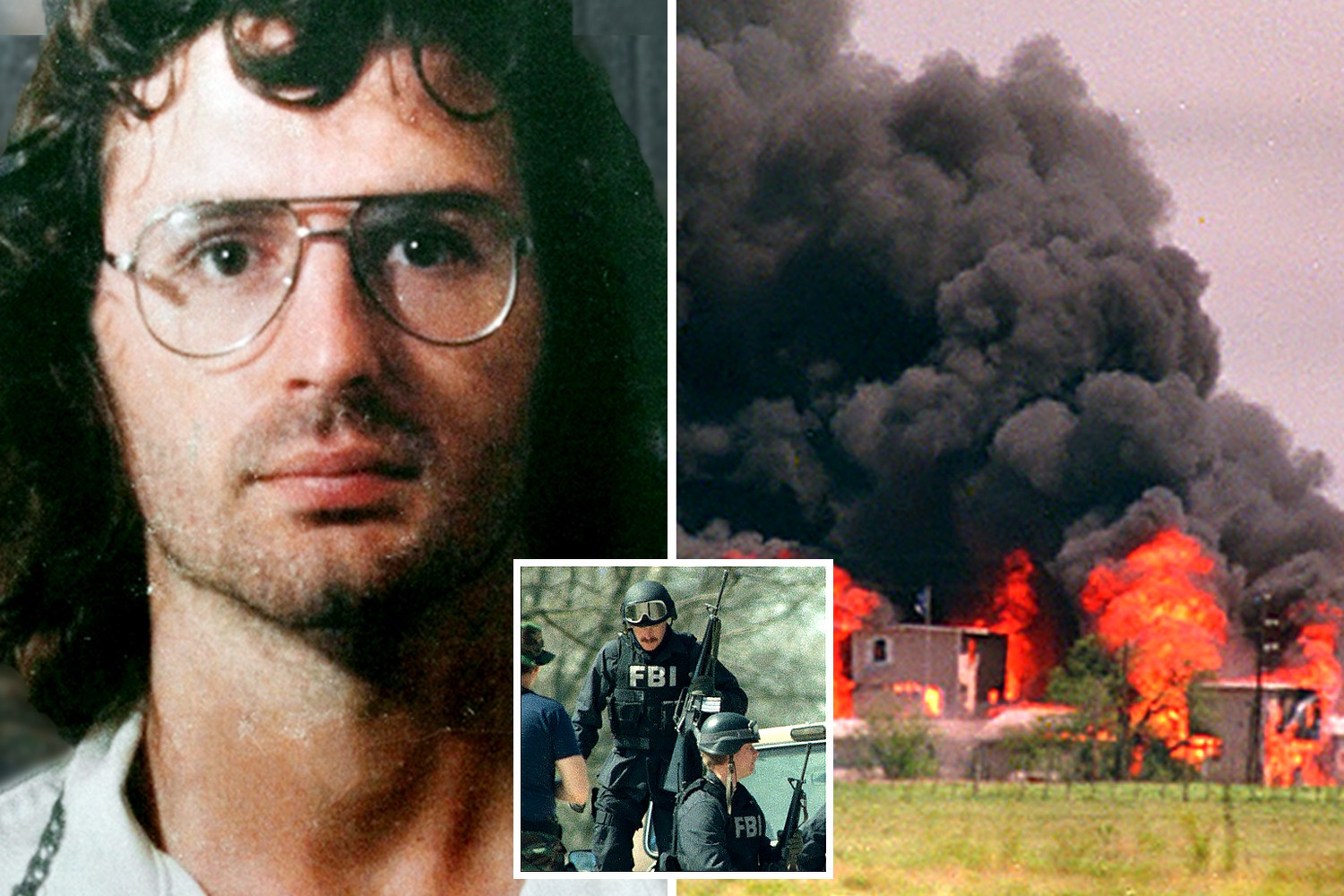
Eleven Branch Davidians sat in a federal courtroom in San Antonio in 1994.
Not for the fire that killed 76 people. For what happened before it.
The charges were voluntary manslaughter, conspiracy to murder federal officers, and weapons counts.
U.S. Attorney Bill Johnston led the prosecution.
Johnston argued the Branch Davidians fired first at the ATF raid on February 28, 1993.
He argued they had conspired to resist.
The defense answered with a different order of events.
The ATF initiated the gun battle, they said.
The defendants acted in self-defense.
The defense attorneys, including one who had represented David Koresh before his death, pressed that version hard.
The jury heard testimony from former members.
They heard evidence of rifles and handguns stockpiled at the compound.
They heard from Dr. Nizam Peerwani, the Tarrant County medical examiner, about how the fire victims died — smoke inhalation and burns.
What exactly tipped the jury is not specified in the record.
Not in the source material. Not in the public account of the trial.
The verdict came down on the most serious charges: not guilty.
All eleven were acquitted of conspiracy to murder federal officers.
They were convicted of voluntary manslaughter and weapons charges.
Sentences ranged from five to forty years.
The trial was a courtroom, not a siege.
The jury weighed testimony, not footage.
What they heard, and what they chose to believe, remains the hinge.
That would require evidence.
THE SIEGE
It began with a warrant.
On February 28, 1993, agents of the Bureau of Alcohol, Tobacco, and Firearms attempted to execute a search and arrest warrant at the Mount Carmel Center ranch near Waco, Texas.
The compound was the home of the Branch Davidian religious sect, led by David Koresh.
A gun battle erupted.
When it was over, four ATF agents were dead.
Six Branch Davidians were dead too.
A 51-day standoff followed.
The FBI assumed control of the operation.
Negotiators tried to talk the group out.
They did not come out.
On April 19, 1993, the FBI launched a tear gas assault on the compound.
A fire broke out.
Seventy-six people inside died.
David Koresh was among them.
More than twenty children were among them.
Who started the fire is not established.
The FBI maintained that the Branch Davidians started it.
The source does not confirm that.
The federal government later faced intense criticism over the handling of the siege.
That criticism would follow the case into the courtroom.
The trial was still a year away.
The dead were still being counted.
THE EVIDENCE
The initial investigation belonged to the ATF, which had been tracking David Koresh for illegal weapons possession and stockpiling.
After the gun battle, the FBI took over, and negotiators tried to end the standoff without more bloodshed.
The prosecution’s case rested on two pillars: testimony from former members, and the weapons and ammunition recovered from the compound.
The specific content of that testimony is not detailed in the record available here.
It is a gap the jury did not have.
Dr. Nizam Peerwani, the Tarrant County medical examiner, testified about how the 76 people inside died.
Smoke inhalation and burns, he said.
That was the forensic weight the jury carried into deliberations.
The fire itself was investigated twice over.
The Treasury Department produced one report.
The Justice Department produced another.
They conflicted.
Not because one was careless and the other careful.
But because each agency had a version of events to protect.
The jury heard the testimony, weighed the ballistics, and considered the medical findings.
They did not have the siege footage playing on loop in the jury box.
They had the record.
The record was built on former members who left the compound, on shell casings and ammunition boxes, and on a medical examiner’s calm account of how people die when smoke fills a room.
What the jury could not ignore was the accumulation.
Weapons found.
Testimony given.
Deaths certified.
The story was one of preparation and fire, and the evidence pointed in both directions at once.
That would require evidence, and the evidence was split.
THE VERDICT
The jury acquitted all eleven defendants of the most serious charges.
Conspiracy to murder federal officers did not hold.
The prosecution, led by U.S. Attorney Bill Johnston, had argued the Branch Davidians fired first.
The defense argued the ATF initiated the gun battle and the defendants acted in self-defense.
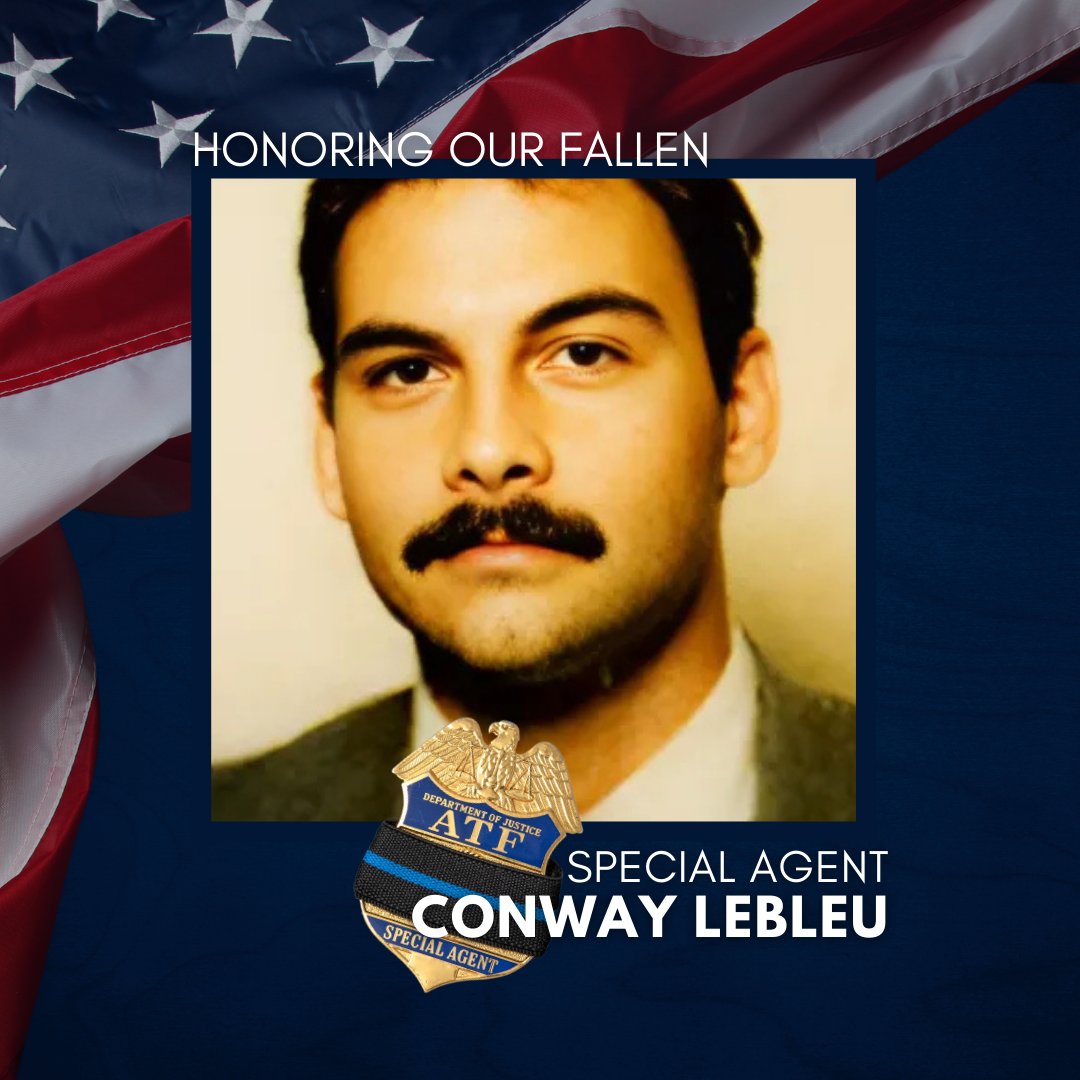
The jury heard testimony from former members and saw evidence of weapons and ammunition found at the compound.
Dr. Nizam Peerwani testified that the cause of death for those in the fire was smoke inhalation and burns.
What the jury weighed was the trial record, not the siege footage.
The verdict split the charges.
Voluntary manslaughter and weapons charges stuck.
Sentences ranged from five to forty years in prison.
The convictions were later upheld on appeal, though some sentences were reduced.
The specific reasoning of the jury is not in the record.
Why they acquitted on conspiracy but convicted on manslaughter remains undocumented.
That would require evidence.
The surviving Branch Davidians served their sentences.
They were released by the late 2000s.
The case was resolved in a courtroom in San Antonio.
The weight of the convictions came down on eleven people.
The record holds the verdict, but not the reasoning behind it.
AND THE STORY STILL ISN'T OVER
The government paid out more than $1 billion in damages and settlements to survivors and the families of the dead.
It never admitted wrongdoing.
The Treasury Department and the Justice Department produced conflicting reports on the fire.
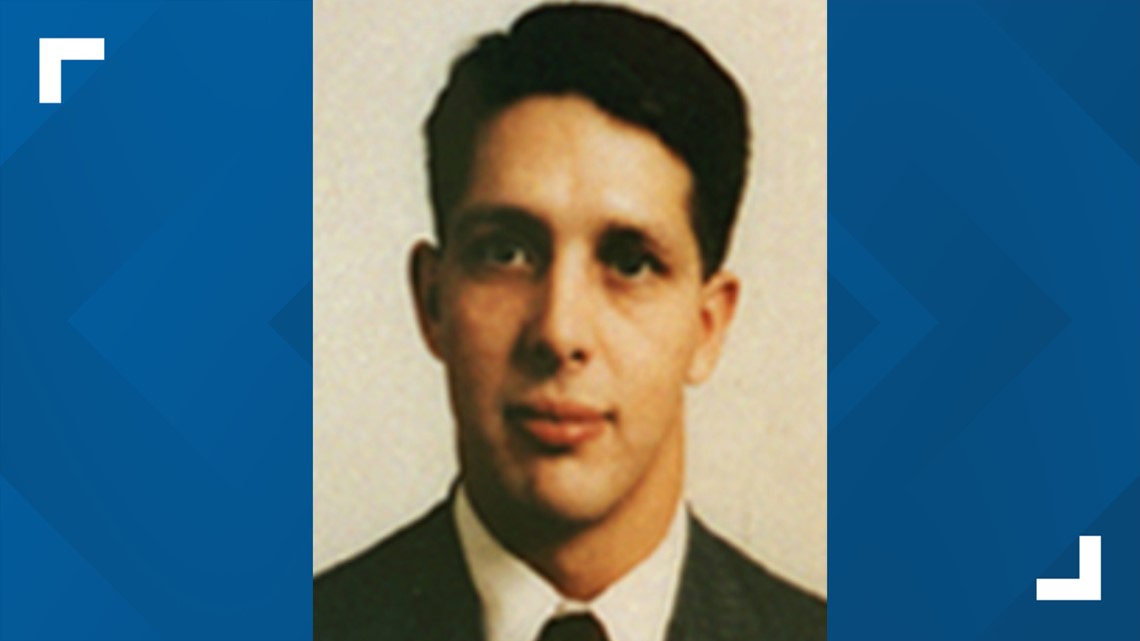
Those reports continue to fuel the debate.
The exact cause of the fire remains disputed; the record does not resolve it.
Mount Carmel was later occupied by a small group of Branch Davidians.
They remain there.
David Koresh's body was cremated.
His followers who died are remembered at the site.
The siege has been the subject of numerous investigations, documentaries, and books.
The controversy has not cooled.
Not because the verdict settled it.
But because the verdict answered only what eleven people did, not what happened on April 19.
That question stays open.
The trial record holds the convictions.
It holds the testimony of former members.
It holds the medical examiner's findings on smoke inhalation and burns.
It does not hold the fire's origin.
That would require evidence the record does not provide.
The survivors served their sentences and were released by the late 2000s.
The site still stands.
The small group still lives there.
The dead are remembered.
The reports still conflict.
The debate still runs.
Advertisement
You may also like
Why the defense said Muhammad wasn't at the scene — and the jury still convicted
The Chevrolet Caprice was parked at a rest stop near Myersville, Maryland, when police arrested two men sleeping inside. In the trunk, officers found…
The dog kennel video that shattered a lawyer's alibi in the Murdaugh murders
It begins with a dog kennel. Investigators obtained cellphone video from the kennel on the Murdaugh family’s hunting estate in Colleton County, South Carolina.…
The folded pajama top that unraveled a Green Beret doctor's story of intruders
The pajama top was folded. That is the detail that does not fit. On February 17, 1970, at Fort Bragg, North Carolina, army physician…
The 31-day silence before a grandmother’s 911 call about Caylee Anthony
It started with a 911 call from a grandmother. On July 15, 2008, Cindy Anthony called from her home in Orlando, Florida, to report…
The .40-caliber pistol that ended Versace's life — and the man who never faced a trial
The morning of July 15, 1997, was already hot on Ocean Drive. Gianni Versace had walked to a café and was coming back to…
The 12-year-old who took Tylenol for a cold — and the family who demanded answers
A 12-year-old girl in Elk Grove Village took Extra-Strength Tylenol for a cold. She died that same day, September 29, 1982. She was the…