The letters carved beside Eleanor Mills that revealed a cover-up
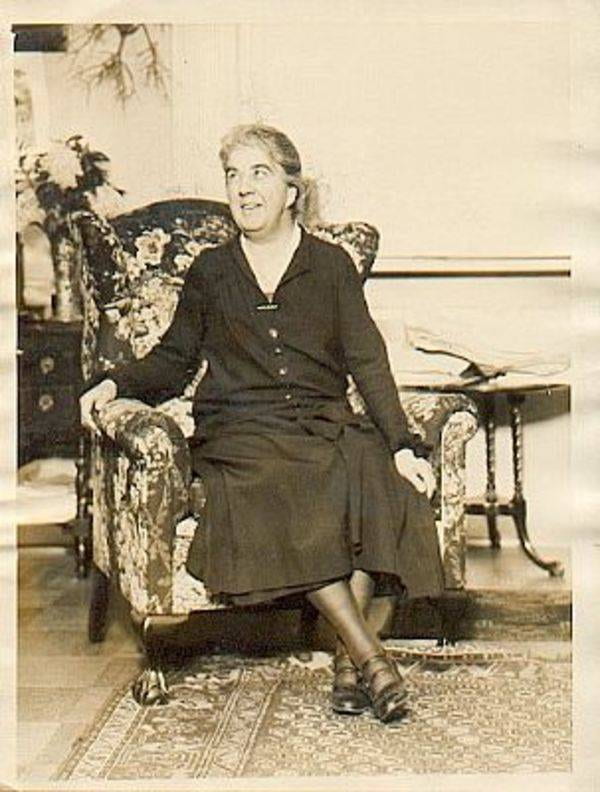
The crabapple tree stood in a lane called Lovers' Lane, just outside New Brunswick, New Jersey.
On September 16, 1922, two bodies were found beneath it.
One was Reverend Edward Wheeler Hall, an Episcopal rector.
The other was Mrs. Eleanor Reinhardt Mills, a married woman who sang in his church choir.
Both had been shot.
Mills's throat had been cut.
Near her body, someone had carved three letters: M.O.W.
Who carved them, and what they meant, the record does not say.
Did the letters name the killer?
Did they stand for a motive, a warning, a signature?
Did they mean anything at all?
That would require evidence.
The letters are documented.
Their meaning is not established by the record.
The case became a national sensation, with intense press coverage and a series of contradictory leads.
People have speculated about those three letters for decades.
They still do.
The letters remain a specific, unresolved detail, cut into the ground beside a dead woman whose throat was slit.
It is a fact that they were there.
It is not a fact what they said.
THE BODIES AND THE CHARGES
Edward Wheeler Hall was the rector of St. John's Episcopal Church in New Brunswick.
Eleanor Mills was a married woman who sang in the church choir.
Hall's wife, Frances Noel Stevens Hall, came from a wealthy local family.
Her brothers and a cousin were drawn into the case alongside her.
The prosecution's case centered on a theory: that Frances Hall, her brothers, and her cousin conspired to kill the couple.
The exact roles of the brothers and the cousin in that alleged conspiracy are not detailed in the source.
They were charged with murder, all four of them.
The defense was led by prominent attorneys.
The trial became a spectacle.
It was a spectacle of conflicting testimony.
It was a spectacle of alleged cover-ups.
A church, a choir, a wealthy family, a double murder.
The letters carved in the lane remained.
They remained a detail no one could explain.
The prosecution had its theory.
The defense had its objections.
The judge had the gavel.
The record has the charges.
That would require the trial.
THE TRIAL SPECTACLE
The trial began as a parade of contradictions.
The prosecution argued that Frances Hall, her brothers, and a cousin conspired to kill the couple.
The defense answered with prominent attorneys.
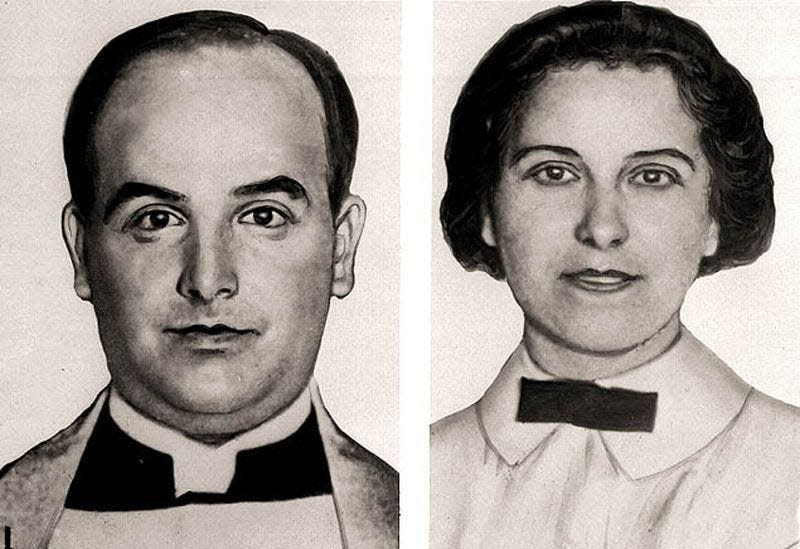
Each side summoned witnesses who told different versions of the same night.
One witness placed the accused at the scene.
Another witness placed them miles away.
The courtroom filled with reporters from across the country.
The case was a national sensation, and the press covered every session.
Cameras flashed as the accused entered and left.
The judge held the gavel over a room thick with rumor.
The prosecution called its witnesses.
The defense cross-examined them.
Then the defense called its own.
The testimony contradicted itself.
Alleged cover-ups surfaced in the questioning.
Letters were mentioned.
Motives were suggested.
Nothing held steady.
What did the witnesses actually see?
What did they hear?
What did they remember?
The record does not say.
The specific details of the testimony are not in the source.
What remains is the shape of the spectacle.
Four defendants, one theory, and a jury listening to stories that would not align.
The trial became the story.
Not the bodies under the crabapple tree.
Not the letters carved near her body.
The trial itself.
TWO STORIES, ONE SET OF FACTS
The prosecution told one story.
Frances Hall, her brothers, and a cousin conspired to kill the couple, prosecutors argued.
That was the charge against all four defendants.
The defense told another story.
The charges were built on conflicting testimony and alleged cover-ups, the defense argued.
Not on solid evidence.
Both sides used the same facts.
The bodies under the crabapple tree.
The letters carved near her body.
The family connections.
The lane itself.
The prosecution read those facts as a family's plot.
The defense read them as a case that never held together.
The trial became a spectacle of conflicting testimony and alleged cover-ups.
Witnesses contradicted witnesses.
The defense attacked the prosecution's theory point by point.
The prosecution insisted the four acted together.
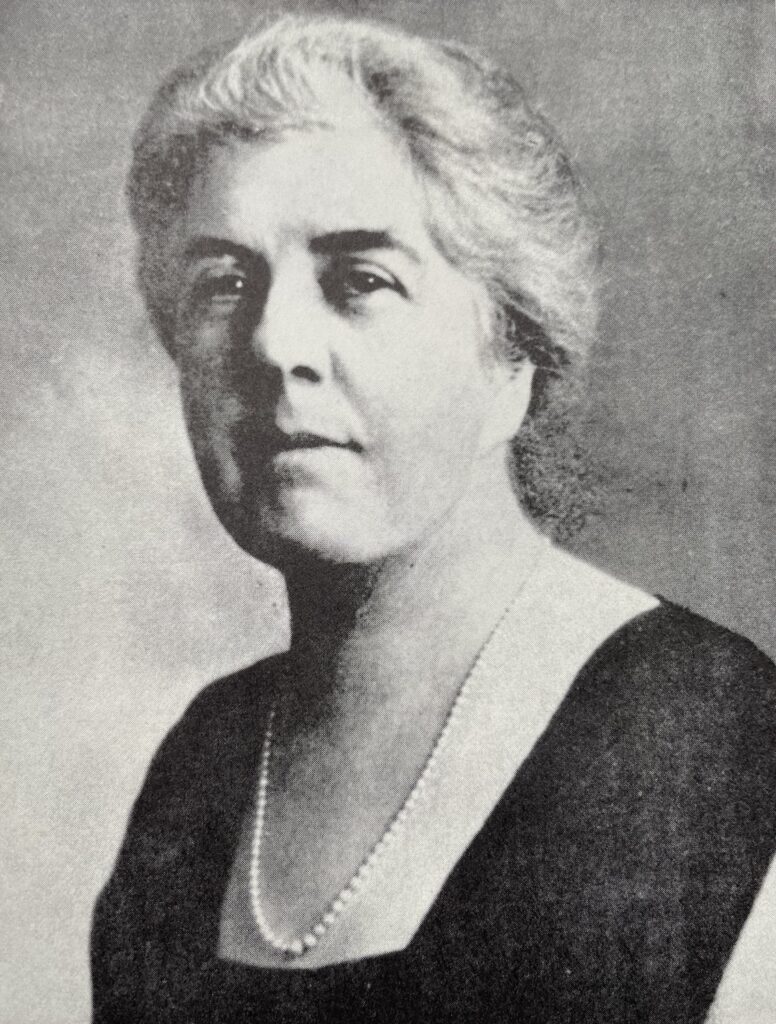
The defense insisted the record showed no such thing.
Which story was true?
Which story was false?
Which story did the jury believe?
The record does not say.
The trial ended with acquittals for all four defendants.
Frances Hall walked free.
Her brothers walked free.
Her cousin walked free.
The letters 'M.O.W.' were never definitively explained.
The prosecution's interpretation is not established by the record.
The defense's interpretation is not established by the record.
The verdict settled the charges.
It did not settle the stories.
AND THE STORY STILL ISN'T OVER
The verdict settled the charges.
It did not settle the stories.
All four defendants were acquitted of murder.
The prosecution's theory was rejected.
The defense's interpretation was not established by the record either.
The identity of the killer or killers is not established.
The letters "M.O.W." were never definitively explained.
They remain what they were on September 16, 1922: marks near a body.
What they meant, who carved them, why they were left — the record does not say.
That would require evidence.
The case remains a national sensation.
It is a sensation with a series of contradictory leads.
It is also a case with no pending hearing.
There is no motion, no motion date, no next step in the record.
The courtroom is empty.
The questions are not.
Who shot the rector?
Who cut the throat of the choir singer?
Who carved those letters?
The record does not answer.
The acquittal did not answer.
It only ended the trial.
The contradiction remains: four people charged, four people freed, and no one convicted of the killings.
Mills was on the ground below the crabapple tree.
Hall was beside her.
The letters were near her body.
The stories about them have never stopped.
The case is not solved.
It is not closed in any record the source provides.
It simply sits — a national sensation, a series of contradictory leads, a set of letters without a meaning.
Advertisement
You may also like
The ransom note demanding $118,000 that matched John Ramsey's bonus
The 911 call came at 5:52 a.m. on December 26, 1996. Patsy Ramsey told the dispatcher her 6-year-old daughter was missing. A ransom note…
The trunk stain that sent Casey Anthony to trial for Caylee's death
The car was a Pontiac, and the trunk smelled before anyone opened it. In July 2008, after Caylee Marie Anthony was reported missing, a…
The two-phase attack that began at a streetlight and ended in a hallway
The light at 82-70 Austin Street in Kew Gardens, Queens, marks the spot. Not a hallway. Not a doorway. The open street, under the…
The 911 call at 12:10 a.m. — and the glove that would not fit the timeline
The dog came back first. It was past midnight on June 13, 1994, in the Brentwood neighborhood of Los Angeles. A neighbor named Sukru…
Cell phone data put Chase Merritt near the grave site — then QuickBooks opened after the family vanished
The motorcyclist stopped because something in the sand caught his eye. It was February 2013, and he was riding near Victorville, California, in the…
The parking ticket that led police to David Berkowitz's door
It was a piece of paper, folded under a windshield wiper. A parking ticket issued near one of the Son of Sam shootings. The…