McLaren's Sepang strategy gamble backfires as Stella admits 'incorrect judgement'
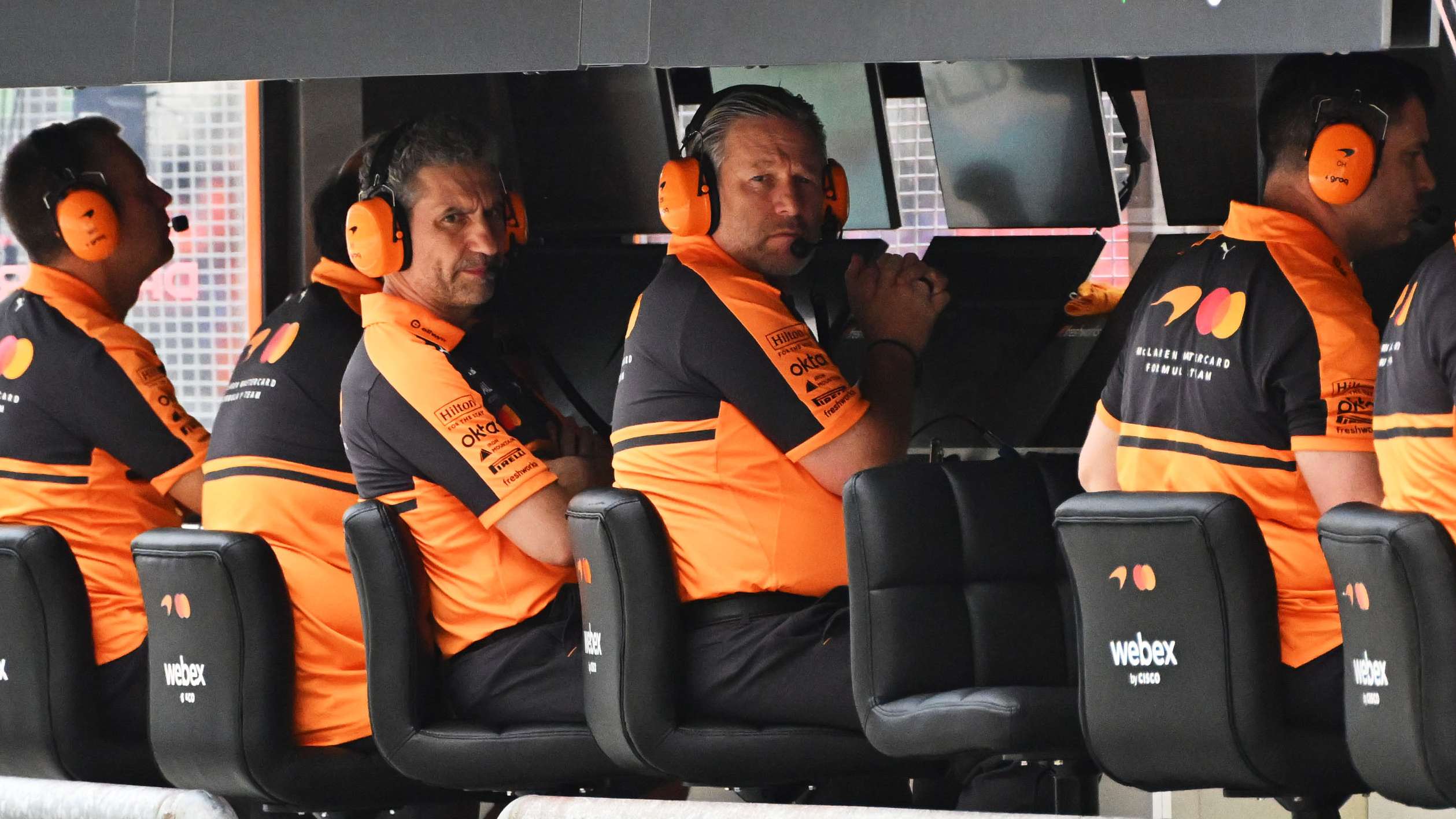
Andrea Stella has called McLaren's decision to start both drivers on medium tyres at Sepang an 'incorrect judgement', according to www.formula1.com.
The call, made for the start of the Bahrain Grand Prix in Malaysia, seemed logical at the time but was soon proved to be wrong.
"The most difficult moment was certainly at the start," Stella said. "Where it wasn't clear [was] whether the track was requiring intermediate tyres, or it would work for the dry tyres."
Stella explained that the team had observed intermediates getting damaged rapidly on the Sepang tarmac in the laps to the grid, while dry tyres were expected to work easily and switch on quickly. That assumption cost both drivers.
"As a matter of fact, it took more laps than we thought," Stella admitted. "So with Lando we lost race time, and with Oscar as well, we lost race time because we needed to pit and accept that the track was only right for intermediate tyres."
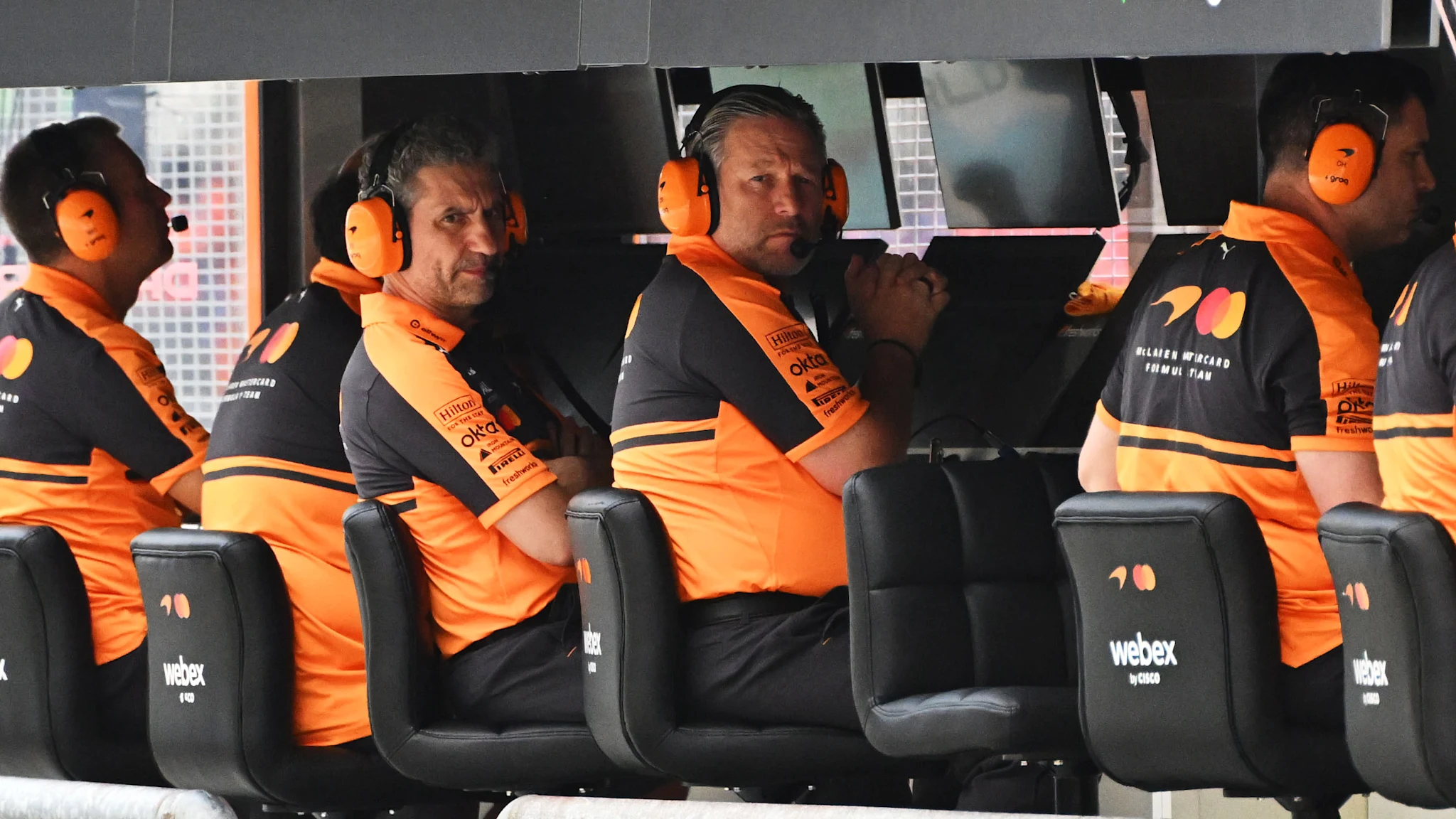
Both Lando Norris and Oscar Piastri lost time while the dry tyres failed to fire up as expected, forcing the team to change course and pit for intermediates.
THE COSTLY CALL
McLaren’s decision to start both drivers on medium tyres was rooted in Sepang’s history of drying quickly, combined with a rough surface that usually heats dry tyres and lets them work even in damp conditions. That knowledge pushed the team — and others — toward slicks.
“On this kind of tarmac already what we saw on the laps to the grid is that the intermediate tyres were getting damaged very rapidly,” Stella explained. “And also on this kind of tarmac, the dry tyres work very, very easily — much more easily than pretty much every other circuit.”
The team concluded the track was dry enough to stay out on slicks and expected the mediums to fire up quickly. They did not.
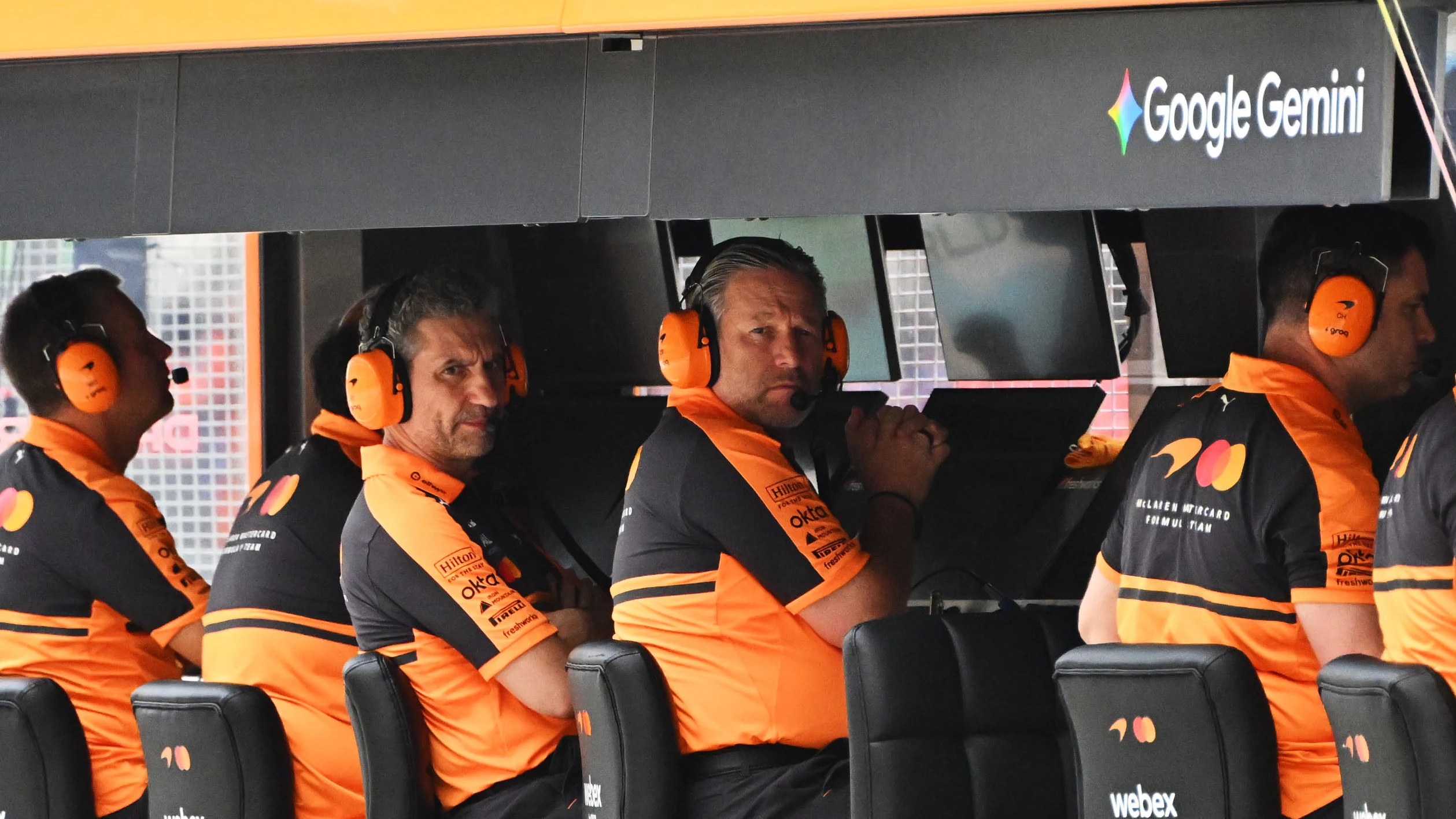
“It took more laps than we thought,” Stella admitted, with both Lando Norris and Oscar Piastri losing race time before McLaren accepted the track was only right for intermediates and pitted.
Oscar Piastri made the decisive call himself, diving in for intermediates at the end of the second formation lap. It cost him his grid position — but put him on the right rubber. The slicks runners struggled so badly that by the end of the first flying lap he was already back up to P10, just four spots shy of where he started.
Norris, still on dry tyres, tumbled to P15, losing huge chunks of time on every lap.
THE FALL AND RECOVERY
Piastri made the decisive call himself, pitting for intermediates at the end of the second formation lap. It threw away his grid position, but put him on the right tyres at the right moment.

The slicks runners struggled so much that by the end of the first flying lap, Piastri was back up to P10 — just four spots shy of where he started. Norris, still on dry tyres, tumbled down to P15, losing huge chunks of time on every lap as the conditions bit.
McLaren were one of several teams where one driver pitted, a sign of how widespread the strategy confusion had become. The call to split the cars was forced, not planned, and it left the team scrambling to limit the damage.
The race day at Sepang was painful for McLaren, though not as bad as Baku eight days earlier. But P6 for Piastri and P9 for Norris was not what the team needs or expects, and the time lost on the wrong tyres had cost them any chance of more.
THE BIGGER PICTURE
Eight days after leaving Baku empty-handed, McLaren walked out of Sepang with points but little comfort. P6 for Oscar Piastri and P9 for Lando Norris was a salvage job, not a result — and the team knows it.

The strategy error did more than cost positions. It cost race time on a day when every lap mattered, and it likely surrendered better finishes that the car had earned. Stella's admission of an "incorrect judgement" cuts to the heart of why this hurts: in mixed conditions, tyre calls are the highest-stakes decision a pit wall makes, and McLaren got the biggest one wrong.
What makes it worse is the pattern. This was the second painful race day in a row, and the team's performance at Sepang shows they are struggling to meet their own expectations. The car was quick enough to fight higher up, but the call to start both drivers on mediums — logical in the garage, wrong on the track — left them chasing the race instead of leading it.
Stella's explanation is telling. He described the start as "the most difficult moment" at the pit wall, with the team convinced the dry tyres would switch on rapidly. They did not, and both drivers paid for it.
For a team with McLaren's ambitions, results like these are not acceptable. The points at Sepang softened the blow, but the underlying issue remains: on days when conditions are ambiguous, McLaren are making the wrong calls. That is a problem no amount of raw pace can fix.
WHAT TO WATCH NEXT

There is no confirmed date for McLaren’s next race in the source material, and the team has not announced any upcoming event. Any speculation about the calendar remains unconfirmed.
What is certain is that McLaren need to regroup. Two consecutive disappointing race days — a scoreless Azerbaijan Grand Prix followed by the Sepang strategy failure — have left the team chasing its own expectations. The car was quick enough to fight higher up, but the calls from the pit wall are not matching the pace on track.
The likely response, per Stella’s own explanation, is a review of how the team makes tyre decisions when conditions are ambiguous. He described the start as the most difficult moment, and admitted the belief that the dry tyres would switch on rapidly was wrong. That process — observing track conditions, weighing history against the moment, and committing — is where the fix will have to come.
Stella’s words suggest the focus will be on improving decision-making rather than questioning the car’s speed. The underlying issue is not raw pace; it is choosing the right rubber at the right time.
Fans will be watching to see how McLaren respond at the next race, though no date is given in the source. What is clear is that the team cannot afford another day like Sepang. The pattern is set, and the pressure is on.
Advertisement
You may also like
The $50,000 ransom note found on a nursery windowsill — and the carpenter who would stand trial
The nursery window was open. On the evening of March 1, 1932, Charles Lindbergh Jr., the 20-month-old son of aviator Charles Lindbergh and Anne…

The bedspread fibers that tied Wayne Williams to two Atlanta river murders
He was 23, a freelance photographer and music promoter, stopped on a bridge over the Chattahoochee River. The sound came first: a loud splash,…

The $100,000 payment for eleven children's graves that haunted a Canadian police force
November 1980. A child disappears from a community in British Columbia's Lower Mainland. The record does not give a specific date for that first…
A confession, a hunting knife, and the details only the killer could know in the 1964 Genovese case
The knife was a hunting knife, and it was recovered only after the confessed killer led police to where he had disposed of it,…
The blood-written word that turned a mother into a voice for victims
The housekeeper arrived that morning and found the front door marked with a word written in blood. The word was "PIG." On the night…

Coco Gauff Fights Back After Racist Abuse Over Replayed Point at China Open
Coco Gauff shared a post on X hitting back at racist abuse she received online after her China Open win over Sun Xinran in…