One cell phone record, one witness, and the Baltimore murder case that still splits the jury room
She was supposed to be at the daycare by three.
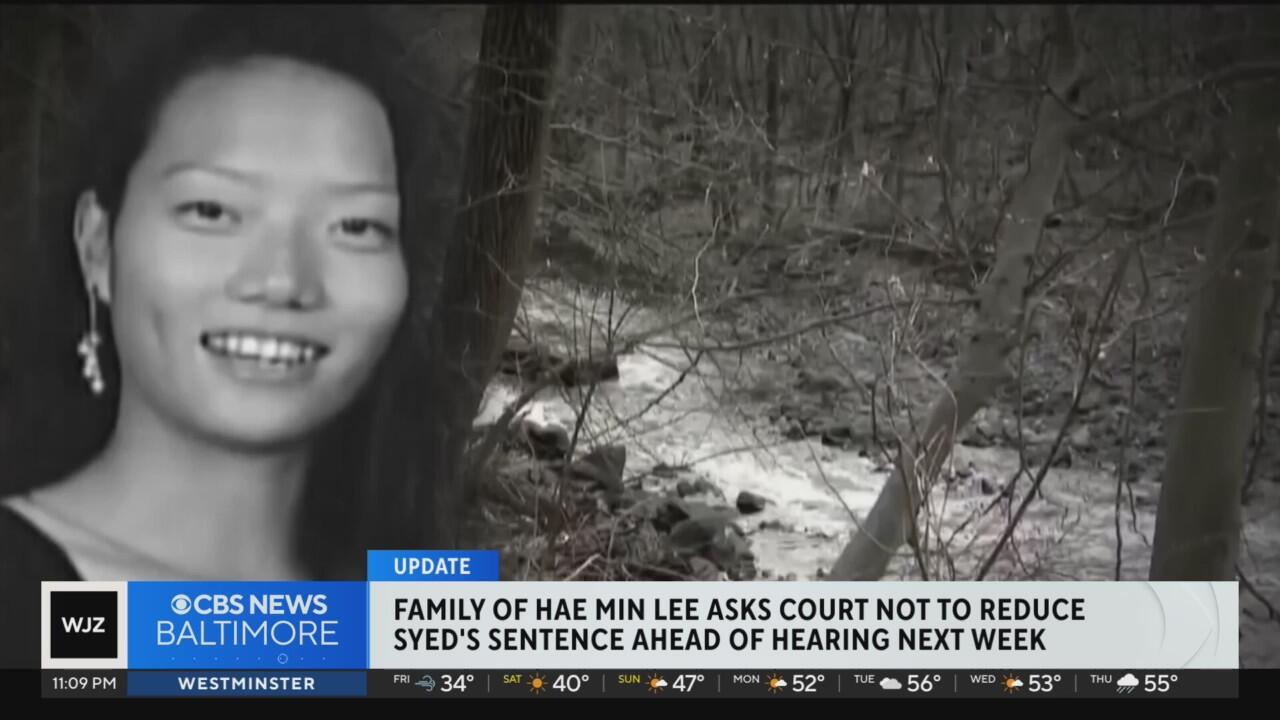
Hae Min Lee, an 18-year-old senior at Woodlawn High School, never showed up.
Her cousin waited.
The first sign something was wrong was not a scream or a struggle.
It was an empty parking spot, a missed pickup, an errand left undone.
On January 13, 1999, Lee failed to collect her cousin from daycare.
That was the ordinary detail that began the case.
For weeks, the search was for a missing person.
Flyers, phone calls, a family waiting.
Her body was found on February 9, 1999, in Leakin Park in Baltimore City.
The medical examiner ruled the cause of death: manual strangulation.
Her car turned up later, abandoned in a residential neighborhood in Baltimore.
Not the park.
Not the school.
A street in a city where she did not live.
What happened between the missed pickup and the discovery in the park?
That gap became the hinge of everything that followed.
The exact time of death is not established in the record.
No one can say, from the evidence, when she died that day.
Only that she was there, and then she was not.
The errand was small.
The weight of it was not.
THE WITNESS AND THE PHONE
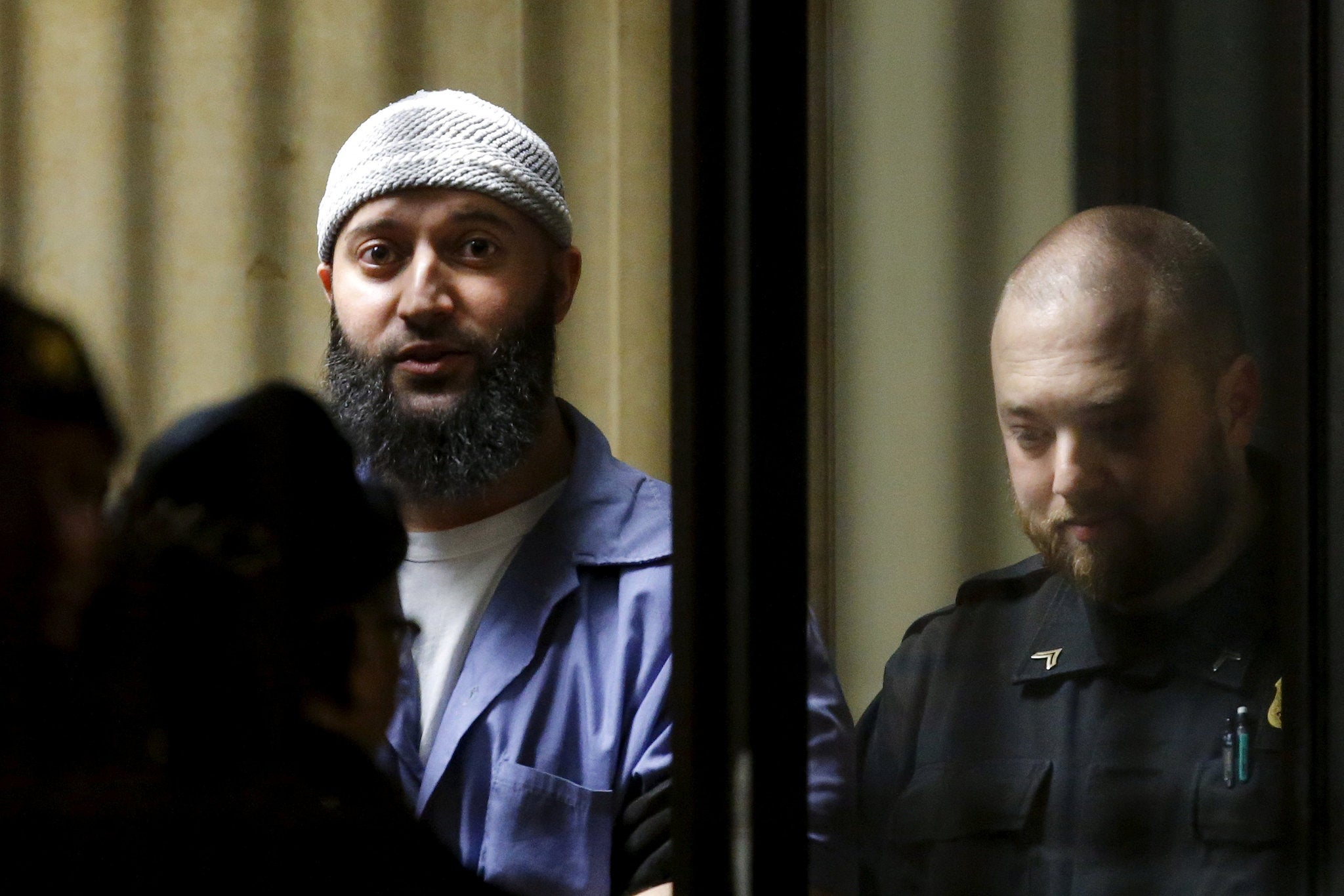
Adnan Syed was arrested on February 28, 1999, and charged with first-degree murder.
He was Lee's ex-boyfriend and a classmate at Woodlawn High School.
The key witness was Jay Wilds, an acquaintance of Syed's.
Wilds testified that Syed showed him Lee's body and her car on the day of the murder.
That testimony placed Syed at the scene and gave the prosecution its narrative.
Cell phone records from Syed's phone were used to corroborate Wilds' timeline.
The records showed calls and the towers they pinged.
The exact content of those records — which calls pinged which towers — is not detailed in the source.
The defense argued the cell tower data was imprecise.
The defense argued Wilds' testimony was inconsistent.
No physical evidence linked Syed to the crime scene.
No DNA.
No fingerprints.
The case was built almost entirely on Wilds' testimony and the cell records.
One witness.
One phone log.
That was the foundation.
How solid was it?
That would require evidence.
The trial would begin in October 1999.
The prosecution would present Wilds as its primary witness.
The defense would argue Wilds was the actual killer.
The jury would hear the calls and the pings and the story of the day.
The weight of the case rested on what one man said and what one phone logged.
Nothing else.
THE TRIAL AND THE VERDICT
The trial began in October 1999.
The prosecution presented Wilds as its primary witness.
It presented the cell phone records alongside him.
It presented the story of the day: the errand, the body, the car, the pings.
The defense, led by Cristina Gutierrez, argued the opposite.
She argued that Wilds was the actual killer.
She argued that Syed was being framed.
She argued that the cell tower data was imprecise and that Wilds’ testimony was inconsistent.
The jury heard both versions.
The jury deliberated.
The source does not describe what happened inside the deliberation room.
That process is not established.
On February 25, 2000, the jury found Syed guilty of first-degree murder.
He was sentenced to life in prison plus 30 years.
It was final.
It was heavy.
It was the end of one story and the beginning of another.
Syed’s appeals were unsuccessful for years.
He claimed ineffective counsel.
He claimed prosecutorial misconduct.
The courts did not agree.
Not for 2000.
Not for 2001.
Not for years after that.
The verdict stood.
The conviction stood.
The sentence stood.
It would take more than two decades to move it.
THE RECORD AND THE REVERSAL
In 2016, a post-conviction court granted Syed a new trial, citing ineffective assistance of counsel.
That decision was later overturned on appeal.
The conviction stood again.
Then, in September 2022, a Baltimore City Circuit Court judge vacated Syed’s conviction.
Prosecutors had acknowledged problems with the case.
They cited the reliability of the cell phone evidence.
They cited the failure to disclose information about Wilds.
The record had shifted.
In October 2022, prosecutors moved to drop all charges.
They cited new DNA evidence that excluded Syed.
They cited the unreliable cell phone data.
The specific DNA evidence that excluded Syed is not detailed in the source.
That detail is not established.
The charges were formally dropped.
Syed was freed after serving more than 23 years.
He walked out of the legal record with his conviction gone.
The Lee family has expressed ongoing grief and frustration with the legal process.
They have maintained their belief in Syed’s guilt.
Syed has maintained his innocence throughout.
The legal outcome and the family’s belief do not align.
That tension remains unresolved.
The record says one thing.
The grief says another.
AND THE STORY STILL ISN'T OVER
The record does not say what happens next.
No future hearings, no new filings, no further decisions appear in the case file.
That is not established.
What remains is the debate.
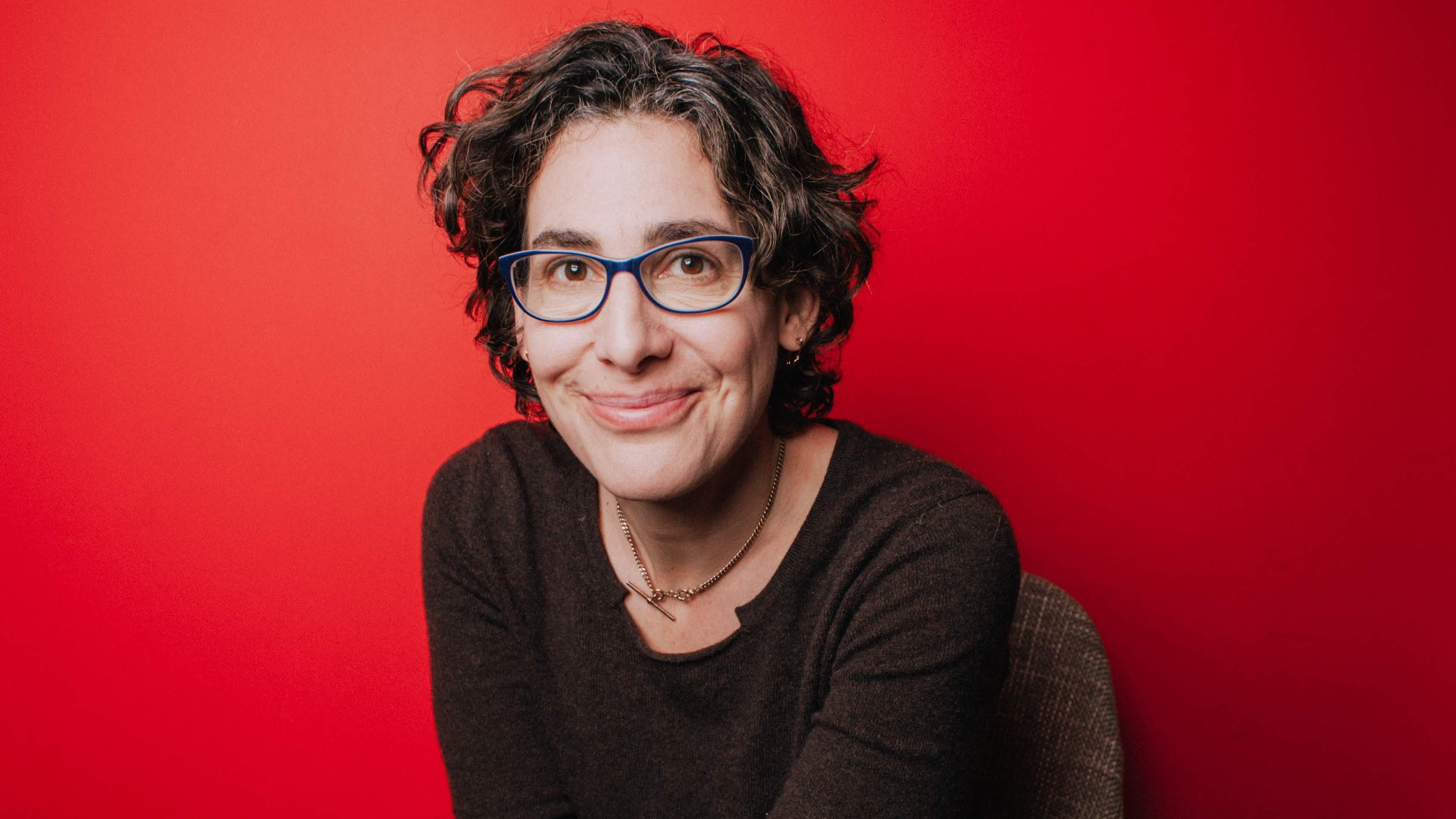
*Serial*, hosted by Sarah Koenig, raised questions about the evidence and the fairness of the trial.
It brought the case to a global audience.
Listeners weighed the cell tower pings.
They weighed the single witness.
They weighed a conviction built without physical evidence.
The questions from the podcast still hang in the air.
They are questions, not answers.
The record does not resolve them.
Syed has maintained his innocence throughout.
He said it before the trial.
He said it after the verdict.
He said it after the charges were dropped.
The Lee family continues to express grief and frustration with the legal process.
They maintain their belief in his guilt.
The grief is in the record.
The frustration is in the record.
The belief is in the record.
What the record does not establish is who is right.
That would require evidence the case file does not contain.
The public debate continues.
It is a debate about reliability.
It is a debate about fairness.
It is a debate about a single cell phone record and one witness.
The story is not closed.
It is open.
It remains open.
Advertisement
You may also like

The 1976 Sacramento rapes that led to a 40-year hunt for a serial predator
It began with reports of a man who slipped through bedroom windows in the Sacramento area of California. The first rapes were reported in…

The Mississippi murder trial where a witness pointed at two men — and the jury still walked them free
The courtroom in Sumner, Mississippi, was quiet. Moses Wright stood and raised his arm. He pointed at Roy Bryant. He pointed at J.W. Milam.…

The fiber evidence that linked a photographer to two river murders — and the trial that hinged on it
The officers were on a bridge over the Chattahoochee River when they heard the splash. It was May 22, 1981, and they saw a…
The jailhouse confession that cracked the Manson case — and the witness who changed everything
Somewhere in the Los Angeles County jail, a woman named Susan Atkins started talking. She was jailed on unrelated charges, a member of the…
Why the defense said Muhammad wasn't at the scene — and the jury still convicted
The Chevrolet Caprice was parked at a rest stop near Myersville, Maryland, when police arrested two men sleeping inside. In the trunk, officers found…
The dog kennel video that shattered a lawyer's alibi in the Murdaugh murders
It begins with a dog kennel. Investigators obtained cellphone video from the kennel on the Murdaugh family’s hunting estate in Colleton County, South Carolina.…