The psychologist's patient who said she overheard a confession that broke the Menendez case
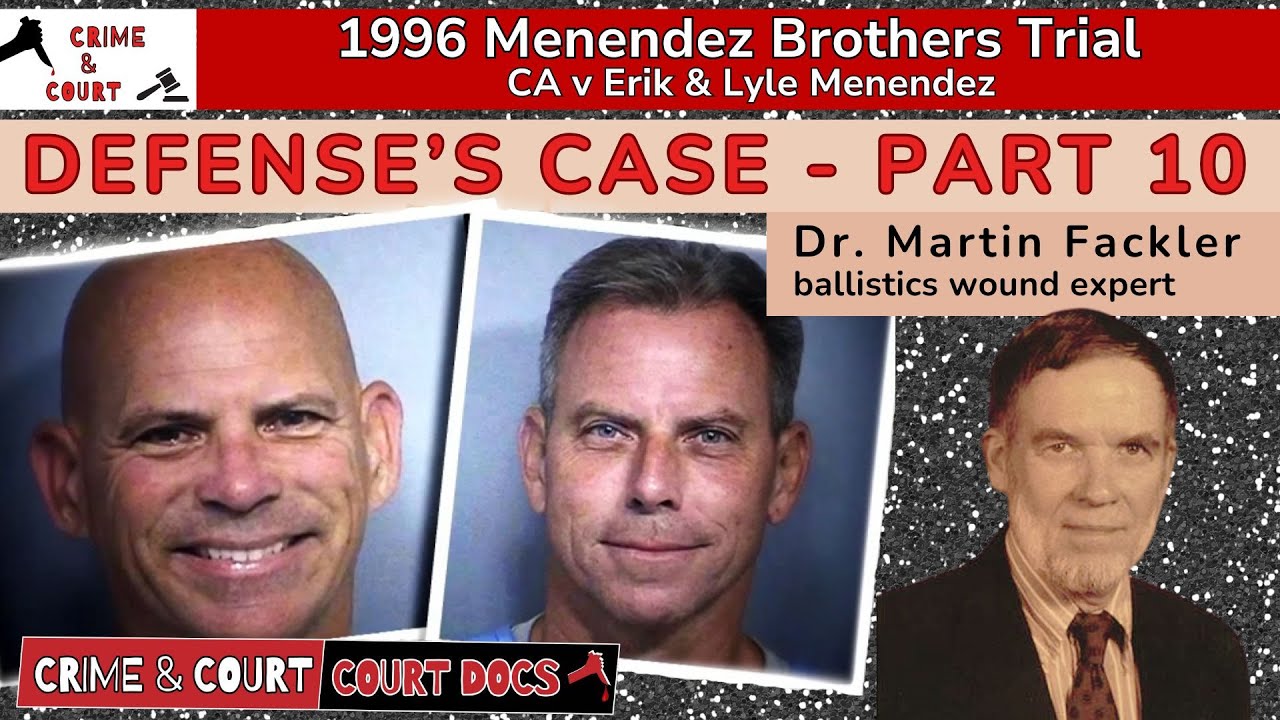
Judalon Smyth told police she heard Erik Menendez’s voice through a door.
She was a former patient of Dr. Jerome Oziel, the brothers’ psychologist.
The confession was made to Dr. Oziel during a therapy session, not to police.
Smyth said she overheard parts of it.
Her account led to the arrests of Lyle and Erik Menendez in March 1990.
Did she hear everything?
Did she hear enough?
Did she hear anything at all?
The record does not establish whether she overheard the entire confession or only fragments, and it does not establish that her account was fully accurate.
She testified at trial.
Her testimony was a key part of the prosecution’s case.
Her reliability was challenged in court.
The defence attacked her credibility, pointing to her relationship with Dr. Oziel and the circumstances of her cooperation.
She was his former patient.
She was also, at the time, living in his home.
The prosecution needed her to make the confession real to the jury.
Without her, the confession existed only in Dr. Oziel’s account of what Erik told him.
Dr. Oziel had his own reasons to be doubted.
He had tape-recorded parts of the sessions.
He had also, according to trial testimony, told Smyth about the confession before she went to police.
The order of events mattered.
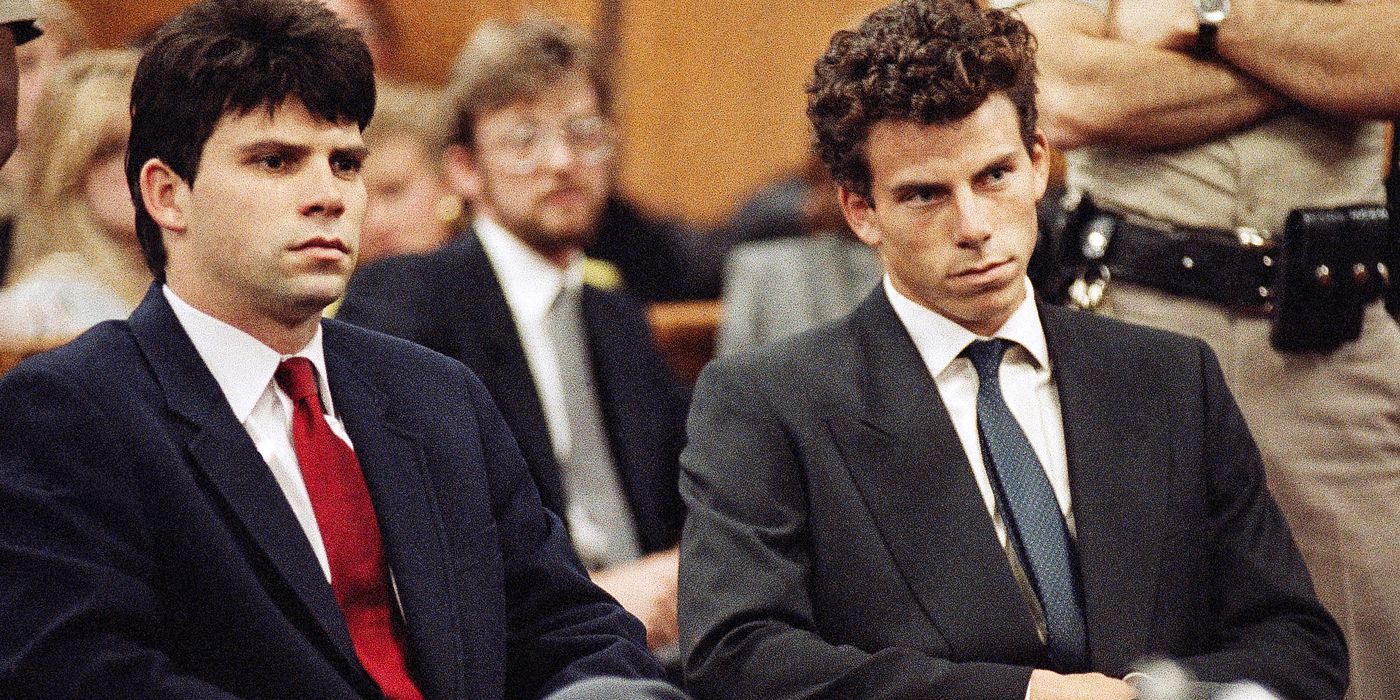
Who heard what first?
That would require evidence.
The jury heard her version.
They heard the challenge to it.
In the first trial, they could not agree.
In the retrial, they believed enough to convict.
She was on the stand.
The words were hers.
The case turned on them.
THE NIGHT OF AUGUST 20, 1989
The 911 call came in at 11:47 p.m.
Lyle, 21, told the dispatcher his parents had been shot.
He said he and Erik, 18, had been out and returned to find the bodies.
The police found José Menendez in the den.
Kitty Menendez was on the ground below him.
José, an entertainment executive at RCA Records, had been shot multiple times, including in the back of the head.
Kitty had also been shot multiple times.
The scene was violent, but the brothers' story was calm.
They told police they believed the killings were a mob hit.
José had business connections, the kind that could breed enemies.
The initial investigation followed that theory.

It was a theory the record does not establish.
Two Mossberg 12-gauge shotguns had been purchased days before the murders.
The guns were bought by the brothers, according to weapon evidence.
That fact did not surface in the first hours.
The brothers spent the night at a friend's house.
They were not arrested.
The exact sequence of events inside the house that night is not established.
No independent witnesses were present.
Only the brothers knew what happened in the den.
They said they were out.
They said they came home to horror.
The shotguns said something else, but not yet.
THE SPENDING SPREE AND THE SESSION
The spending spree drew attention.
New cars, Rolex watches, a restaurant in Princeton — the purchases were documented and later put before the jury.
The brothers were not yet suspects when Erik began confiding in his psychologist, Dr. Jerome Oziel, during a session.
Oziel's former patient, Judalon Smyth, later told police she had overheard parts of the confession.
Her account helped lead to the arrests in March 1990.
The exact content of the confession as Smyth overheard it is not established.
Whether Oziel's testimony was fully corroborated is also not established.
She testified about what she heard.
:max_bytes(150000):strip_icc():focal(749x0:751x2)/pamela-bozanich-menendez-trial-100724-3-4020c329cace46f0917d36d6ad7e7962.jpg)
He testified about what Erik told him.
The prosecution's case relied heavily on both.
The spending spree was the motive, prosecutors argued; the Oziel testimony was the confession.
Not because the brothers were seen with shotguns.
Because they were seen with sushi restaurants and tennis rackets.
The defense would later argue the spending was grief, not greed.
That would require evidence.
The records show the purchases.
The records show the session.
What Smyth actually heard through that door — the words, the order, the tone — remains a matter of testimony, not tape.
She was on the stand.
So was Oziel.
The jury heard both.
THE TWO STORIES IN COURT
The defense called it survival.
Leslie Abramson, for Erik, and Jill Lansing, for Lyle, argued self-defense.
They said the brothers acted out of years of sexual abuse by their father and a genuine fear their parents were about to kill them.
Relatives and friends took the stand to describe the abuse the brothers alleged.
The prosecution answered with money.
Pamela Bozanich, and later David Conn, argued the motive was inheritance.
The abuse claims, they said, were fabricated.
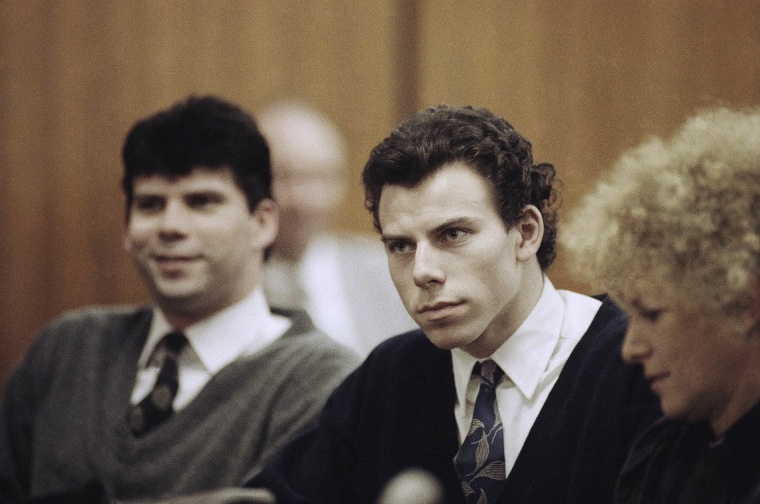
The brothers spent lavishly after the murders; the prosecution pointed to the cars, the watches, the restaurant.
The first trial began in 1993.
It was televised, and it became a media sensation.
Judalon Smyth was on the stand.
So was Dr. Jerome Oziel.
The jury heard both.
The jury heard the confession Smyth said she overheard.
The jury heard Oziel's account of the session.
It heard the defense's story of fear.
It heard the prosecution's story of greed.
The first jury deadlocked.
A mistrial was declared in 1994.
The retrial changed the shape of the case.
Judge Stanley Weisberg excluded much of the abuse testimony.
The defense shifted to a diminished-capacity argument.
Whether the abuse allegations were true was not established in that second trial.
The jury no longer heard most of that evidence.
That question remains open.
It was a question the first jury could not resolve.
It was a question the second jury was not allowed to weigh.
Two narratives competed in court.

One was about what the brothers feared.
One was about what they gained.
The jury had to choose.
The law gave them two trials to do it.
AND THE STORY STILL ISN'T OVER
The retrial judge, Stanley Weisberg, narrowed the frame.
He excluded much of the abuse testimony the first jury had heard.
The defense shifted to a diminished-capacity argument, a different story for a different room.
In 1996, both brothers were convicted of first-degree murder.
They were sentenced to life in prison without the possibility of parole.
They have been in custody since 1990, serving those sentences at separate California prisons.
For decades, the case sat where the verdict left it.
Then 2023 brought a documentary and renewed public interest.
Their attorneys filed a habeas petition citing new evidence of abuse, including a letter Erik allegedly wrote to a cousin.
The petition argues the old verdict should not stand.
It argues the jury never heard the full record.
As of the latest reports, the petition remains pending.
The brothers remain incarcerated.
Did the new evidence change anything?
Did it change the story the jury chose?
Did it change what Judalon Smyth said she overheard?
The record does not establish that it did.
The petition is pending, and the verdict stands.
That is what the record shows.
That is what remains.
Advertisement
You may also like
In Casey Anthony trial, the trunk evidence that split the courtroom
The trunk of the car was opened in a garage in Orlando, and the air that came out had a smell that witnesses later…
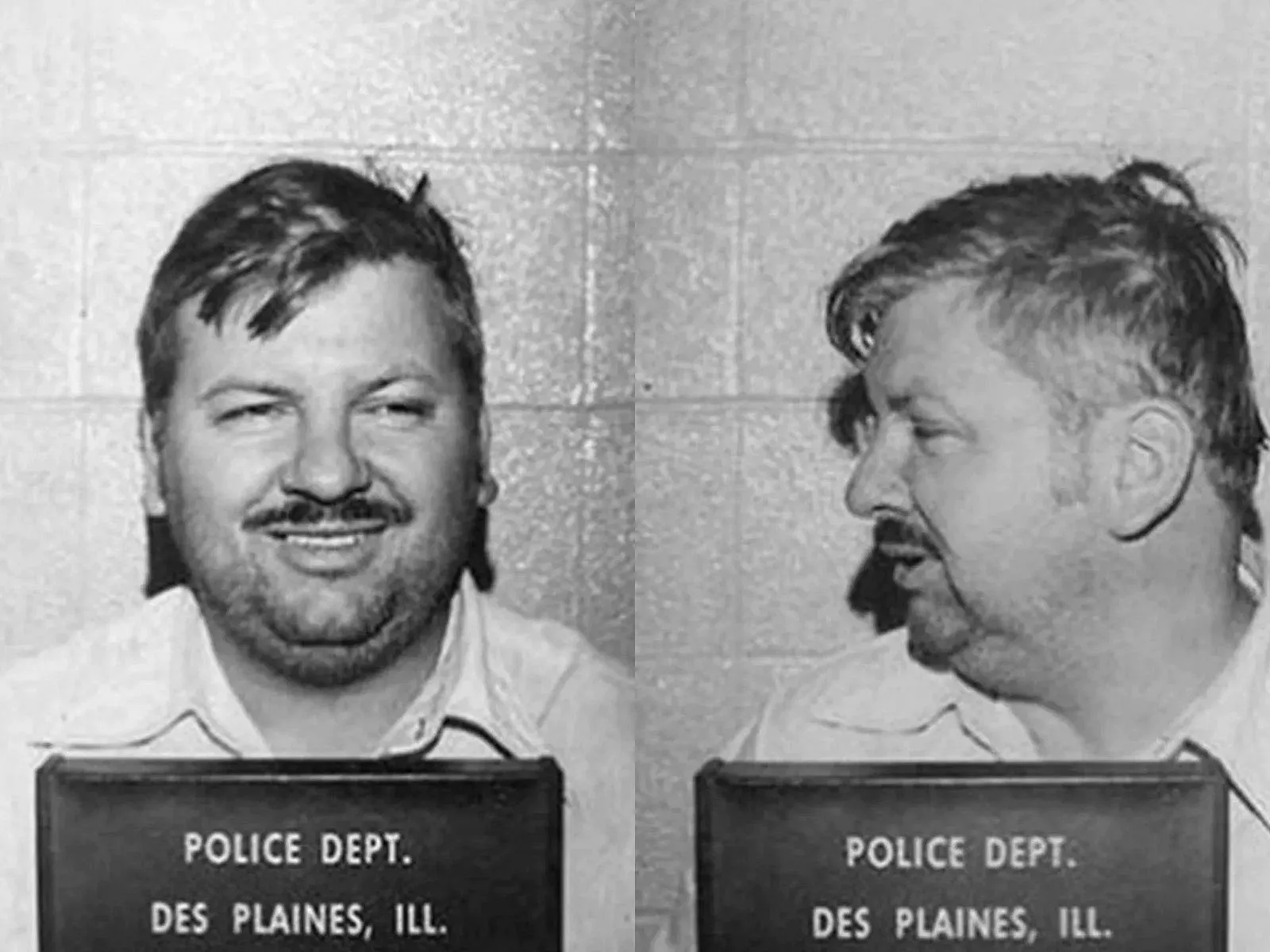
The pharmacy receipt that tied John Wayne Gacy to Robert Piest's vanishing
The pharmacy receipt was found in John Wayne Gacy's home. It was found after Robert Piest, a teenager, was last seen at a pharmacy…
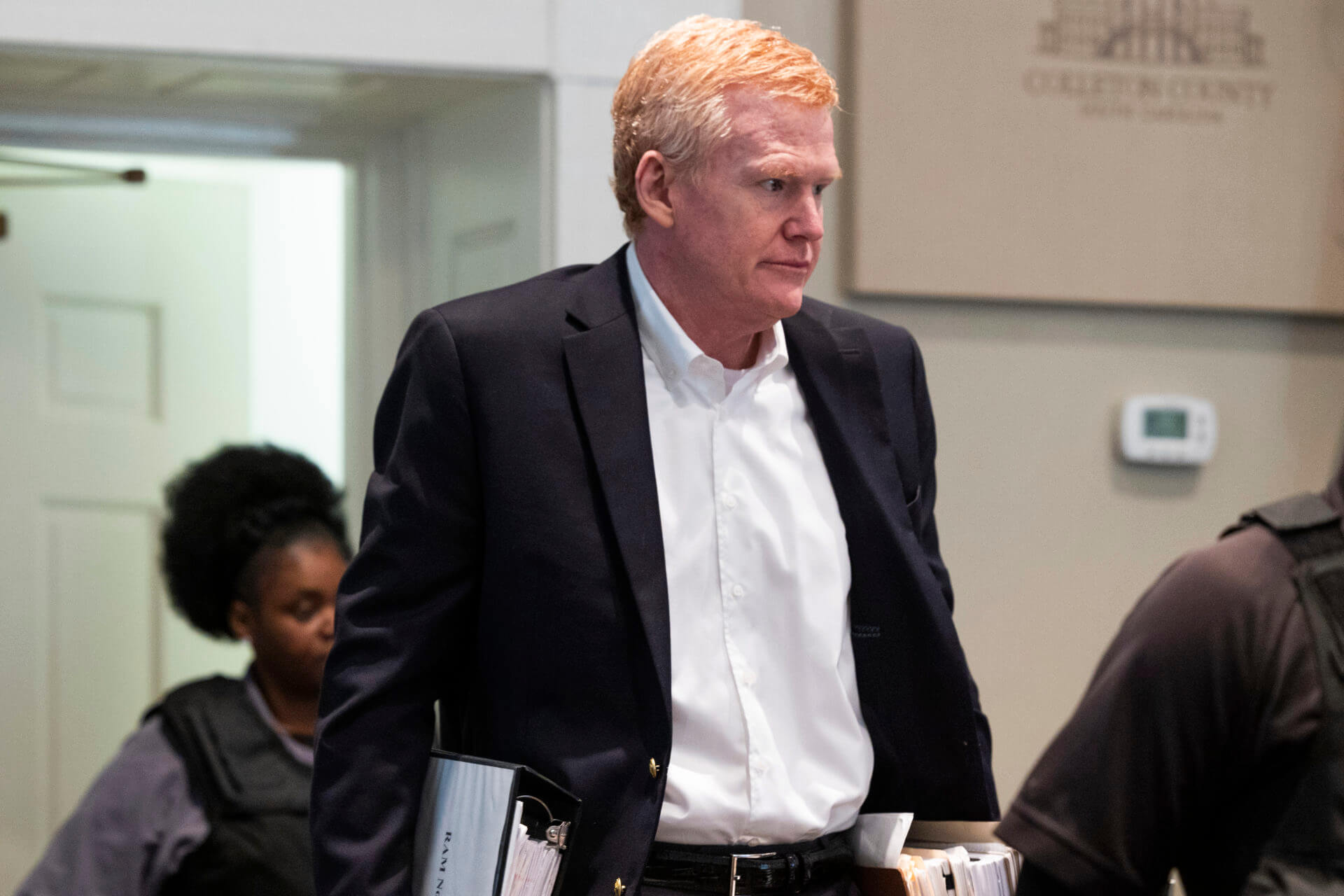
The 8:44 p.m. video on Paul's phone that placed Alex Murdaugh at the kennels
The phone was in Paul Murdaugh’s hand, or near it, at 8:44 p.m. on June 7, 2021. The video it recorded captured voices. Investigators…
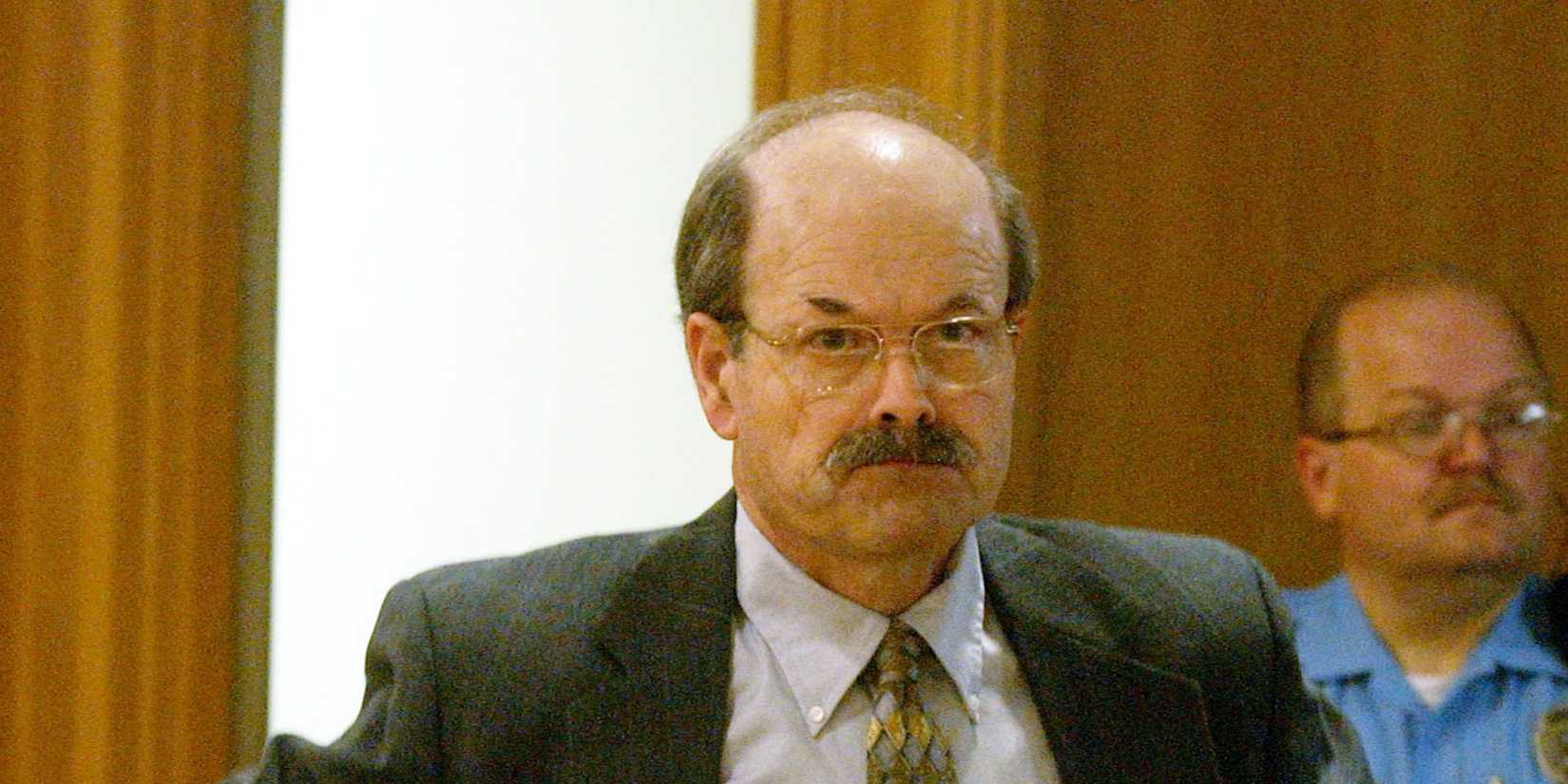
Why the BTK killer's floppy disk question sealed his fate — and the trial that followed
The question came in the middle of a taunting exchange, years after the silence ended. In 2004, Dennis Rader resumed sending letters to Wichita…
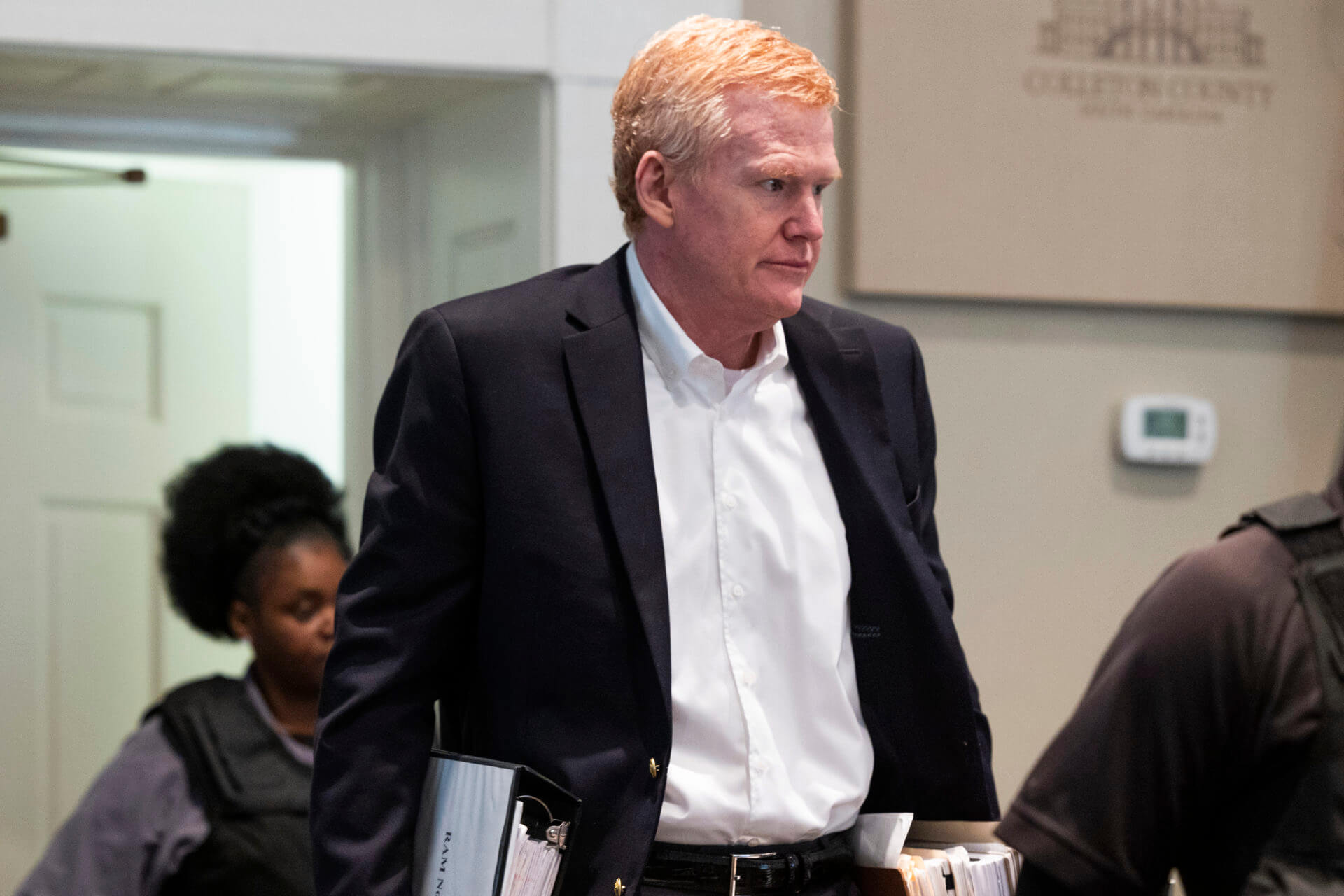
The cell phone video that put Alex Murdaugh at the kennels — and shattered his alibi
On June 7, 2021, Paul Murdaugh and his mother, Maggie, were found shot to death at the family's hunting estate, Moselle, near Islandton, South…
FBI says Laundrie's notebook admitted to Petito's killing — yet full contents never released
A notebook was found near Brian Laundrie’s remains in Myakkahatchee Creek Environmental Park, Florida, on October 20, 2021. A gun was found nearby, and…