The severed head in a canal that identified a missing boy — and the confession that never went to trial
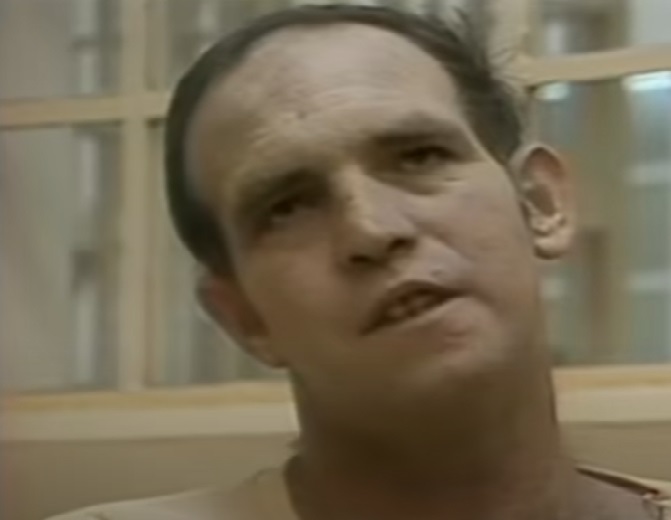
The video games were the last thing Adam Walsh watched.
On July 27, 1981, the six-year-old was at the Sears store in the Hollywood Mall, Florida, with his mother, Revé Walsh.
She left him watching other children play the machines while she walked to a nearby lamp department.
Minutes later, she came back.
Adam was gone.
The store was searched.
Police were called.
A witness reported seeing a boy matching Adam's description being led away by two men.
That sighting was never confirmed.
The identity of those two men is not established.
What happened in those minutes is not established.
Revé was not far.
A lamp department is not far.
A child disappears in the time it takes to look at lamps.
The store was not secured as a crime scene.
Police treated it as a missing-person matter.
The game went on.
Other children kept playing.
Adam did not.
The witness report hangs over everything, a loose thread no one ever pulled tight.
No trial would ever pull it tight.
No charge would ever name the men.
The minutes stretched.
The store emptied.
The search moved outward, into the mall, into the parking lot, into the heat of a Florida July.
Adam was gone before anyone knew what gone meant.
THE CANAL
On August 10, 1981, a severed head was found in a drainage canal along the Florida Turnpike in Vero Beach, about 120 miles from the Hollywood Mall.
The head was identified as Adam Walsh’s through dental records.
His body was never recovered.
The discovery ended the search in the worst way possible.
It also began a new one: for the rest of a boy that no one ever found.
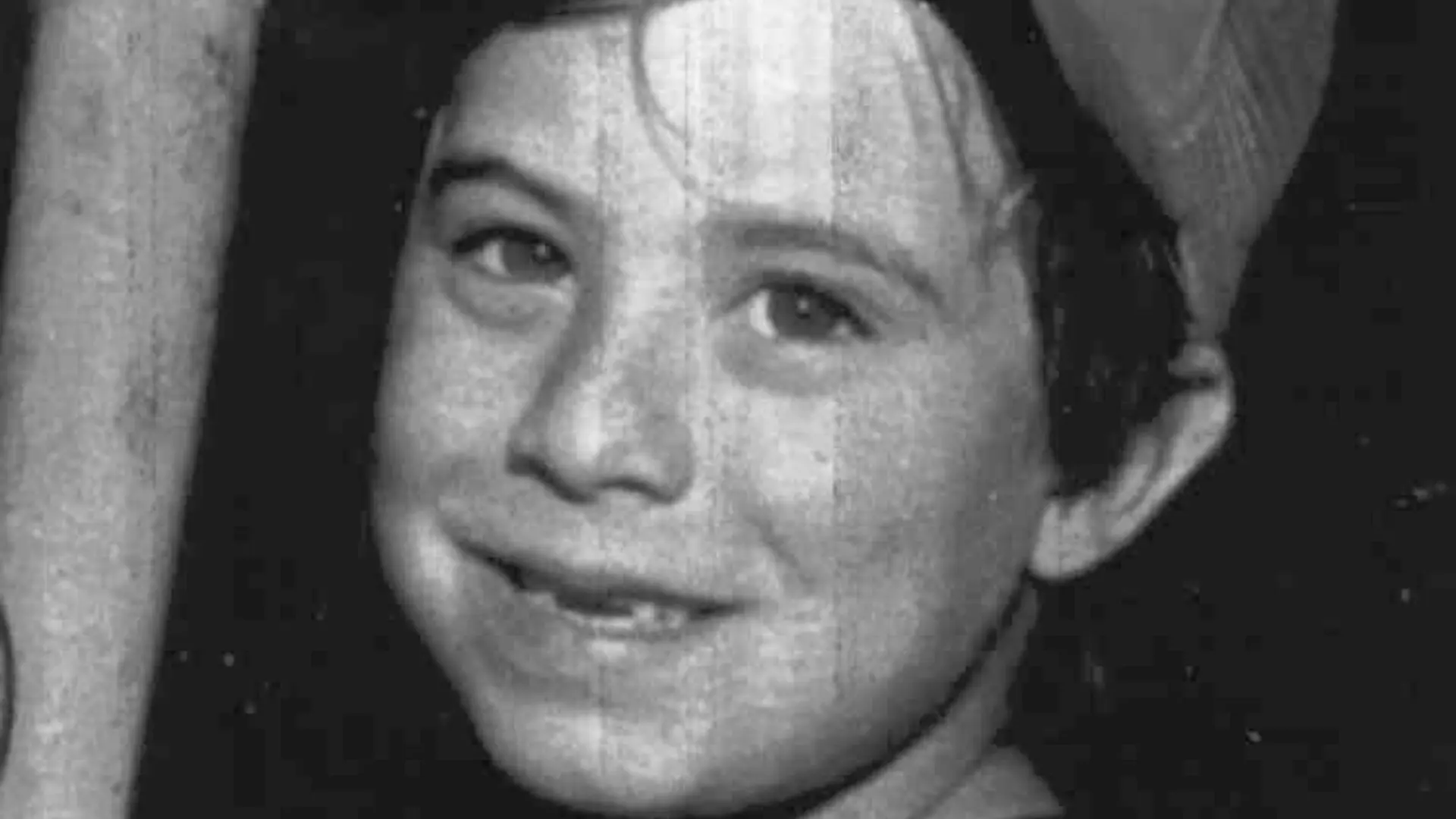
The initial investigation had been marked by confusion and missteps.
Police treated the case as a missing-person matter.
The Sears store was not secured as a crime scene.
A witness reported seeing a boy matching Adam’s description being led away by two men, but that lead was never confirmed.
What was examined, what was logged, what was lost in those first hours—the record does not say.
Over the years, police pursued numerous leads and suspects.
Each one came and went.
None produced a body.
None produced a charge.
The cause of death and the circumstances of the murder are not in the record.
Not because they were forgotten.
But because they were never established.
How does a store become a crime scene hours too late?
How does a child vanish between video games and a lamp department?
That would require evidence.
The canal held only part of the answer.
The rest of Adam Walsh stayed missing.
THE CONFESSIONS
He was a drifter and a convicted serial killer.
In the 1980s, Ottis Toole confessed to the crime on multiple occasions.
His confessions were inconsistent.
He later recanted.
He was never charged.
There was no trial.
In 1996, Hollywood Police Chief Rick Stone announced that Toole was the killer.
Stone cited new evidence.
There was a statement from Toole's niece.
There was a car matching the description Toole had given.
The announcement came after Toole's death.
Toole was already serving a life sentence for other murders.
He died of liver failure in prison in September 1996.
So the official answer was announced by a man who could not answer back.
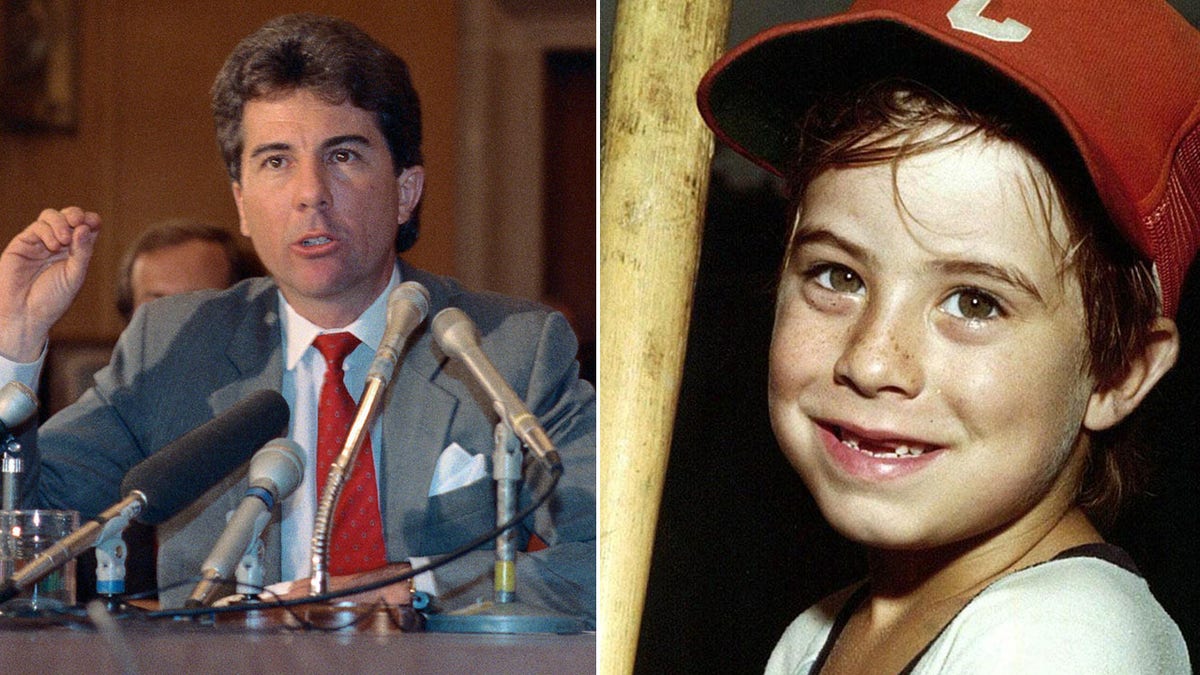
The confession shifted.
The confession was recanted.
The confession was never tested in court.
The specifics of Toole's confessions are not in the record.
The details of the new evidence are not in the record.
What remains is a police chief's word.
What remains is a niece's statement, unverified in any public proceeding.
What remains is a car, matched to a dead man's description.
That would require evidence.
That would require a trial.
Neither is in the record.
The canal held only part of the answer.
The rest of Adam Walsh stayed missing.
The rest of the case rested on a confession that kept changing shape.
It was the basis for closure.
It was also the basis for unease.
NO TRIAL
There was no trial.
Ottis Toole was never charged with Adam Walsh's murder.
He was already serving a life sentence for other murders when he died of liver failure in prison in September 1996.
The confession that kept changing shape was never tested in court.
No prosecutor presented it. No defence attorney challenged it. No jury weighed it.
In 1996, police in Hollywood, Florida, announced that Toole was the perpetrator.
The case had remained unsolved for over a decade by then.
The announcement cited new evidence: a statement from Toole's niece, and a car matching the description Toole had given.
It was an announcement, not a verdict.
It is the closest the case ever came to a conclusion.
The Hollywood Police Department officially closed the case in December 2008, declaring Toole the sole perpetrator.
The lead detective in the original investigation came from the Hollywood Police Department.
The medical examiner who identified the remains came from the Broward County Medical Examiner's Office.
The record does not establish any alternative suspect.
It does not establish any alternative theory.
That would require evidence.
What the record does establish is a confession, inconsistent and later recanted, and a police announcement made after the confessor died.
It is closure. It is also unease.
The case is closed.
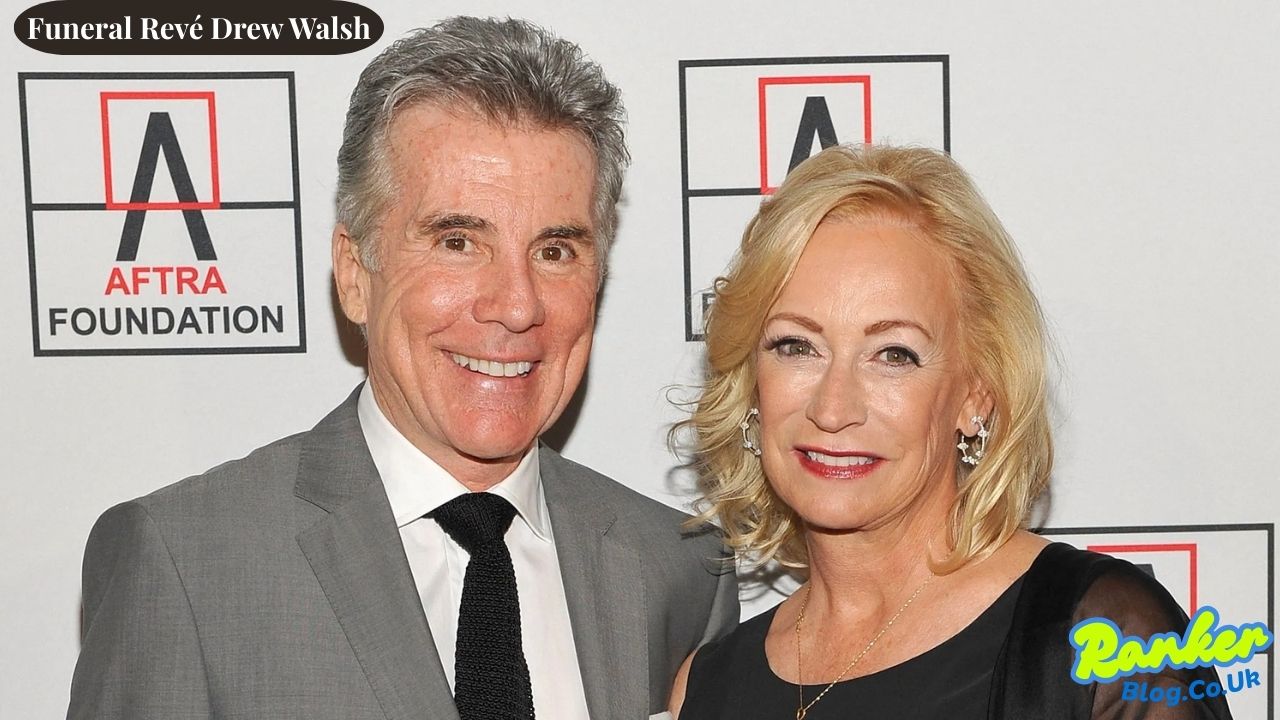
Adam's father, John Walsh, hosted "America's Most Wanted" from 1988 to 2012.
He became a child-safety advocate.
The Walshes helped found the National Center for Missing & Exploited Children in 1984.
The case changed how missing-children cases are handled in the United States.
It changed everything except the one question no court ever answered.
AND THE STORY STILL ISN'T OVER
The Walshes helped found the National Center for Missing & Exploited Children in 1984.
That was two years after Adam's head was found in a canal, and twelve years before police named Ottis Toole as the killer.
John Walsh hosted "America's Most Wanted" from 1988 to 2012.
He has continued in television and advocacy since.
The case changed how missing-children cases are handled in the United States.
It changed everything except the one question no court ever answered.
The confession never went to trial.
Ottis Toole was never charged with Adam Walsh's murder.
He died of liver failure in prison in September 1996.
The Hollywood Police Department officially closed the case in December 2008, declaring Toole the sole perpetrator.
That was twelve years after his death.
The body was never recovered.
No jury heard the confessions that became the official answer.
No defence tested the inconsistencies, the recantation, the car, the niece's statement.
No verdict was ever read.
Closure came from a press conference, not a courtroom.
That is what the record holds: a closed case, a named dead man, a verdict that never happened.
Any pending legal actions or new developments are not in the record.
The Walshes' legacy is built from that loss.
It is a legacy of laws, of a national center, of a television show that ran for decades.
It is also a legacy that begins with a boy who went missing while his mother watched other children play video games.
The story is closed.
The story still is not over.
Advertisement
You may also like
The confession F. Lee Bailey never let a jury hear
He was a handyman and a former soldier, and in 1964 he was in custody. From that cell, Albert DeSalvo confessed to being the…
The phone calls from a dead man's phone that led to the McStay family graves
The McStay family's cell phones stopped transmitting on February 4, 2010. That was the same day Joseph, Summer, and their two young sons were…
In 1994, eleven Branch Davidians stood trial — what did the jury hear that they couldn't ignore?
Eleven Branch Davidians sat in a federal courtroom in San Antonio in 1994. Not for the fire that killed 76 people. For what happened…
The confession that put Winston Moseley on trial for Kitty Genovese's murder—what the jury heard
The television was in the car when they pulled him over. On March 19, 1964, police arrested Winston Moseley after a tip about a…
The letter to Captain Borrelli that cracked the Son of Sam case — but what made it so damning?
The letter was found near the scene after the April 1977 attack on two victims. It was addressed to Captain Joseph Borrelli, the lead…
The 31-day gap and a car that smelled of death: what detectives couldn't ignore
Cindy Anthony called 911 on July 15, 2008, to report her two-year-old granddaughter missing. She told the dispatcher that Casey Anthony's car smelled of…