The phone calls from a dead man's phone that led to the McStay family graves
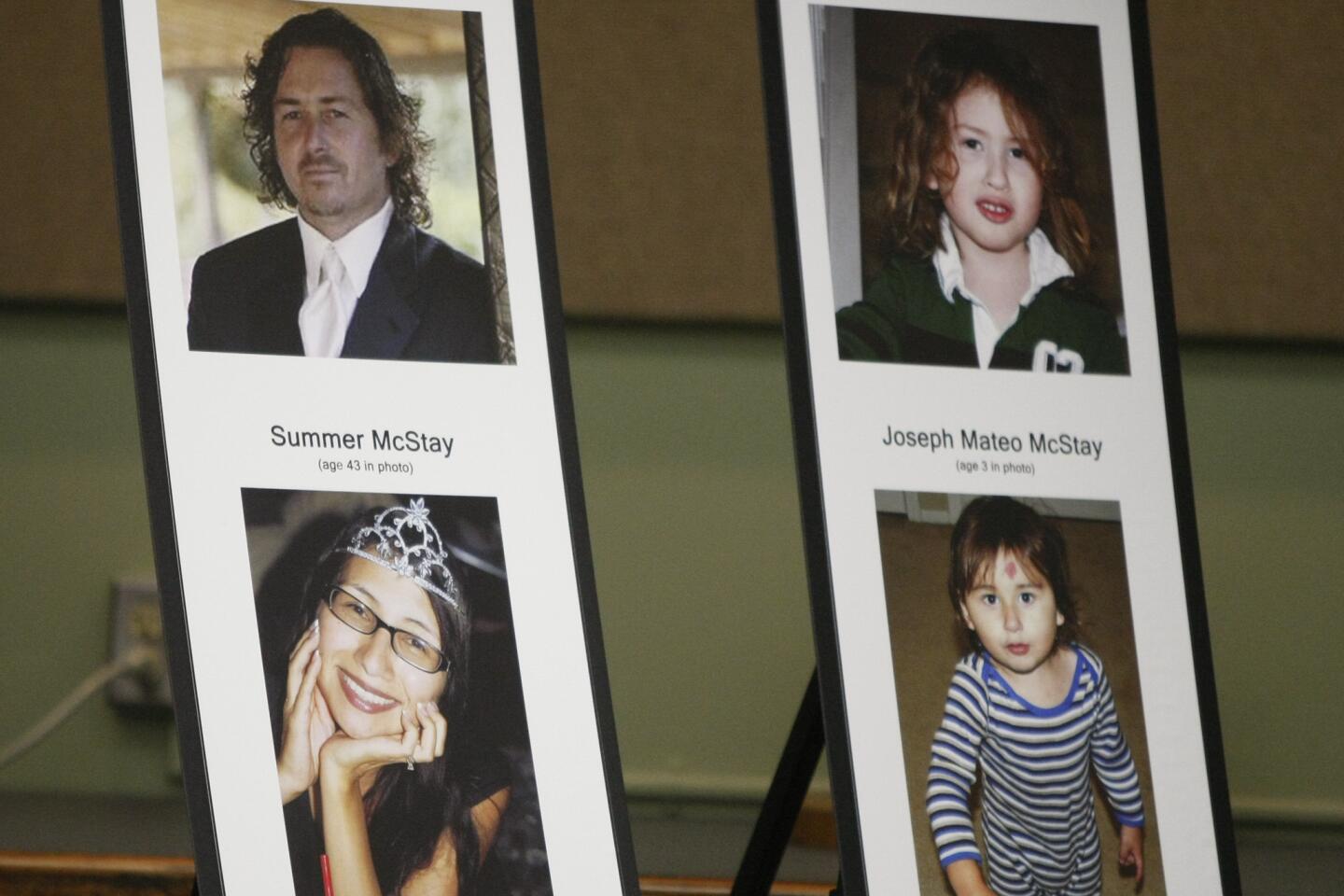
The McStay family's cell phones stopped transmitting on February 4, 2010.
That was the same day Joseph, Summer, and their two young sons were reported missing from their home in Fallbrook, California.
The dogs were in the backyard.
The vehicles were in the driveway.
Breakfast sat on the table, and the television was on.
The house looked like a normal morning interrupted.
The phones were silent, and the financial accounts were untouched.
No forced entry, no struggle, no sign of where the family had gone.
Then the record shows something else: calls made from Joseph McStay's phone after the family disappeared.
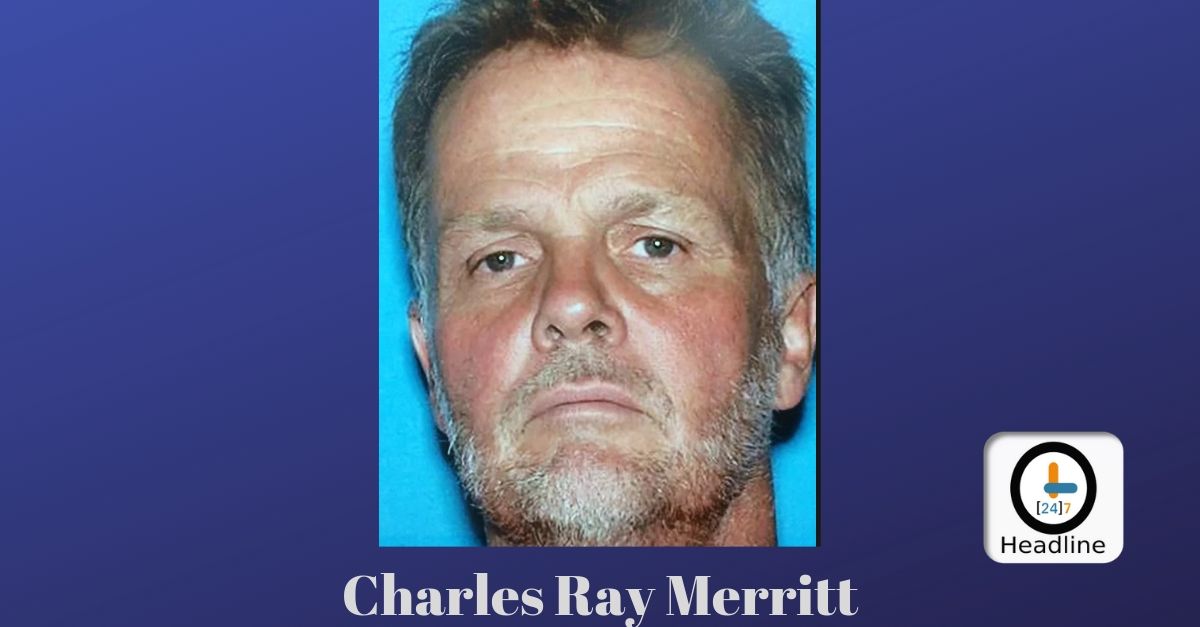
The calls went to numbers associated with Charles Merritt, a business associate.
Cell tower data placed that phone in the area where the bodies would later be found, over three years later, in two shallow graves in the Mojave Desert.
Who was making those calls?
Why were they made to Merritt?
Why did the phone travel to the desert?
That would require evidence the record does not provide.
It is not established who made the calls or why.
The calls are documented.
The motive is not.
THE EMPTY HOUSE
The house was still warm.
Investigators found the family's dogs in the backyard and their vehicles in the driveway.
Inside, breakfast sat on the table and the television was on.
There was no sign of forced entry.
There was no sign of a struggle.
The McStay family was reported missing on February 4, 2010, from their home in Fallbrook, California.
Joseph McStay, his wife Summer, and their two young sons were simply gone.
The family's cell phones had stopped transmitting on that date.
Their financial accounts were untouched.
It is not established why the family left or what happened inside the house.
The record does not say.
Detectives had few leads.
Joseph McStay's business partner, Charles Merritt, was interviewed early on.
Merritt told police he had last seen Joseph at his home on the evening of February 4, discussing a potential job.
His story initially seemed plausible.
He was not considered a primary suspect at the time.
The scene was unsettling in its normalcy.
A family that vanished mid-morning, leaving the television on.
A house that looked lived-in, but empty.
The phones were silent.
The accounts were still.

The case sat without an obvious lead.
Not because there was nothing to find.
But because nothing in the house pointed anywhere.
The investigation yielded little for over three years.
It is not established what happened in those hours.
It is not established who took them or why.
That would require evidence.
THE DESERT GRAVES
A motorcyclist riding off-road in the Mojave Desert near Victorville, California, found human remains in two shallow graves in November 2013.
The remains were later identified as the four McStay family members.
Joseph and Summer had been beaten to death; the children had also been killed.
Forensic analysis revealed that all four victims had died from blunt-force trauma.
It was a homicide investigation now, not a missing-person case.
The murder weapon was never definitively identified; the source says it was not widely reported.
That fact is not established.
The investigation then focused on Merritt, who had been one of the last people to see the family.
He had told police he last saw Joseph McStay at his home on the evening of February 4, 2010, discussing a potential job.
His story seemed plausible at the time.
Investigators examined Merritt's computer.
They found searches for terms related to the desert area where the remains were discovered.
The searches were documented.
They pointed to the same patch of ground where the bodies lay.
Not because the searches proved intent.
But because they placed the accused at the desert in the record's own terms.
The phone calls from Joseph McStay's phone had stopped on February 4, 2010.
They did not stop forever.
A series of calls was made from that phone after the family disappeared.
The calls went to numbers associated with Merritt.
Cell tower data placed the phone in the area where the bodies were later found.
The graves were shallow.
The desert was open.
The discovery came three years and nine months after the family vanished.
The shift was complete.
The question was no longer where the family had gone.
It was who had put them there.
That would require evidence.
THE CALLS AND THE TRIAL
The calls came from Joseph McStay's phone.
They were made after the family disappeared, and they went to numbers associated with Charles Merritt.
Cell tower data placed that phone in the area where the bodies would later be found.
It is not established that Merritt made those calls.
The record shows only that the calls were made to numbers associated with him.
A former girlfriend of Merritt's testified that he had made incriminating statements about the McStay family.
A jailhouse informant claimed Merritt had confessed to the murders while in custody.
The trial began in January 2019.
The prosecution argued Merritt killed the family over a financial dispute.
The defense contended the evidence was circumstantial.
The defense pointed to the lack of DNA.
The defense pointed to the lack of fingerprints.
The defense pointed to the absence of any direct physical link between Merritt and the crime scene.
The jury deliberated for approximately two weeks.
In June 2019, the jury found Merritt guilty of all four counts of first-degree murder.
In August 2019, he was sentenced to death.
The phone calls were the spine of the case.
The computer searches were the frame.
The testimony was the flesh.
The conviction rested on what the calls placed, and what the witnesses claimed.
It is a documented fact that the calls happened.
It is not a documented fact that Merritt made them.
The jury decided he did.
That decision would require evidence.
The evidence was circumstantial.
It was also enough.
AND THE STORY STILL ISN'T OVER
Charles Merritt remains on death row at San Quentin State Prison in California.
His case is now in the appeals process, which is standard for death penalty cases in the state.
The trial that put him there was built on phone records and witness testimony.
Not on DNA. Not on fingerprints. Not on a weapon.
The murder weapon was never definitively identified.
Blunt-force trauma was the cause of death; the object that delivered it is not in the record.
The prosecution argued the calls from Joseph McStay's phone after the family vanished placed Merritt near the desert graves.
The defense argued the evidence was circumstantial and that Merritt was innocent.
The jury deliberated for about two weeks.
They returned guilty verdicts on all four counts of first-degree murder in June 2019.
In August 2019, the sentence was death.
The conviction brought a measure of closure to the victims' relatives.
It is also a case that has been the subject of ongoing legal proceedings.
The appeals process is standard. It is also slow.
What happens next is not established by the record.
The phone calls are documented. The motive is argued. The weapon is unknown.
The story, in other words, still isn't over.
Advertisement
You may also like
The 31 days Casey Anthony said nothing, and the trunk evidence that turned a missing-child case into a homicide charge
The 911 call came on July 15, 2008, from a grandmother named Cindy Anthony. She told the dispatcher her daughter, Casey Anthony, had not…
The clip-on tie left behind that made FBI agents look twice
The clip-on tie sat on the seat, a plain thing, dark and cheap. It was found after the plane landed, after the man was…
The pharmacy clerk's last stop before vanishing — what police found next
She was at the counter at the pharmacy, and he was going to meet a contractor about a job. Robert Piest was 15 years…
The courtroom theatrics that turned a murder trial into a national spectacle
In June 1970, as the trial opened, the three female defendants walked into the courtroom with shaved heads. Swastikas were carved on their foreheads.…
The cellphone video that placed Alex Murdaugh at the kennels — and the timeline he swore was wrong
Paul Murdaugh’s phone was recording on June 7, 2021, at the dog kennels on the family estate, Moselle. The video was casual, unplanned, the…
The surgical glove blood evidence that reopened the MacDonald case
The surgical glove turned up late. It was not in the initial police report, that first chaotic inventory of the house on Fort Bragg.…