The cellphone video that placed Alex Murdaugh at the kennels — and the timeline he swore was wrong
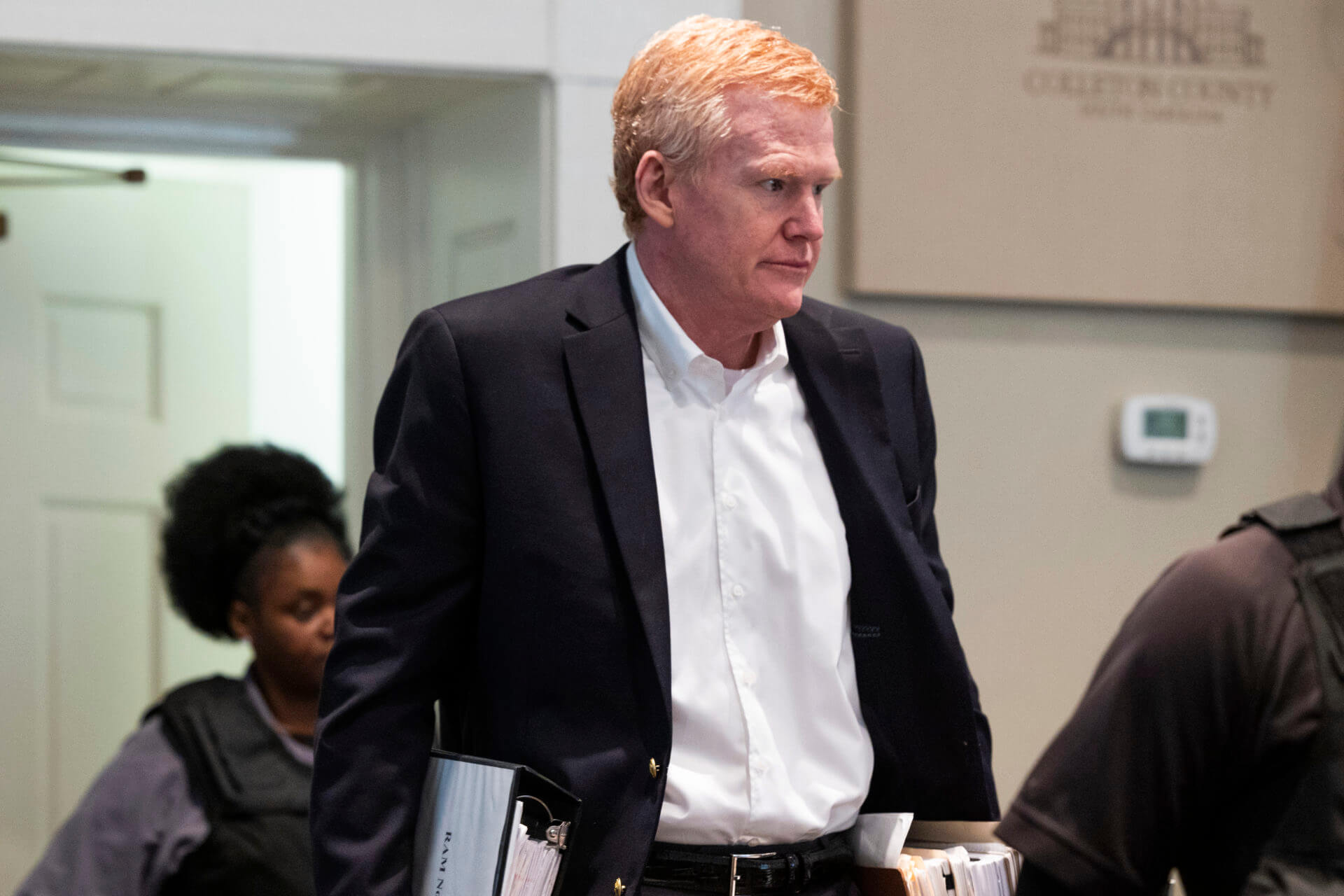
Paul Murdaugh’s phone was recording on June 7, 2021, at the dog kennels on the family estate, Moselle.
The video was casual, unplanned, the kind of clip a 22-year-old takes without thinking about it.
It captured the kennels, the dogs, the moment.
And it captured Alex Murdaugh, standing there.
He had told investigators he had been napping that evening, that he had not been at the kennels.
The video directly contradicted that timeline.
It was recorded shortly before the killings.
The bodies of Paul and Maggie Murdaugh were found at those same kennels.
For months, no one outside the investigation knew the video existed.
The public did not learn of it until the trial began in January 2023.
That is when the weight of it landed.
The prosecution argued the video proved Murdaugh lied about his whereabouts.
He said he was asleep; the video said he was there.
The defense maintained he was a devoted father and the state’s case was weak.
They did not dispute that he was in the video.
The exact time the video was recorded is not specified in the record.
What else the video captured beyond placing Murdaugh at the kennels is not detailed in the record.
That is the question the trial left open, and it is the question that hung over the courtroom.
A casual recording became a damning piece of evidence.
Not because it showed a crime.
Because it showed a lie.
THE 911 CALL AND THE FIRST RESPONSE
He called 911 himself.
That much is in the record: Alex Murdaugh said he found his wife and son at the kennels and made the call.
The exact content of that call is not in the source.
Neither is the precise time.
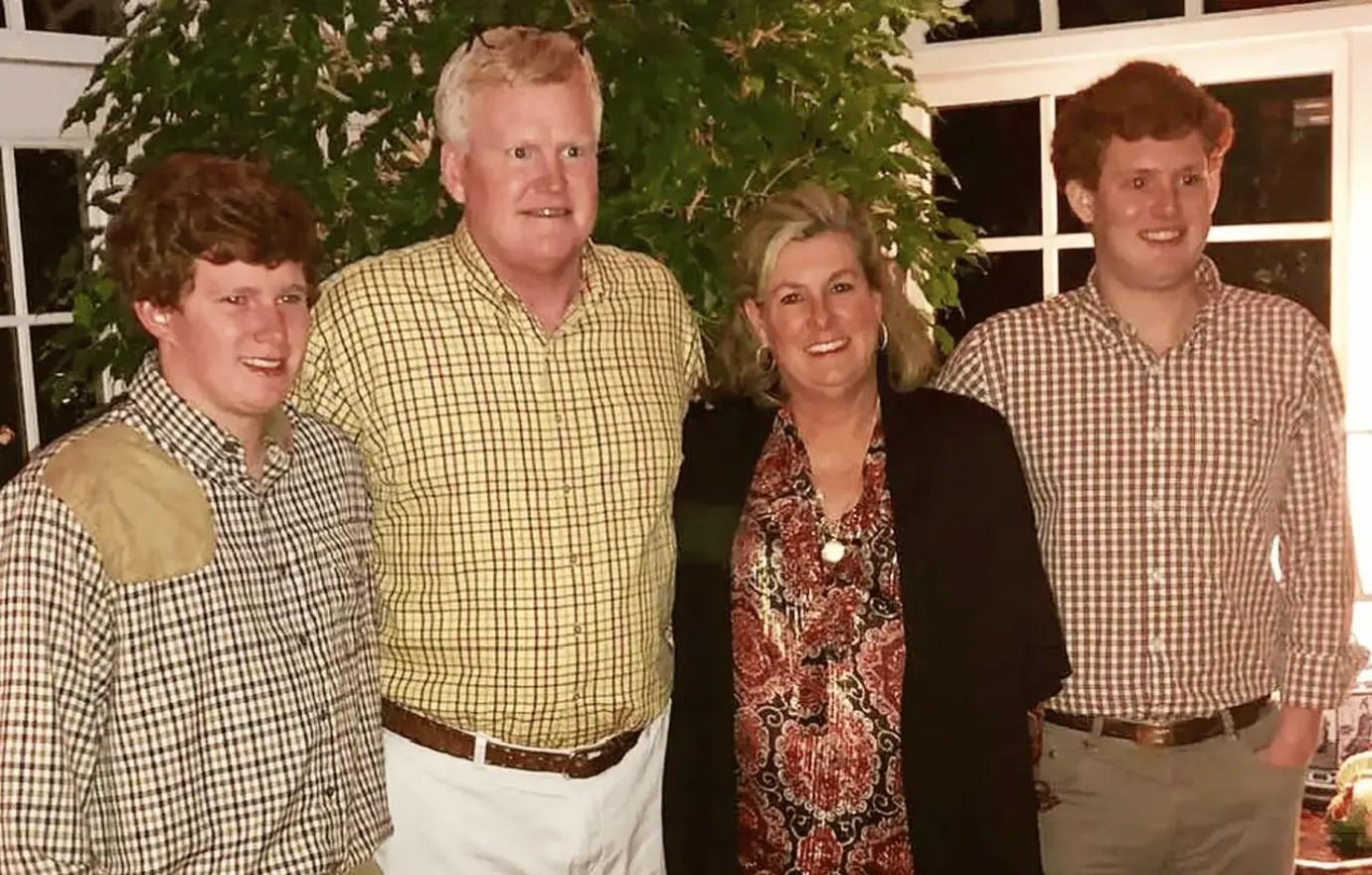
What is known is that Paul, 22, and Maggie, 52, were dead, killed with two different firearms — a rifle and a shotgun.
The bodies were at the family's hunting estate, Moselle, in Colleton County.
The first responders arrived to a scene that would not stay quiet for long.
The Murdaugh name carried weight in the Lowcountry.
Alex was a former personal injury attorney, the son of a longtime prosecutor.
The family was a legal dynasty, and the public knew it.
So did the press.
The case drew intense national media attention from the first hours.
The reason was not just the killings.
Paul had been facing criminal charges from a 2019 boating accident that killed a teenage girl, Mallory Beach.
The initial theory was that the murders were connected to those pending charges.
It was a simple story: the boat crash, the reckoning, the revenge.
That theory was complicated later.
But at the time, it was what the public had.
The investigation was led by the South Carolina Law Enforcement Division, with Chief Mark Keel at its head.
The Colleton County Sheriff's Office assisted.
SLED agents began their work at the kennels, where the cellphone video would later place Alex Murdaugh.
He had told investigators he had been napping.
He had not been at the kennels, he said.
The video contradicted that.
The chaos of that first response was real, but the narrative was still forming.
The public assumed the boat crash was the motive.
That would require evidence.
The record does not establish it.
THE SEPTEMBER SHOOTING THAT CHANGED EVERYTHING
It was September 4, 2021, and Alex Murdaugh told authorities he had been shot in the head by a passing motorist.
The call came from a roadside in Hampton County, and for a moment the public had a new question to ask: who fired at the Murdaugh family now?
That version of events did not survive contact with the investigation.
Prosecutors later said the shooting was not an attack at all, but a scheme Murdaugh allegedly arranged with Curtis Edward Smith, a man charged with helping him.
The alleged purpose, according to the state, was for Murdaugh's surviving son, Buster, to collect a life insurance payout.
The exact nature of that payout and the full details of the scheme are not fully detailed in the source.

The record does not establish them.
What the record does show is the turn: the shooting led to Murdaugh's arrest on insurance fraud and other charges.
The murder investigation continued, but the public's attention shifted.
No longer was the story only about two bodies found at the kennels.
Now it was about millions allegedly stolen from a law firm and clients, about a legal dynasty collapsing in plain view.
The shooting that seemed random became a confession in disguise, or so the state argued.
Curtis Edward Smith was charged with assisted suicide, insurance fraud, and other crimes.
He pleaded guilty and was sentenced to prison.
The shock of the twist was the point.
A man who had just lost his wife and son was now accused of staging his own death.
It was a scheme. It was also a distraction.
The public asked whether the murders and the shooting were connected.
That would require evidence.
The record does not establish it.
THE TRIAL AND THE TWO STORIES
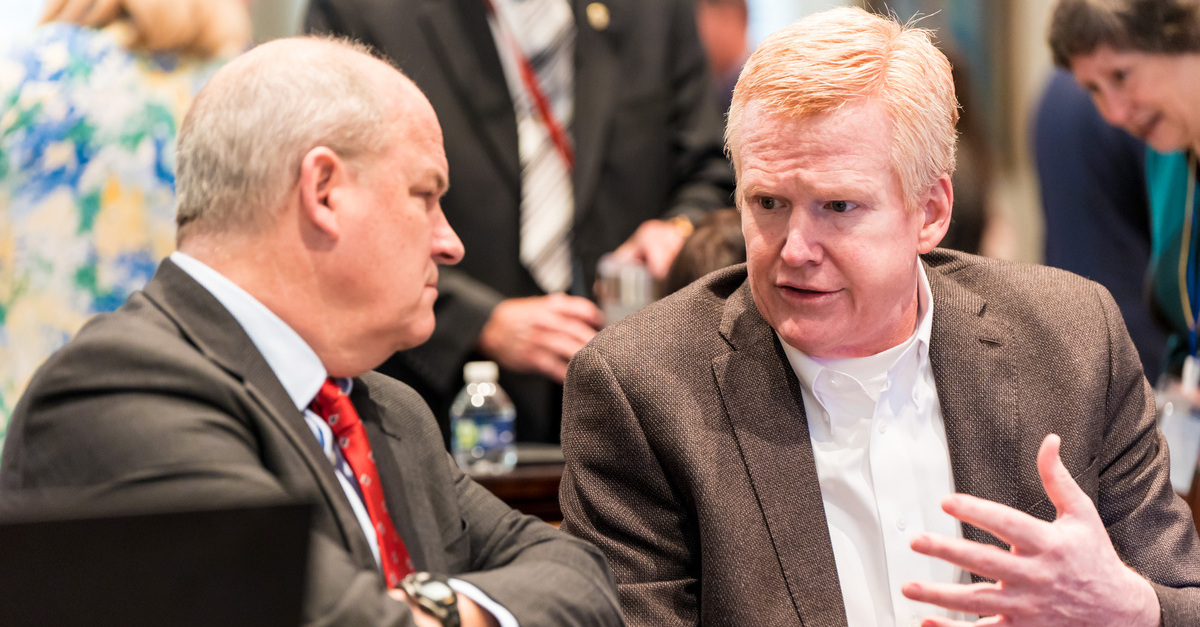
The trial began in January 2023 in Colleton County, with Judge Clifton Newman presiding.
Alex Murdaugh faced two counts of murder and two counts of possession of a weapon during a violent crime.
Prosecutor Creighton Waters built a circumstantial case.
It was built on the cellphone video. It was built on Murdaugh's history of lies. It was built on his financial crimes as motive — the argument that his family was about to discover his thefts.
The public watched the video again. It placed Murdaugh at the kennels. It contradicted the timeline he swore was wrong.
Defense attorneys Dick Harpootlian and Jim Griffin argued Murdaugh was a devoted father.
The state had no direct evidence, they said.
No witness. No confession. No footage of the act itself.
The defense suggested the killings could have been committed by others.
Drug dealers, they said. People connected to the boat crash. Anyone.
The courtroom heard two stories. One was a web of circumstance. The other was a claim of innocence.
Which one did the evidence support?
The jury deliberated. The public speculated. The podcasts multiplied.
In March 2023, the jury found Murdaugh guilty on all four counts.
Judge Newman sentenced him to two consecutive life sentences without parole.
The specific forensic evidence — the gunshot residue, the location of the bodies — was mentioned but not detailed in the record.
The record does not establish those details.
Murdaugh has maintained his innocence.
He has filed appeals.
The story was not over.
AND THE STORY STILL ISN'T OVER
Alex Murdaugh is serving two consecutive life sentences at a South Carolina prison.
He has separately pleaded guilty to numerous financial crimes, including theft from his law firm and clients, and received additional prison time.

Curtis Edward Smith was charged with assisted suicide, insurance fraud, and other crimes; he pleaded guilty and was sentenced to prison.
The case spawned documentaries, podcasts, and books.
The public fascination has not dimmed.
Buster Murdaugh has largely stayed out of the public eye.
He has not spoken at length about his father, his brother, or the night at the kennels.
The appeals continue.
The civil lawsuits continue.
Their status is not detailed in the record.
Not because the story is quiet.
But because the story has become a machine that keeps producing itself.
Each new documentary re-runs the same video.
Each podcast re-examines the same timeline.
Each book re-opens the same questions: What did he know?
What did he do?
What does the video actually prove?
The record shows the video placed him at the kennels.
That is what it establishes.
The rest is theory, and theory is not fact.
Murdaugh has maintained his innocence.
He has filed appeals.
The story was not over.
Advertisement
You may also like
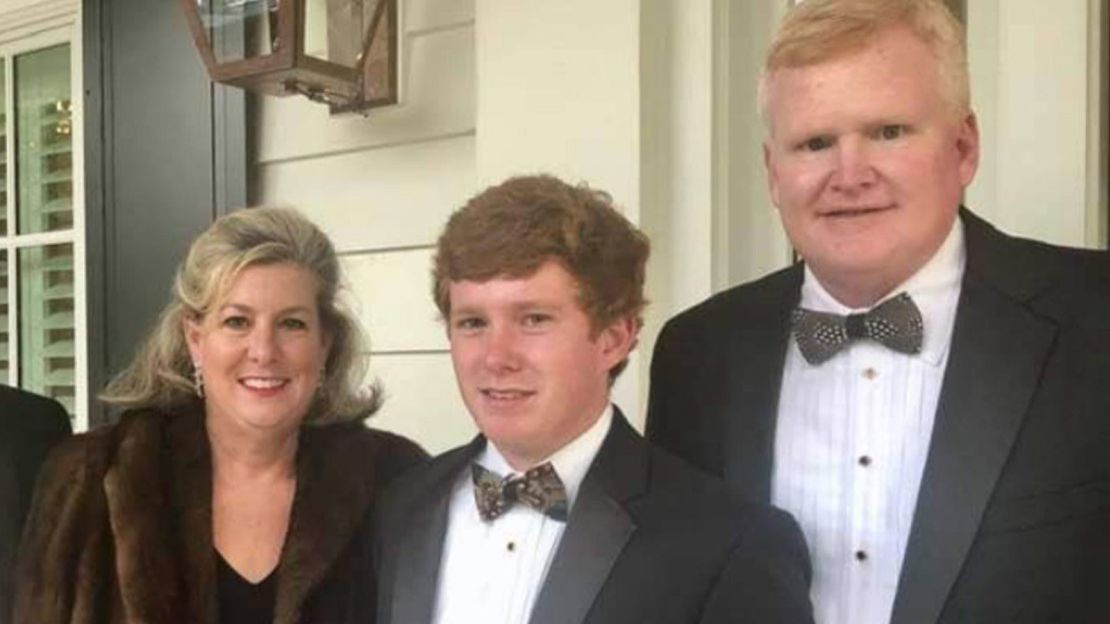
The cellphone video that placed Alex Murdaugh at the kennels — what it revealed
June 7, 2021. Someone calls 911 from Moselle, the family’s hunting estate in Colleton County, South Carolina. The voice belongs to Alex Murdaugh, and…
The traffic stop that freed Winston Moseley days before Kitty Genovese's murder
Days before the murder, Winston Moseley was questioned in a routine traffic stop and released. The investigation record documents the stop. It documents the…
The 2018 interview in which Duane Davis described the Cadillac, the gun, and the handoff — and what detectives did next
In 2018, Duane “Keffe D” Davis sat for an interview. He described being in the white Cadillac that night on the Las Vegas Strip.…
The river stakeout that heard a splash and stopped Wayne Williams — but the bodies kept coming
The Jackson Parkway bridge spans the Chattahoochee River, and on May 22, 1981, police were staked out beneath it. They were waiting for a…
The Green River Task Force's own mistakes let a killer slip through for 20 years
He passed the polygraph in 1984, and the Green River Task Force cleared him. Gary Ridgway walked out of the interview and went back…
A wedding ring left on the dresser — and the confession that followed it
The ring sat on the bedroom dresser. Shanann Watts had returned home that morning, August 13, 2018, from a business trip to Arizona. Her…