The 2018 interview in which Duane Davis described the Cadillac, the gun, and the handoff — and what detectives did next
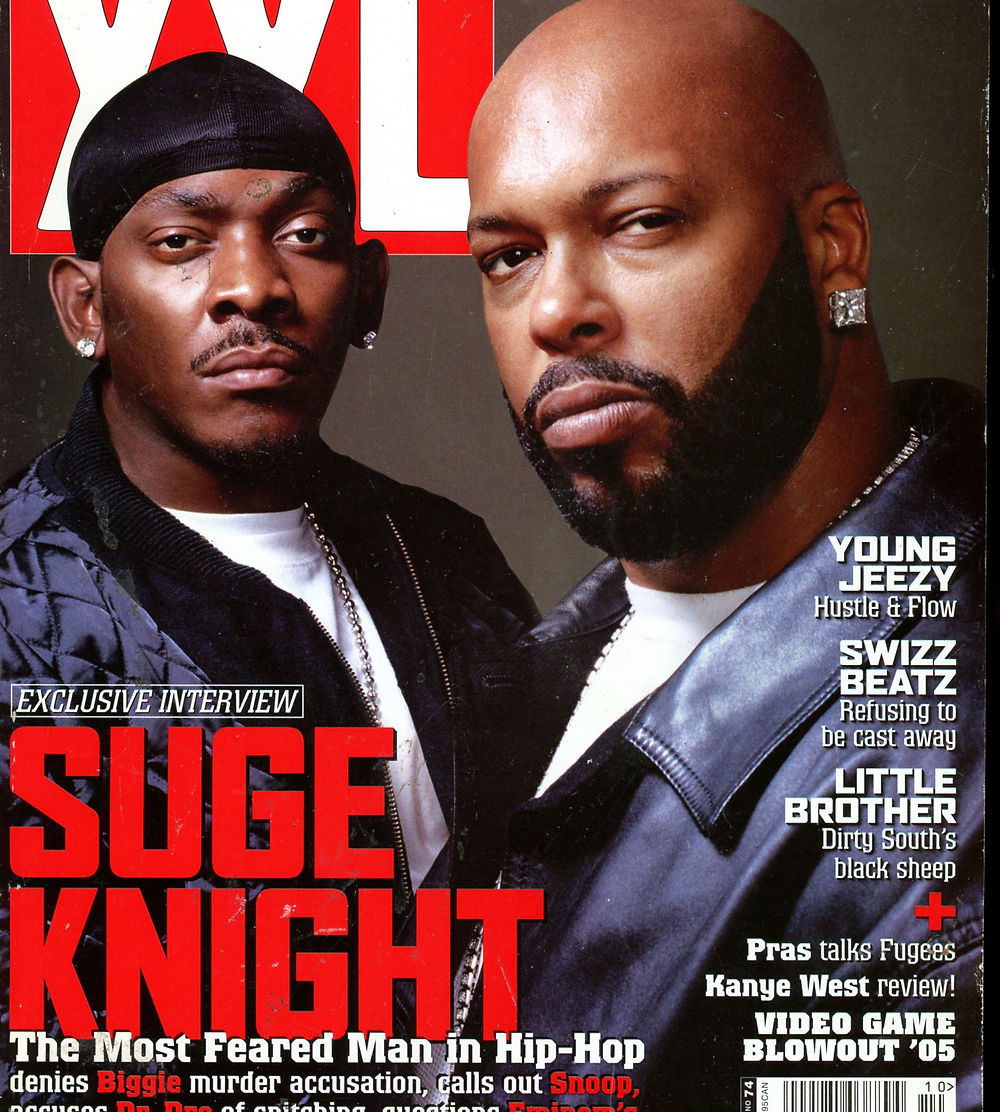
In 2018, Duane “Keffe D” Davis sat for an interview.
He described being in the white Cadillac that night on the Las Vegas Strip.
He said the gun was passed to him, and he handed it to the shooter.
Later, he said he provided the weapon used in the shooting.
The white Cadillac was never recovered.
The specific firearm was never recovered.
Davis’s words were on tape, in detail, years before any arrest.
The identity of the shooter is not established in the record.
The identity of the driver is not established in the record.
What exactly did he say about the handoff?
Why did it take five more years for detectives to act on it?
What changed between 2018 and 2023?
That would require evidence the public has not seen.
The interview sat, a documented statement about a gun passed between men in a car.
The car is gone.
The gun is gone.
The tape remains.
SEPTEMBER 7, 1996
September 7, 1996.
Rapper Tupac Shakur was shot in a drive-by shooting on the Las Vegas Strip in Nevada.
He was in a convoy of vehicles after attending a Mike Tyson boxing match at the MGM Grand hotel.
A white Cadillac pulled alongside Shakur's BMW.
Gunfire erupted from the Cadillac.
Shakur was hit multiple times.
He was taken to University Medical Center in Las Vegas.
He died there on September 13, 1996, at the age of 25.
His death was ruled a homicide.
The street was busy.
The shooting was public.
The exact sequence of events inside the Cadillac is not detailed in the record.
What is known is the timing: the fight, the convoy, the pull-along, the shots.
What is known is the aftermath: a wounded rapper, a grazed label boss, a car that sped off.
What is known is what was missing: the Cadillac, the gun, the shooter.
The suspected shooter and driver of the Cadillac were never identified or charged at the time.
The victim was riding in a car driven by Marion "Suge" Knight, the CEO of Death Row Records.
Knight was slightly injured by a graze wound but survived.
No reliable eyewitnesses came forward with detailed descriptions of the shooters.
Witnesses in the convoy were uncooperative.
Police faced difficulty getting statements from those who had been present.
The case remained open for decades.
THE FAILED INVESTIGATION
The original investigation was widely criticized for its handling.
The shooting happened in a busy area, on the Las Vegas Strip, with a crowd around.
No reliable eyewitnesses came forward with detailed descriptions of the shooters.
Witnesses in the convoy were uncooperative.
Police faced difficulty getting statements from those who had been present.
The lead detective led the initial investigation.
He produced no arrests.
The white Cadillac was never recovered.
The specific firearm was never recovered either.
What was examined?
What was found in the hours after the shooting?
What could have been secured that night?
That would require evidence the record does not supply.
The lead detective's name is not confirmed in news coverage.
He remains the lead detective, nothing more.
The case went cold.
It stayed open, but it went cold.
Not because no one knew anything.
But because no one who knew anything would say it.
The convoy rolled on.
The witnesses scattered.
The Cadillac vanished.
The gun vanished.
What remained was a file, a street, and a name that kept surfacing for decades.
A frustration settles over the record: the answers were present, and they were not taken.
The failed investigation is a list of absences.
No arrests.
No car.
No reliable description.
No statement from the people in the car behind the BMW.
It is a case defined by what was not done.
And it stayed that way for 27 years.
DAVIS'S ADMISSIONS
In 2018, Duane “Keffe D” Davis gave an interview.
He described being in the white Cadillac.
He described the gun being passed to him.
The exact content of that 2018 interview beyond the handoff description is not in the record.
He claimed he was in the Cadillac when the gunfire erupted.
He later said he provided the weapon used in the shooting.
These were public statements.
Davis also participated in interviews and a documentary describing his role.
It was a turn.
The case that had no name suddenly had one.
It had a voice.
It had a confession on tape, according to prosecutors.
Detectives listened.
The statements, along with information from other witnesses, led to a renewed investigation.
Not because the Cadillac was found — it never was.
Not because the firearm was recovered — it never was.
But because a man had described the handoff.
A man had placed himself in the car.
A man had said the gun was his.
That would require evidence.
That would require a jury.
That would require a trial.
The renewed investigation began with what Davis said out loud.
The case stayed that way for 27 years.
Then it moved.
AND THE STORY STILL ISN'T OVER
Davis was arrested on September 29, 2023, and charged with one count of murder with a deadly weapon.
Prosecutors also alleged he committed the killing for the benefit of a criminal gang.
He pleaded not guilty.
The case had not gone to trial as of writing.
Davis was denied bail.
He remained in custody.
His trial was delayed, again and again, by legal motions.
His trial was delayed by health issues.
No trial date had been set in the most recent proceedings.
The outcome is not known.
Davis is charged, not convicted.
That distinction matters here, because the entire case rests on what he said out loud.
The white Cadillac was never recovered.
The specific firearm was never recovered.
No reliable eyewitness came forward with a detailed description of the shooter.
What remains is a 2018 interview, a man in custody, and a question the courts have not answered.
Was the gun passed to him, or did he pass it?
Did he provide the weapon, or did he fire it?
Did he describe what happened, or what he wanted people to believe?
That would require evidence.
That would require a trial.
The case is still open.
The story still isn't over.
Advertisement
You may also like
The tarot card left at a D.C. sniper crime scene that said 'Call me God'
The card was on the ground at a crime scene in Montgomery County. A tarot card, face up, with a message written across it:…
The cell phone records that placed a suspect near Leakin Park — but one witness kept changing his story
January 13, 1999, was a school day. Hae Min Lee, an 18-year-old senior at Woodlawn High School in Baltimore County, Maryland, was last seen…
The parole agent who saw a sketch and stopped a car — then Polly Klaas's killer led police to her body
The parole agent saw the car first. A sketch, a tip, and a car on the road — that was the break. On November…
The cellmate tip that cracked the Clutter case after investigators ignored a footprint
The footprint was there on the night of November 15, 1959, inside the farmhouse near Holcomb, Kansas. Four members of the Clutter family were…
The cell tower records that placed Adnan Syed at Leakin Park — and the witness who changed his story
The phone call came on February 12, 1999. Baltimore County police picked up an anonymous tip that day, and the voice on the line…
The jailhouse informant's testimony that could not save Casey Anthony
She sat in the witness box and testified that Casey Anthony had made incriminating statements while in jail. Her name was Robyn Adams, a…