The river stakeout that heard a splash and stopped Wayne Williams — but the bodies kept coming
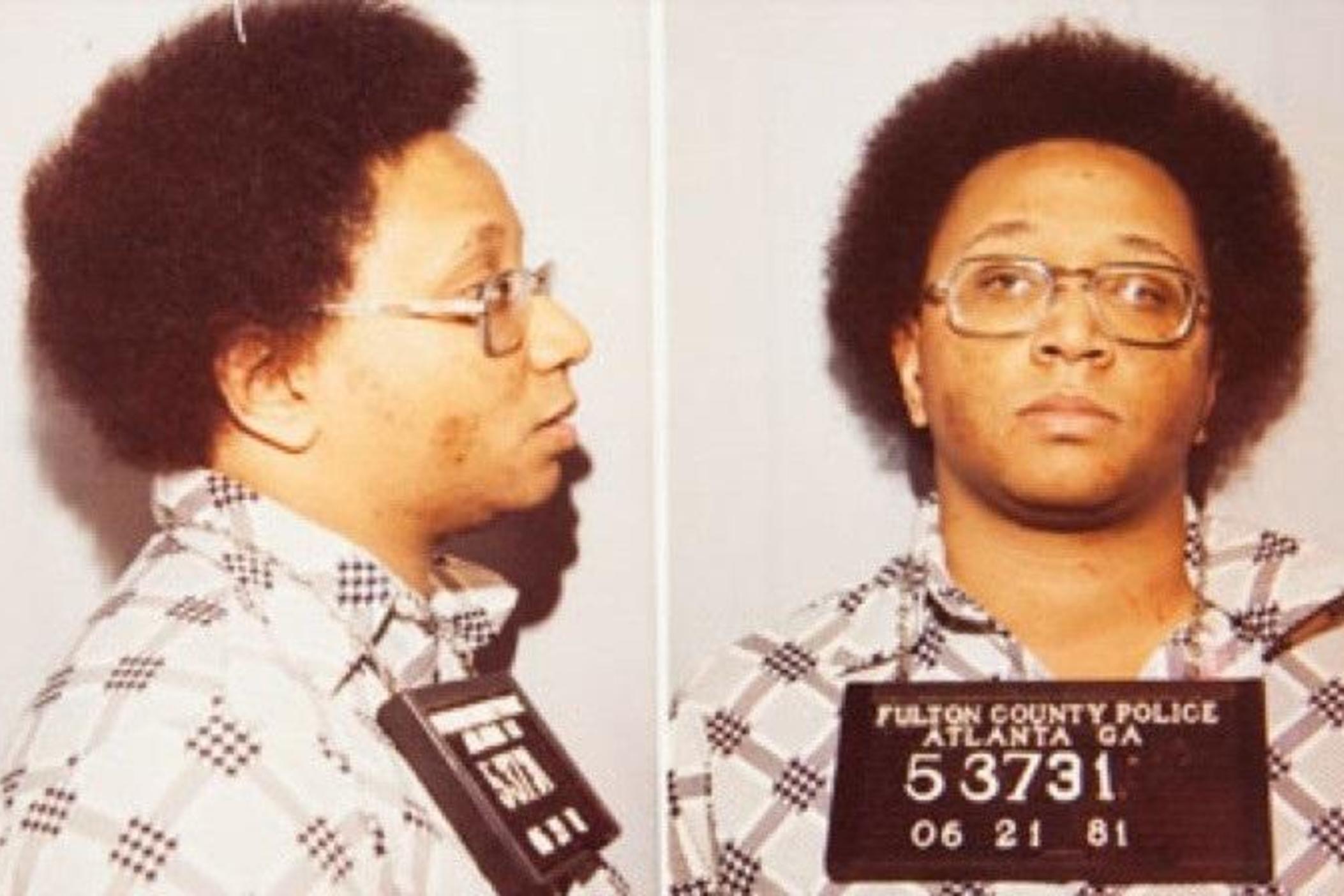
The Jackson Parkway bridge spans the Chattahoochee River, and on May 22, 1981, police were staked out beneath it.
They were waiting for a body, or for whoever put one there.
A pattern had emerged: bodies found in the water, and so officers watched the river.
Then they heard a splash.
It was a sound, nothing more — no shout, no engine, no figure seen.
Officers stopped Wayne Williams, who was driving nearby.
He was already under surveillance.
Witnesses had reported seeing him with several of the victims, according to the investigation record.
Two days later, the body of a 27-year-old man was found in the river.
That single splash became the hinge of the case.
It turned a surveillance operation into an arrest.
It did not, by itself, solve the other deaths.
It is not established that the splash was caused by Williams, or by a body entering the water.
The record does not say what made that sound.
What the record says is that officers heard it, and that they acted.
One noise, and an entire investigation changed course.
How did one splash come to define so much?
How did a sound no one saw become the moment everything turned?
How did that night on the bridge lead to everything that followed?
That would require evidence.
The splash was a turning point.
It was also just a sound.
THE BODIES KEEP COMING
Between July 1979 and May 1981, at least 28 Black children, teenagers, and young adults were reported missing or found murdered in the Atlanta metropolitan area.
The victims ranged in age from 7 to 28.
Most were male.
Their bodies were discovered in wooded areas, rivers, and vacant lots across the city.
The exact number of victims and the full list of names are not fully established in the record; at least 28 is the documented figure.
Early victims were treated as separate cases.
Each death was handled by a different agency, a different precinct, a different set of files.
It took months before a task force was formed.
The investigation was hampered by a lack of coordination among city, county, and state agencies, according to the case record.
The FBI joined the investigation in 1980.
The killings terrorized the city's Black community.
They drew national attention.
Families waited. Preachers spoke. Reporters arrived.

Still, the pattern was slow to emerge.
Not because no one was looking.
But because each body looked like a singular tragedy, not a sequence.
Bodies were found in wooded areas.
Bodies were found in rivers.
Bodies were found in vacant lots.
The first victims were children. Then teenagers. Then young adults.
The case became known as the Atlanta Child Murders, though several victims were adults.
It took a splashing sound from a bridge to change the investigation's direction.
That came later.
For now, the bodies kept coming.
THE FIBERS AND THE FOCUS
The fibers came from the carpet in Williams's home, and the dog hairs matched his family's German shepherd.
The prosecution argued that the fiber evidence linked Williams to multiple victims, though he was only tried for two murders.
The defense argued the fibers were common and could have come from many sources.
That claim is part of the record.
What the record does not establish is that the fibers were unique to Williams's home.
The trial record shows the prosecution's case rested heavily on those fibers and on testimony from witnesses who placed Williams with victims.
The defense argued that Williams was a scapegoat and that the evidence was circumstantial.
Officials later acknowledged a key mistake: after Williams's arrest, the investigation focused almost exclusively on him, leaving other leads unexplored.
Some families of victims and civil rights leaders, including the Rev. Jesse Jackson, criticized the investigation for not considering other suspects.
Not because the fibers were weak.
But because the focus narrowed.
What else was left unexamined?
That would require evidence.
The fibers were a link.
They were not a confession.
Williams was convicted of two murders in 1982.
The other killings attributed to the Atlanta Child Murders were never solved.
No one else was ever charged.
The case remains a subject of public debate over whether Williams was responsible for all the deaths or whether other perpetrators were never identified.
THE TRIAL AND THE TWO VERDICTS
The trial began in January 1982.
Prosecutors presented extensive fiber evidence and testimony from witnesses who placed Williams with victims, according to the trial record.
The defense argued that Williams was a scapegoat and that the evidence was circumstantial, according to the trial record.
On February 27, 1982, the jury found Williams guilty of two murders.
Judge sentenced him to two consecutive life sentences.
Two convictions.
Not 28.
The other killings attributed to the Atlanta Child Murders were never charged to him, though police and prosecutors linked many of them to him, according to the case record.
It is not established that Williams was responsible for the other deaths.
He was convicted of only two murders.
That narrowness is the shape of the verdict.
Why were the other cases never tried?
Why did the fiber evidence stretch across so many victims but stop at two charges?
Why did the task force narrow so completely to one man?
The record does not answer that.
It shows a trial about two deaths.
It shows a sentence for two deaths.
Williams has maintained his innocence and filed multiple appeals, all unsuccessful, according to the case record.
He remains in prison.
The other cases remain open, unsolved, uncharged.
AND THE STORY STILL ISN'T OVER
Wayne Williams remains incarcerated in Georgia state prison, according to the case record.
He has been denied parole multiple times.
The other killings attributed to the Atlanta Child Murders were never solved.
No one else was ever charged, the case record states.
In 2019, Atlanta Mayor Keisha Lance Bottoms announced the city would re-test DNA evidence from the cases, according to the city announcement.
No new charges have resulted.
It is not established whether the DNA re-testing will yield new charges.
That would require evidence.
Many victims' families continue to seek answers, the case record states.
The public debate continues: was Williams responsible for all the deaths, or were other perpetrators never identified?
It is a theory that he was responsible for all of them.
The record does not establish it.
Not because the convictions were weak.
But because he was only charged with two murders, and the rest were never tried.
The two convictions stand.
The 28 families do not have a final answer.
They have a re-testing announcement, a prison cell, and a question that has outlived the investigation.
The river stakeout heard a splash.
The bodies kept coming.
The story still isn't over.
Advertisement
You may also like
The tarot card left at a D.C. sniper crime scene that said 'Call me God'
The card was on the ground at a crime scene in Montgomery County. A tarot card, face up, with a message written across it:…
The cell phone records that placed a suspect near Leakin Park — but one witness kept changing his story
January 13, 1999, was a school day. Hae Min Lee, an 18-year-old senior at Woodlawn High School in Baltimore County, Maryland, was last seen…
The parole agent who saw a sketch and stopped a car — then Polly Klaas's killer led police to her body
The parole agent saw the car first. A sketch, a tip, and a car on the road — that was the break. On November…
The cellmate tip that cracked the Clutter case after investigators ignored a footprint
The footprint was there on the night of November 15, 1959, inside the farmhouse near Holcomb, Kansas. Four members of the Clutter family were…
The cell tower records that placed Adnan Syed at Leakin Park — and the witness who changed his story
The phone call came on February 12, 1999. Baltimore County police picked up an anonymous tip that day, and the voice on the line…
The jailhouse informant's testimony that could not save Casey Anthony
She sat in the witness box and testified that Casey Anthony had made incriminating statements while in jail. Her name was Robyn Adams, a…