The courtroom theatrics that turned a murder trial into a national spectacle
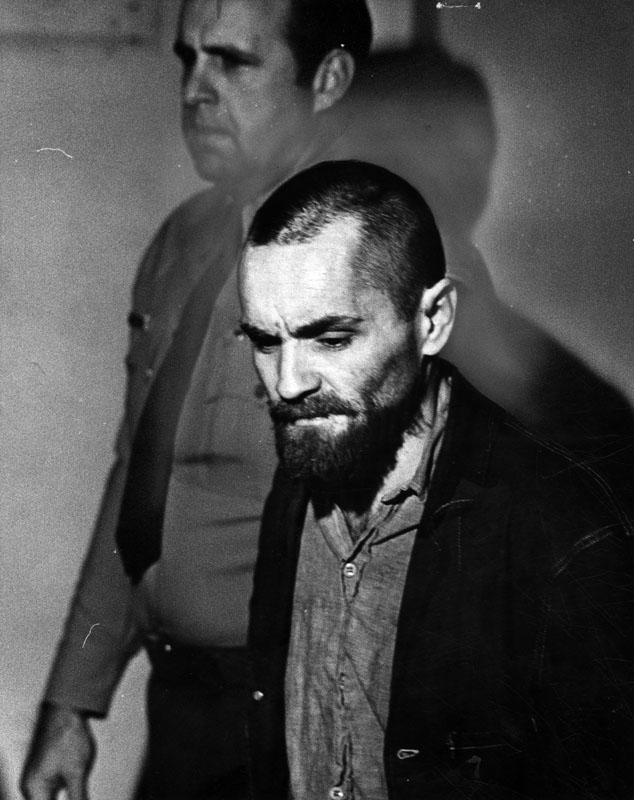
In June 1970, as the trial opened, the three female defendants walked into the courtroom with shaved heads.
Swastikas were carved on their foreheads.
Photographers captured the sight, and it stunned the room.
The symbol was not part of any legal argument.
It was a theatrical gesture, a challenge to the proceedings from the defendants themselves.
Public reaction was immediate.
Front-page coverage nationwide framed the image as proof of the collapse of 1960s counterculture.
The photograph became the single most reproduced image from the trial.
It ran in newspapers, on television, in magazines that had never covered a murder case before.
What does it mean when the accused turn themselves into symbols?
What does it mean when a courtroom becomes a stage?
What does it mean when the image outlasts the testimony?
The record does not say.
The defendants' private intentions behind the swastikas are not established in the court record.
No one explained the symbol in open court.
The judge did not ask.
The prosecution did not ask.
The swastika simply sat there, carved into skin, repeated in print, repeated on screens.
It was a fact of the trial, documented and reproduced.
It was also a question no one answered.
THE NIGHTS OF AUGUST 9 AND 10
The first night, August 9, 1969, ended with five people dead at 10050 Cielo Drive in Benedict Canyon.
The victims were actress Sharon Tate, eight and a half months pregnant; Jay Sebring, a celebrity hairstylist; a Polish writer; an heiress to the Folger coffee fortune; and a young man visiting the property’s caretaker.
The following night, August 10, Leno LaBianca and his wife Rosemary were murdered in their Los Feliz home.
The crimes were discovered the following mornings by associates and housekeepers.
The brutality was immediate news.
The celebrity status of the Tate victims generated intense national media coverage from the start.
Sharon Tate’s husband, director Roman Polanski, was in Europe at the time; he returned to Los Angeles after the murders.
The front pages carried the names, the faces, the address.
Not because the story was solved.
Because the story was open.
The exact sequence of events inside the homes is not fully established beyond witness testimony.
That remains true today.
Two nights.
Two scenes.
One case the public could not look away from.
THE BREAK AND THE WITNESS
The initial investigation by the LAPD and the Sheriff’s Department had no obvious motive.
Five bodies in Benedict Canyon, two more in Los Feliz, and no reason for any of it.
The case sat open for months.

Then Susan Atkins, in custody on an unrelated charge, started talking.
She told her cellmate, Virginia Graham, about the murders.
Graham relayed the information to authorities.
That is where the case cracked open.
What exactly Atkins said to Graham is not fully quoted in the record.
The details she gave were enough to lead to arrests.
The prosecution built its case on Linda Kasabian.
Kasabian was present during both nights of killings.
She did not participate.
She testified in detail about what she saw.
She was granted immunity and never charged.
The physical evidence backed her story: fingerprints, blood samples, a rope used in the killings.
None of it was enough without a witness who had been there.
The prosecution argued Manson intended to start a race war.
He called it “Helter Skelter.”
The murders, prosecutors said, were designed to frame Black Americans.
That motive was the theory that turned the case from a mystery into a national story.
The defense argued Manson had not ordered the killings and that his followers acted independently.
Two accounts.
One witness.
The courtroom was about to become a stage.
THE TRIAL AS SPECTACLE
The trial opened in June 1970 and ran for more than nine months.
Manson, Atkins, Krenwinkel, and Van Houten were tried together for both nights of killings.
Watson was tried separately, after extradition from Texas.
The defendants disrupted the proceedings.
The exact nature of those disruptions is not detailed beyond “disruptions” in the record.
They attempted to present a defense built on their belief that Manson was a messiah figure.
The media covered every day.
It was a national stage, and the public was riveted by the theatrical behavior.
Shaved heads.
Swastikas carved into foreheads.
Those images ran on front pages across the country.
Was this justice?
Was this theater?
Or was the line between them exactly what the defendants wanted the cameras to blur?
In January 1971, the jury found all five guilty of first-degree murder.
The jury fixed the penalty at death for all five.
In February 1972, the California Supreme Court abolished the death penalty.
Their sentences were commuted to life in prison with the possibility of parole.
Kasabian, granted immunity for her testimony, was never charged.
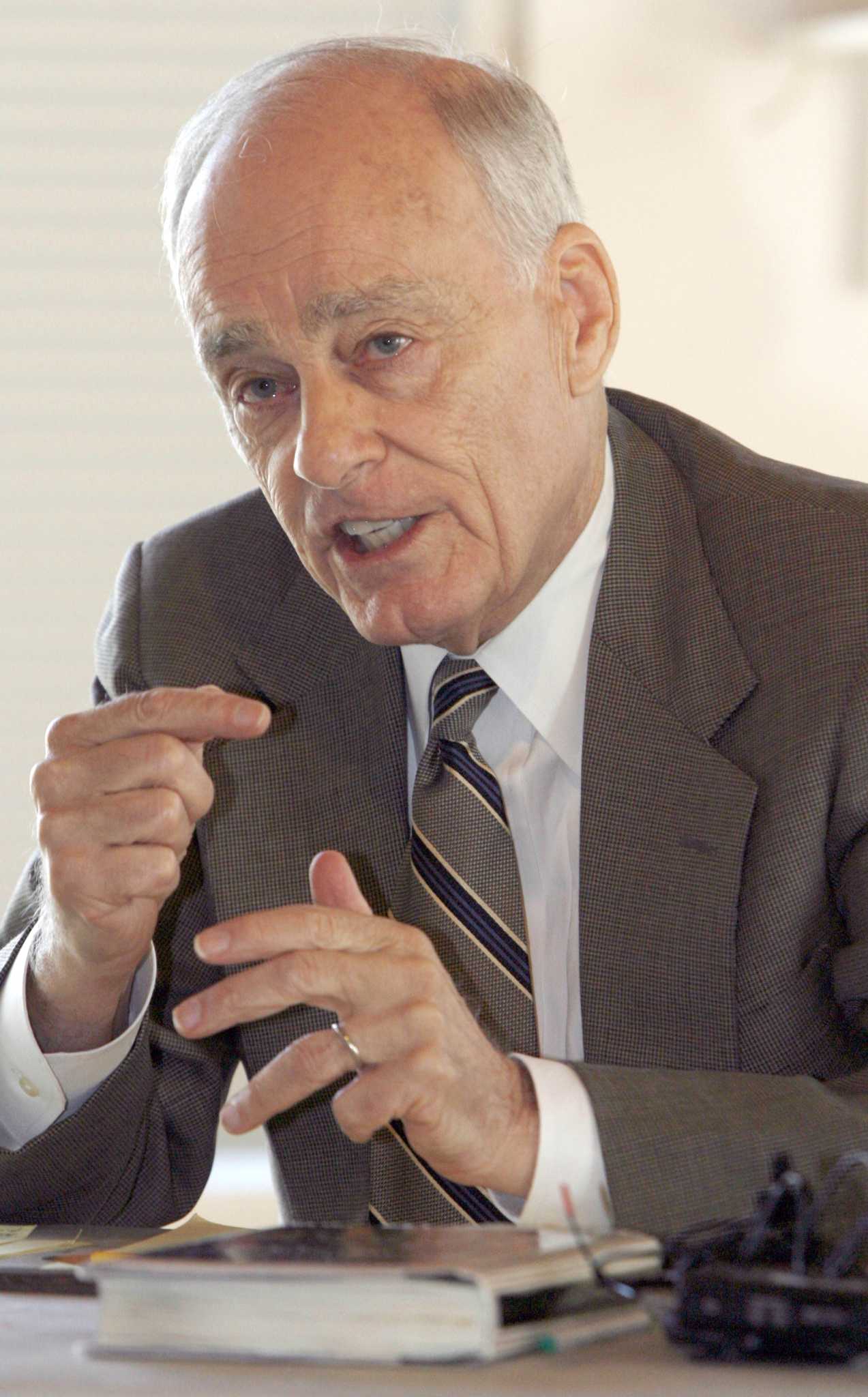
The prosecutor later wrote a book that shaped public understanding of the case.
That book was a bestseller.
The courtroom gave the country its image of the Family.
The verdict gave the case its legal end.
What the cameras could not show was the motive the prosecution argued: a plan to start a race war, called “Helter Skelter.”
What the disruption could not prove was whether Manson ordered the killings in open court.
That remains unestablished.
The public was left with the image.
The record was left with the verdict.
The stage closed, and the sentences began.
AND THE STORY STILL ISN'T OVER
Charles Manson died in prison on November 19, 2017, at the age of 83.
Susan Atkins died in prison earlier, on September 24, 2009, at the age of 61.
Patricia Krenwinkel remains in prison.
She has been denied parole multiple times.
Charles "Tex" Watson remains in prison.
He has been denied parole multiple times.
Future parole decisions for them are not specified in the record.
Leslie Van Houten was granted parole in 2023 after a California appeals court ruled she should be released.
She was released on parole in July 2023.
Linda Kasabian, the key prosecution witness, died in 2020 in Washington state.
She was never charged.
The case remains one of the most infamous in American criminal history.
The media coverage at the time has been studied as a turning point.
It was a turning point in how the public perceived crime.
It was a turning point in how the public perceived the counterculture.
The shaved heads were a courtroom fact.
The swastikas were a courtroom fact.
The "Helter Skelter" motive was argued by the prosecution.
It was documented in Vincent Bugliosi's book.
What the cameras could not show was the interior of the Family.
What the trial could not settle was the question of command.
Did Manson order the killings in open court?
Did he hypnotize his followers?
The record does not establish that.
That would require evidence.
The sentences began.
The stage closed.
The story stayed open.
Advertisement
You may also like
The traffic stop that freed Winston Moseley days before Kitty Genovese's murder
Days before the murder, Winston Moseley was questioned in a routine traffic stop and released. The investigation record documents the stop. It documents the…
The 2018 interview in which Duane Davis described the Cadillac, the gun, and the handoff — and what detectives did next
In 2018, Duane “Keffe D” Davis sat for an interview. He described being in the white Cadillac that night on the Las Vegas Strip.…
The river stakeout that heard a splash and stopped Wayne Williams — but the bodies kept coming
The Jackson Parkway bridge spans the Chattahoochee River, and on May 22, 1981, police were staked out beneath it. They were waiting for a…
The Green River Task Force's own mistakes let a killer slip through for 20 years
He passed the polygraph in 1984, and the Green River Task Force cleared him. Gary Ridgway walked out of the interview and went back…
A wedding ring left on the dresser — and the confession that followed it
The ring sat on the bedroom dresser. Shanann Watts had returned home that morning, August 13, 2018, from a business trip to Arizona. Her…
The car trunk odor that haunted Casey Anthony's trial — and the verdict that followed
The odor came from the trunk of an abandoned car. In July 2008, investigators impounded the vehicle that Casey Anthony had left behind in…