The $100 million compensation fund that still cannot close the Epstein case
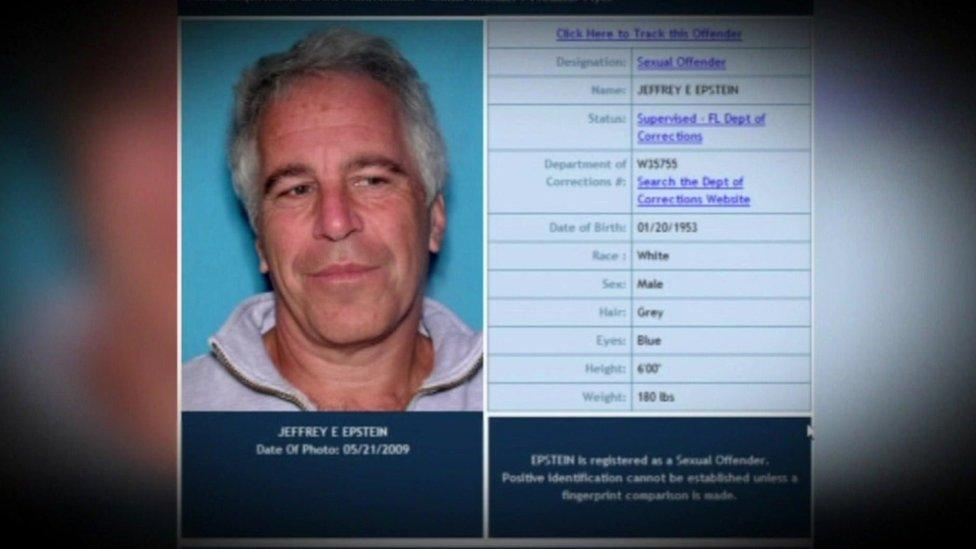
The estate of Jeffrey Epstein has paid out over $100 million to victims through a compensation fund.
The fund exists because Epstein died by suicide on August 10, 2019, in his Manhattan jail cell before trial.
His brother Mark Epstein manages the estate.
The estate has sold properties to pay settlements: the Palm Beach mansion, the Manhattan townhouse.
No other co-conspirators have been charged.
Victims continue to pursue claims against the estate.
In some cases, they pursue claims against banks and others alleged to have facilitated the abuse.
A large payout is not the same as closure.
The exact number of claimants is not in the record.
The current balance of the fund is not in the record.
What remains unresolved?
Who else might have been involved?
What did the money actually settle?
That would require evidence.
The record shows one conviction and a nine-figure payout.
It does not show a closed case.
THE 2005 COMPLAINT AND THE 2008 PLEA
It began with a mother in Palm Beach, Florida, in 2005.
She reported that Epstein had sexually abused her 14-year-old daughter.
Detective Joseph Recarey led the initial investigation.
He interviewed dozens of girls.
He gathered financial records that showed Epstein paid victims.
The case grew, and the FBI became involved.
Then came the deal.
In 2007, then-U.S. Attorney Alexander Acosta negotiated a non-prosecution agreement.
That agreement allowed Epstein to plead guilty in 2008 to state charges of soliciting a minor and procuring a minor for prostitution.
He served 13 months in the Palm Beach County jail.
He served them with extensive work release.
He was required to register as a sex offender.
The specific terms of that work release schedule are not detailed in the record.
The deal shaped everything that followed.
A federal judge later ruled the non-prosecution agreement illegal.
It violated the Crime Victims’ Rights Act, the judge found, because victims were not notified.
The government did not reopen the case after that ruling.
Not because the ruling was reversed.
But because the government chose not to act.
The record does not establish why.
It shows the deal was struck.
It shows the deal was ruled illegal.
It does not show the case being reopened.
THE 2019 CHARGES AND THE DEATH
In 2019, the Miami Herald’s investigation, led by reporter Julie K. Brown, revived public interest and prompted federal prosecutors in New York to file new charges.
Federal prosecutors charged Epstein with sex trafficking of minors and conspiracy.
He pleaded not guilty.
Evidence included flight logs from Epstein’s private jet, testimony from victims, and financial records.
Epstein died by suicide in his Manhattan jail cell on August 10, 2019, before trial.
His death ended the federal case against him.
The trial never happened.
It was scheduled.
It was prepared.
It was stopped.

The circumstances of the suicide are not detailed beyond the record’s statement that it occurred.
That is not established.
That would require evidence.
His longtime associate Ghislaine Maxwell was later convicted of helping recruit and abuse minors.
She was tried in 2021 and convicted on five counts, including sex trafficking of a minor.
She was sentenced in 2022 to 20 years in prison.
Her appeal is pending.
The record does not say what happens next.
THE TWO INTERPRETATIONS
Prosecutors in the 2021 trial presented Epstein as a sex trafficker of minors.
Ghislaine Maxwell was convicted on five counts, including sex trafficking of a minor.
That is the prosecution's reading of the record.
The defense's reading starts earlier, in 2008.
Epstein pleaded guilty only to state charges of soliciting a minor and procuring a minor for prostitution.
He served 13 months in the Palm Beach County jail.
Two readings of the same man.
One sees a trafficker who escaped full accountability.
The other sees a man who pleaded guilty to what the state charged.
The 2007 non-prosecution agreement was later ruled illegal by a federal judge.
The government did not reopen the case.
Acosta resigned as Secretary of Labor in 2019 amid scrutiny of his role in the plea deal.
Maxwell was sentenced in 2022 to 20 years in prison.
Her appeal was denied in 2024.
No other co-conspirators have been charged.
Is the case closed?
Not by the record.
The estate has paid out over $100 million, and one conviction stands.
Whether any other individuals will face charges is not established in the record.
That would require evidence.
The record does not have it.
AND THE STORY STILL ISN'T OVER
Epstein is dead, and his estate has paid out over $100 million to victims through a compensation fund.
The money came from properties sold by his brother, Mark Epstein, who has managed the estate since the death.
The Palm Beach mansion sold. The Manhattan townhouse sold. The settlements were paid.
Ghislaine Maxwell is serving her 20-year sentence at FCI Tallahassee in Florida.
Her appeal was denied in 2024.
She remains the only person convicted in the case.
No other co-conspirators have been charged.
That remains true even after the 2008 non-prosecution agreement was ruled illegal.
The government did not reopen the case.
Victims continue to pursue claims against Epstein's estate.
In some cases, they are pursuing claims against banks and others alleged to have facilitated the abuse.
Those claims move through civil courts, not criminal ones.
Mark Epstein manages what is left of the estate, selling assets to meet the obligations.
The compensation fund exists. It has paid out. It has not ended the legal questions.
The 2008 agreement was illegal, the record states. The government chose not to act on that ruling.
What comes next?
Is there a hearing date? A pending motion? A new charge?
That is not specified in the record.
That would require evidence.
The record does not have it.
So the case sits where the money and the one conviction left it: open.
Advertisement
You may also like
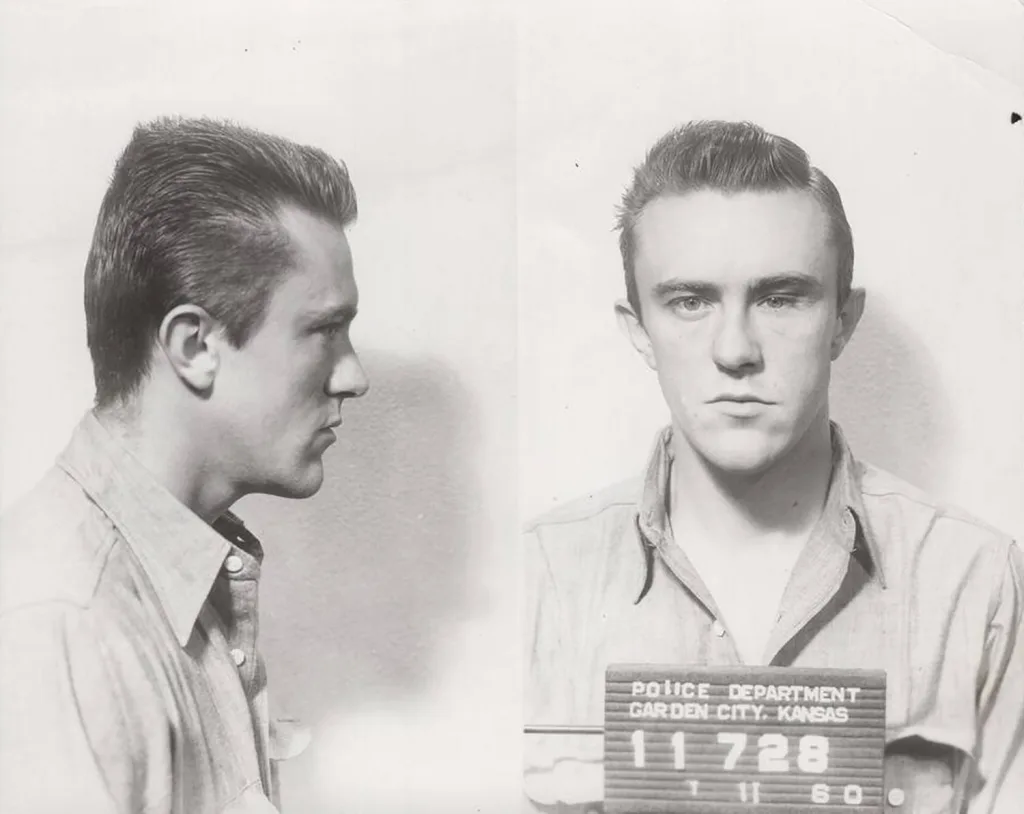
The bloodstained boots that cracked a four-murder case — but only after a tip from a cellmate
A pair of bloodstained boots. They belonged to Richard Hickock, and they were found in the men’s possession. Alongside them was a radio stolen…
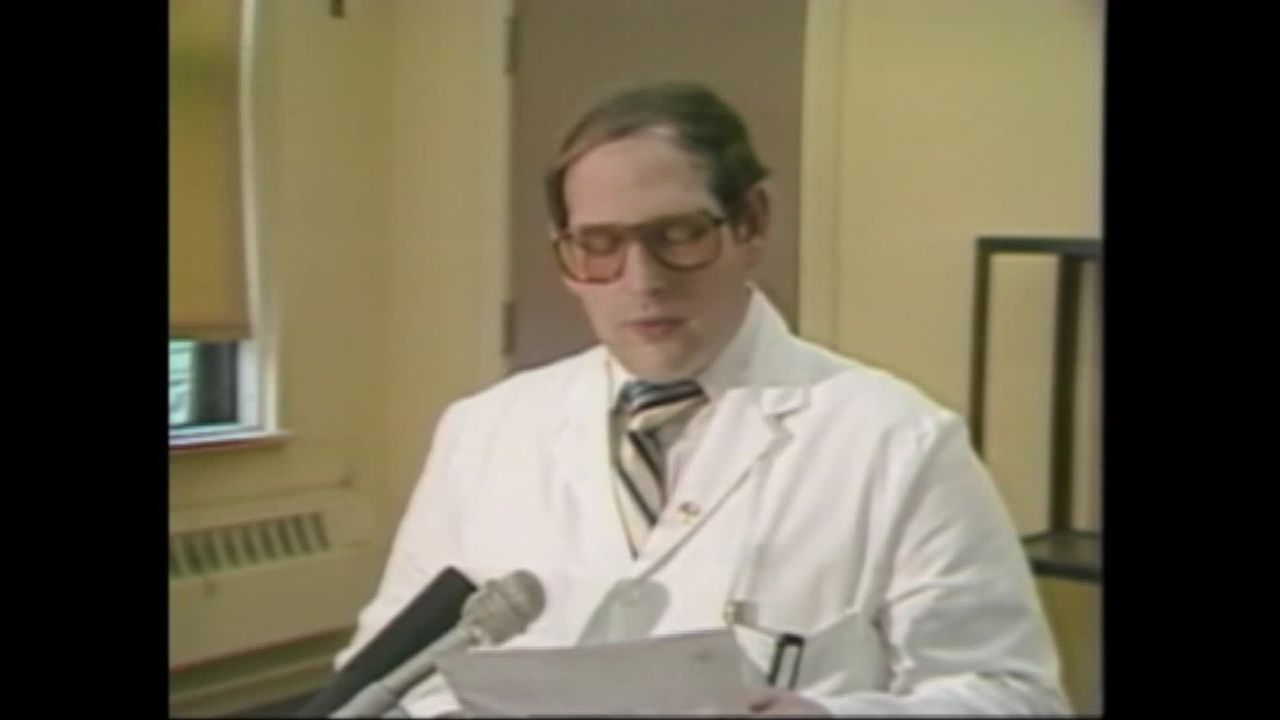
The Tylenol bottle that doctors first called a stroke — before cyanide changed everything
The first victim was 12 years old, taking Extra-Strength Tylenol for a cold in Elk Grove Village. The date was September 29, 1982. The…
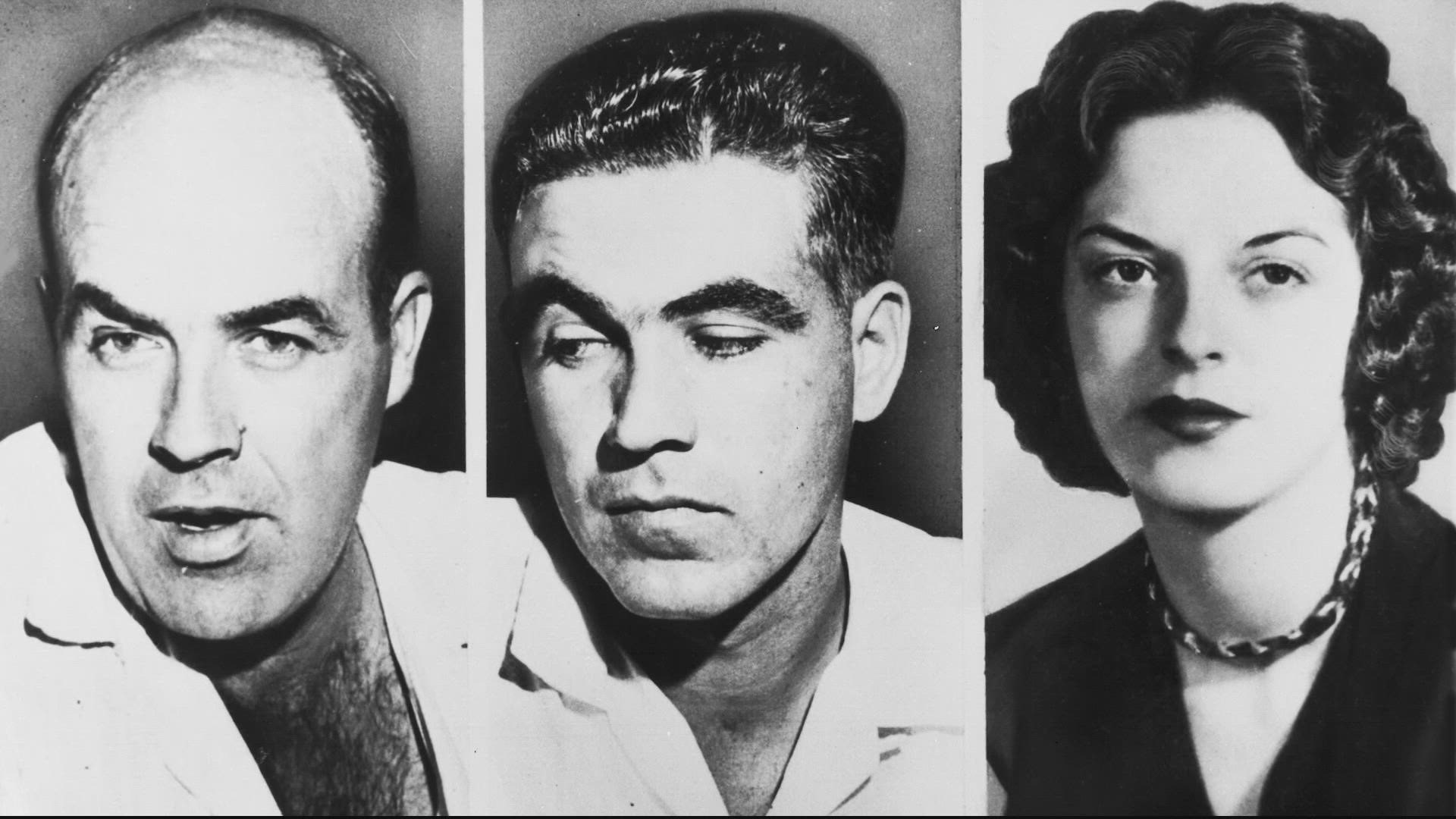
The cotton gin fan tied to Emmett Till's neck — and the sheriff who said the body wasn't his
The river gave it back on August 31, 1955. A cotton gin fan was tied to the neck with barbed wire. The body was…
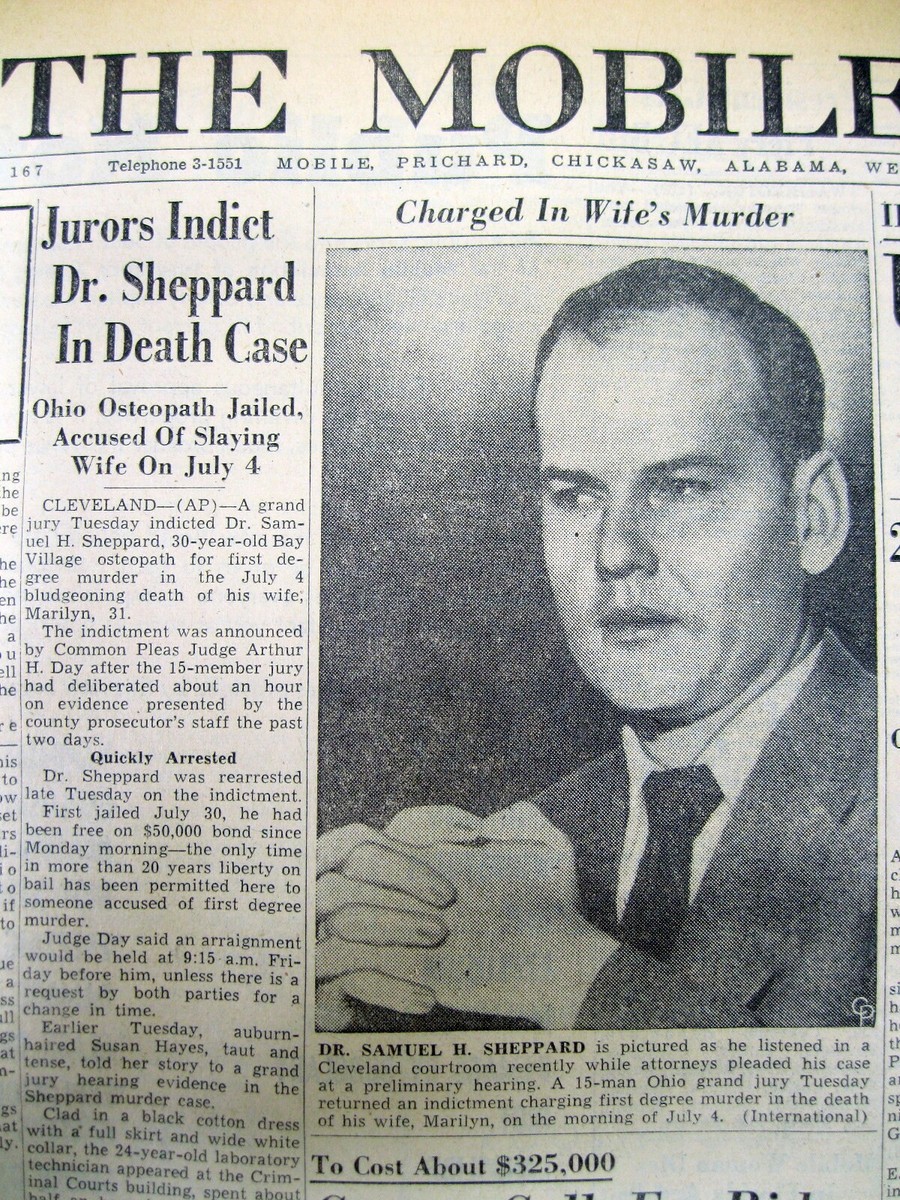
The bloody watch in the yard that didn't fit the intruder story
The watch was in the grass of the Sheppard yard, its face crusted with blood. It belonged to Sam Sheppard, the husband of the…
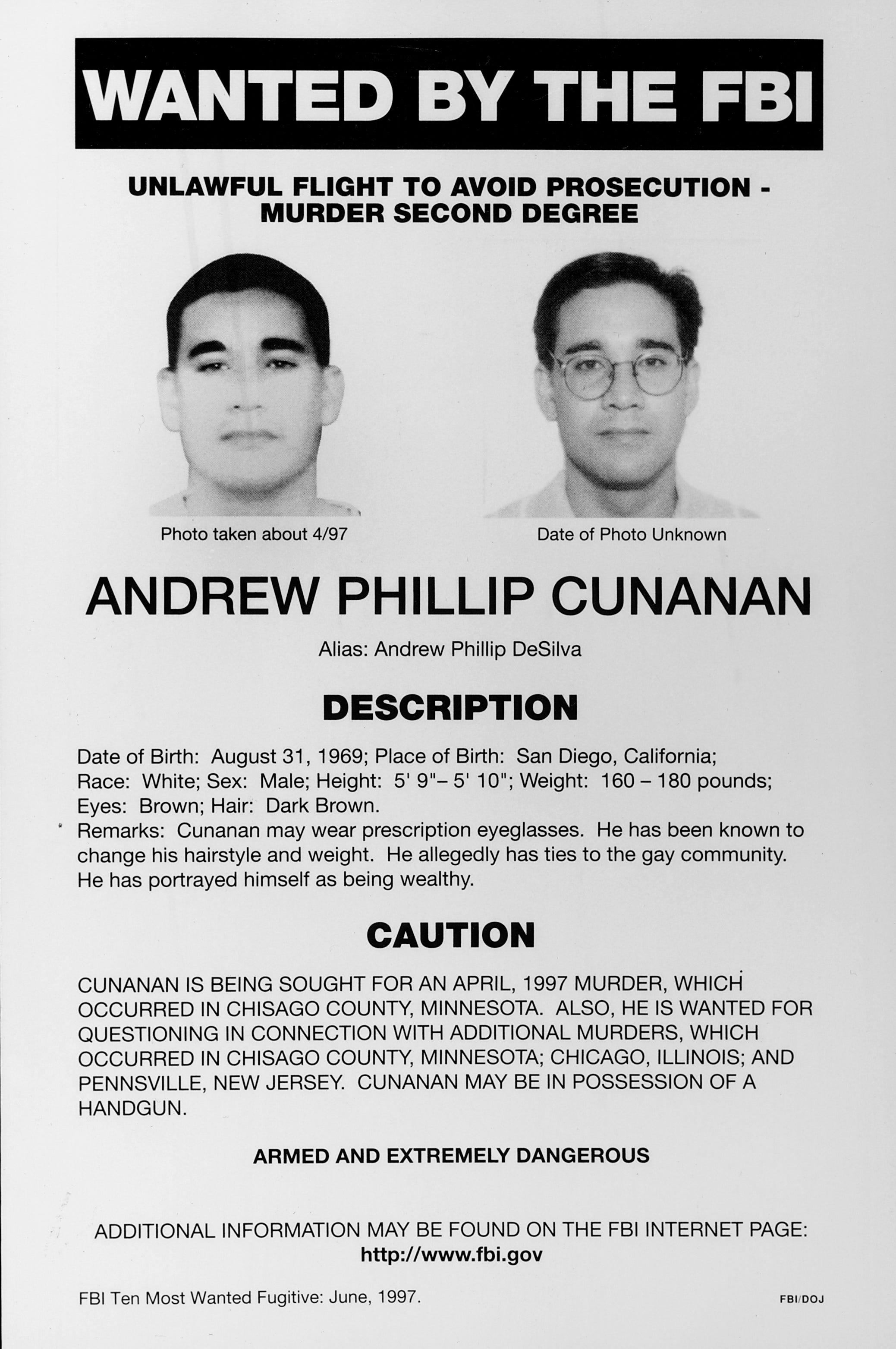
The wanted poster at a Miami hotel that no one looked at for a month
The wanted poster sat at the front desk of the Normandy Plaza hotel in Miami Beach for over a month. It showed Andrew Cunanan,…
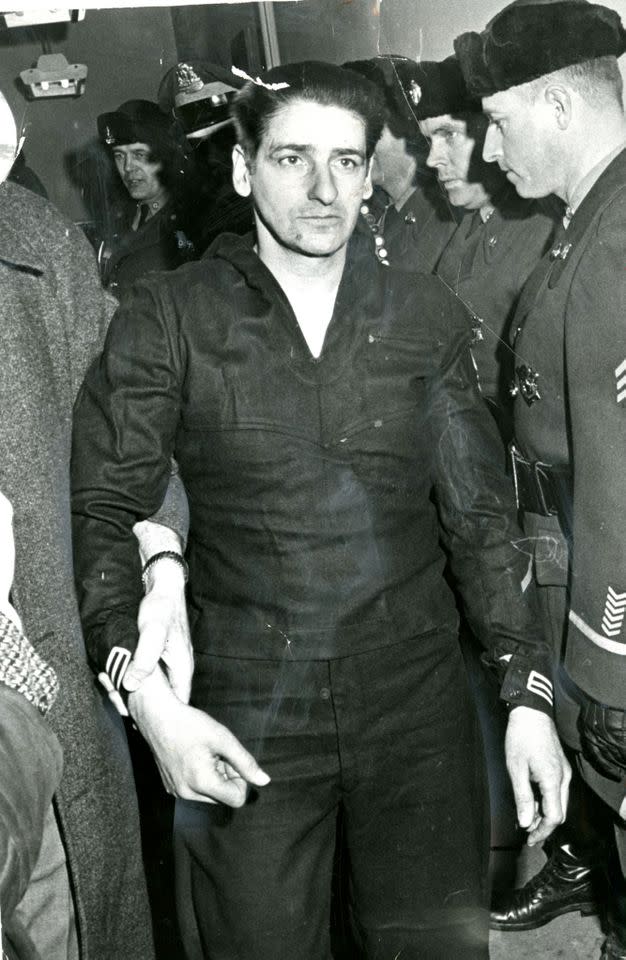
The confession that never reached a courtroom — and the DNA match that came 49 years too late
In 1965, Albert DeSalvo was already in custody for other crimes when he confessed to being the Boston Strangler. His attorney, F. Lee Bailey,…