The cotton gin fan tied to Emmett Till's neck — and the sheriff who said the body wasn't his
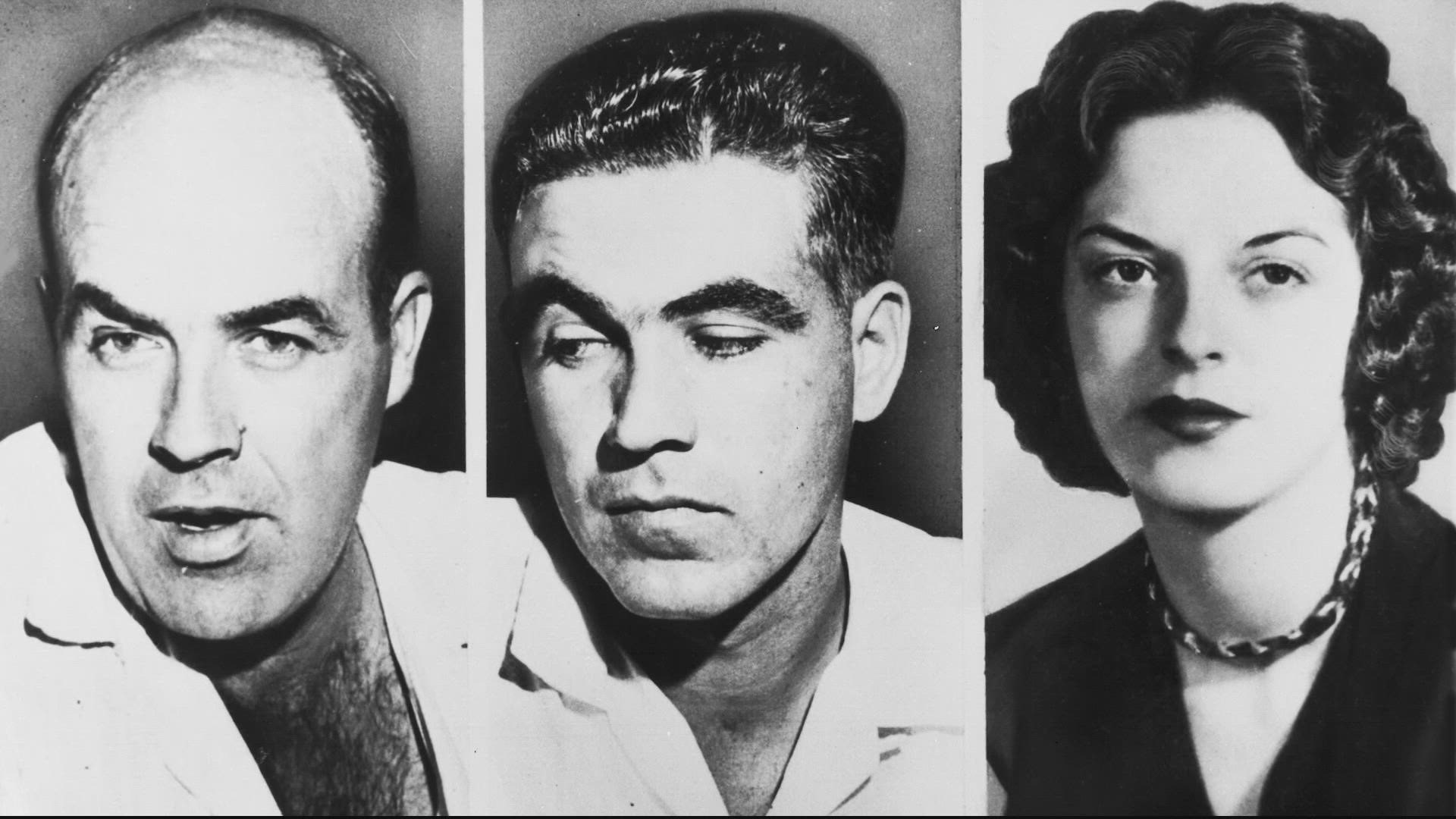
The river gave it back on August 31, 1955.
A cotton gin fan was tied to the neck with barbed wire.
The body was that of Emmett Till, a 14-year-old Black teenager from Chicago visiting relatives in Money, Mississippi.
That is what the record documents.
Before the body was even identified, the Leflore County Sheriff publicly said it was not Till's.
He claimed it had been planted to stir up trouble.
Why would a sheriff say that?
Why would he deny a body before anyone had looked at it?
Why would the first word from authority be doubt?
That would require evidence, and the sheriff offered none.
The fan itself was traced to a local gin.
The connection was not pursued rigorously.
The weapon used to shoot Till was not definitively identified in court.
That remains unknown.
The body was pulled from the water.
The fan was heavy.
The denial was immediate.
THE ERRAND AND THE ABDUCTION
He arrived at the store on August 24, 1955.
Witnesses said he whistled at or spoke to Carolyn Bryant, the white store clerk.
What exactly he said or did is not definitively established.
The record only holds what witnesses claimed, and their accounts vary.
Four nights later, on August 28, Roy Bryant and his half-brother, J.W. Milam, came to the home of Till's great-uncle, Moses Wright.
They took the boy.
Moses Wright later testified at trial that Bryant and Milam had taken Till.
That testimony stands in the record.
The investigation was led entirely by local authorities.
The FBI was not involved at the time.
That is a structural fact of the case, not a theory.
The work was hampered by a lack of forensic effort.
It was hampered by the refusal of many white witnesses to cooperate.
It was hampered by the simple choice not to look harder.
The fan tied to the body was traced to a local gin.
The connection was not pursued rigorously.
That is what the source documents: a lead found, then dropped.
The sheriff had already suggested the body was not Till's before the identification was settled.
His doubt shaped the inquiry.
It shaped what witnesses were asked and what they would say.
The body was pulled from the water.
The fan was heavy.
The denial was immediate.
The investigation moved the way the denial allowed it to move.
THE SHERIFF'S DOUBT AND THE TRIAL
The sheriff's doubt became the defense's argument.
Moses Wright identified the body.
He testified that the two men had taken Till from his home.
The sheriff had said publicly the body was not Till's.
The record does not establish why the sheriff made that claim.
Only that he made it.
Bryant and Milam were tried jointly in September 1955 in Sumner, Mississippi.
The trial lasted five days.
The defense argued the body was not Till's.
The prosecution, the defense said, had failed to prove identity.
The cotton gin fan was traced to a local gin.
The connection was not pursued rigorously.
The FBI was not involved; local authorities handled the case alone.
The all-white male jury deliberated for just over an hour.
They returned a verdict of not guilty for both defendants.
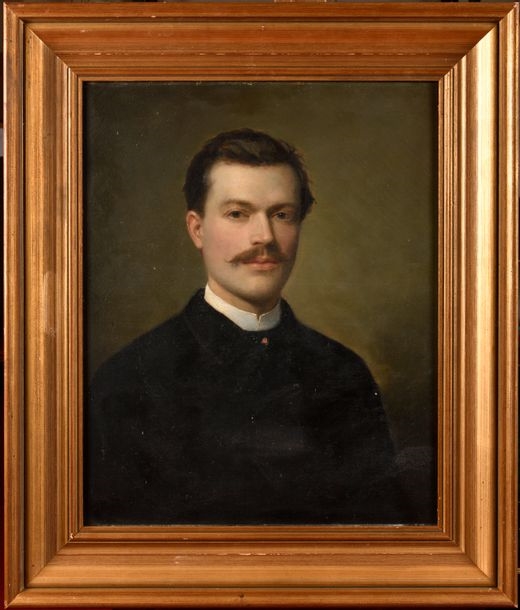
The acquittal sparked national outrage.
No appeals were filed.
There was no conviction to appeal.
That is the legal dead end the record notes.
Both men were later indicted on kidnapping charges.
A grand jury declined to indict them.
That would require evidence.
The second failure followed the first.
THE CONFESSION AND THE RECANTATION
The confession arrived in print before the decade was out.
Journalist William Bradford Huie interviewed Roy Bryant and J.W. Milam after the acquittal, and Look magazine published their account in 1956.
They admitted to the killing.
The source documents the publication.
Because they had been acquitted, they could not be retried.
That is the legal consequence the source states.
A published confession, a written admission, and no court could touch them.
The men were paid for the story.
Carolyn Bryant had testified at trial that Till grabbed her.
Decades later, in a 2007 interview with historian Timothy Tyson, she said she could not remember the details of parts of her testimony.
The source records the recantation.
What exactly she recanted is not fully specified in the source.
Only that she could not remember.
In 2004, the FBI reopened the case.
In 2007, a grand jury declined to indict anyone new.
The second failure followed the first.
In 2022, an unserved arrest warrant for Carolyn Bryant was discovered.
No charges were filed.
The source notes this late development.
A confession published. A recantation decades later. Still no consequence.

The killers died in the 1980s and 1994, respectively, without ever being convicted.
The record keeps the confession, the recantation, and the silence of the courts.
AND THE STORY STILL ISN'T OVER
Roy Bryant and J.W. Milam died in the 1980s and 1994, respectively, without ever being convicted.
The victim's mother insisted on an open-casket funeral in Chicago.
The source records that the open casket drew national attention.
She died in 2003, still advocating.
In 2022, an unserved arrest warrant for Carolyn Bryant was discovered.
No charges were filed.
Whether any new charges will ever be filed is not established — the source records no pending action.
The Emmett Till Antilynching Act was signed into federal law in 2022.
A law named for a boy.
A warrant never served.
A confession published.
A recantation decades later.
Still no consequence.
The cotton gin fan remains.
The barbed wire remains.
The river remains.
These physical facts are the documented core of the case, even as the legal story remains unresolved.
The fan was traced to a local gin, but the connection was not pursued rigorously.
That is in the record.
What the record does not establish is a conviction.
What the record does not establish is a retrial.
What the record does not establish is a final accounting.
The killers are dead.
The mother is dead.
The warrant sits unserved.
A family's fight produced a federal law, not a verdict.
That is the weight of an unfinished story.
Advertisement
You may also like
A pajama top's ice-pick hole pattern that sealed a 1979 conviction — and the man still fighting it
The pajama top is folded into the evidence file, its fabric held together by the holes that mattered. Army Captain Jeffrey MacDonald's pajama top…
The phone records that placed Adnan Syed near Leakin Park—but may not have been his calls
The phone records placed Adnan Syed near Leakin Park at the time of the burial. The records were built on incoming calls. Incoming calls…
A floppy disk question that led police to a church computer — and a killer
In 2004, a man who had taunted police for decades under the name BTK asked a question in a letter. He wanted to know…
A parole check unearthed a kidnapper's confession — but only after a 2-month cold case
The night of October 1, 1993, began as a slumber party. Twelve-year-old Polly Klaas was in her mother's home in Petaluma, California, with two…
The parole violation that ended a career criminal's run — and a 12-year-old's slumber party
December 4, 1993. Richard Allen Davis was arrested for violating parole. The charge was unrelated to Polly Klaas. The specific nature of the parole…
The Moab 911 call that officers ignored — and the missed chance to save Gabby Petito
The 911 call came in on August 12, 2021, from a witness in Moab, Utah. The witness had seen a man slap a woman…