The parole violation that ended a career criminal's run — and a 12-year-old's slumber party

December 4, 1993. Richard Allen Davis was arrested for violating parole. The charge was unrelated to Polly Klaas. The specific nature of the parole violation is not detailed in the source.
The arrest came 64 days after Polly was abducted from her mother's home in Petaluma, California. That was the night of October 1, 1993. The slumber party. The intruder. The pillowcases. The two friends who freed themselves and alerted her mother.
Davis was a career criminal with a long record of kidnappings and violent offenses. The record was long. The offenses were violent. The pattern was known.
A palm print found at the scene had been initially unusable. It was later matched to Davis after this arrest. Not because the print had changed. Because the suspect was now in custody to compare it against. A woman who had been in a relationship with Davis contacted authorities after recognizing him from news coverage. She saw his photo. She made the call.
A routine parole check cracked a massive case. One of the largest investigations in California history, involving local police, the FBI, and hundreds of volunteers. All of it stalled. Then a parole violation brought it home.
What else was missed? That would require evidence. The record shows the arrest, the palm print, the phone call. It shows the pieces that fell into place only after December 4. It does not show what was overlooked before.
THE SLUMBER PARTY
The night of October 1, 1993, twelve-year-old Polly Klaas was having a slumber party with two friends at her mother's home in Petaluma, California, a small city north of San Francisco, per the source.
Around 10:30 p.m., an intruder entered the house.
He tied up the three girls and placed pillowcases over their heads, per the source.
He then abducted Polly, leaving her two friends bound but otherwise unharmed.
The friends freed themselves.
They alerted Eve Nichol, Polly's mother, who was in another part of the house.
She was on the ground below.
The two surviving girls later provided detailed descriptions of the intruder, including his clothing and mannerisms, per the source.
What did they describe?
A voice. A manner of moving. A set of clothes.
The exact method of entry into the house is not specified in the source.
It is not established.
The house was not the only room she was in.
The slumber party was in one part of the home.
Her mother was in another.
The girls were tied up.
The girls were freed.
The girls were unharmed.
Polly was gone.
THE SEARCH AND THE BREAK
The search became one of the largest in California history.
Local police worked alongside the FBI, and hundreds of volunteers joined the hunt.
The case drew national attention, a media campaign following every lead.
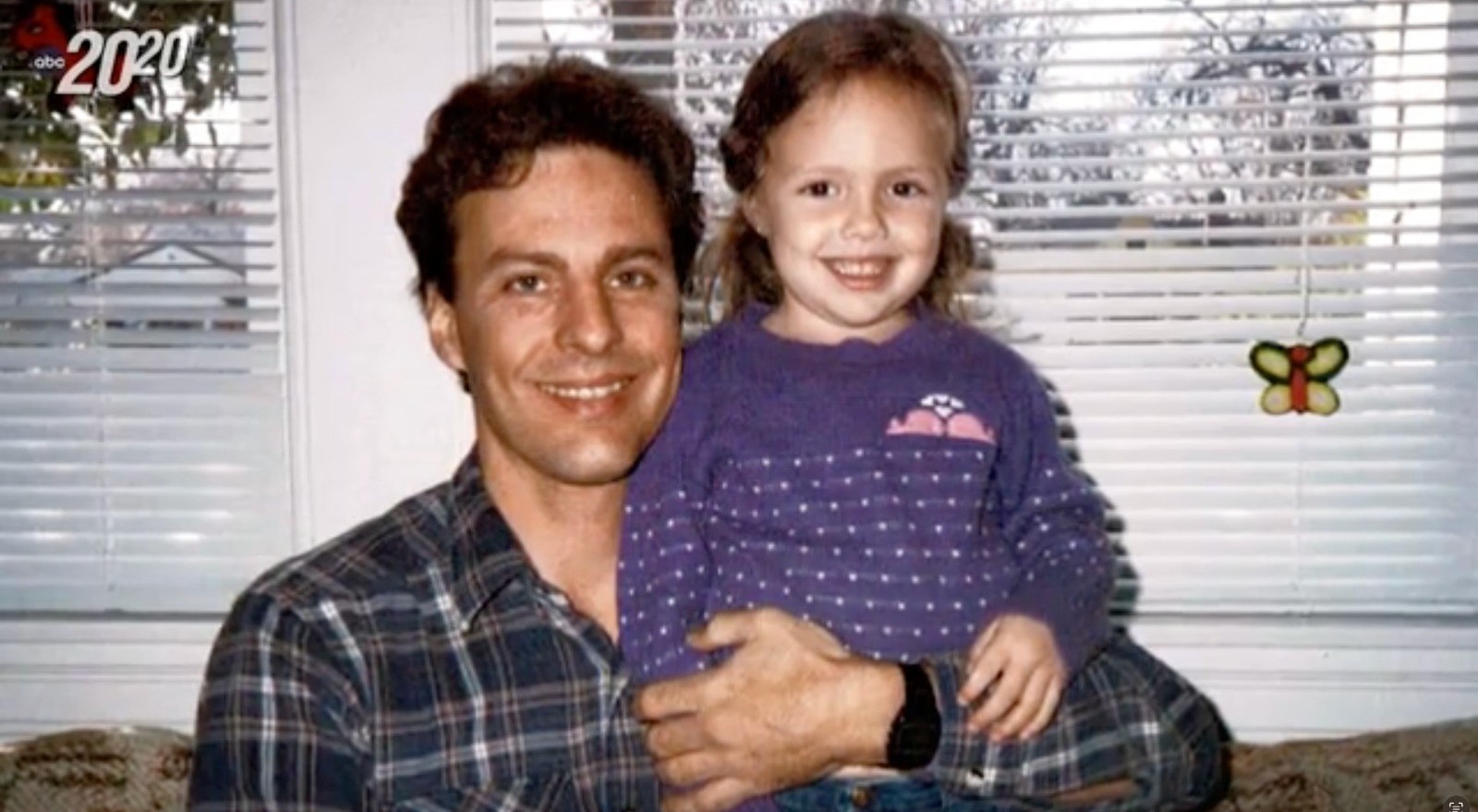
Weeks passed.
Then, on December 4, 1993, Richard Allen Davis was arrested on an unrelated parole violation.
He was a career criminal with a long record of kidnappings and violent offenses.
While in custody, the palm print found at the scene was matched to him.
A woman who had been in a relationship with him contacted authorities after recognizing his photo in news coverage.
Davis eventually confessed to the kidnapping and murder.
He led police to Polly's body, found in a shallow grave in Sonoma County, about 40 miles from Petaluma.
The cause of death was strangulation.
The exact date of the confession is not specified in the source.
The search had ended.
Not with a rescue.
With a shallow grave.
THE TRIAL AND THE TWO STORIES
The trial took place in Sonoma County Superior Court.
The prosecution, the district attorney's office, laid out its case piece by piece.
Davis's confession was placed before the jury.
So was the palm print, the match that had broken the case open.
The two girls from the slumber party testified about the man who came through the door that night.
They described the pillowcases. They described the rope.
The defense did not dispute the taking.
Davis had taken Polly, the defense conceded.
But the killing, they argued, had not been premeditated.
It was an act, they said, without the planning that the law demands for murder's highest degree.
The jury rejected that argument.
On June 18, 1996, Davis was convicted of first-degree murder with special circumstances.
He was also convicted of kidnapping and burglary.
The special circumstances finding was the jury's answer: this was not a sudden act.
It was calculated. It was planned. It was murder of the worst kind.
The penalty phase followed, and the jury recommended death.
On September 26, 1996, the judge sentenced Davis to death.
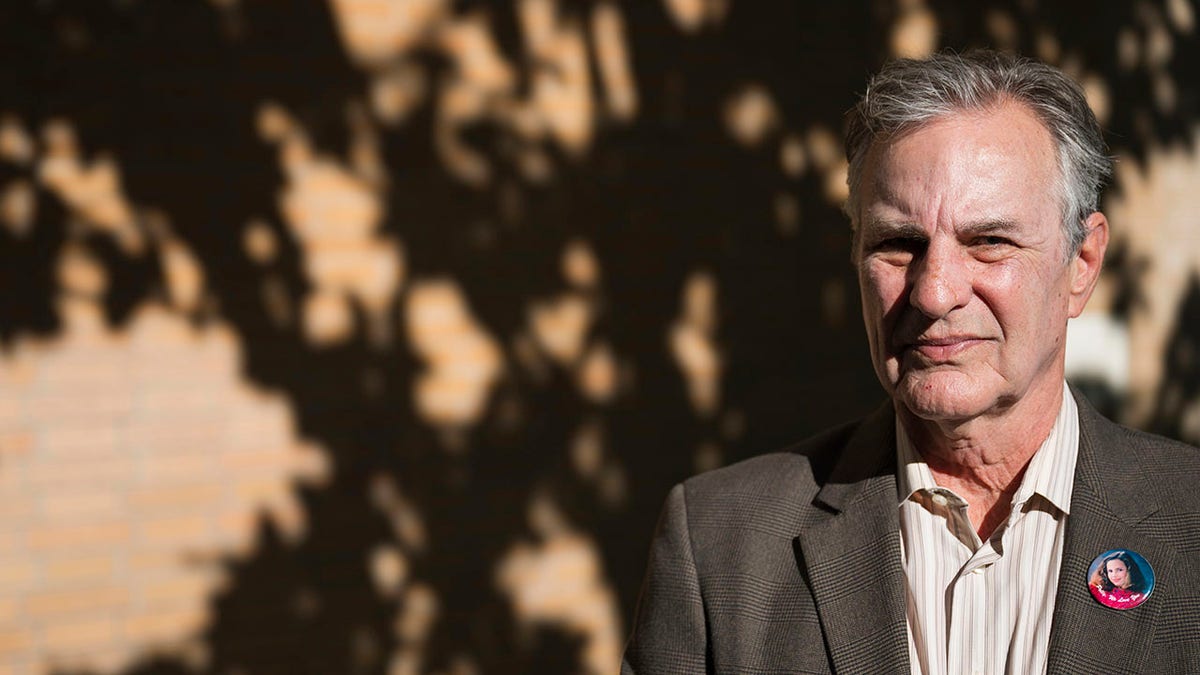
At the sentencing hearing, Davis made a statement.
The source does not quote it.
The source says only that it was unrepentant and that it drew widespread condemnation.
What he said that day is not established by the record.
What is established is the sentence, and the finding that preceded it.
The defense had asked the jury to see a killing without premeditation.
The jury saw special circumstances instead.
Davis remains on death row.
AND THE STORY STILL ISN'T OVER
Richard Allen Davis remains on death row at San Quentin State Prison.
California has not carried out an execution since 2006.
His appeals have continued, and the record does not specify the status of any current or pending appeal.
His conviction and sentence were upheld on appeal in 2009.
The case changed California law.
It led to "Three Strikes" sentencing reform.
It led to "Polly's Law," which strengthened penalties for repeat offenders.
Marc Klaas founded the KlaasKids Foundation, a nonprofit dedicated to protecting children from violence.
Eve Nichol has remained active in victims' rights advocacy.
The story is not over because the sentence has not been carried out.
It is not over because the appeals continue.
It is not over because the law he triggered still shapes who gets paroled and who does not.
Davis sits on death row, a career criminal whose parole violation ended his run.
That violation was unrelated to Polly.
It was the break in the case.
The public record ties him to the crime through a palm print, a confession, and the testimony of two girls.
Any other online theory about his capture is not established by that record.
What remains is the waiting.
The waiting, and the families who turned grief into advocacy.
The waiting, and a state that has not executed anyone since 2006.
The waiting, and the question of whether his appeals will ever end.
That would require evidence, and the source does not provide it.
Advertisement
You may also like
The 1975 missing-person report that led police to Gacy — and why they never searched his home
The report was filed in 1975, for a 16-year-old named John Butkovich. It led police to John Wayne Gacy's door. Gacy told them Butkovich…

The cellphone video that caught Alex Murdaugh's voice at the kennels — after he said he wasn't there
The 911 call came at 10:06 p.m. on June 7, 2021. Alex Murdaugh told the dispatcher he had just found his wife and son…
The $5,800 ransom found by a boy on a riverbank — and the FBI clue it left behind
The bills were rotting, half-buried in the sand of the Columbia River, near Vancouver, Washington. A young boy named Brian Ingram found them in…
The jailhouse confession that finally broke the Manson case wide open
In October 1969, a woman in jail on an unrelated charge began talking to her cellmate. Her name was Susan Atkins, and the cellmate…
The confession that shifted: DeFeo Jr. led police to a river — but who else walked through 112 Ocean Avenue first?
The first call came on November 13, 1974, from a house at 112 Ocean Avenue in Amityville, a village on Long Island. A 23-year-old…
The Volkswagen Beetle that led police to Ted Bundy's trail
It was a Volkswagen Beetle. Widely reported as central to Bundy’s method of approach, the car appears again and again in retellings of the…