The $5,800 ransom found by a boy on a riverbank — and the FBI clue it left behind
The bills were rotting, half-buried in the sand of the Columbia River, near Vancouver, Washington.
A young boy named Brian Ingram found them in 1980, according to investigation records.
The FBI confirmed that $5,800 of the cash matched the serial numbers of the $200,000 ransom paid to the hijacker.
That was the physical trace, the one hard link between the legend and the ground.
The discovery proved Cooper had landed near the river, investigation analysis concluded.
It did not prove he survived.
Whether the hijacker survived the jump is not established by the discovery.
The money was there.
The man was not.
The find raised more questions than it answered, the case summary notes.
If the cash came down here, did he come down with it?
If he came down with it, why leave $5,800 behind?
If he left the money behind, what else did he leave behind?
That would require evidence.
No body was found.
No confirmed remains were ever found.
The bundle was a clue with no conclusion attached to it.
It was a fact that pointed somewhere, and the somewhere was still the night sky over southwestern Washington.
It was a fact that proved a landing.
It was not a fact that proved a life.
NOVEMBER 24, 1971
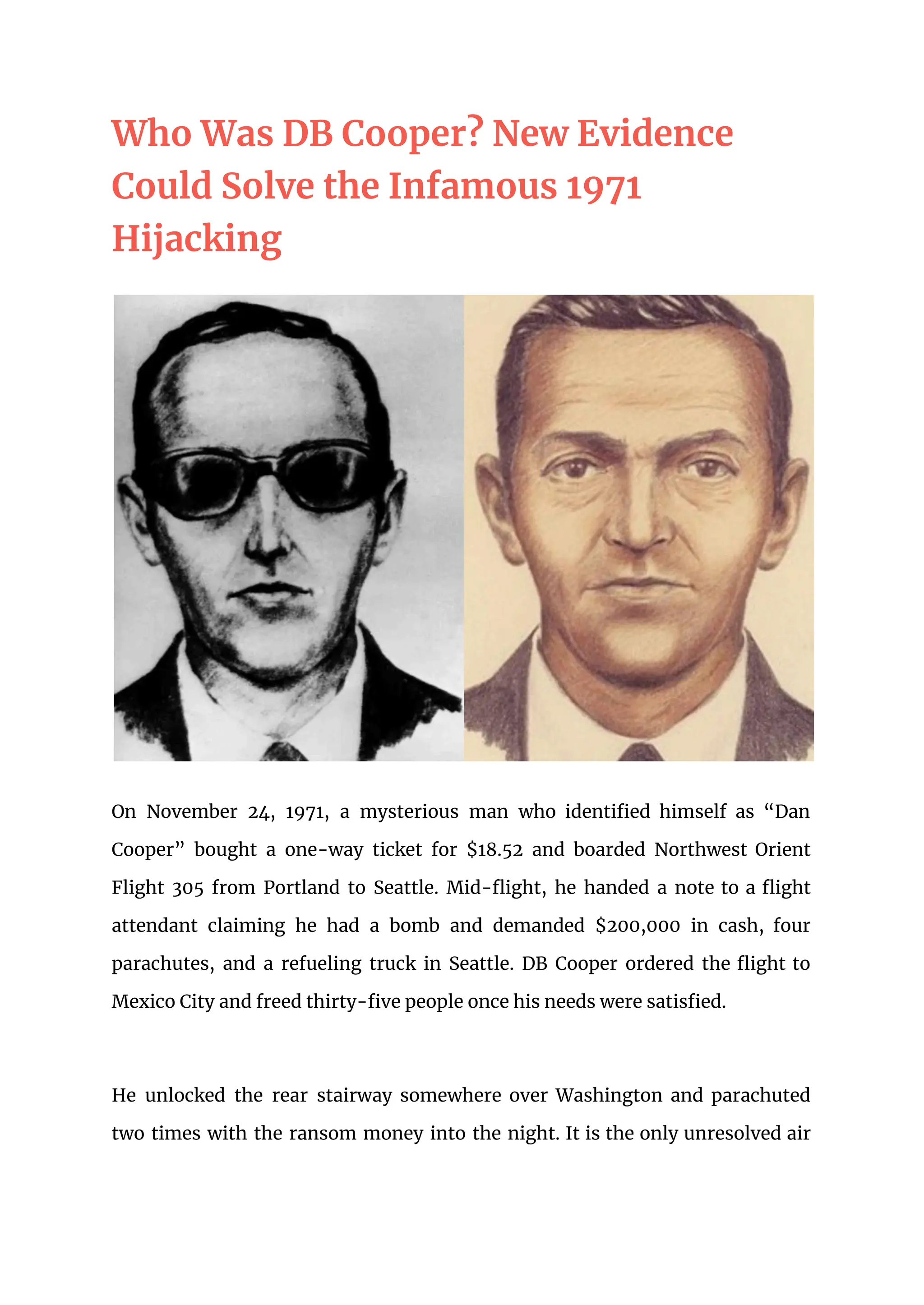
He bought the ticket with cash, one way, Portland to Seattle, on the evening of November 24, 1971.
The name on it was Dan Cooper, according to flight records, though that was an alias.
Shortly after takeoff, he handed a flight attendant a note.
The note said he had a bomb, and it demanded $200,000 in cash, four parachutes, and a fuel truck waiting in Seattle, according to her testimony.
The plane landed at Seattle-Tacoma Airport.
Passengers were released.
The ransom and the parachutes were delivered, per crew accounts.
Then Cooper ordered the crew to fly toward Mexico City.
Somewhere between Seattle and Reno, likely over southwestern Washington or northwestern Oregon, he opened the aft stairway and jumped into the night, the pilot and co-pilot said.
He was never seen again.
The exact jump location is not precisely established.
The bomb itself was never examined; it may have been a bluff.
The case record holds the note, the ticket, the flight path.
It does not hold a body.
It does not hold an arrest.
It does not hold a name that checks out.
The flight attendants described a man who was calm, polite, ordinary.
The pilot described a man who knew the 727's aft stairway could be lowered in flight.
That would require a plan.
That would require nerve.
That would require the plane to slow down and the stairs to open in the dark.
What it would not require, on that night, was proof that the bomb was real.
The crew acted on the note.
The crew acted on the threat.
The plane flew south, and the man stepped out into the weather, and the record simply stops there.
THE SERIAL NUMBERS AND THE PARACHUTES
The record holds the money first.
$200,000 in $20 bills, every serial number logged by Northwest Orient before the flight.
The FBI distributed those numbers to banks nationwide.
No bill was ever definitively traced to the hijacker.
Not one purchase, not one deposit, not one arrest.
The cash sat in the system, waiting to be spent, and it never surfaced.
Then the investigation turned to the parachutes.
Cooper demanded four, and two of them were military-style reserve chutes.
Investigators believed he chose those because they were easier to deploy.
The FBI interviewed parachute experts.
The FBI conducted test jumps.
This line of inquiry produced no suspect.
Whether the parachute expertise pointed to any specific individual is not established.
The record does not resolve it.
Then came the name.
A reporter confused the hijacker's alias with a local man and filed "D.B. Cooper" instead of "Dan Cooper."
The wrong name stuck in the public consciousness.
It was a media error documented in the case file.
It potentially confused witness recollections.
The money was traceable.
The chutes were specific.
The leads were real, and every one of them dead-ended.
The FBI believed it was close.
It was not close enough.
SUSPECTS AND THE CIVIL CASE
The FBI pursued hundreds of suspects over the decades, according to its case files.
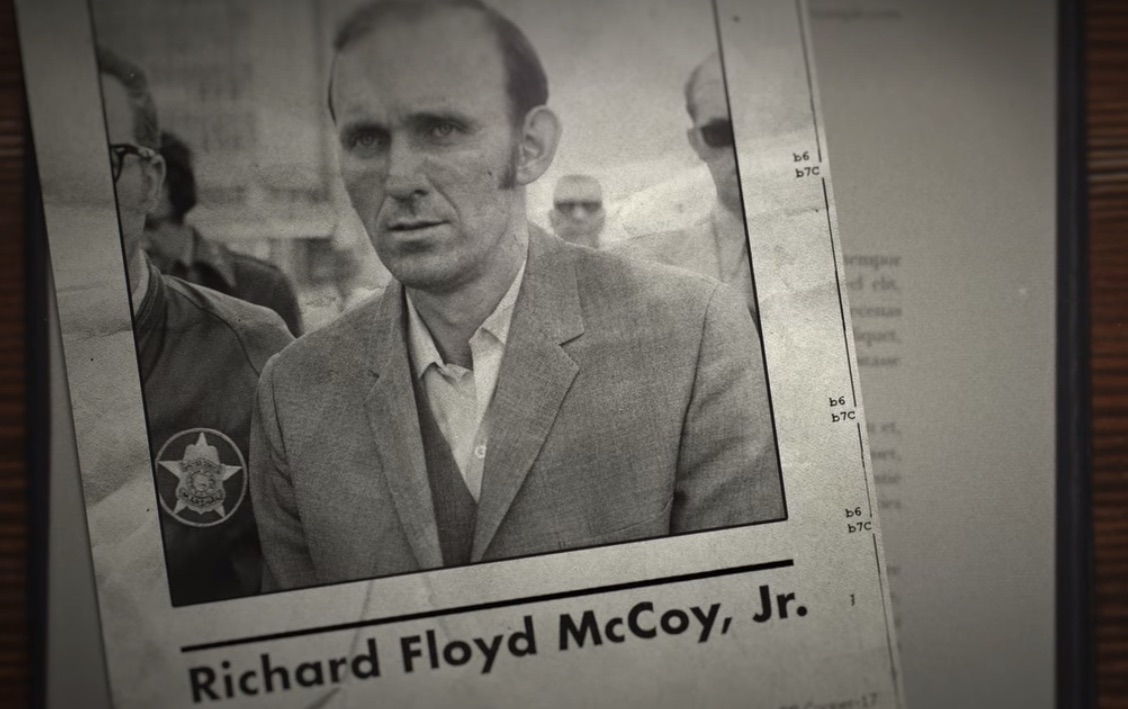
One was Richard Floyd McCoy Jr., who committed a nearly identical hijacking in 1972 and was convicted.
McCoy was considered a strong suspect.
He was never charged in the Cooper case.
DNA testing in 2007 excluded him, the FBI stated.
Whether McCoy was the hijacker is not established.
DNA testing excluded him, but no alternative was confirmed.
There was no trial.
The perpetrator was never identified, arrested, or charged.
The only legal proceedings were civil.
In 1980, the Ingram family and Northwest Orient Airlines disputed ownership of the recovered cash, according to court records.
A federal court eventually awarded the Ingram family about half of the $5,800.
The airline retained the rest.
That was the strange afterlife of the case.
A criminal mystery reduced to a civil dispute over found money.
A prime suspect who was never charged.
The FBI believed it was close.
It was not close enough.
The leads were real, and every one of them dead-ended.
Now the record holds only what the river gave back, and what the courts divided.
AND THE STORY STILL ISN'T OVER
The FBI suspended the active investigation in 2016.
It cited the age of witnesses and the passage of time.
It said it would still review credible leads.
That is the closest the agency has come to an ending.
The case is the only unsolved hijacking in U.S. history.
The identity of Dan Cooper remains unknown.
His fate is still debated.
The FBI has stated it believes Cooper likely did not survive, given the weather and terrain.
No remains have ever been found.
Whether he survived the jump remains unresolved.
That is not established.
The record holds only what the river gave back.
The Ingram family sold part of the recovered ransom money at auction.
The $5,800 became a relic, then a lot number.
The rest of the $200,000 never surfaced.
No bill was ever definitively traced to the hijacker.
No body.
No arrest.
No charge.
No trial.
The case is closed to active work but not to memory.
Tips still come in.
The next concrete step is simply the next credible lead.
The FBI said it would review them.
That is all it can do now.
The riverbank gave back $5,800.
It has not given back the rest.
It has not given back a name.
It has not given back an answer.
The story is not over.
It is just unsolved.
Advertisement
You may also like

The prussic acid purchase that changed the Lizzie Borden case
August 3, 1892, the day before the murders. Lizzie Borden walked into a drugstore in Fall River, Massachusetts, and asked to buy prussic acid.…
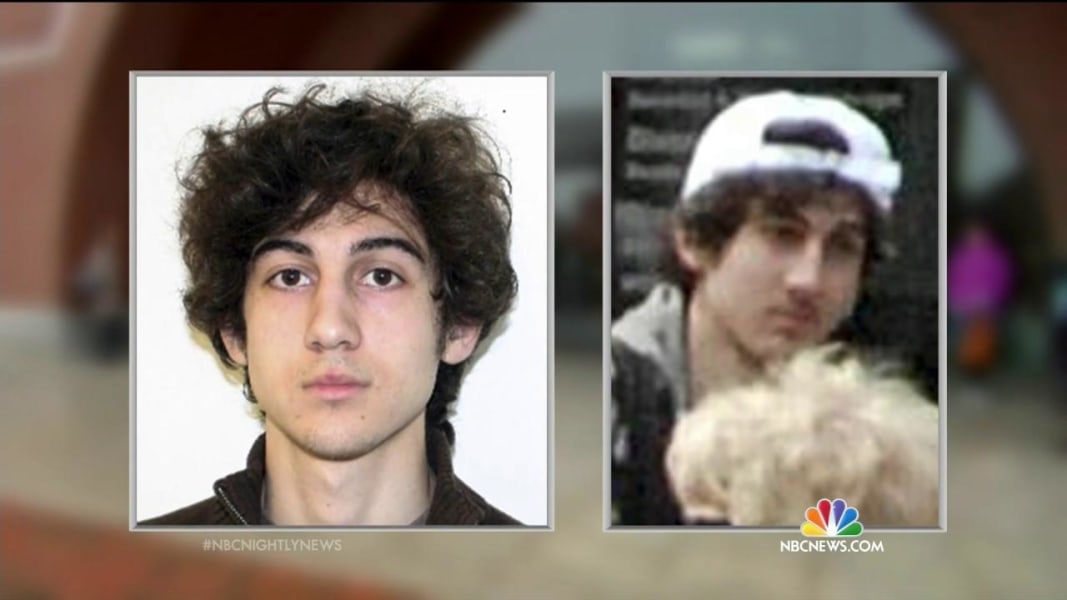
The boat message that sealed Dzhokhar Tsarnaev's fate — but only after a carjacking that went wrong
On April 19, 2013, Dzhokhar Tsarnaev was found hiding in a boat in a backyard in Watertown, Massachusetts. The boat was ordinary. It sat…
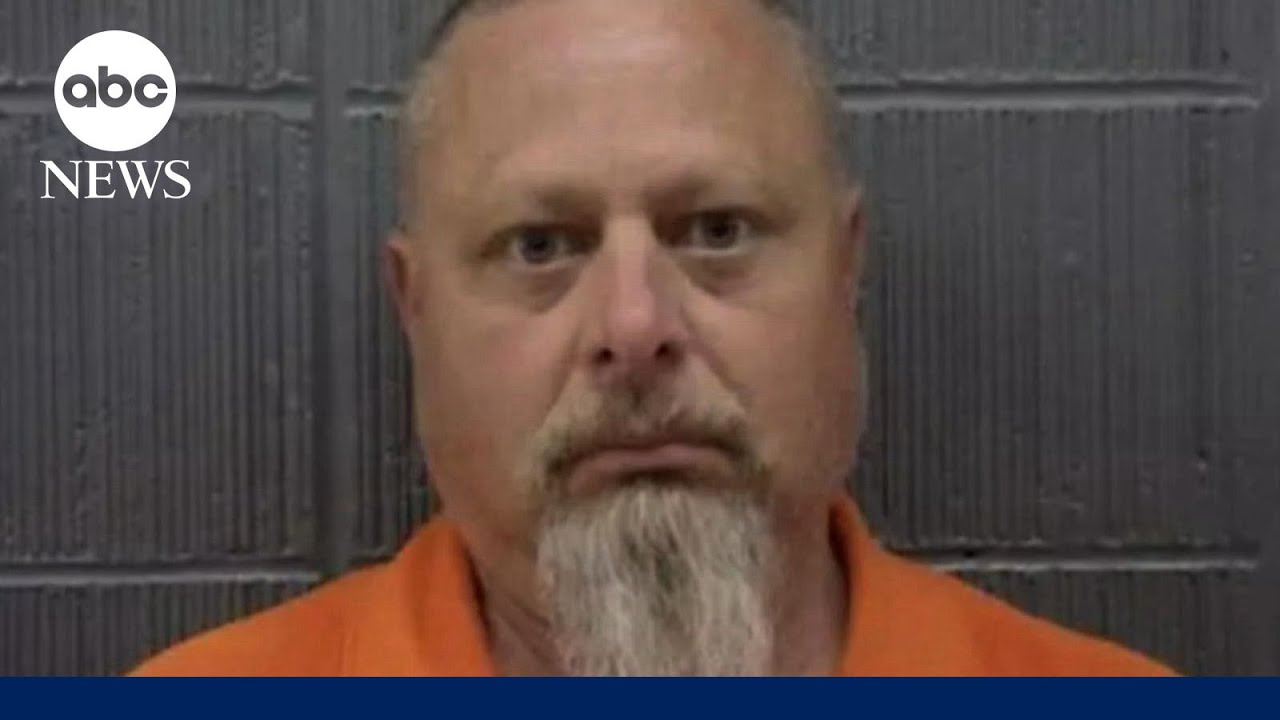
The bullet that matched Richard Allen's pistol — and the confession he made to prison staff
The bullet sat in an evidence room for years before anyone matched it. An unspent round, found at the scene where two girls died.…
The tip-off that doomed the ATF raid before a single shot was fired at Waco
A local news reporter had been tipped off about the raid. He asked a postal worker about it. That question is the documented moment…
The undertaker who moved the bodies before police reached the Hall-Mills crime scene
They lay beneath a crabapple tree in a secluded lane called Lovers' Lane. He was shot in the head. She was shot in the…
The 31-Day Gap That Made Detectives Ask Why a Mother Never Reported Her Child Missing
The 911 call came on July 15, 2008. Cindy Anthony was the one who made it. She told the operator that her two-year-old granddaughter,…