The cellphone video that caught Alex Murdaugh's voice at the kennels — after he said he wasn't there
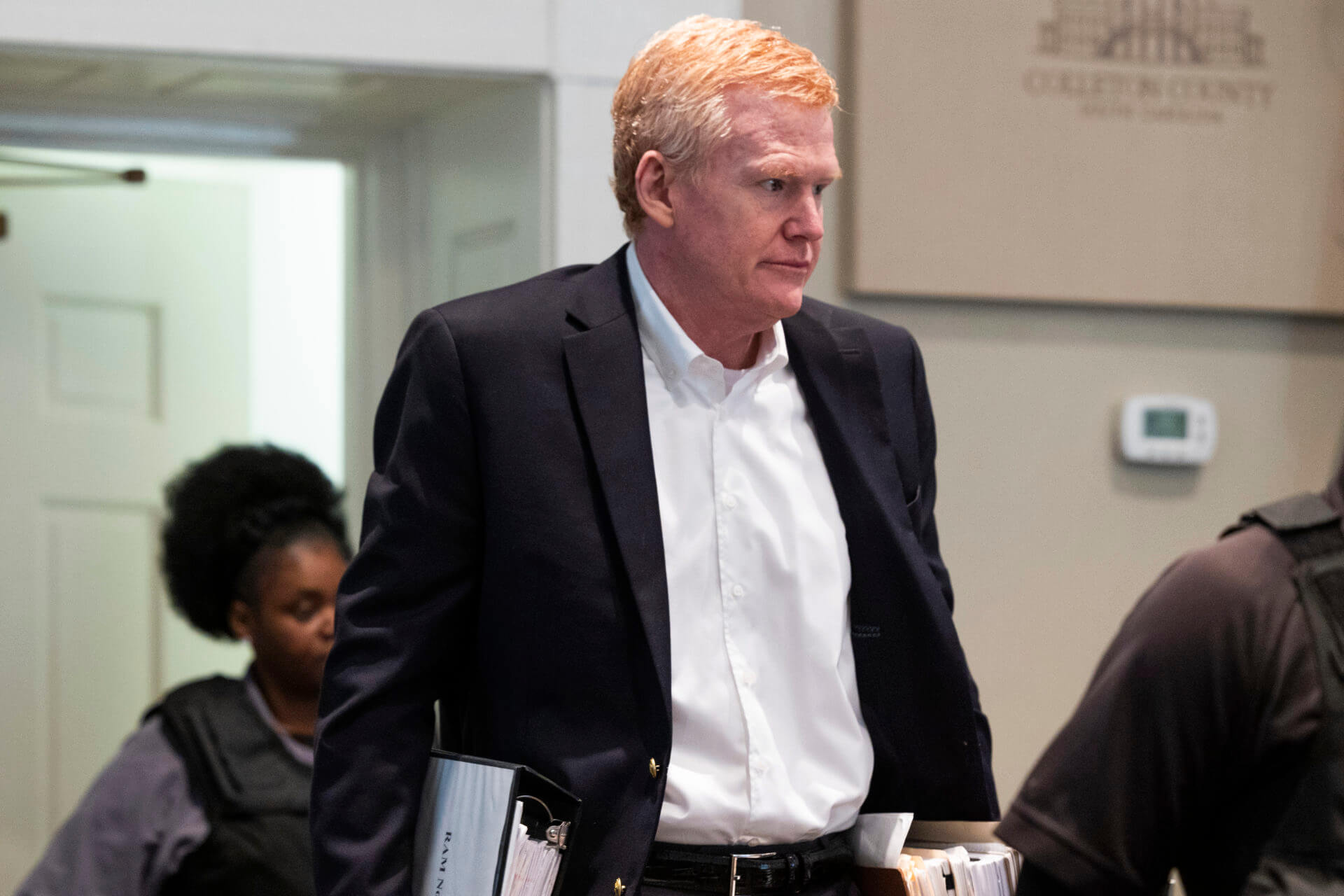
The 911 call came at 10:06 p.m. on June 7, 2021.
Alex Murdaugh told the dispatcher he had just found his wife and son near the dog kennels on the family's hunting estate in Colleton County, South Carolina.
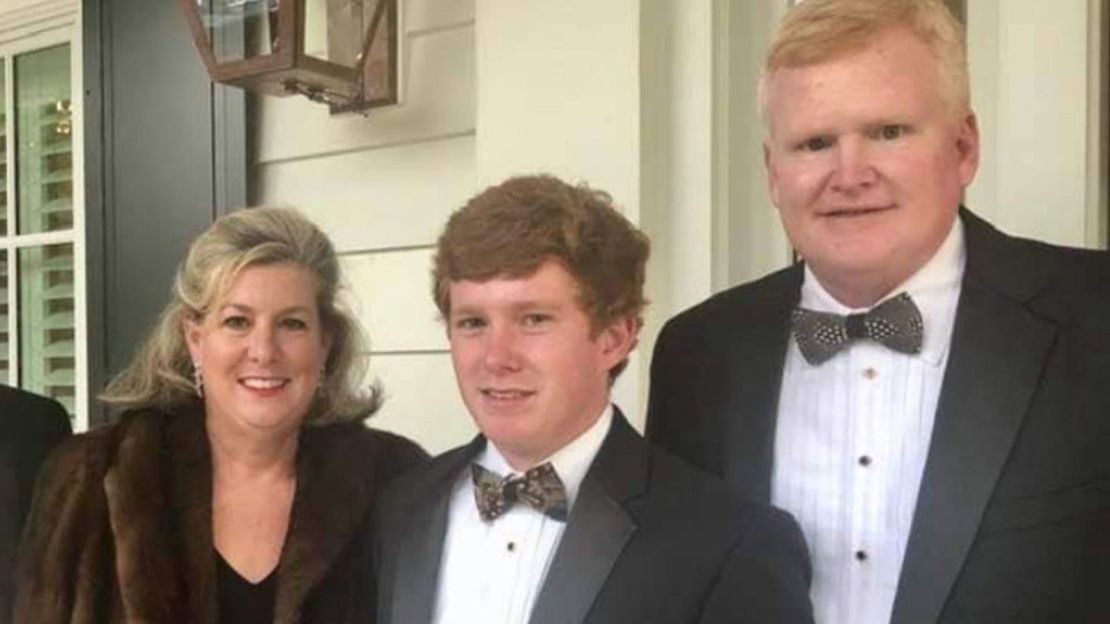
Paul was 22. Maggie was 52.
They had been shot, a rifle and a shotgun.
The remote property had no eyewitnesses.
For days, the story held.
Then investigators found a cellphone video recorded by Paul shortly before the killings.
The video captured Alex's voice.
Alex's voice at the kennels.
Alex's voice at the time he said he had been elsewhere.
The exact content of that video beyond his voice is not in the record.
What the record does show is the contradiction: the accused man's own words, on his dead son's phone, placing him where he said he was not.
That was the turning point.
Not because of a confession. Because of a voice.
The investigation had initially accepted Alex's alibi, a significant mistake that delayed his arrest.
SLED agents went back through the family's finances and personal disputes.
They found the weapons.
They found the voice.
The man who called 911 to report the bodies had told a story that the dead boy's phone could not support.
It was a jolt of contradiction.
One man's word against a recording.
The recording did not say why. It only said where.
THE 911 CALL AND THE FIRST MISTAKE
He called 911 and said he had found them near the dog kennels.
The bodies of his wife, Maggie, and his son, Paul, were on the ground at the family’s hunting estate in Colleton County.
The exact words of that call are not in the record.
His tone, his pauses, his first sentences — none of that is established.
What is established is that the call came after the discovery, and that his story placed him away from the scene at the moment of the killings.
The investigation began with that version of events.
The remote location meant no eyewitnesses came forward.
The kennels sat on a large, private property; the shots were heard by no one who would testify.
SLED agents took the alibi at face value.
Not because they were careless. Because the man who gave it was a Murdaugh.
The family name carried weight in the region’s courts for generations.
Alex Murdaugh was a former personal injury attorney, a scion of that legal dynasty.
His word, for a time, was enough.
That acceptance was the first mistake.
It cost nearly a year before he was charged in July 2022.

Two people were dead, and the investigation spent months treating the grieving husband and father as a witness.
The case drew national attention because of the family’s prominence.
Reporters circled the estate; cameras watched the courthouse steps.
But inside the investigation, the alibi held.
It held until a cellphone video surfaced.
A recording made by Paul shortly before the killings captured Alex’s voice at the kennels.
That contradicted his claim that he had been elsewhere.
The mistake was not the video. The mistake was that it took that long to check.
THE WEAPONS AND THE MOTIVE
The victims were killed with a rifle and a shotgun.
Both weapons were later found, with ballistic evidence linking them to the scene.
The exact timeline of when the weapons were found is not specified in the record.
Investigators also uncovered a pattern of financial crimes by Alex Murdaugh.
They alleged theft from his law firm and from clients.
That provided a motive in the prosecution's case.
Not because the shooting itself pointed to a reason. But because the money did.
The prosecution argued the killings were meant to distract from the financial ruin closing in.
The 2019 boat crash death of Mallory Beach was cited as another source of pressure.
That crash involved Paul Murdaugh.

It had cast a shadow over the family for two years before the shootings.
Prosecutors said the fallout weighed on Alex Murdaugh.
A separate figure entered the case: Curtis Edward Smith, a former client of Alex Murdaugh.
Smith was separately charged with helping him in an alleged financial scheme.
He was not charged with the murders.
The web was not just a shooting. It was a web of financial desperation and family pressure.
The rifle and the shotgun were found. The money was traced. The pressure was documented.
What remained was the question of why.
That would require evidence.
TWO STORIES, ONE SET OF FACTS
Two stories, one set of facts.
The prosecution argued Alex Murdaugh killed his wife and son to distract from his financial crimes and the fallout from the boat crash.
The defense contended he was a devoted family man and that the state had no direct evidence.
The cellphone video was the hinge.
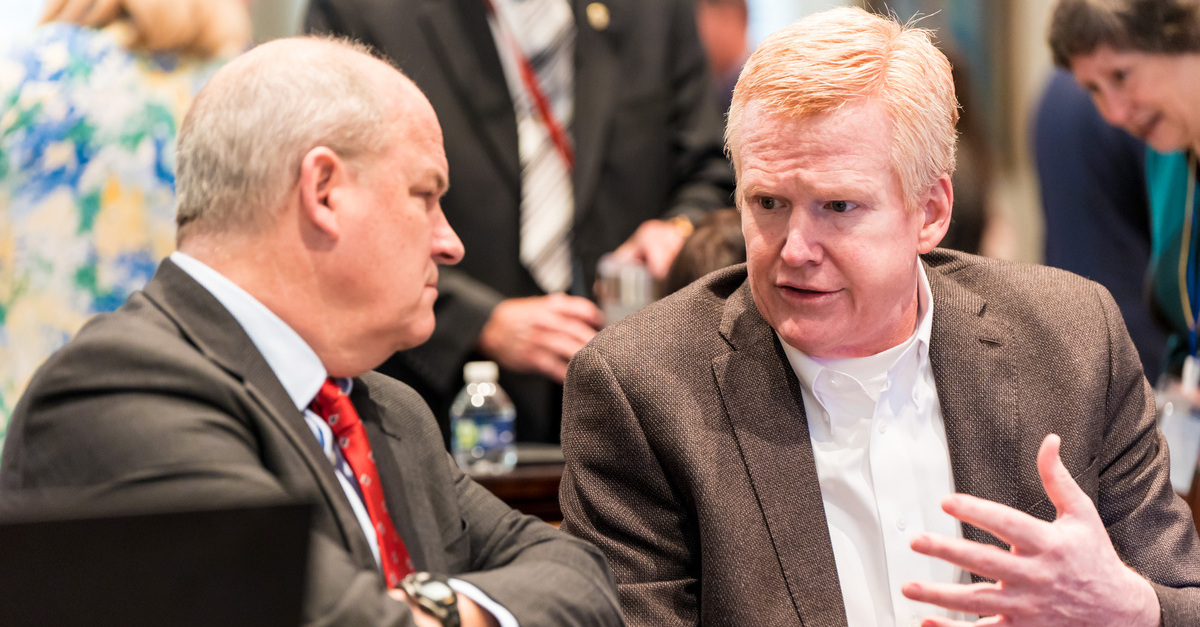
Prosecutor Creighton Waters used it to place Alex at the kennels, his voice captured by Paul's phone shortly before the killings.
That contradicted Alex's initial claim that he had been elsewhere.
It is a documented fact.
The defense's specific response to the video is not in the record.
Not because it did not exist.
But because what was argued in court about that particular exhibit is not detailed in the source material.
That would require evidence.
Alex Murdaugh was arrested in July 2022.
He was charged with two counts of murder and two counts of possession of a weapon during a violent crime.
The same facts built both narratives.
The rifle and the shotgun were found.
The money was traced.
The pressure was documented.
What remained was the question of why.
The prosecution said the why was distraction.
The defense said the why was never proven.
The video placed him there.
It did not place a weapon in his hand.
It did not record the shots.
It did not record the motive.
That would require evidence.
AND THE STORY STILL ISN'T OVER
The jury deliberated for less than three hours.
In March 2023, the jury found Alex Murdaugh guilty on all four counts.
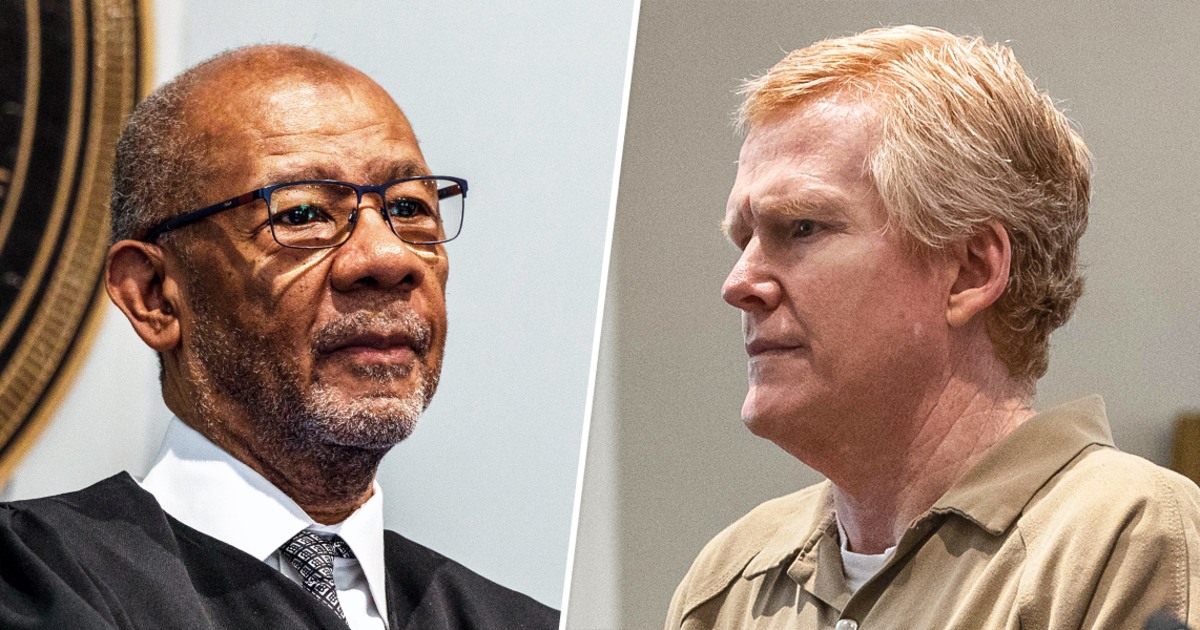
Judge Clifton Newman sentenced him to two consecutive life sentences without the possibility of parole.
Alex filed appeals.
He filed a motion for a new trial based on allegations of jury tampering.
That motion was denied in early 2024.
Alex is serving his life sentences in a South Carolina prison.
His convictions stand as of the latest reports.
The financial crimes case did not end with the murder trial.
Alex pleaded guilty to additional charges, including fraud and money laundering.
Those cases added more years to his sentence.
Curtis Edward Smith was convicted on related charges.
Smith had been a witness, a former client, a man who said he helped Alex with money.
The law firm that bore the family name cut ties.
The legal legacy is dismantled.
The documentaries are made.
The books are written.
No journalist has been formally credited with uncovering new evidence that changed the outcome.
The story is not finished.
The appeals continue.
What comes next is not in the record.
The status of any further appeals beyond early 2024 is not established.
That would require evidence.
It does not exist in the source material.
So the story waits.
Advertisement
You may also like
The parole board that kept saying no to Leslie Van Houten for 53 years
The parole board's door opened and closed for 53 years. For 53 years, a California parole board said no to Leslie Van Houten. She…

The prussic acid purchase that changed the Lizzie Borden case
August 3, 1892, the day before the murders. Lizzie Borden walked into a drugstore in Fall River, Massachusetts, and asked to buy prussic acid.…
The boat message that sealed Dzhokhar Tsarnaev's fate — but only after a carjacking that went wrong
On April 19, 2013, Dzhokhar Tsarnaev was found hiding in a boat in a backyard in Watertown, Massachusetts. The boat was ordinary. It sat…
The bullet that matched Richard Allen's pistol — and the confession he made to prison staff
The bullet sat in an evidence room for years before anyone matched it. An unspent round, found at the scene where two girls died.…
The tip-off that doomed the ATF raid before a single shot was fired at Waco
A local news reporter had been tipped off about the raid. He asked a postal worker about it. That question is the documented moment…
The undertaker who moved the bodies before police reached the Hall-Mills crime scene
They lay beneath a crabapple tree in a secluded lane called Lovers' Lane. He was shot in the head. She was shot in the…