The jailhouse confession that finally broke the Manson case wide open
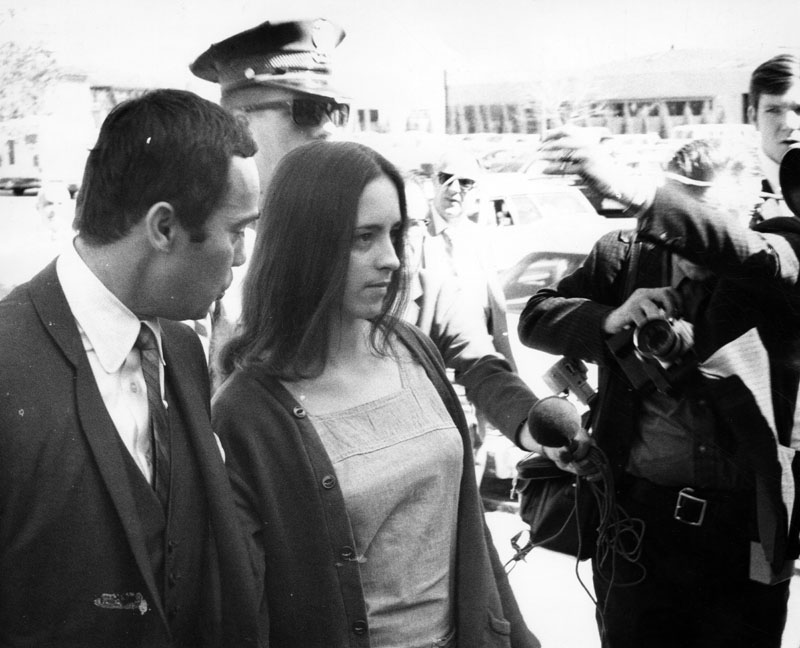
In October 1969, a woman in jail on an unrelated charge began talking to her cellmate.
Her name was Susan Atkins, and the cellmate was Virginia Graham.
What Atkins told Graham, the record does not fully say.
The exact content of that first statement is not in the record; only that she told Graham about the killings, and Graham passed the information to authorities.
Atkins later gave a detailed statement to prosecutors.
The break came after months of stalled work.
The Tate murders had first been treated as a drug-related crime.
The LaBianca murders were initially thought to be a copycat or unrelated.
Two crime scenes, two nights, two cases that were not connected.
At the Tate residence on Cielo Drive, the word “Pig” was written in blood on the front door.
A .22-caliber revolver, a knife, and a rope were used.
The killers drove a yellow or cream-colored sedan.
It was August, and the investigation had theories, not suspects.
Then a whispered confession in a jail cell.
Why did anyone believe her?
What exactly did she say?
That would require evidence, and the record does not establish it.
She was in jail on an unrelated charge.
She told Graham about the killings.
Graham told authorities.
Atkins talked, and the case turned.
TWO NIGHTS, TWO CRIME SCENES
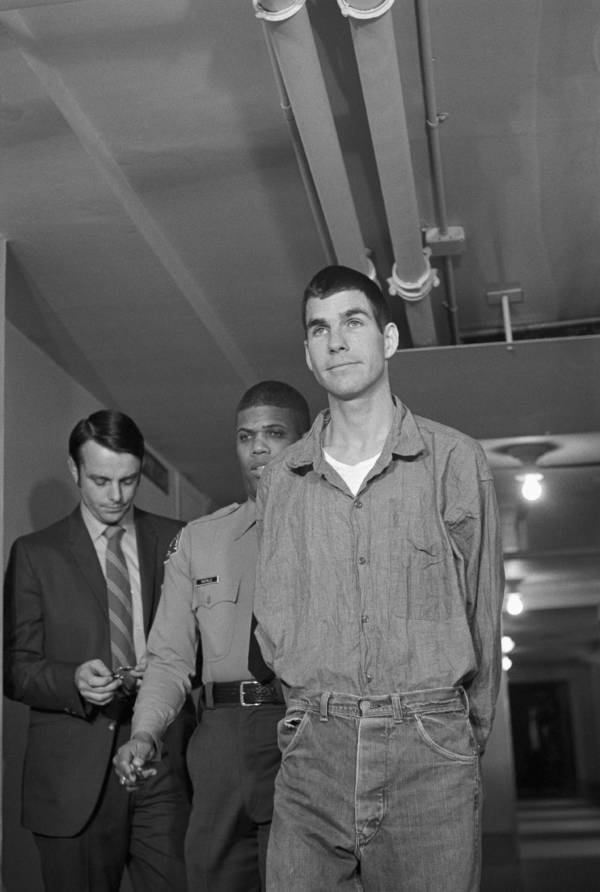
The first night was August 9, 1969, at 10050 Cielo Drive.
Five people were murdered there: actress Sharon Tate, eight and a half months pregnant; coffee heiress Abigail Folger; Folger’s boyfriend; celebrity hairstylist Jay Sebring; and a friend of the property’s caretaker.
The victims were stabbed and shot.
Tate and Sebring were also hanged by ropes thrown over a beam.
The word “Pig” was written in blood on the front door.
The second night was August 10, 1969.
Leno and Rosemary LaBianca were murdered in their Los Feliz home.
“Death to Pigs” and “Helter Skelter” were written in blood on the walls and refrigerator.
The Tate killings were discovered the next morning by the housekeeper.
The LaBianca killings were discovered later that day by the LaBiancas’ son.
Two nights.
Two crime scenes.
The record shows a major mistake early on: the failure to connect the two crime scenes quickly.
The LaBianca case was initially handled separately.
Not because the scenes were identical — they were not.
But because the connection was not made, and the investigation drifted.
The specific reason the two scenes were not connected is not detailed in the record.
Only that the failure occurred, and the LaBianca case was handled apart.
The investigation also faced criticism for missing leads.
A tip about the Spahn Ranch went unheeded.
The Tate murders were first treated as a drug-related crime.
The LaBianca murders were initially thought to be a copycat or unrelated.
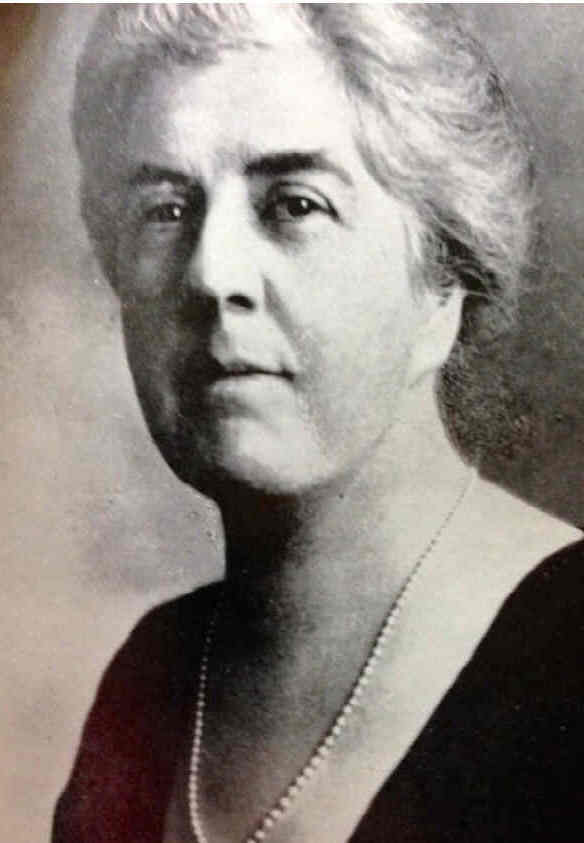
:max_bytes(150000):strip_icc()/Susan-Atkins-030525-eaa8484463b84c80803b4a1e3bcc9cfe.jpg)
What if the link had been made on August 11?
What if the ranch tip had been followed?
What if the handwriting on the walls had been read sooner?
That would require evidence the record does not provide.
What the record does show is delay.
And in that delay, the killers walked free — for a time.
THE CONFESSION AND THE WITNESS
In October 1969, Susan Atkins sat in jail on an unrelated charge.
She told her cellmate, Virginia Graham, about the killings.
Graham passed the information to authorities.
Atkins later gave a detailed statement to prosecutors.
The exact sequence between Graham's report and that formal statement is not detailed in the record.
That gap is real.
It is also the hinge on which the case turned.
Linda Kasabian had fled the group.
She was arrested.
She agreed to testify in exchange for immunity.
What did that immunity cost the defense?
A witness with a story to sell.
A version of events the jury could trust.
That would require evidence of motive, and the record offers none.
The prosecution built its case on three legs.
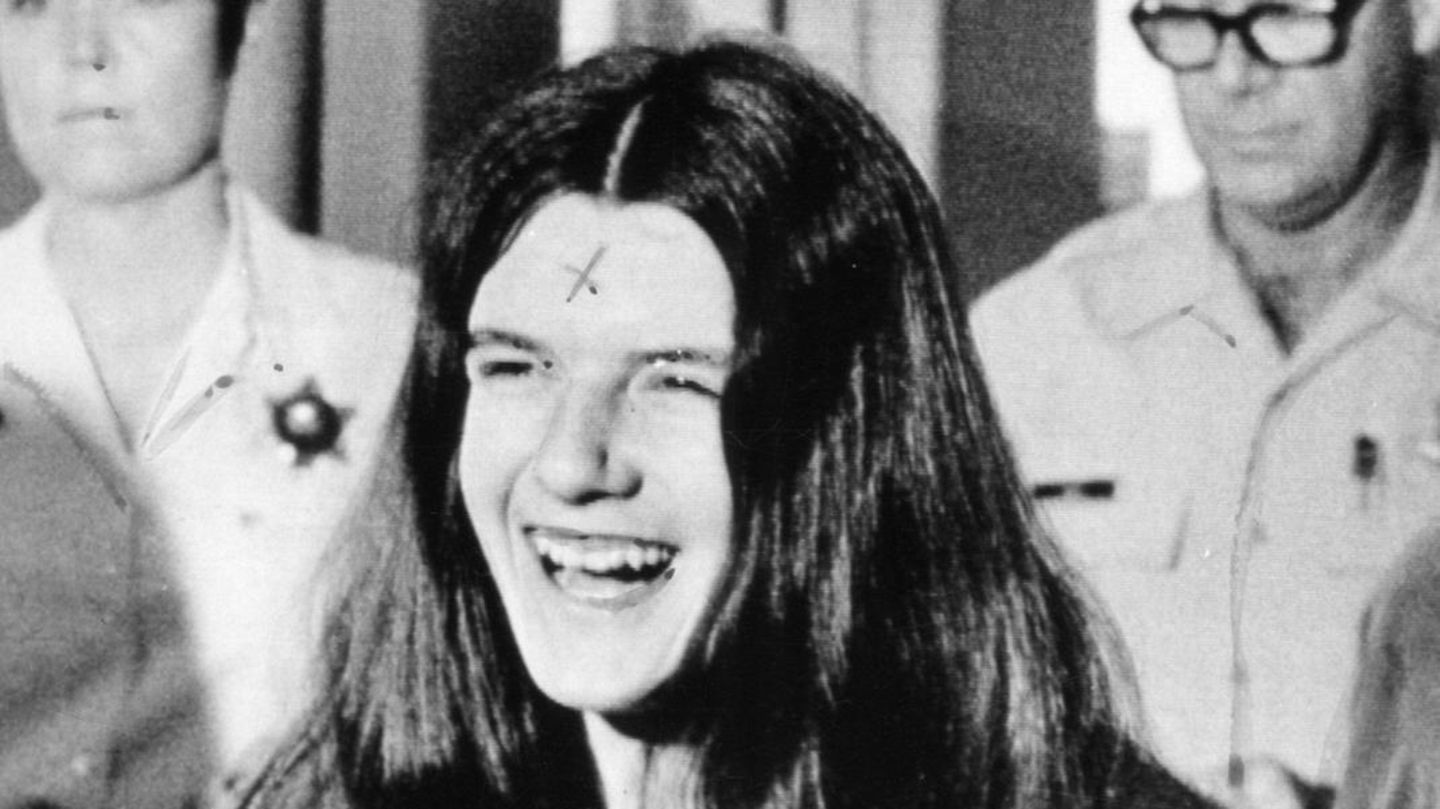
Kasabian's testimony.
Atkins's confession.
Physical evidence: fingerprints, and a knife found near the Tate residence.
The Tate murders, prosecutors said, were carried out by Tex Watson, Susan Atkins, and Patricia Krenwinkel.
Watson drove the car.
He later joined the attack.
Kasabian was present but did not participate.
The LaBianca murders, prosecutors said, were committed by Watson, Krenwinkel, and Leslie Van Houten.
Atkins and Kasabian accompanied them.
How reliable is a confession shared in a cell?
A cellmate is not a courtroom.
A cellmate is a listener with her own reasons to talk.
The case snapped into focus because someone talked.
It stayed in focus because the evidence matched.
It nearly fell apart because the investigation had already let the killers walk — for a time.
THE TRIAL AND THE MOTIVE
The trial opened in June 1970.
Manson, Atkins, Krenwinkel, and Van Houten were charged with first-degree murder and conspiracy.
Tex Watson was tried separately, after extradition from Texas.
Vincent Bugliosi led the prosecution.
He put Linda Kasabian on the stand as his star witness.
She had been there. She had not participated. She had been granted immunity.

The courtroom became part of the performance.
Manson and his co-defendants disrupted the proceedings.
Manson at one point attempted to testify.
The defendants staged outbursts.
Was it theatre? Was it strategy?
That would require evidence.
Bugliosi argued the motive was Manson’s plan to ignite a race war.
He called it “Helter Skelter.”
The defence disputed it.
Whether the jury accepted that motive is not stated in the record.
It is noted as argued. It is noted as disputed.
What the jury did accept was the guilt.
On January 25, 1971, all four were found guilty.
They were sentenced to death.
Watson was convicted in his separate trial.
He, too, was sentenced to death.
The motive mattered to the story.
It mattered less to the verdict.
The record leaves one question open, and only one.
Which story did the jury believe?
The answer is not in the record.
It is in the sentence.
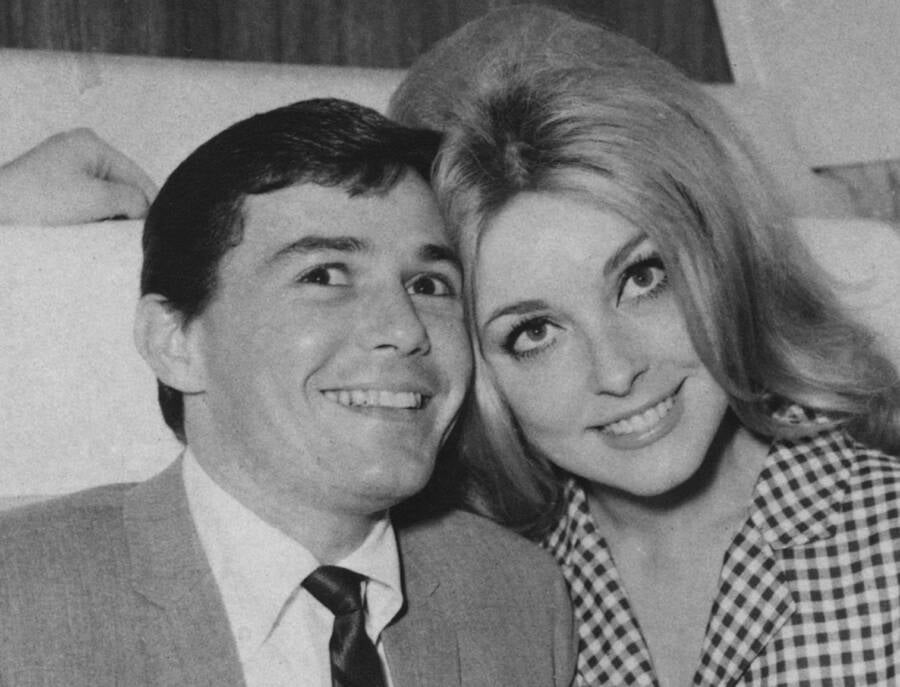
AND THE STORY STILL ISN'T OVER
The death sentences were commuted to life imprisonment in 1972 when the California Supreme Court struck down the death penalty.
It is a commutation. It is not a pardon.
The convictions stood. The sentences changed.
Leslie Van Houten’s first trial ended in a hung jury.
She was retried. She was convicted in 1978.
Charles Manson died in prison on November 19, 2017, at age 83.
He died serving the sentence. The sentence did not die with him.
Tex Watson, Susan Atkins, Patricia Krenwinkel, and Leslie Van Houten remain serving life sentences.
Atkins died in prison in 2009.
Watson has been denied parole multiple times.
Krenwinkel has been denied parole repeatedly.
Van Houten has been denied parole repeatedly, though she was granted parole in 2016, 2017, and 2019.
The governor blocked each grant.
Will any of them be released?
The record does not say.
The outcome of any pending parole hearings or legal motions is not established in the record. Only that the grants for Van Houten were blocked.
The case has been the subject of numerous books, documentaries, and films.
Vincent Bugliosi’s 1974 book *Helter Skelter* is the best known.
It is a book. It is not a verdict.
The record holds the confessions, the testimony, the convictions, the commutations, the denials, the blocks.
It does not hold an ending.
The story still isn’t over.
Advertisement
You may also like
The parole board that kept saying no to Leslie Van Houten for 53 years
The parole board's door opened and closed for 53 years. For 53 years, a California parole board said no to Leslie Van Houten. She…

The prussic acid purchase that changed the Lizzie Borden case
August 3, 1892, the day before the murders. Lizzie Borden walked into a drugstore in Fall River, Massachusetts, and asked to buy prussic acid.…
The boat message that sealed Dzhokhar Tsarnaev's fate — but only after a carjacking that went wrong
On April 19, 2013, Dzhokhar Tsarnaev was found hiding in a boat in a backyard in Watertown, Massachusetts. The boat was ordinary. It sat…
The bullet that matched Richard Allen's pistol — and the confession he made to prison staff
The bullet sat in an evidence room for years before anyone matched it. An unspent round, found at the scene where two girls died.…
The tip-off that doomed the ATF raid before a single shot was fired at Waco
A local news reporter had been tipped off about the raid. He asked a postal worker about it. That question is the documented moment…
The undertaker who moved the bodies before police reached the Hall-Mills crime scene
They lay beneath a crabapple tree in a secluded lane called Lovers' Lane. He was shot in the head. She was shot in the…