The Tylenol bottle that doctors first called a stroke — before cyanide changed everything
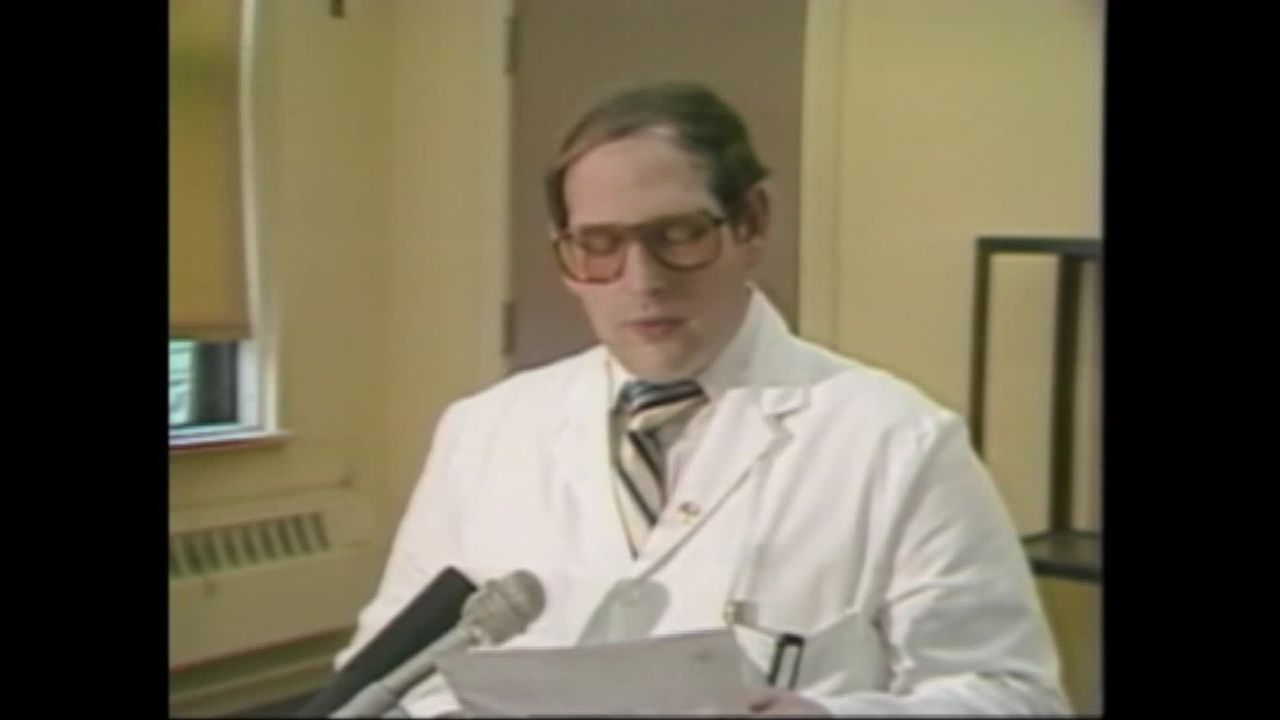
The first victim was 12 years old, taking Extra-Strength Tylenol for a cold in Elk Grove Village.
The date was September 29, 1982.
The doctors who saw her did not see poison.
They saw a stroke, or an aneurysm — the kinds of things that end a childhood without warning.
That was the first mistake.
Not the last, just the first.
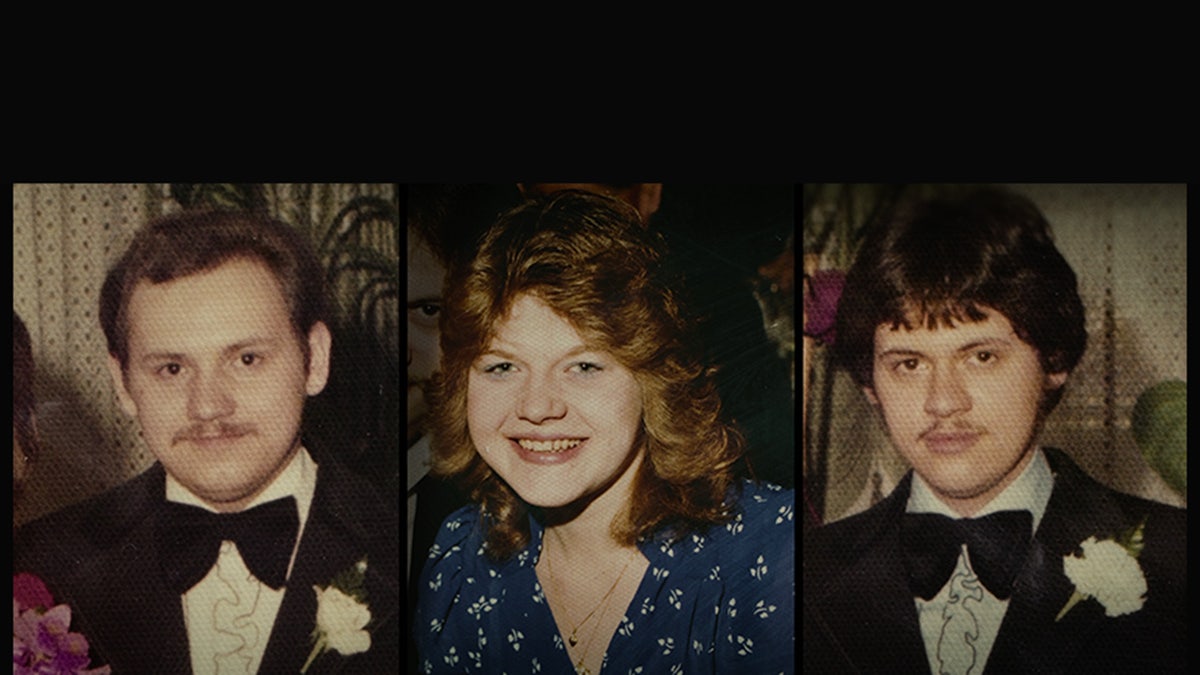
The same day, a 27-year-old postal worker in Arlington Heights took Tylenol and died.
His brother and sister-in-law took capsules from the same bottle.
They died at the gathering held to mourn him.
Three deaths, one bottle, one day.
The first medical explanation held only until toxicology tests came back.
The tests found cyanide.
Not a stroke.
Not an aneurysm.
The specific doctor who first called it a stroke is not named in the record.
The medical examiner who performed the autopsies is not named here either.
What the record shows is the sequence: a cold pill, a collapse, a wrong guess.
What it does not show is who put the cyanide in the capsules.
That would require evidence.
The chill is in the ordinary step — swallowing a capsule for a cold — and the ordinary error that followed.
It was a stroke.
It was not a stroke.
THE PATTERN EMERGES
It began as three separate obituaries.
A woman in her late twenties. A woman in her forties. A woman in her fifties.

Over the following days, they died in the same region, in the same way, after swallowing the same thing.
Investigators linked them through the common factor of Tylenol capsules.
Not isolated tragedies. A pattern.
The bottles came from different stores in the Chicago area.
Different shelves, different pharmacies, different checkout counters.
That meant the tampering occurred at the distribution or retail level, not at the manufacturing plant.
The poison was already inside the capsules before they reached the buyers.
The investigation became one of the largest in U.S. history at the time.
Dozens of local, state, and federal agencies joined the search.
Illinois State Police. Chicago Police. The Cook County Sheriff's Office. The FBI.
They raced to find the source before the next bottle was opened.
Exact dates of the later deaths are not given in the record.
Only the timeframe: late September and early October 1982.
The pattern was the turning point.
It was also the terror.
Because a pattern means someone planned it.
And a pattern means it could happen again.
THE EXTORION LETTER
The letter arrived at Johnson & Johnson during the height of the panic.
It demanded $1 million to stop the killings.
It was signed by a man named James W. Lewis.
Investigators treated it as a significant lead.
It had to be the break in the case.
It was not.
Lewis was tried and convicted in 1983 on federal charges of extortion for that letter.
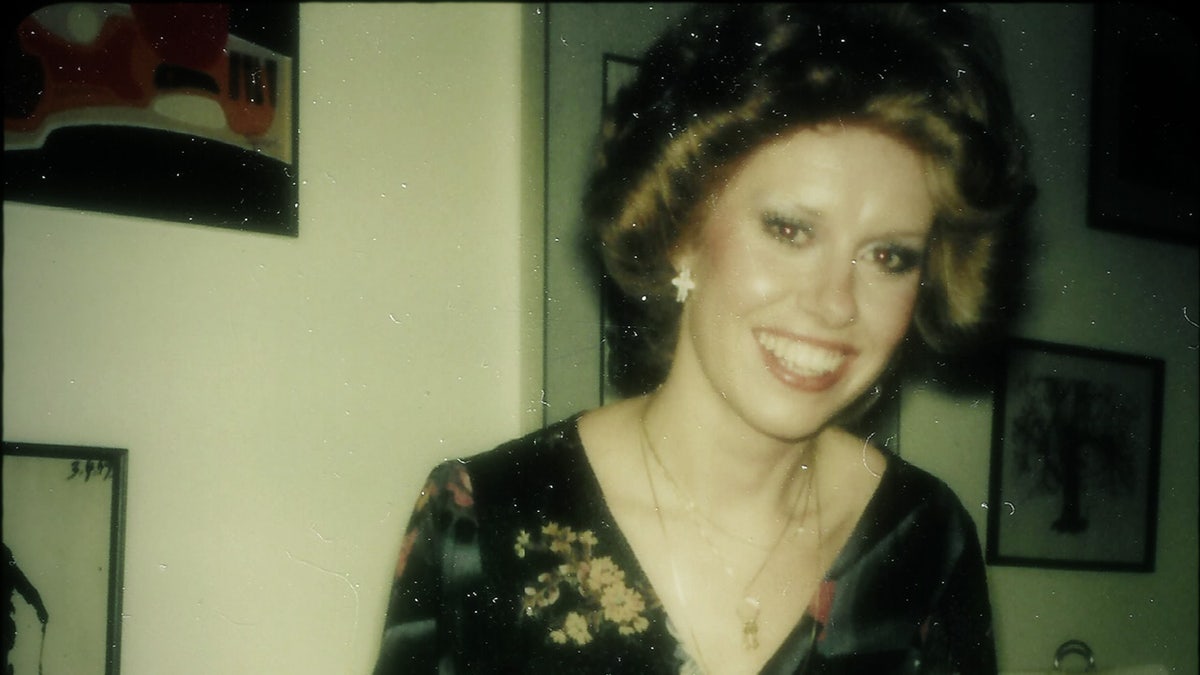
He was sentenced to 20 years in prison.
He was released in 1995 after serving about 13 years.
The source states it plainly: Lewis was never charged with the murders.
The extortion was real; the connection to the poisonings was not established.
The letter was a promising thread that led nowhere.
Did Lewis know something?
Did he write the letter as a hoax, a grift, a desperate gamble?
Did he want the money, or the attention, or both?
The record does not answer that.
It answers only what he was convicted of: extortion, not murder.
Lewis maintained his innocence in the poisonings.
The exact date the letter was sent or received is not in the source.
Only that it came during the investigation.
The pattern of the deaths was clear.
The pattern of the investigation was not.
One man went to prison, and seven people stayed dead.
That is what the record shows.
That is also where the record stops.
THE PUBLIC PANIC
Then the phones started ringing.
The investigation triggered a nationwide panic, and thousands of reports of suspected tampering flooded in across the country.
Most were false alarms.
The source says "thousands," but it does not give a precise figure.
That number is not established.
Neither is the cost of the recall.
Johnson & Johnson issued a nationwide recall of Tylenol anyway.
It pulled every bottle from every shelf.
It told the public not to use the product.
The move is widely studied as a model of corporate crisis management.
It is also a measure of how little anyone knew.
The tampering had occurred before the bottles were purchased.
That fact made it difficult to trace the point of contamination.
Investigators could not say where the cyanide entered the supply.
They could not say when.
They could not say how many bottles were affected.
They could only say the deaths were linked.
One man named Roger Arnold was publicly suspected.
He was never charged.
He was later cleared.
The record does not explain why he was suspected in the first place.
It does not explain what cleared him.
It only says he was not charged.
That is the pattern of this case.
Suspects emerged.
Suspects faded.
The bottles came from different stores.
The capsules were purchased before the poison was found.
The point of contamination remains unknown.
It is a gap in the record.
It is also the reason the case stayed open.

AND THE STORY STILL ISN'T OVER
No one was ever charged with the Tylenol murders.
The case remains officially unsolved.
In 2022, the FBI announced it was re-examining evidence using modern forensic techniques.
No new charges have been filed.
The case is still officially open, and the FBI has stated it continues to review evidence.
That is the only concrete step on the record.
There is no pending court date.
There is no motion scheduled.
There is no named suspect.
That would require evidence.
The victims' families have spoken publicly over the years about the lack of resolution.
They described the ache of an open wound.
They described waiting.
They described years without an answer.
The record does not establish who placed the cyanide in those bottles.
It does not establish where the tampering occurred.
It does not establish why.
It only establishes that seven people died, and that the point of contamination remains unknown.
The FBI's review is a flicker of hope.
Modern forensic techniques might find what 1982 could not.
They might find a trace, a match, a name.
Or they might not.
The case is still officially open.
That is what the record shows.
That is all the record shows.
Advertisement
You may also like
The phone records that placed Adnan Syed near Leakin Park—but may not have been his calls
The phone records placed Adnan Syed near Leakin Park at the time of the burial. The records were built on incoming calls. Incoming calls…
A floppy disk question that led police to a church computer — and a killer
In 2004, a man who had taunted police for decades under the name BTK asked a question in a letter. He wanted to know…
A parole check unearthed a kidnapper's confession — but only after a 2-month cold case
The night of October 1, 1993, began as a slumber party. Twelve-year-old Polly Klaas was in her mother's home in Petaluma, California, with two…
The parole violation that ended a career criminal's run — and a 12-year-old's slumber party
December 4, 1993. Richard Allen Davis was arrested for violating parole. The charge was unrelated to Polly Klaas. The specific nature of the parole…
The Moab 911 call that officers ignored — and the missed chance to save Gabby Petito
The 911 call came in on August 12, 2021, from a witness in Moab, Utah. The witness had seen a man slap a woman…
The military doctor who said intruders killed his family — and what his lawyers still argue decades later
The military police arrived at the home on Fort Bragg, North Carolina, on the morning of February 17, 1970. Army Captain Jeffrey MacDonald, a…