The confession that never reached a courtroom — and the DNA match that came 49 years too late
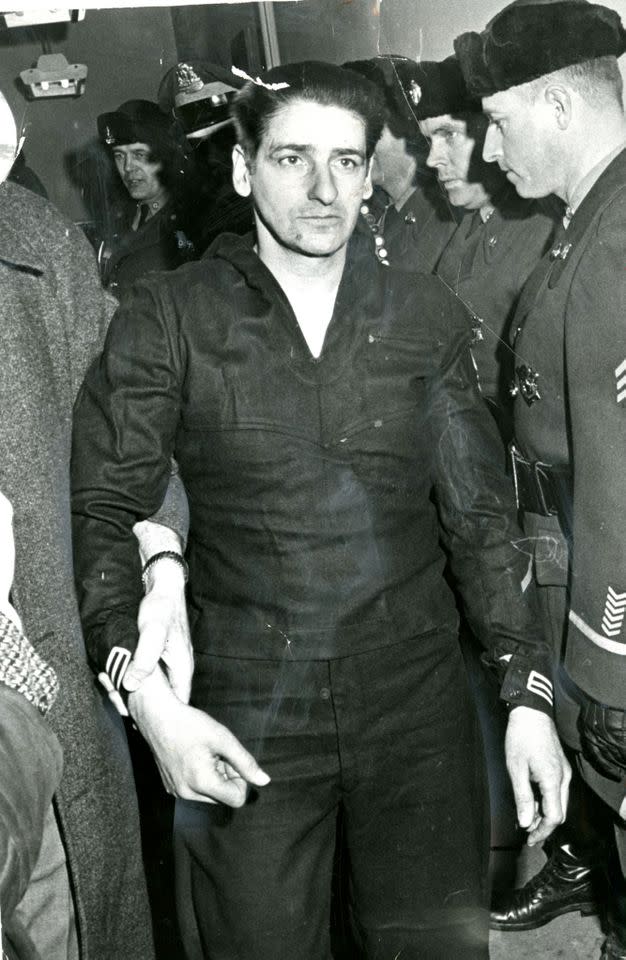
In 1965, Albert DeSalvo was already in custody for other crimes when he confessed to being the Boston Strangler.
His attorney, F. Lee Bailey, arranged the confession and brought DeSalvo forward.
Thirteen women had been killed in their apartments between June 1962 and January 1964.
The confession was public. It was dramatic. It was never tested in court.
DeSalvo was never charged with the Strangler murders.
No judge heard the confession. No jury weighed it. No verdict ever named him for those thirteen deaths.
Critics noted inconsistencies in his statements. Some investigators doubted he was the killer at all.
So the record holds a strange shape: a man admitted to thirteen murders, and the law did nothing with the admission.
He was tried instead for robbery and sexual assault, convicted on those charges in 1967, and sentenced to life in prison.
The Strangler confession was not part of that trial.
Decades passed. In 1973, DeSalvo was stabbed to death in prison by an unknown assailant.
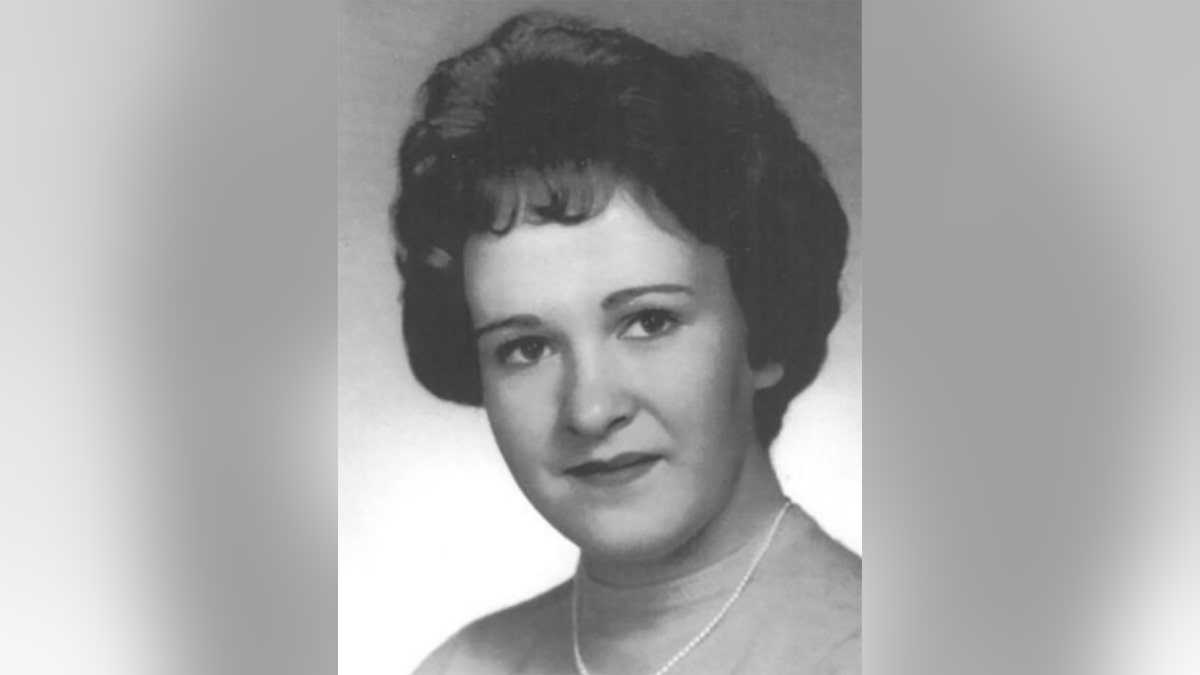
Then, in 2013, DNA evidence from Mary Sullivan's crime scene was matched to DeSalvo.
That match confirmed his involvement in one murder — her murder.
What does it prove beyond that? That he was there, or that he left material behind, in a single case.
The full scope of his crimes remains unproven. The record does not establish that he killed all thirteen, or that he acted alone.
A confession without a courtroom. A DNA match forty-nine years after the fact.
How does a case hold together when its central admission was never tested?
That would require evidence. The evidence, so far, covers one name.
THE MURDERS
Thirteen women were killed in their apartments in the Boston area between June 1962 and January 1964.
Many were sexually assaulted and strangled with their own clothing or stockings.
The victims ranged in age from 19 to 85.
The crimes terrorized the city.
The investigation became one of the largest in Massachusetts history.
The first widely attributed victim was found in her Boston apartment on June 14, 1962.
The final victim commonly linked to the Strangler was found on January 4, 1964.
The names of those two victims are not specified in this section's brief.
Only their dates and locations are given.
Initially, police treated the murders as separate cases.
It took months before a task force was formed.
Not because the crimes were hard to connect.
Because the connections were not being made.
The lack of a centralized database of evidence hampered progress.
Information was not shared between jurisdictions.
The record does not establish when the task force was finally assembled.
It does establish that the delay cost time.
Thirteen women died in the same city, in the same way, in the same span of nineteen months.
The first widely attributed victim was found in June.
The final victim commonly linked to the Strangler was found in January.
Between those dates, the city waited.
The investigation marked time.
The victims marked nothing at all.
THE INVESTIGATION
The city's largest investigation was, for a long time, a pile of separate files.
Police initially treated the murders as isolated cases.
There was no centralized database of evidence.
Information did not travel between jurisdictions.
It took months before a task force was formed.
In 1964, Attorney General Edward Brooke took oversight.
He created a special unit to coordinate the investigation.
No arrest was made.
The turning point came in 1965.
Albert DeSalvo, already in custody for other crimes, confessed.
His attorney, F. Lee Bailey, brought him forward.
The confession was never tested in court.
DeSalvo was never charged with the Strangler murders.
Some investigators doubted he was the killer.
They cited inconsistencies in his statements.
The record does not establish the full extent of his crimes.
Whether DeSalvo acted alone remains a subject of debate.
The city had waited.
The investigation had marked time.
The victims had marked nothing at all.
Then a confession arrived that would not be examined.
THE TRIAL THAT WASN'T
DeSalvo was never tried for the Strangler murders.
He was tried in 1967 on unrelated charges of robbery and sexual assault, and sentenced to life in prison.
His confession to the Strangler murders was not part of that trial.
Not because the confession was withdrawn. Because it was never tested.
The courtroom heard about the break-ins and the assaults. It did not hear about the thirteen women.
Was the confession true?
Was it a performance, arranged by attorney F. Lee Bailey?
That would require evidence, and the evidence was never put before a jury.
In 1973, DeSalvo was stabbed to death in prison by an unknown assailant.
He died convicted of one set of crimes. He died untried for another.
Then, in 2013, DNA from Mary Sullivan's crime scene was matched to DeSalvo.
Prosecutors say the match confirms his involvement in at least that murder.
Doubters point to the inconsistencies in his confession and the absence of a trial.
The match was posthumous. No legal proceedings followed it.
Whether DeSalvo acted alone in all thirteen murders is not established.
The DNA covers one case, and only one case.
So the question sits where the trial never did: how does a confessed killer never face the charges?
The answer is that he did not.
He was stabbed in a prison corridor, and the Strangler cases closed without a formal conviction.
The confession never reached a courtroom. The match came 49 years too late for one.
AND THE STORY STILL ISN'T OVER
The Boston Police Department closed the Strangler cases in the 1960s without a formal conviction, and no other person has been charged.
The 2013 DNA match confirmed DeSalvo's involvement in Mary Sullivan's murder, but the full scope of the Strangler murders remains a subject of debate.
Some victims' families have questioned whether DeSalvo acted alone.
Whether DeSalvo acted alone, and the identities of any potential accomplices, are not established by the record.
The case has been the subject of numerous books, films, and documentaries.
Every retelling returns to the same turn: the confession that never reached a courtroom, the match that came 49 years too late for one.
No further legal proceedings are pending, but the questions remain open.
Was the confession a performance, or a partial truth?
Was the DNA match the end, or just one strand?
Did thirteen women die at one hand, or more?
That would require evidence the record does not supply.
The files were closed in the 1960s.
The match came in 2013.
The case is closed.
It is also not resolved.
Advertisement
You may also like
The phone records that placed Adnan Syed near Leakin Park—but may not have been his calls
The phone records placed Adnan Syed near Leakin Park at the time of the burial. The records were built on incoming calls. Incoming calls…
A floppy disk question that led police to a church computer — and a killer
In 2004, a man who had taunted police for decades under the name BTK asked a question in a letter. He wanted to know…
A parole check unearthed a kidnapper's confession — but only after a 2-month cold case
The night of October 1, 1993, began as a slumber party. Twelve-year-old Polly Klaas was in her mother's home in Petaluma, California, with two…
The parole violation that ended a career criminal's run — and a 12-year-old's slumber party
December 4, 1993. Richard Allen Davis was arrested for violating parole. The charge was unrelated to Polly Klaas. The specific nature of the parole…
The Moab 911 call that officers ignored — and the missed chance to save Gabby Petito
The 911 call came in on August 12, 2021, from a witness in Moab, Utah. The witness had seen a man slap a woman…
The military doctor who said intruders killed his family — and what his lawyers still argue decades later
The military police arrived at the home on Fort Bragg, North Carolina, on the morning of February 17, 1970. Army Captain Jeffrey MacDonald, a…