The 14-year-old boy police returned to Jeffrey Dahmer — and what happened next
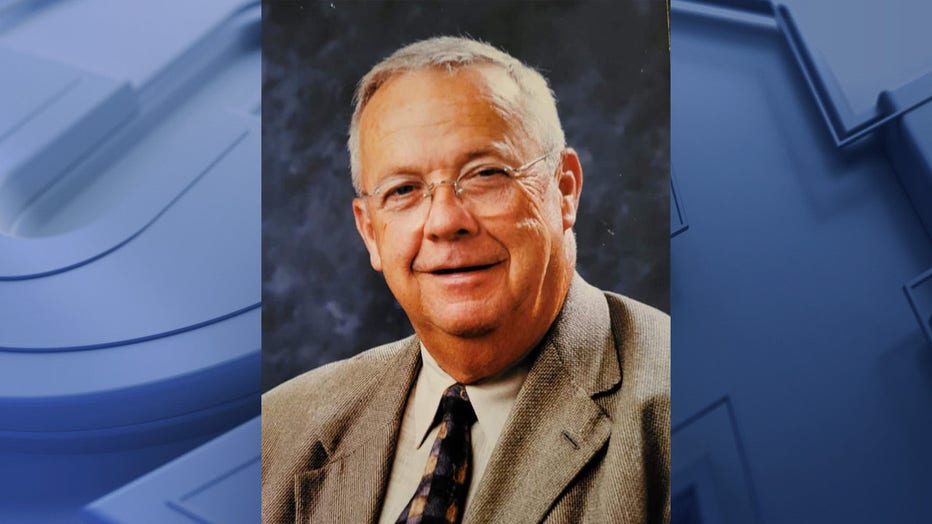
She called because a boy was bleeding.
The date was May 27, 1991. Sandra Smith phoned police to report a drugged and bleeding teenage boy wandering near an apartment at 924 North 25th Street.
The boy was Konerak Sinthasomphone. He was 14 years old. He was Laotian.
Two Milwaukee police officers responded to the call.
They found him. They saw the blood. They saw the disorientation.
Then they handed him back.
The man at the door said the boy was his adult boyfriend. The man was Jeffrey Dahmer. The officers accepted that and left.
The exact words exchanged between the officers and Dahmer are not in the record. What is in the record is the sequence: the call, the response, the return.
Dahmer then killed Sinthasomphone.
This sequence is documented. It is not a theory, not a rumor, not a retelling that grew in the retelling. It is what the case record holds.
She was on the ground below, so to speak — the moment a rescue was handed back to the predator.
What if the officers had checked the ID? What if they had asked why a 14-year-old Laotian boy was the "adult boyfriend" of a man in his thirties? What if they had looked past the door?
That would require evidence. The record does not provide it.
The call came in on a Monday. The boy was returned. The officers were later disciplined.
But that discipline came after the body was found, after the photographs, after the confession, after the trial.
In May 1991, the call should have changed everything. It changed nothing.
THE ESCAPE THAT BROKE THE CASE
Two months later, on July 22, 1991, a man flagged down police in Milwaukee.
He was Tracy Edwards, and he was wearing handcuffs.
One cuff was locked to his wrist. The other dangled open.
He told the officers he had just escaped from an apartment at 924 North 25th Street.
The officers went back with him to that apartment.
Inside, they found what the nightmare had been hiding.
They found Polaroid photographs of dismembered bodies.
They found a skull in the refrigerator.
They found body parts in a 57-gallon drum.
The exact number of photographs is not specified in the source material.
It is enough that they were there, developed and kept, like a record.
The man who opened the door was Jeffrey Dahmer.
He did not resist.
He confessed to all 17 murders.
Seventeen young men and boys, going back to 1978.
The case broke on that day.
Not because of the May call that was returned. Because of the July escape that was believed.
The officers who took Edwards seriously walked into the apartment and changed the record.
The officers who took Konerak Sinthasomphone back to Dahmer had been disciplined by then, but that came later.
The relief was real, and it was terrible.
The nightmare had finally surfaced.
The toll was staggering, and it was counted in photographs, in a skull, in a drum.
Tracy Edwards had run. The police had listened.
That is the difference the record shows.
THE INVESTIGATION AND THE EVIDENCE
The first report was not the only chance the system had.
The investigation revealed that Dahmer had been on probation for a 1988 charge of sexual assault of a child.
He had been convicted of that charge.
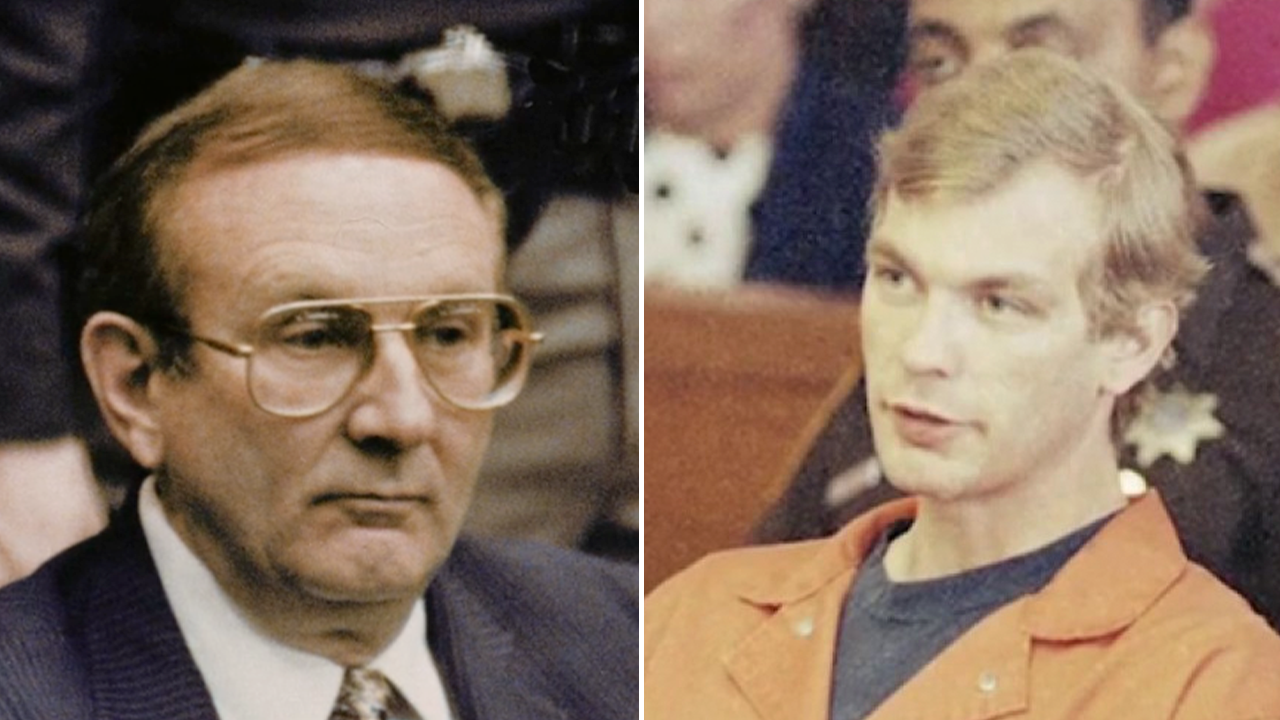
He was on probation in May 1991, when two Milwaukee police officers returned Konerak Sinthasomphone to him.
The boy was clearly injured and disoriented.
The officers returned him anyway.
Dahmer said the boy was his adult boyfriend.
The officers accepted that.
The officers involved were later disciplined.
The exact nature of that discipline is not detailed in the source.
It is documented that they were disciplined.
It is not documented what that discipline was.
The case was then investigated by the Milwaukee Police Department with assistance from the FBI.
The lead detective worked the case.
The medical examiner testified about the condition of the remains.
He testified about what was found in the apartment.
He testified about the photographs.
He testified about the skull in the refrigerator.
He testified about the body parts in the 57-gallon drum.
The photographs showed victims in various states of dismemberment.
The drum held what was left.
The record counts the remains.
It counts the chances that were missed.
A boy was returned to his killer.
A probation record existed.
A conviction existed.
The system had the information.
The system did not use it.
That is the weight of institutional failure.
It is not a rumor.
It is a documented police failure.
The record shows the officers who returned the boy.
The record shows the discipline that followed.
The record does not show the details of that discipline.
That remains unstated.
The investigation continued anyway.
The evidence was gathered.
The confession came.
The case moved toward trial.
THE TRIAL AND THE VERDICT
The trial began in January 1992 before Judge Laurence Gram.
Dahmer was charged with 15 counts of first-degree murder in Milwaukee County.
He pleaded not guilty by reason of insanity.
The district attorney argued Dahmer was sane and knew his actions were wrong.
The defense attorney argued Dahmer suffered from a mental illness.
The medical examiner testified about the condition of the remains.
The specific testimony of the medical examiner is not quoted in the source.
The jury heard the confession.
The jury heard the photographs.
The jury heard the drum.
On February 15, 1992, the jury rejected the insanity defense.
They found Dahmer guilty on all 15 counts.
The verdict was justice delivered.
It was also hollow.
The sentencing came quickly.
He was sentenced to 15 consecutive life terms, totaling 957 years in prison.
He was also sentenced to a 16th life term for a murder committed in Ohio.
The numbers are precise.
The deaths are not.
Konerak Sinthasomphone was 14 years old.
The verdict cannot undo that.
The trial answered the legal question.
It did not answer the moral one.
Why was the boy returned?
That would require evidence.
The record does not establish an answer.
The case moved toward its end.
AND THE STORY STILL ISN'T OVER
He was sent to the Columbia Correctional Institution in Portage, Wisconsin.
On November 28, 1994, he was killed by a fellow inmate, Christopher Scarver.
Scarver beat him to death in a prison bathroom.
Scarver was serving time for murder.
Scarver was later convicted of killing Dahmer.
The Sinthasomphone family has spoken publicly about the case.
Other victims' families have spoken publicly too.
The Milwaukee apartment building where Dahmer lived was demolished in 1992.
Lionel Dahmer published a book about his son.
The case led to changes in police procedures regarding missing persons.
It led to changes in the handling of vulnerable individuals.
The specific changes are not enumerated in the record.
That is not established.
The record does not say which procedures changed.
It does not say how they changed.
The story continues to reverberate through policy.
It continues through families.
It continues through public memory.
The building is gone.
The officers were disciplined.
The verdict was returned.
The sentence was 957 years.
The prison cell was the end of the trial.
Not the end of the story.
That would require evidence.
The evidence runs out here.
Advertisement
You may also like
The pajama top fibers that tied a Green Beret doctor to a murder scene he blamed on hippies
The pajama top was never found. It was never recovered from the house, never turned up in the woods, never produced by anyone who…
The cell phone records that put Adnan Syed near Leakin Park — and the alibi witness never called
A classmate later came forward with a name and a date: Asia McClain said she had seen Adnan Syed in the school library around…

The repeat offender with a palm print on a bedpost after Polly Klaas vanished
She was twelve years old, asleep at a slumber party in her mother's home in Petaluma, California. The night was October 1, 1993. Two…

The confession to a psychologist that broke the Menendez brothers' alibi
The 911 call came in at 11:47 p.m. from the mansion on North Elm Drive, and Lyle Menendez was sobbing into the phone. "My…
The drifter who turned a Miami morning into a fashion icon's last walk
The man who walked up the steps of Casa Casuarina that morning had, for years, been inventing himself. Andrew Cunanan was 27 years old,…
The Army vet and the teen who met in Antigua — what made them a sniper team
He was forty-one, an Army veteran with firearms training from the Gulf War. She was seventeen, a teenager from Jamaica. They met in Antigua.…