The repeat offender with a palm print on a bedpost after Polly Klaas vanished
She was twelve years old, asleep at a slumber party in her mother's home in Petaluma, California.
The night was October 1, 1993.
Two friends sleeping over would report that an intruder came into the room, tied them up, and took Polly.
What remained was quiet.
What remained was a bedpost.
On that bedpost, investigators found a palm print.
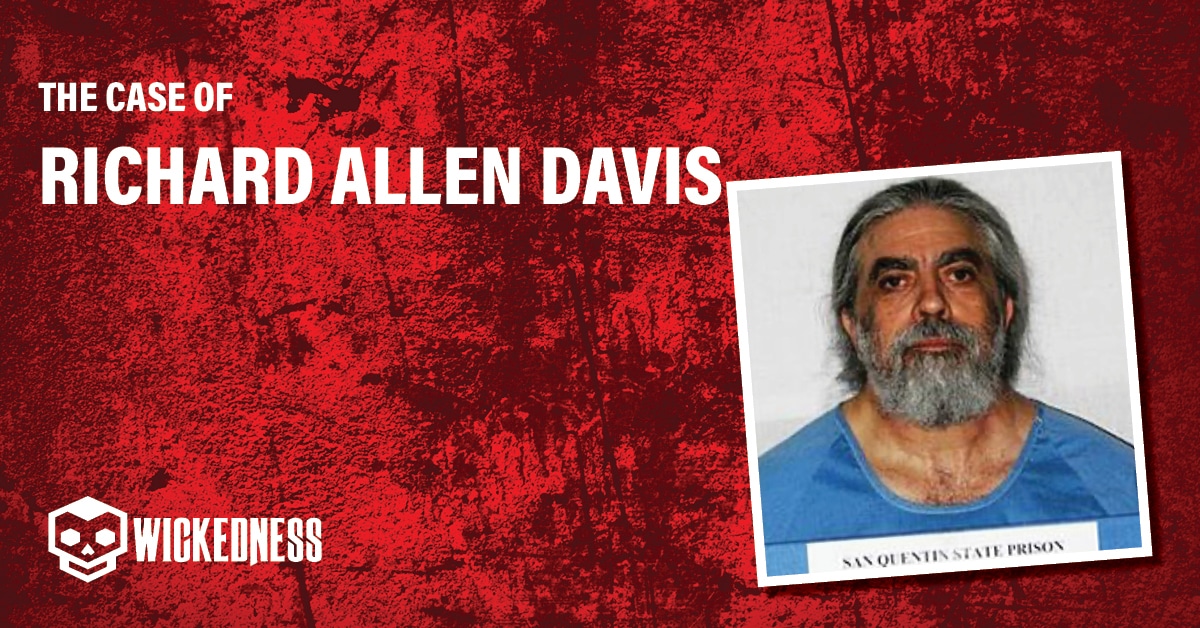
The print was matched to Richard Allen Davis.
He was a repeat offender with a long criminal history, according to the record.
The exact moment the palm print was left is not established in the record.
It is not known if he touched the post while tying the girls.
It is not known if he touched it while lifting Polly from the bed.
It is not known if he touched it at all before that night.
That would require evidence the record does not supply.
What the record does supply is the print itself, silent and fixed on the wood.
Davis was arrested in late November 1993 on an unrelated parole violation.
While in custody, he confessed to the kidnapping and murder.
His confession led authorities to Polly's body.
A single piece of evidence.
A single confession.
A bedpost held the weight of a hand, and the hand belonged to the man who told them where she was.
THE REPEAT OFFENDER
The man whose palm print ended up on a bedpost in Petaluma was a repeat offender with a long criminal history, the source states.
Richard Allen Davis had been in and out of the system for years.
The investigation, though, did not start with him.
It started with local sex offenders, names on a list, checked one by one.
It started with a neighbor who was briefly considered a suspect.
The neighbor was cleared.
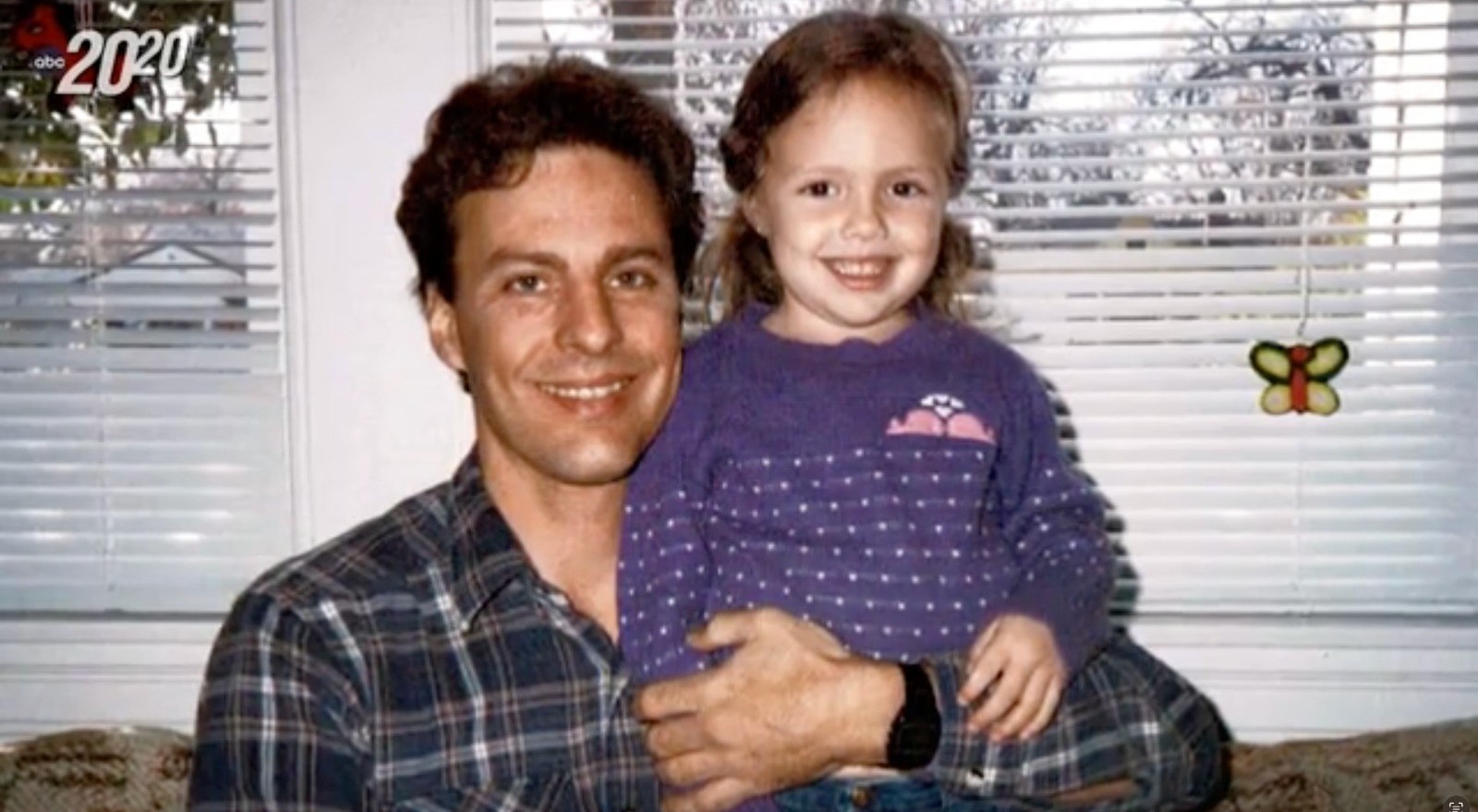
The case stalled.
Weeks passed, and the search for Polly Klaas grew into one of the largest in California history, with volunteers and FBI agents combing the countryside.
The lead detective on the case kept the file open.
Then came a routine arrest.
In late November 1993, Davis was taken into custody on an unrelated parole violation.
That was the break.
Not because he was suspected of the kidnapping at the time.
But because he was in custody, and the evidence could be matched.
The palm print on the bedpost belonged to him.
The record does not establish the details of Davis's prior criminal history.
It does not establish the nature of the parole violation that put him back in handcuffs.
What is established is the sequence: a routine stop, a check of records, and a man already known to the system.
The lead detective would later say the arrest changed everything.
It was a small thing, a parole violation, an administrative matter.
It turned out to be the hinge.
THE CONFESSION
It was a small thing, a parole violation, an administrative matter.
It turned out to be the hinge.
While in custody, Richard Allen Davis confessed to the kidnapping and murder.
His confession led authorities to Polly's body.
His confession detailed the abduction.
His confession detailed the disposal of the body.
Polly's body was found on December 4, 1993, in a wooded area near Cloverdale, California.
She had been strangled.
The case was built on physical evidence and his own statements.
The physical evidence included his palm print on a bedpost in Polly's room.
The statements were his own words, given while he sat in custody.
Then he tried to take the words back.
Davis later attempted to recant the confession, claiming it was coerced.
The record does not establish the exact date of the confession.
The record does not establish the full text of the confession.
What remains is the palm print, matched.
What remains is the body, found where he said it would be.
What remains is the confession, spoken and then denied.
Was the confession true?
Was it forced?
That would require evidence the record does not provide.
The relief of resolution came with a catch.
A confession is a thing a man can take back.
The body stays where it was found.
THE TRIAL AND THE RECANTATION
Davis was tried in Sonoma County Superior Court in 1996.
The prosecution’s case rested on two things: the palm print on the bedpost and the confession.
The defense argued the confession was coerced.
Davis himself later attempted to recant it, claiming the same thing.
Not because the physical evidence was weak.
But because a confession a man takes back is no longer a confession.
It is a story he told once and now denies telling.
The jury heard both versions.
The prosecution said Davis confessed freely, in detail, and that the detail matched the body’s location.
The defense said the words were forced out of him.
What the defense argued beyond the coercion claim is not in the record.
No other theory, no alternative account, no second suspect was established at trial.
It was the palm print and the words.
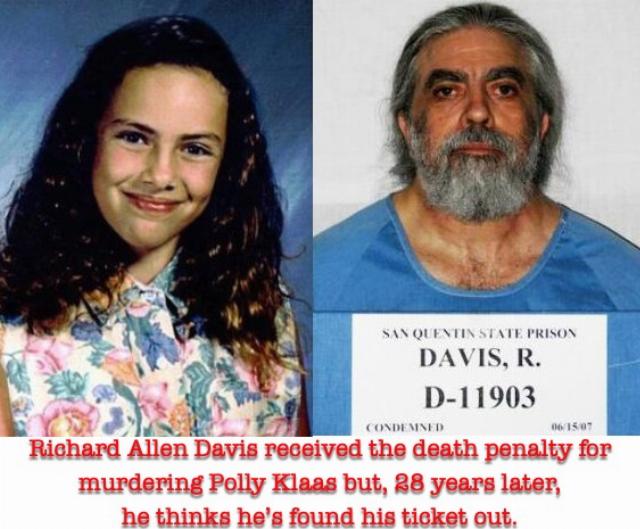
He was convicted on all counts: first-degree murder with special circumstances, kidnapping, and burglary.
The prosecution sought the death penalty.
The jury recommended it.
The trial judge sentenced Davis to death in September 1996.
So the record holds both things at once: a man convicted, and a man who said his confession was a lie under pressure.
The jury believed the first.
The recantation did not undo the verdict.
The palm print did not move.
Neither did the body.
AND THE STORY STILL ISN'T OVER
Davis’s appeals have been ongoing, with multiple challenges to his conviction and sentence, all of which have been denied by state and federal courts.
He remains on death row at San Quentin State Prison, as of recent reports.
California has not executed anyone since 2006, due to legal challenges to the state’s lethal injection protocol.
The status of any pending appeal or the next scheduled hearing is not in the record.
Polly’s death changed the law before Davis’s sentence was even carried out.
California’s “Three Strikes” law was signed into 1994. Megan’s Law was expanded.
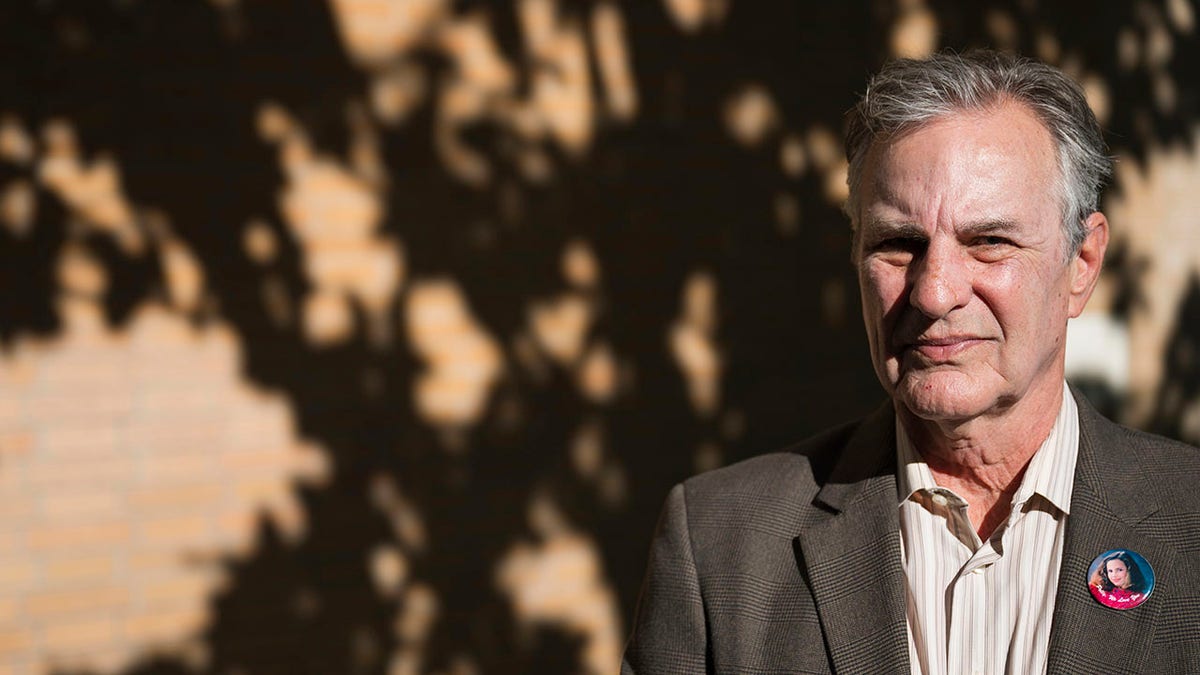
The KlaasKids Foundation, founded by Polly’s father Marc Klaas, continues to advocate for child safety and missing children’s issues.
The case remains a touchstone in discussions of violent crime and sentencing policy.
It is a case that moved statutes. It is also a case that has not moved toward an execution.
The appeals were denied. The recantation was rejected. The palm print held.
What remains is a man on a row, and a foundation with a name.
Not because the verdict was weak. But because the story stayed open.
What does it mean to close a case when the punishment is stalled?
What does it mean to remember when the legal process still turns?
What does it mean to wait, when waiting is all that is left?
That would require evidence the record does not provide.
Marc Klaas keeps working. The foundation keeps its name. The girl keeps her place in the law’s history.
The bedpost held a print. The print held a conviction. The conviction holds, on appeal after appeal.
She was a seventh-grader. She is now a name in a statute.
The case is settled. The story is not.
Advertisement
You may also like
The bloody glove found at O.J. Simpson's estate that didn't fit in court — and the 9-month trial it defined
The dog came first. A passerby on Bundy Drive saw it, alone, and followed. The dog led him to the bodies, discovered around midnight…
The glove that wouldn't fit and the 9-month trial that split America
The glove sat on the courtroom table, dark with dried blood, and Simpson took it in his hands. He struggled with it. He pulled,…
The blood word 'PIG' on Sharon Tate's door, and the Helter Skelter clue detectives couldn't crack
The front door at 10050 Cielo Drive held a word written in blood: "PIG." On the night of August 9, 1969, five people were…
The confession that changed: DeFeo's shifting story on the night his family was shot
The bar on Ocean Avenue opened early on a Wednesday morning, or perhaps it had never closed. A young man walked in and told…
The last sounds a mother never heard — and the river kept them
The sound came first. On May 22, 1981, police staking out the Chattahoochee River heard a splash. They stopped a car driven by Wayne…
The Spahn Ranch handyman who knew the Manson Family before the Cielo Drive killings
He was called Shorty, and he worked at Spahn Ranch. The ranch was a dusty movie set in the hills outside Los Angeles, and…