The last sounds a mother never heard — and the river kept them
The sound came first.
On May 22, 1981, police staking out the Chattahoochee River heard a splash.
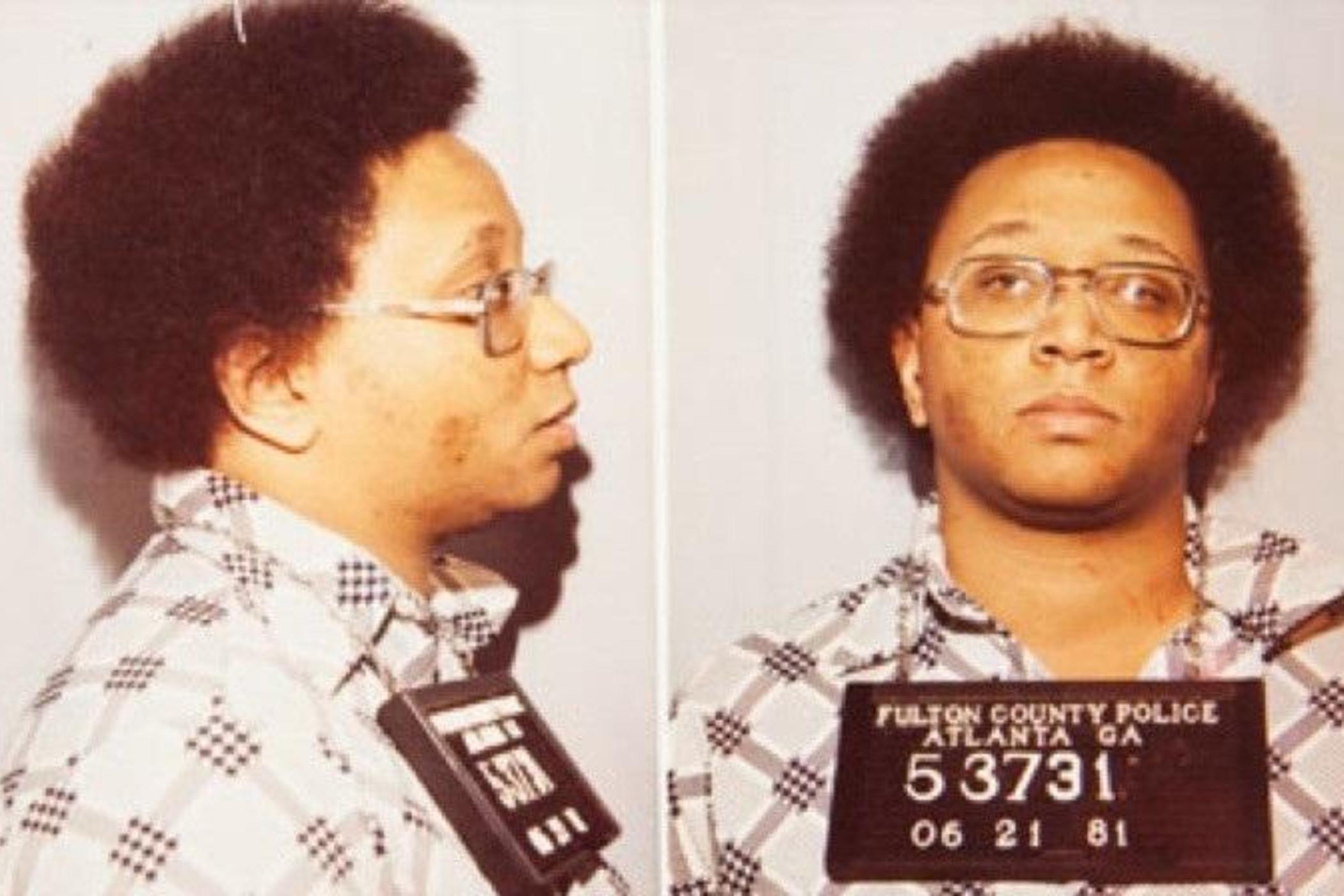
They stopped a car driven by Wayne Williams, a 23-year-old Black freelance photographer and music promoter.
Two days later, the body of Nathaniel Cater, 27, was pulled from the river.
The mother of Nathaniel Cater heard that same splash — then nothing.
The river kept its silence for two days.
What exactly caused the splash is not established by the record.
A theory circulating online — not a fact established by the record — holds that the splash was the sound of a body being thrown into the water.
Was it a body?
Was it a rock?
Was it something else entirely?
That would require evidence.
The river held what it knew.
The mother waited.
The river gave back her son.
It did not give back the answer.
THE MOTHERS
Between the summer of 1979 and the spring of 1981, at least 28 Black children, teenagers, and young adults disappeared and were found murdered in and around Atlanta, Georgia.
The victims ranged in age from 7 to 28.
Many were found in rivers, wooded areas, or vacant lots, often strangled or suffocated.
The case became known as the Atlanta Child Murders.
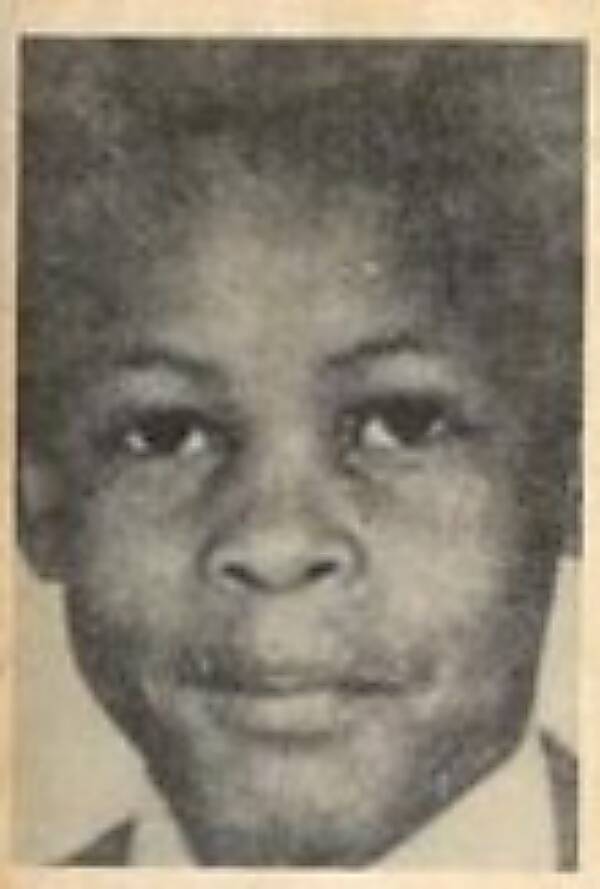
Camille Bell’s son Yusuf was 9 years old when he was murdered in 1979.
She became a vocal advocate, pressing police and the media to take the cases seriously.
She was not alone.
The mothers of other victims joined her, attending the trial and speaking publicly about their grief and frustration.
They counted the children.
They counted the days between disappearances.
They counted the bodies pulled from the water.
The exact number of victims is not fully established, and the full scope of what happened remains open.
What the record shows is grief, and anger, and the fight for attention.
The mothers demanded that their children matter.
The river kept giving back sons, daughters, grandsons.
It did not give back the answers they asked for.
THE RIVER EVIDENCE
The investigation pulled in the Atlanta Police Department, the Georgia Bureau of Investigation, and the FBI.
It was a massive effort, but the break came at the river.
The FBI's behavioral science unit had earlier suggested the killer might be a young Black man who would dump bodies in water.
On May 22, 1981, officers on a river stakeout heard a splash.
They stopped a car driven by Wayne Williams.
Two days later, Nathaniel Cater's body was pulled from the river.
Forensic evidence linked Williams to the two river victims.
Dog hairs found on the bodies matched hairs from Williams's dog.
Carpet fibers matched his home and his car.
The prosecution argued that Williams killed Cater and the other river victim, and that he was responsible for many of the other deaths.
He was only tried for the two.
The defense attorneys argued the fiber evidence was circumstantial.
They said police had targeted Williams without direct proof.
They called him a scapegoat.
The prosecution called him a killer.
The evidence was fiber and hair, not a weapon.
What exactly caused the splash on the river that night is not established.
The direct link between Williams and the other deaths is not established either.
The river kept its own account.
THE TRIAL
On February 27, 1982, the jury found Williams guilty of both murders.
The verdict came after a trial that began in January 1982 and lasted nearly two months.
The prosecution presented extensive fiber and hair evidence.
Witnesses placed Williams near the river.
Dog hairs found on the bodies matched hairs from his dog, the prosecution said.
Carpet fibers matched his home and his car.
The defense argued that the evidence was weak.
The defense argued that Williams was a scapegoat.

They said police had targeted him without direct proof.
The fiber evidence was circumstantial, they argued.
The judge sentenced Williams to two consecutive life terms in prison.
He has maintained his innocence ever since.
He filed multiple appeals, all unsuccessful.
The trial resolved two deaths.
It did not resolve the others.
Whether Williams was responsible for the other deaths is not established by the trial.
No one else has ever been convicted in the Atlanta Child Murders.
The families sat through the testimony.
Camille Bell, whose 9-year-old son Yusuf Bell was murdered in 1979, had pressed police and the media for years.
She attended the trial.
Many of the victims' relatives spoke publicly about their grief and their frustration.
The verdict gave them two convictions.
It gave them no answers for the rest.
The river kept its own account.
The trial could not change that.
AND THE STORY STILL ISN'T OVER
He has maintained his innocence ever since.
He filed appeal after appeal. All unsuccessful.
He has never been charged in the other deaths. No one else has ever been convicted in the Atlanta Child Murders.
The record closes on two convictions. It opens on at least 28.
In 2007, Atlanta police reopened the case. They re-examined evidence using DNA technology. No new charges were filed.
In 2019, the city of Atlanta formally apologized to the victims' families. The apology was for the slow and inadequate initial response.
Not for the outcome. For the slowness.
Camille Bell kept counting. She spent decades demanding justice for all the children, not just the two in the conviction.
Not because the two did not matter. Because the rest were still hers.
Her son was nine. His name was Yusuf. She said his name for decades.
The full truth of the Atlanta Child Murders remains officially unsolved. That is what the record does not establish.
It is a painful chapter. It is also an unresolved one.
The river kept its own account. The trial could not change that. The appeals could not change that.
The mothers could not change that, either. They kept asking anyway.
Advertisement
You may also like
The 31 days Casey Anthony never reported her toddler missing
The 911 call came from a house in Orlando, Florida, on July 15, 2008. Cindy Anthony was on the line, and she told the…
The handwritten note Tsarnaev left inside the boat before capture
The boat sat in a Watertown backyard, dry-docked and winter-covered, on the morning of April 19, 2013. Inside it, police found Dzhokhar Tsarnaev, hiding…
A non-prosecution deal in 2007 that still haunts the Epstein case — how one promise shielded him for years
It begins with a signature. In 2007, federal prosecutors in Miami negotiated a non-prosecution agreement with Jeffrey Epstein, the wealthy financier accused of sexually…
The confession Ottis Toole made four times that police still wouldn't believe
He said he did it. Then he said he didn't. Ottis Toole was a serial killer. He confessed to the murder of six-year-old Adam…
The calling card left on a choir singer's body that police couldn't explain
The morning of September 15, 1922, a local man found two bodies beneath a crabapple tree in a secluded lane known as "Lovers' Lane"…
The two-word confession that cracked the Hillside Strangler case
He was arrested in Bellingham, Washington, in January 1979, for the murders of two women there. Under interrogation, Kenneth Bianchi confessed to those killings.…