The confession that changed: DeFeo's shifting story on the night his family was shot
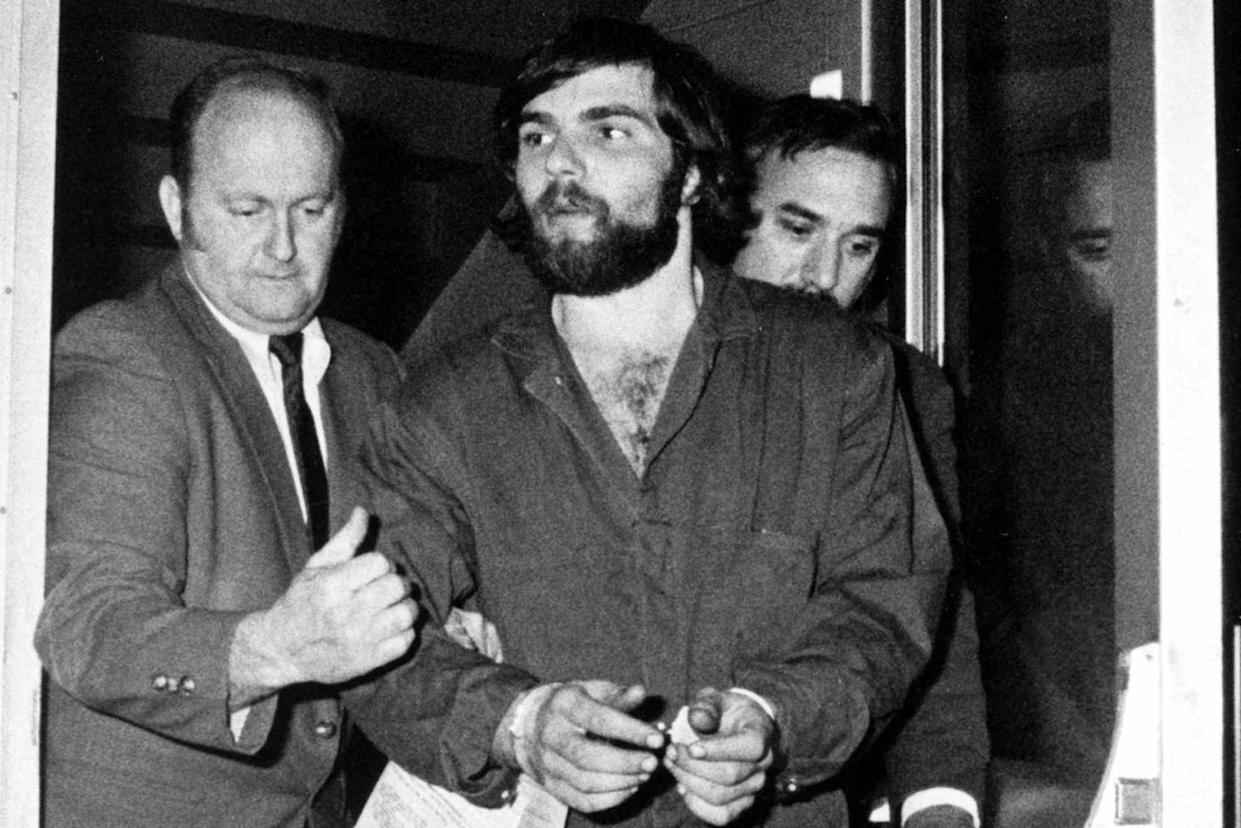
The bar on Ocean Avenue opened early on a Wednesday morning, or perhaps it had never closed.
A young man walked in and told the patrons that his family had been shot.
That was the first public statement of the day, and it was made to strangers over a counter.
The man was Ronald DeFeo Jr., 23 years old, a resident of the house at 112 Ocean Avenue in Amityville, New York.
Exactly what he said to the bar patrons is not in the record.
Only that he told them his family had been shot, and that someone called the police.
Officers arrived at the DeFeo home and found six bodies.
The father, the mother, two brothers, and two sisters, each shot in the head while asleep.
Each one killed in bed, in the same house, on the same night.
DeFeo told police an unknown gunman had entered the home.
That was his first story.
Under questioning, he confessed to the murders himself.
That was his second story.
The confession was not a single, steady account.
His story shifted on the order of the shootings.
His story shifted on whether he acted alone.
Why would a man walk into a bar and announce his family was dead?
Why would he blame a stranger first, then take the blame himself?
Why would the details move every time he told them?
That would require evidence, and the evidence would come later.
On that morning, there was only the announcement, the bodies, and a young man whose account would not hold still.
THE FAMILY AT 112 OCEAN AVENUE
He was 23 years old, and he lived in the house where the killings occurred.
The house was at 112 Ocean Avenue in Amityville, New York.
He lived there with his parents and four siblings — two brothers and two sisters.
Six people, one roof, one household.
The family was intact and living together on the night of November 13, 1974.
There is no record of the family being fractured, no record of a departure, no record of a quarrel that drove anyone out.
They were all there, asleep, when the shots came.
DeFeo later claimed he had heard voices urging him to kill his family.
That statement became central to his defense.
His defense also cited a history of drug use.
The exact nature and extent of that drug use are not in the record.
Neither are any specific events leading up to the night.
What remains is the domestic setting: a full house, a young man at its center, and his own account of a mind under pressure.
He was the oldest child in that house.
He was the one who walked into a bar that morning and told others his family had been shot.
The household was the stage.

The announcement was the curtain.
What happened between the two — what he heard, what he took, what he decided — is not documented.
That would require evidence, and the evidence would come later.
For now, there is only the weight of six lives under one roof, and a 23-year-old who said he was told to end them.
THE CONFESSION AND THE RIFLE
At first, he said an unknown gunman had done it.
Under questioning, that story fell apart.
He confessed to the murders, but the confession kept moving.
The order of the shootings changed between tellings.
Whether he acted alone changed too.
One version placed him in one room, then another.
The lead detective on the case testified about the confession and the weapon.
He described how DeFeo's account shifted under pressure.
The rifle was a .35 caliber Marlin, recovered from the house.
It was the physical fact the confession had to fit.
It fit some versions better than others.
The exact sequence of the shootings is not established by the record.
Whether DeFeo acted entirely alone is not established either.
His own statements made both questions impossible to settle.

The confession admitted guilt, but it would not stay still.
That tension became the centerpiece of the investigation.
It was the thing the trial would have to answer.
It was also the thing the trial could not fully resolve.
THE TRIAL: TWO STORIES OF THE SAME NIGHT
The trial opened with two versions of the same night.
The defense, led by his attorney, argued that DeFeo was insane at the time of the killings.
He had claimed to hear voices urging him to act.
He had a history of drug use.
Those things, the defense said, made the act something other than deliberate choice.
The prosecution argued the opposite.
DeFeo was legally sane, prosecutors said, and he had acted deliberately.
He confessed, then changed his story.
He gave conflicting statements about the order of the shootings.
That, the prosecution said, was the behavior of a man managing a lie, not a mind in collapse.
The trial judge, Thomas Stark, presided over the clash.
Two stories, one night.
Was it madness?
Was it calculation?

The record offers the arguments, but not the answer.
In November 1975, the jury rejected the insanity defense.
They convicted DeFeo on all six counts of second-degree murder.
He was sentenced to six concurrent terms of 25 years to life in prison.
An appeal was filed.
It was unsuccessful.
What the jury heard from expert witnesses is not in the record.
What the jury reasoned is not in the record.
That would require evidence the case file does not contain.
What remains is the verdict itself.
It is a fact.
It is also a question the trial could not fully resolve.
AND THE STORY STILL ISN'T OVER
DeFeo died on March 12, 2021, at age 69, inside a New York state prison.
He had been there since the verdict.
The house at 112 Ocean Avenue was sold and renovated.
The address was changed to 108 Ocean Avenue to deter curiosity seekers.
The case inspired a book by Jay Anson and a series of films.
Those works are widely acknowledged to contain fictionalized elements.

The surviving relatives of the family have largely stayed out of the public eye.
Not because the story is done.
But because the documented record is closed.
No new developments are in the record.
No pending legal actions are in the record.
The case is closed, and DeFeo is deceased.
That is what the record establishes.
What the record does not establish is anything after the appeal failed.
What the record does not establish is any resolution to the questions the trial left open.
What the record does not establish is a single, settled narrative of the night itself.
The story endures anyway.
It endures not because of the documented record.
It endures because of the fictionalized legend that grew around it.
The next concrete step is not a court date.
It is the ongoing public reckoning with a case that has been reshaped by fiction.
The real story was six people shot while they slept.
The real story was a 23-year-old man who confessed, then changed his story.
The real story was a jury that believed one version of that night.
The legend is louder.
The record is quieter.
It is still the record.
Advertisement
You may also like
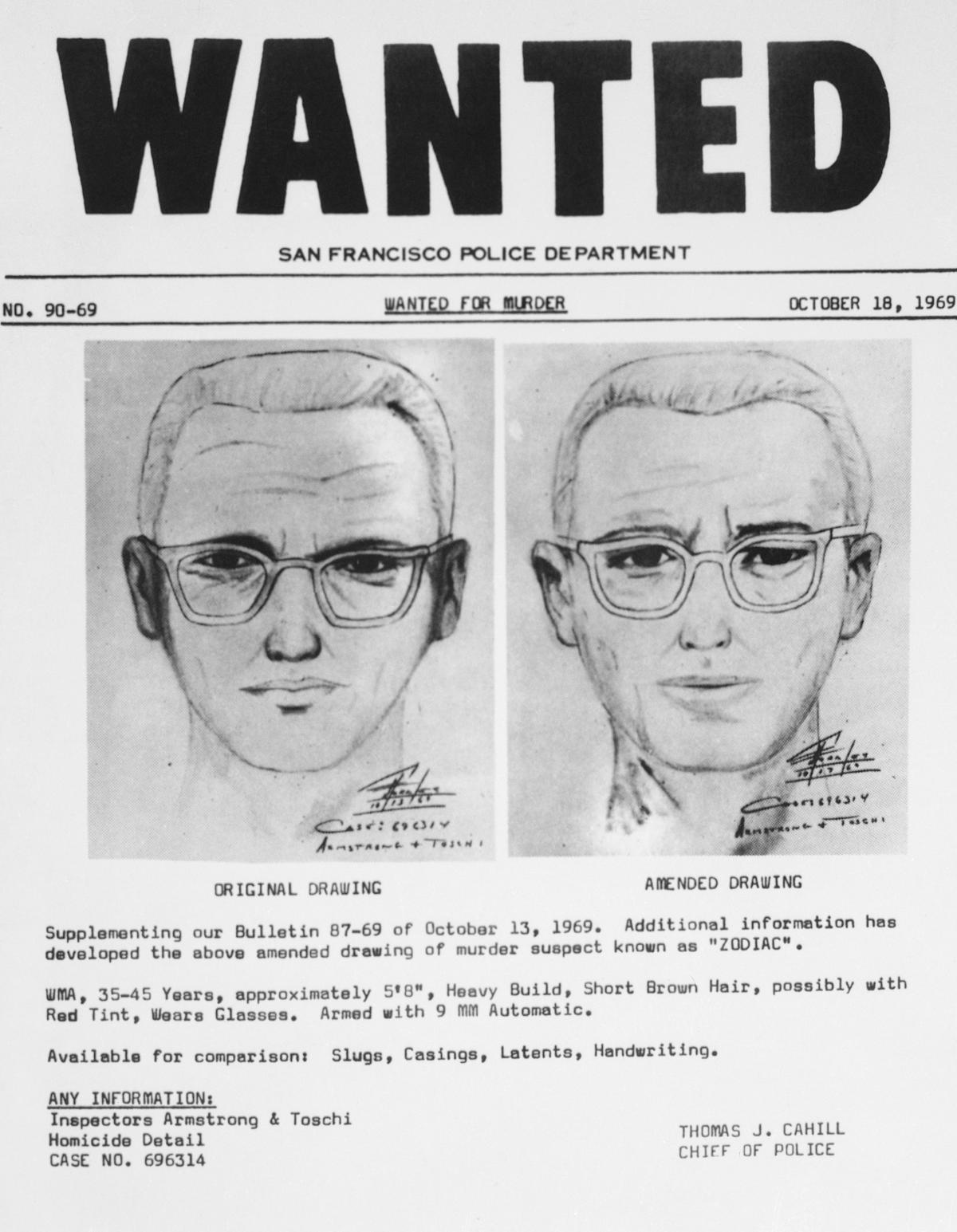
The 340-symbol cipher cracked in 2020 — and the message that still names no one
In December 2020, a team of codebreakers announced they had cracked the 340-symbol cipher. David Oranchak, a software developer, and Sam Blake, a mathematician…
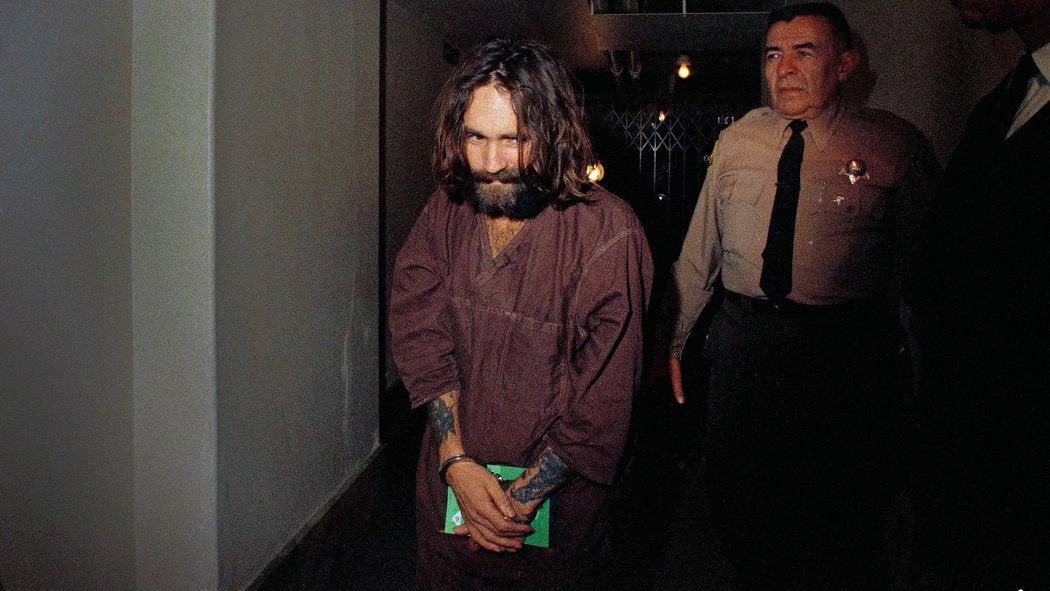
The misread clue that derailed the Tate murder probe for months
Five people were found dead at 10050 Cielo Drive in Benedict Canyon on the morning of August 10, 1969. Among them was actress Sharon…
The work truck and the oilfield: how a Colorado husband's story collapsed in three days
The friend called it in on the morning of August 13, 2018, after Shanann Watts missed a doctor’s appointment. She was 34, and her…
The Gulf War veteran who rented a Ryder truck under a false name — then a trooper pulled him over
The Ryder truck was rented from an agency in Junction City, Kansas, under the name "Robert Kling." That name was not his. The rental…
Why Gary Ridgway's 48 life sentences still face a painful, unfinished chapter for victims' families
He sat in a King County courtroom in 2003 and said the words that ended the longest murder investigation in Washington state history. Gary…
The 2020 ruling that spared Scott Peterson from death row
She was twenty-seven and eight months pregnant, and she vanished from her home on Christmas Eve. Her husband reported her missing that evening. He…