The 2020 ruling that spared Scott Peterson from death row
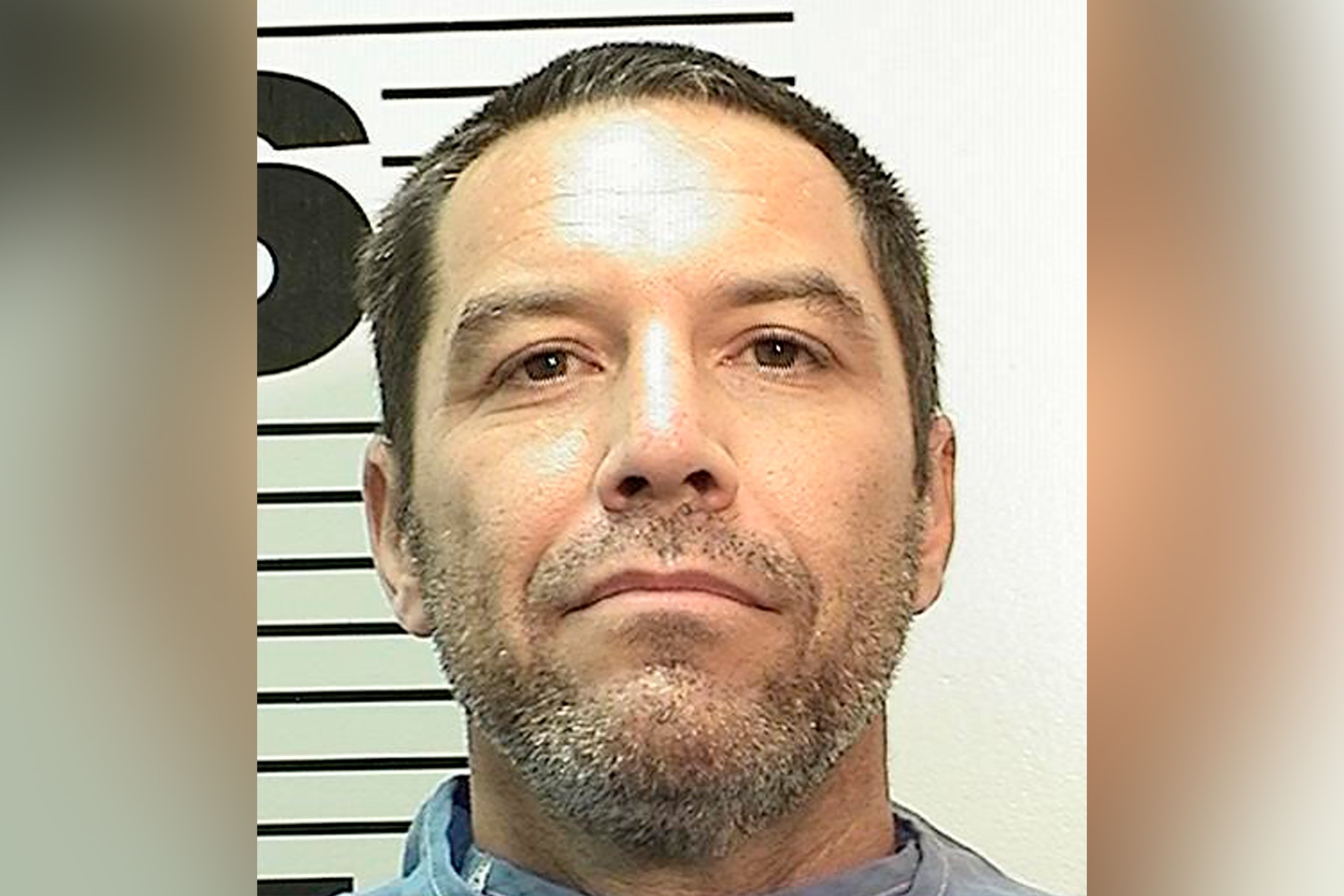
She was twenty-seven and eight months pregnant, and she vanished from her home on Christmas Eve.
Her husband reported her missing that evening.
He said he had spent the day fishing at the Berkeley Marina, a location that would become central to the case.
Months passed with no answers.
On April 13, 2003, the body of a full-term male infant washed ashore in San Francisco Bay.
The next day, Laci Peterson's body was found about two miles away.
The remains were identified as Laci and her unborn son, the boy the couple had planned to name Conner.
The bay had given them back.
The marina had not.
No murder weapon was ever found, and the case relied on circumstantial evidence.
The exact circumstances of Laci's death are not established by the record.
The identity of any killer is not established by the record.
What is established is an alibi, a tide, and two bodies surfacing near the place where a husband said he had been fishing.
That is the knot.
That is the cold, unresolved question that still hangs over that Christmas Eve.
THE AFFAIR AND THE PHONE CALLS
Police initially treated the disappearance as a possible kidnapping.
That was the framing for a time.
Suspicion soon fell on Scott Peterson, and detectives found inconsistencies in his statements about that Christmas Eve.
He said he had been fishing at the Berkeley Marina.
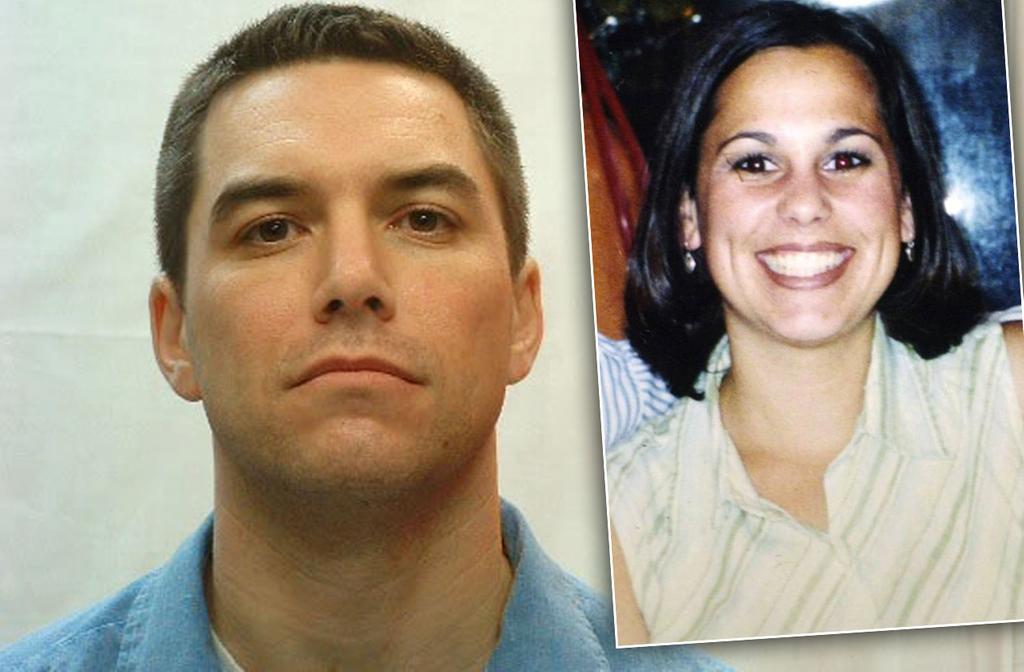
Investigators discovered he had been having an affair with Amber Frey.
She came forward publicly. She cooperated with police. She provided recorded phone calls.
The exact content of those calls is not in the record.
What the record shows is that they undermined his credibility.
The prosecution argued Scott killed his wife to escape his marriage and impending fatherhood.
The defense suggested Laci had been abducted by strangers while walking the dog.
That theory was not proven.
The prosecution challenged it, and the jury heard the challenge.
Then the bodies surfaced.
The full-term male infant washed ashore on April 13, 2003. Laci's body followed the next day, about two miles away.
They were found near the place where Scott claimed to have been fishing.
That was a critical piece of circumstantial evidence. It was not a rope.
It was a thread, and it joined other threads: the affair, the calls, the inconsistencies, the alibi.
No murder weapon was ever found.
The case relied heavily on circumstance, and that is what the jury weighed.
Each fact pulled one way. No single one closed the knot.
That would require evidence the record does not establish.
THE VERDICT AND THE DEATH SENTENCE
The trial began in June 2004 in Redwood City, California, after a change of venue from Modesto due to extensive pretrial publicity.
On November 12, 2004, the jury found Scott guilty of first-degree murder for Laci's death and second-degree murder for their unborn son's death.
The same jury recommended the death penalty.
On March 16, 2005, the trial judge sentenced Scott to death.
The conviction and death sentence were automatically appealed to the California Supreme Court.
That appeal was a procedural step, not a ruling on guilt.
:max_bytes(150000):strip_icc():focal(999x0:1001x2)/laci-peterson-family-2-d60dbe78a8384fc4b387604161b69e09.jpg)
The name of the trial judge is not in the record.
The verdict landed with weight. The sentence carried more.
It was a conviction. It was also a beginning of what came next.
THE 2020 RULING
The California Supreme Court ruled in August 2020.
It overturned Scott Peterson’s death sentence.
It upheld his murder convictions.
The court found that the trial court had erred during jury selection by dismissing prospective jurors who opposed the death penalty.
That error did not touch the question of guilt.
The ruling did not address guilt at all.
A new penalty phase was ordered.
Prosecutors announced they would not seek the death penalty again.
In December 2021, a judge resentenced Scott Peterson to life in prison without the possibility of parole.
He remains incarcerated at San Quentin State Prison.
He has been housed at other facilities over the years.
The record does not establish innocence.
It establishes a sentence erased, a conviction intact.
In 2024, a judge denied a motion for a new trial.
The motion was based on claims of juror misconduct and new evidence.
The specific claims are not detailed in the record.
What the record shows is the denial.
The Los Angeles Innocence Project announced in 2024 that it was assisting Scott Peterson.
The organization later withdrew from the case.
No reason for the withdrawal is stated in the record.
Laci’s family has watched the case drag on.
Sharon Rocha has written a book about her daughter and the case.
The family has maintained that Scott Peterson is guilty.
They have opposed any further legal challenges to his conviction.
The verdict stood.
The sentence did not.
The family was left to watch the rest unfold.
That is where things stand.
AND THE STORY STILL ISN'T OVER
Sharon Rocha has watched her daughter's case turn into a legal marathon.
She has written a book about Laci and the case.
She has spoken publicly, again and again, about her frustration with the proceedings.
The family has maintained that Scott is guilty.
They have opposed any further legal challenges to his conviction.
Scott has continued to pursue appeals of his own.

The convictions stand.
The sentence is life without parole.
The appeals continue.
The record does not detail the status of those appeals.
It does not indicate any pending parole hearing.
It does not specify any new court date.
That would require a document the record does not contain.
The case remains active in the courts.
That is what the record shows: an active case, a grieving family, a defendant still filing.
Sharon Rocha has said her piece in a book.
She has said it in public statements.
She has said it in opposition to every new legal move.
The story refuses to close.
A family's grief does not end with a resentencing.
A defendant's appeals do not end with a denial.
A legal system keeps turning, even when the headline has moved on.
The next concrete step is not in the record.
It is not a date.
It is not a motion.
It is not a decision.
The family waits.
The defendant appeals.
The courts turn.
That is where the story stands now.
Advertisement
You may also like
The phone call that put Adnan Syed near Leakin Park — and the call records that later unraveled
She was 18, a senior at Woodlawn High School, and she did not come home on January 13, 1999. Hae Min Lee disappeared after…
The unserved 1955 arrest warrant for Carolyn Bryant, found in a courthouse basement, and the family still seeking answers
The warrant was folded, typed, and dated 1955, and it was found in 2018 in a courthouse basement. It named Carolyn Bryant, the woman…
The $50,000 ransom note left on a windowsill that began a 20-month hunt
The nursery window faced the night. A ladder leaned against it, reaching the sill. On the sill, a note. It demanded $50,000. The child…
The 1954 murder trial a judge let the press decide — and the Supreme Court still cites
The 911 call did not exist in 1954. On July 4, 1954, in Bay Village, Ohio, a Cleveland suburb, Marilyn Sheppard, 31, was found…
The 1993 raid on a Texas ranch that left four ATF agents dead — and the fire's origin still disputed
He called himself David Koresh, though he was born Vernon Wayne Howell. He was the self-proclaimed prophet and leader of the Branch Davidians at…
Why Kitty Genovese's killer returned to the street before the fatal blow
She was on the ground below her apartment at 82-70 Austin Street in Kew Gardens, Queens, in the early hours of March 13, 1964.…