Why Kitty Genovese's killer returned to the street before the fatal blow
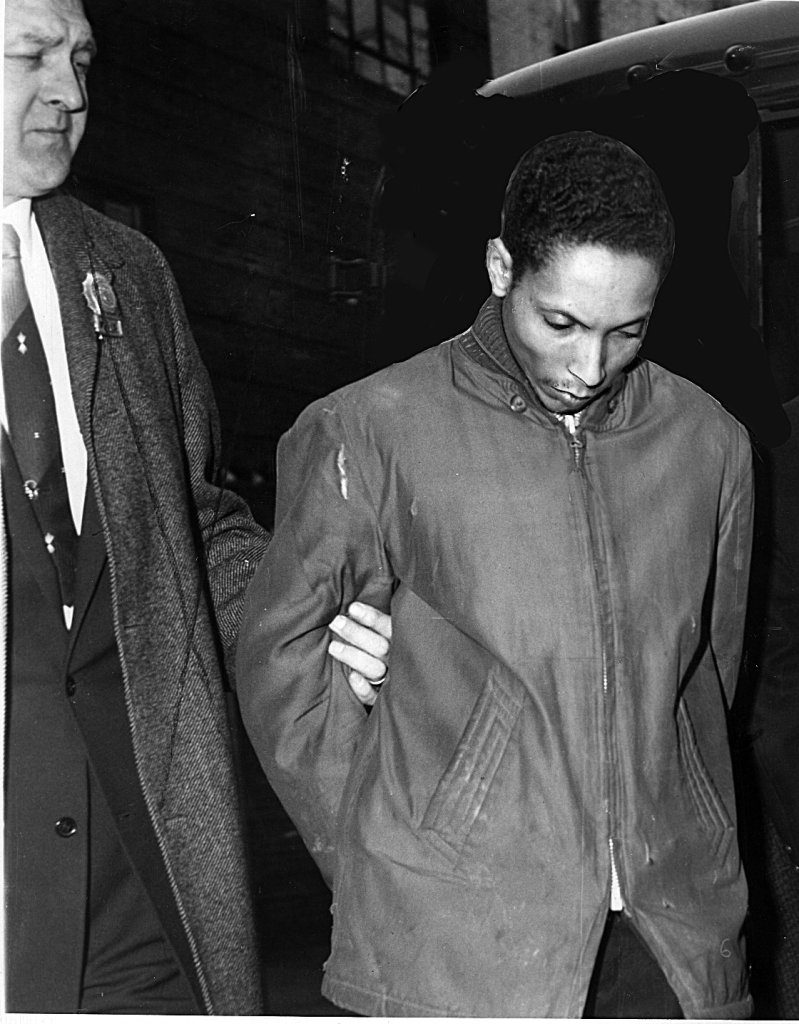
She was on the ground below her apartment at 82-70 Austin Street in Kew Gardens, Queens, in the early hours of March 13, 1964.
Catherine "Kitty" Genovese, 28, was returning home from her job at Ev's 11th Hour Bar.
The attack happened in two phases.
Winston Moseley stabbed her.
A neighbor shouted.
Moseley fled.
Then he came back.
The return is the hinge of the case.
Everything that followed—the second assault, the death, the trial, the myth—depends on that single moment when he turned around.
Yet the record is silent on what he thought or why he did it.
Why did he come back?
Did he believe the street was empty?
Did he panic, or did he plan?
The source does not give his stated reason.
A theory circulating online suggests he left for good and only returned because no one intervened.
That is a theory.
It is not a fact established by the record.
The documented timeline shows he did return.
The motive for that return is not in the source.
What the record does establish is the sequence: the first stab, the shout, the flight, the return, the continuation of the assault.
What it does not establish is the why.
That would require evidence.
The neighbor who shouted is known only by role.
The neighbor who found Genovese and stayed with her is known only by role.
Their names are not in the news coverage of this case.
The moment itself remains unresolved.
It is the question at the center of everything.
And the record leaves it open.
THE TWO ATTACKS
She was walking home from her job at Ev's 11th Hour Bar.
The street was dark, and the time was early — March 13, 1964, just past 3 a.m.

Moseley stabbed her the first time, and she fell.
A neighbor shouted from a window.
Moseley stopped. He fled.
The shouting neighbor is not named in the record; the source refers only to the role.
What happened next is the hinge of the case, and the record is silent on the exact duration.
The exact time between the first attack and the second is not established.
He returned.
He continued the assault, and this time he killed her.
The weapon was a knife, described in court testimony as a hunting knife.
Another neighbor, a woman, came out and found Genovese on the ground.
She stayed with her.
Genovese died in an ambulance on the way to the hospital.
The window that closed was small.
A shout had been enough to drive him off once.
It was not enough the second time.
Not because the shout failed. Because the return is what the record does not explain.
She was on the ground below.
The neighbor who found her is named in the case file, but her name does not appear in news coverage of this case, so she is referred to here only by her role.
She stayed until the ambulance came.
The two attacks are separate facts in every account.
The gap between them is not.
THE ARREST AND CONFESSION
Six days after the attack, police arrested Winston Moseley.
He was a 29-year-old business machine operator, and he was arrested on March 19, 1964, after being spotted driving a stolen car.
The lead detective of the Queens Homicide Squad questioned him.
During that questioning, Moseley confessed to the Genovese murder.
He also admitted to two other murders.
He admitted to a series of burglaries as well.
His confession was detailed.
It matched the crime scene evidence.
That confession is the documented anchor that ties Moseley to the crime.

It is the point where the record stops being silent.
Not because the confession reveals everything. But because the source does not detail its exact words.
The full content of the confession, beyond matching the evidence, is not established in the record.
Before the arrest, the case had moved on its own quiet track.
Genovese's partner, Mary Ann Zielonko, reported her missing.
Zielonko later identified her body.
Then came the arrest, and then came the confession.
The relief of a confession after six days.
The weight of two more murders admitted in the same breath.
Moseley's confession covered the attack in two phases: the first stab, the flight, the return.
The return—the moment he came back—is the hinge.
The confession places him there.
What he did in the gap between the two attacks, the record does not say.
THE TRIAL AND THE 38
The trial began in June 1964.
Moseley was charged with first-degree murder.
The prosecution presented his confession and forensic evidence.
The defense argued he was legally insane at the time of the killing.
The jury rejected that argument.
On June 8, 1964, they convicted him.
The judge sentenced him to death.
The conviction stood.
But the story around it had already begun to shift.
On March 27, 1964, The New York Times published an article reporting that 38 witnesses had observed the attack without intervening.
That number traveled further than the trial itself.
It became the moral of the case.
It is not what the record shows.
The record shows at least one neighbor shouted during the first attack.
The record shows another neighbor later went to Genovese's aid.
Subsequent reporting found the actual number of witnesses was far smaller.
The exact number is not specified in the source.
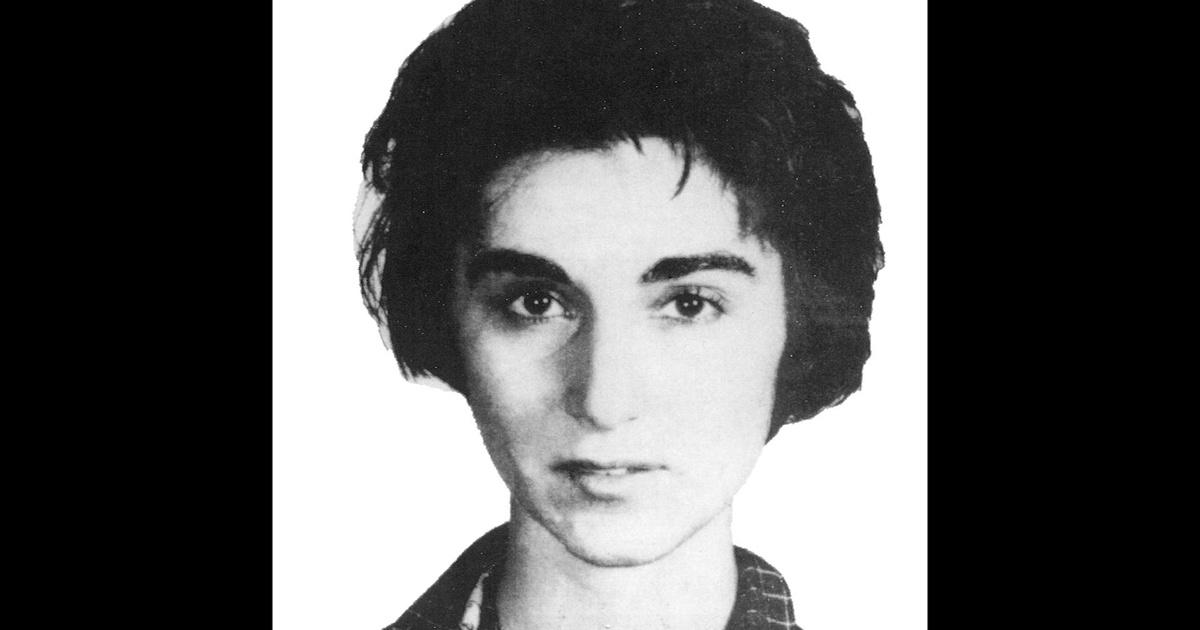
It was only described as far smaller than 38.
Some of those witnesses called police.
Some shouted at the attacker.
None of them stood silently in a ring, watching.
The 38 were a headline, not a finding.
The jury heard the confession.
The jury heard the forensic evidence.
The jury heard the defense's argument about insanity.
The jury convicted anyway.
Moseley was sentenced to death.
That sentence did not hold.
The conviction did.
AND THE STORY STILL ISN'T OVER
The death sentence was overturned in 1967 by the New York Court of Appeals.
The trial judge had improperly instructed the jury on the insanity defense, the court ruled.
Moseley was resentenced to life imprisonment.
He stayed in prison for the rest of his life.
Parole was denied multiple times.
His final application was rejected in 2016.
He died in prison on March 28, 2016, at age 81, at Sullivan Correctional Facility in Fallsburg, New York.
The case outlived him.
In 2004, a garden was dedicated in Kitty's memory at the site of the attack.
In 2016, her family launched the Kitty Genovese Legacy Project to promote bystander intervention.
Her brother and sister became public advocates.
They have expressed frustration with the enduring myth of the 38 witnesses.
Some neighbors did attempt to help, they note.
The record does not establish the exact number of witnesses who actually saw or heard the attack.
That number remains contested.
The case inspired the "Genovese syndrome" concept in psychology, referring to the bystander effect.
Modern scholarship has questioned the accuracy of the original witness count.
The myth persists despite the family's efforts.
The story is still being written.
Advertisement
You may also like
The Green Beret doctor who told MPs a hippie cult killed his family — and the pajama fibers that changed everything
The call came in on February 17, 1970, from the residence of Captain Jeffrey MacDonald, a Green Beret physician at Fort Bragg, North Carolina.…
Adnan Syed's 2024 freedom is secure, but the conviction status remains in legal limbo as the Lee family fights on.
It began with a voice. In 1999, an anonymous phone call pointed police toward Adnan Syed—no name given, no evidence offered, just a voice…
The letter that sent the Trailside Killer to a dead end
A letter arrived for the authorities during the Trailside Killer investigation. It was threatening. It was taunting. Handwriting analysis linked it to the killer,…
The letter Erik allegedly wrote about abuse — and why the Menendez brothers' appeals keep failing
A letter Erik allegedly wrote sits inside a 2023 habeas corpus petition filed by the brothers’ attorneys. It describes the abuse, the petition says.…
The parole officer's alert that led authorities to Richard Allen Davis
A woman reported a suspicious man near the Klaas home on the night of October 1, 1993. Her description pointed to Richard Allen Davis,…
The tarot card left at a crime scene — and the message that still haunts detectives
The card was left on the ground at one of the crime scenes. It was a tarot card, and on it someone had written…