The cell phone records that put Adnan Syed near Leakin Park — and the alibi witness never called
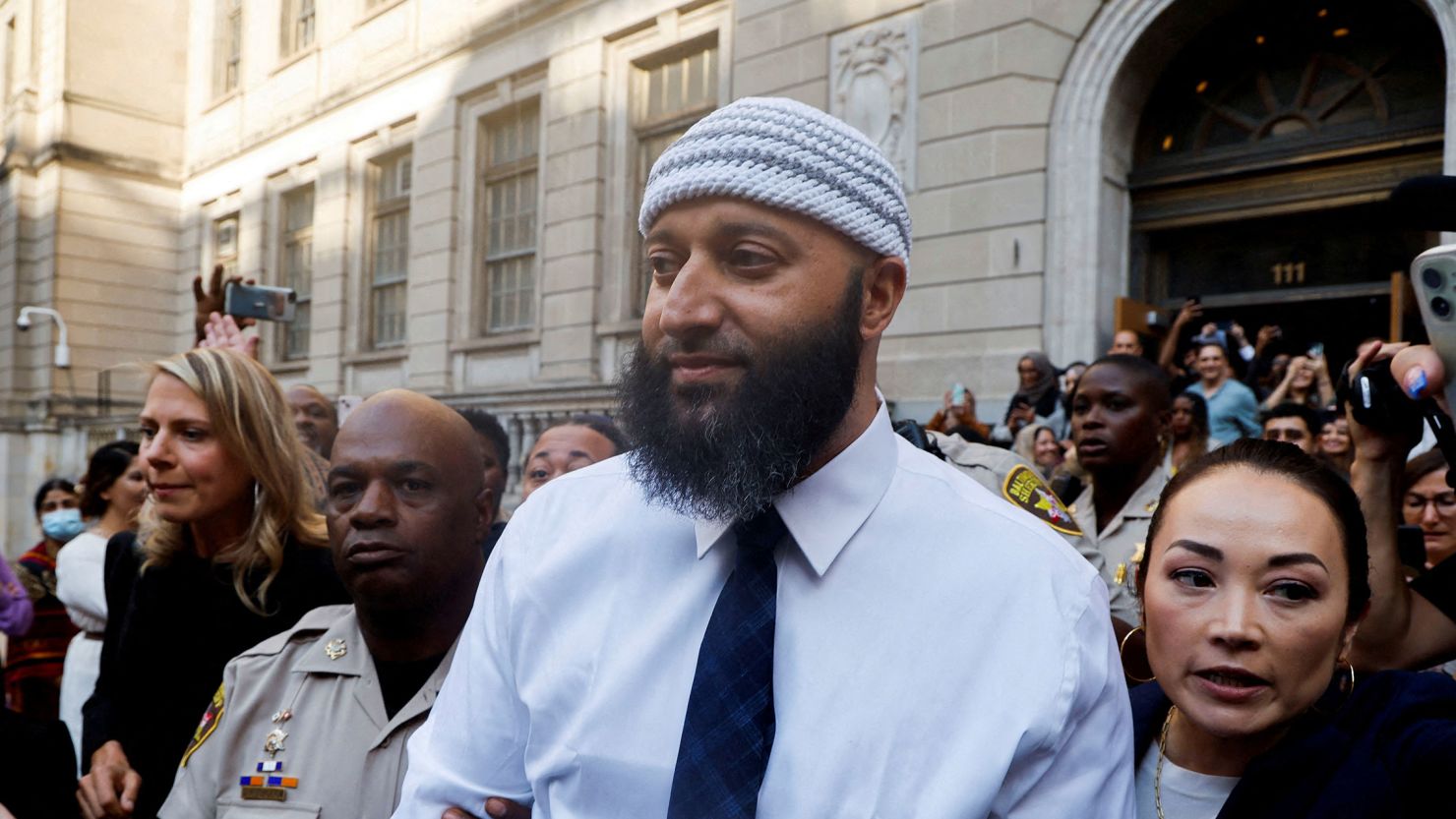
A classmate later came forward with a name and a date: Asia McClain said she had seen Adnan Syed in the school library around the time of the murder.
It was an alibi, or the seed of one.
It was never presented at trial.
Why not?
That question would follow the case for two decades, through appeals, through a podcast, through a vacated conviction and a reinstated one.
The state's case was largely circumstantial.
There was no physical evidence linking Syed to the crime scene.
No fingerprints, no DNA, no confession.
There was Jay Wilds, the key witness, and there were cell phone records.
And there was a sighting that might have placed Syed somewhere else entirely.
McClain's testimony became a central issue in later appeals.
The courts disagreed about what it meant.
In 2016, a post-conviction court ruled that Syed's original defense attorney had provided ineffective assistance by failing to investigate her alibi testimony.
That ruling granted him a new trial.
The state appealed.
In 2019, the Maryland Court of Special Appeals reinstated the conviction, finding that the alibi testimony would not have changed the outcome.
What the record does not establish is whether McClain's testimony would have changed the trial.
The 2019 court said it would not have.
A single sighting, a single missed phone call, a single decision by a defense attorney.
What if she had been called?
That would require evidence.
She was a classmate.
The library was on school grounds.
The murder was elsewhere.
She said she saw him.
The jury never heard her say it.
Some questions the record leaves open.
JANUARY 13, 1999
Hae Min Lee was 18 years old, a senior at Woodlawn High School in Baltimore County, Maryland.
She was last seen leaving school on the afternoon of January 13, 1999.
That is the last sighting the record establishes.
Her body was discovered on February 9, 1999, in Leakin Park in Baltimore City.
She was buried in a shallow grave.
The cause of death was determined to be manual strangulation.
Her car was found abandoned in a residential neighborhood in Baltimore City.
Twenty-seven days passed between the last sighting and the shallow grave.
What happened in those twenty-seven days is not in the record.
Not the hours between leaving school and the burial.
Not the place where she died.
Not who was with her.
That would require evidence.
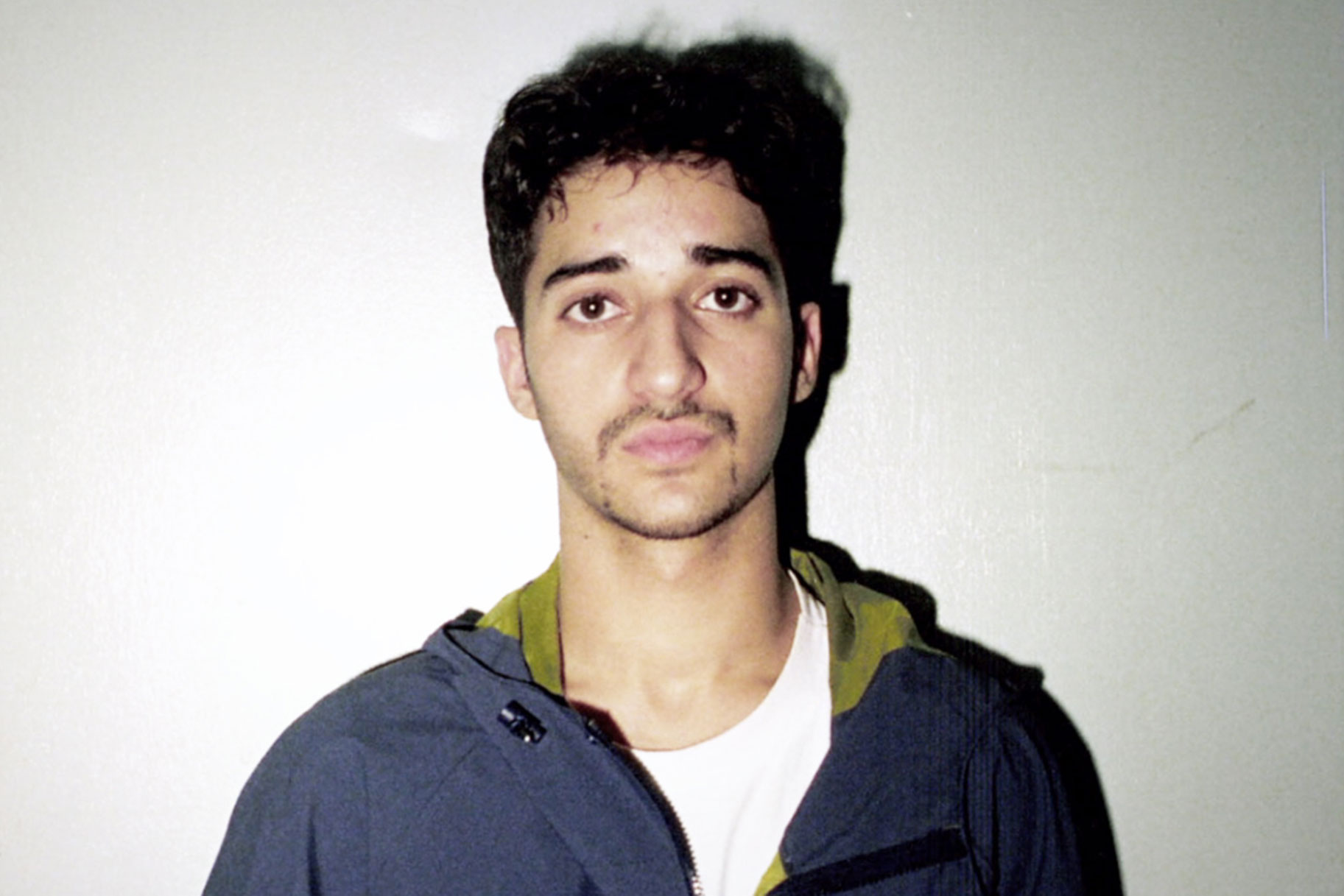
The record holds the dates and the locations.
It holds the car found abandoned.
It holds the cause of death.
It does not hold the gap.
The gap is where the case lives.
She was seen leaving school.
She was found in the ground.
Everything in between is a question the record leaves open.
THE WITNESS AND THE PHONE
The tip came from an anonymous caller.
It pointed police toward Adnan Syed.
The investigation then leaned on one witness.
Jay Wilds testified that Syed showed him Hae Min Lee's body.
Wilds said Syed asked for help burying it.
Wilds led police to the car, found abandoned in a neighborhood near his own home.
The state had no physical evidence linking Syed to the crime scene.
What it had was a phone.
Cell phone records from Syed's phone were used to place him near Leakin Park at the time of the burial.
The records showed calls.
They showed towers.
They showed what the prosecution argued was a timeline.
Jay Wilds testified to that timeline.
The phone records backed him up, the state said.
But the reliability of those records was later questioned.
Incoming calls, experts later noted, were not always accurately located.
A call could ping a tower without the phone being near it.
The exact location of Syed's phone at the time of the burial is not established.
That is what the record does not prove.
The state's case was circumstantial.
Circumstantial and built on a single story.
Wilds' story.
A story that changed.
A story the phone log was meant to confirm.
But the log was not solid.
It was a tower, not a place.
It was a record, not a witness.
The case rested on Jay Wilds.
And on a phone that could not say where it was.
THE TRIAL AND THE TWO STORIES
The trial opened in 2000.
It lasted several weeks.
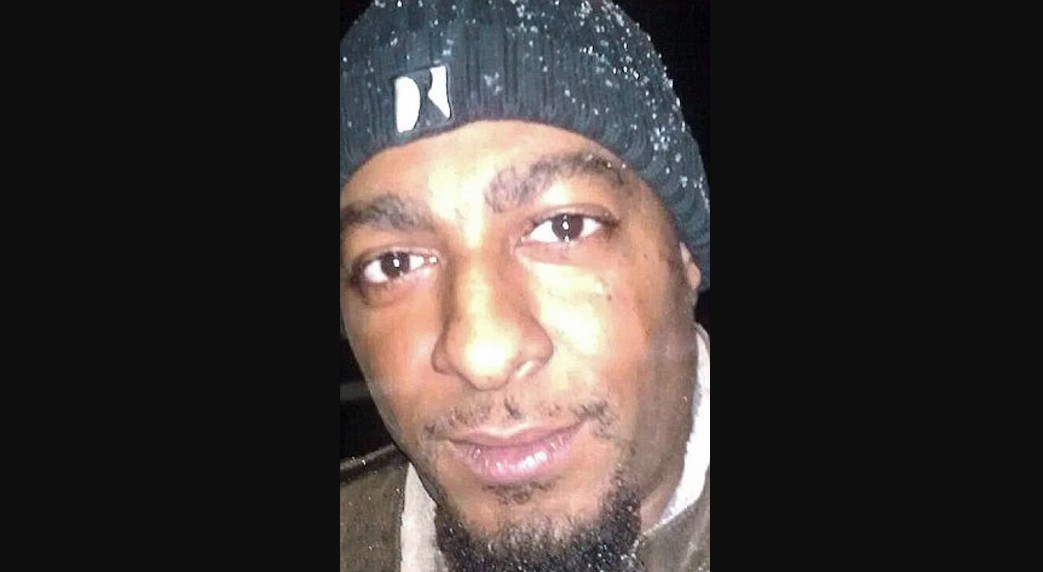
Two stories stood opposite each other.
The prosecution argued that Syed killed Hae Min Lee in a jealous rage after their breakup.
The defense argued that Syed was innocent.
The defense argued that Jay Wilds was the actual killer.
Wilds had already testified that Syed showed him the body.
Wilds had already led police to the car.
The jury heard the phone records.
The jury heard the friends who placed Syed near Lee that afternoon.
Which story was true?
That is not established by the record.
The record shows only that one story won.
Syed was convicted of first-degree murder.
He was sentenced to life in prison plus 30 years.
The conviction was upheld on direct appeal.
It was final.
It was also contested.
The verdict did not resolve the clash.
It chose one narrative and buried the other.
AND THE STORY STILL ISN'T OVER
The verdict did not resolve the clash.
It chose one narrative and buried the other.
Then the story flipped.
In 2016, a post-conviction court granted Syed a new trial, ruling that his original defense attorney had provided ineffective assistance by failing to investigate Asia McClain's alibi testimony.
The state appealed.
In 2019, the Maryland Court of Special Appeals reinstated the conviction.
It found that the alibi testimony would not have changed the outcome.
In 2022, the Baltimore City State's Attorney's Office filed a motion to vacate Syed's conviction.
It cited newly discovered evidence and unreliable cell phone data.
A judge granted the motion.
Syed was released from prison on September 19, 2022, after serving 23 years.
The state later dropped all charges, citing insufficient evidence.
Then the story flipped again.
In 2023, the Maryland Appellate Court reinstated the conviction, ruling that the victim's family had not been given proper notice of the hearing to vacate.
The case was remanded to the trial court.
In February 2024, a Baltimore judge ruled that the conviction would stand.
Syed would not return to prison.
He was placed on supervised probation for five years.
Conviction, vacated, reinstated, vacated, reinstated.
The Lee family has continued to express their belief in Syed's guilt and their frustration with the legal proceedings.
The record does not establish a final resolution.
That would require evidence.
The family is still waiting.
Advertisement
You may also like
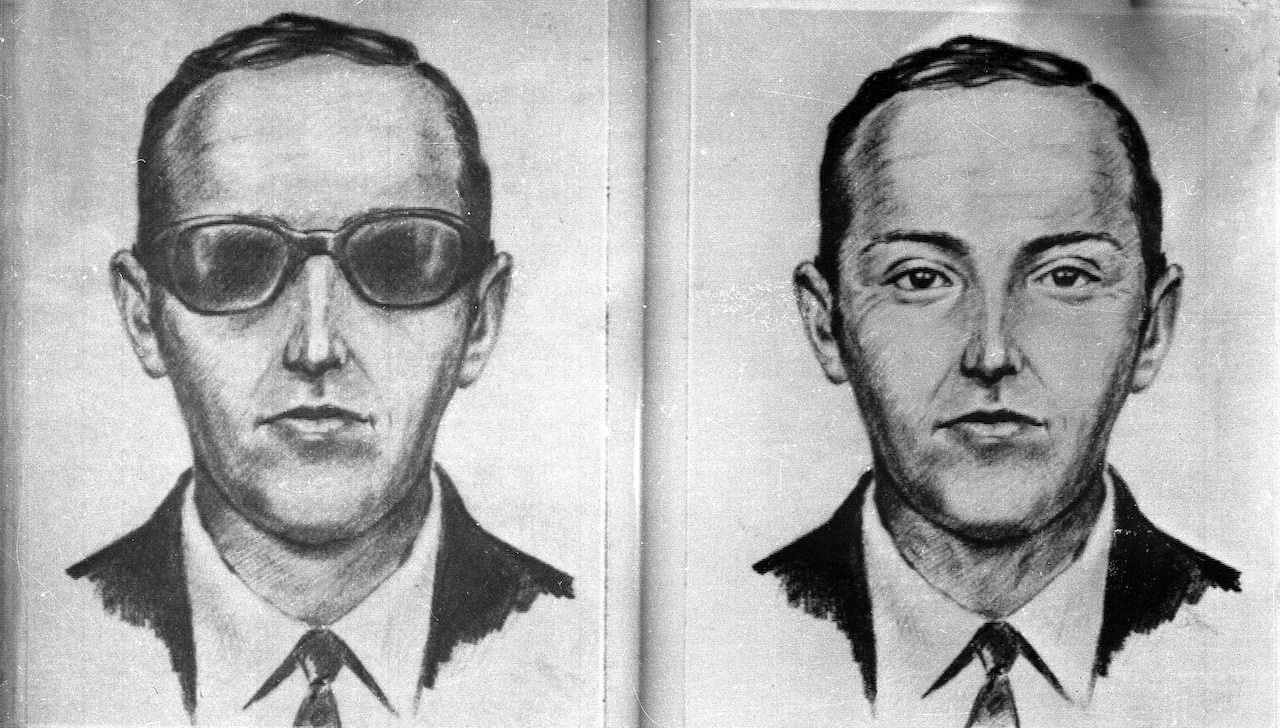
The note that bought a one-way ticket to nowhere: D.B. Cooper’s 1971 demand
The note was folded, passed hand to hand at 8,000 feet. November 24, 1971. A man calling himself Dan Cooper bought a one-way ticket…
The bloody glove found at O.J. Simpson's estate that didn't fit in court — and the 9-month trial it defined
The dog came first. A passerby on Bundy Drive saw it, alone, and followed. The dog led him to the bodies, discovered around midnight…
The glove that wouldn't fit and the 9-month trial that split America
The glove sat on the courtroom table, dark with dried blood, and Simpson took it in his hands. He struggled with it. He pulled,…
The blood word 'PIG' on Sharon Tate's door, and the Helter Skelter clue detectives couldn't crack
The front door at 10050 Cielo Drive held a word written in blood: "PIG." On the night of August 9, 1969, five people were…
The confession that changed: DeFeo's shifting story on the night his family was shot
The bar on Ocean Avenue opened early on a Wednesday morning, or perhaps it had never closed. A young man walked in and told…
The last sounds a mother never heard — and the river kept them
The sound came first. On May 22, 1981, police staking out the Chattahoochee River heard a splash. They stopped a car driven by Wayne…