The 18-year-old athlete whose family says the legal system forgot
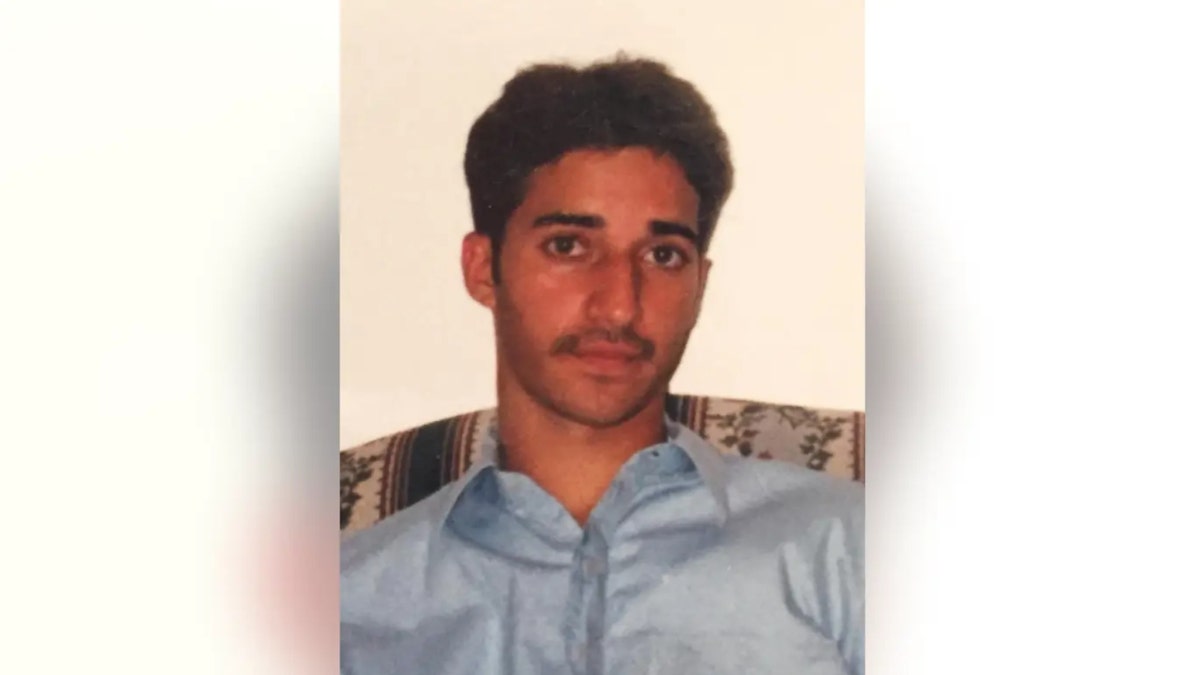
January 13, 1999, was a school day.
Hae Min Lee, an 18-year-old senior at Woodlawn High School, did not come home that evening.
Her family reported her missing.
She was a popular student, an athlete, a young woman who had recently begun dating someone new after ending a previous relationship.
For nearly four weeks, there were questions.
Where did she go?
Who saw her last?
What happened after the final bell?
Then, on February 9, 1999, her body was found in Leakin Park, in Baltimore.
She was buried in a shallow grave.
The medical examiner determined the cause of death: manual strangulation.
The exact time of death was not established.
Not by the medical examiner.
Not by anyone in the record.
Her ex-boyfriend, Adnan Syed, was arrested on February 28, 1999, and charged with her murder.
He was charged.
He was not yet convicted.
That would come later, in a trial that consumed a courtroom, a family, and decades.
THE VICTIM AND HER FAMILY
She was 18, a senior at Woodlawn High School, and known as popular and athletic.
Hae Min Lee had recently begun dating another young man after ending her relationship with Adnan Syed.

Her family was central to the case: her mother, her father, and her younger siblings.
Her mother and her brother spoke publicly about their loss.
Her brother, Young Lee, did not stay silent as the legal process moved forward.
He argued that the family was not given adequate notice of hearings.
He said the case had been mishandled.
The family has continued to advocate for her memory.
They have spoken about the ongoing pain of her loss.
The specific details of their private moments are not in the record.
What remains is their public testimony: a family waiting to be heard.
Not because the law forgot them.
But because the process, they say, sidelined them.
They were central figures in the case.
They remain, in their own telling, peripheral to its resolution.
The grief is documented in their words.
The frustration is documented in their words.
The record holds their loss, and their objection to how that loss was handled.
It does not hold the quiet hours of their mourning.
That would require evidence no file contains.
THE TRIAL AND THE WITNESS
The trial began in 2000.
The jury found Adnan Syed guilty of first-degree murder, kidnapping, robbery, and false imprisonment.
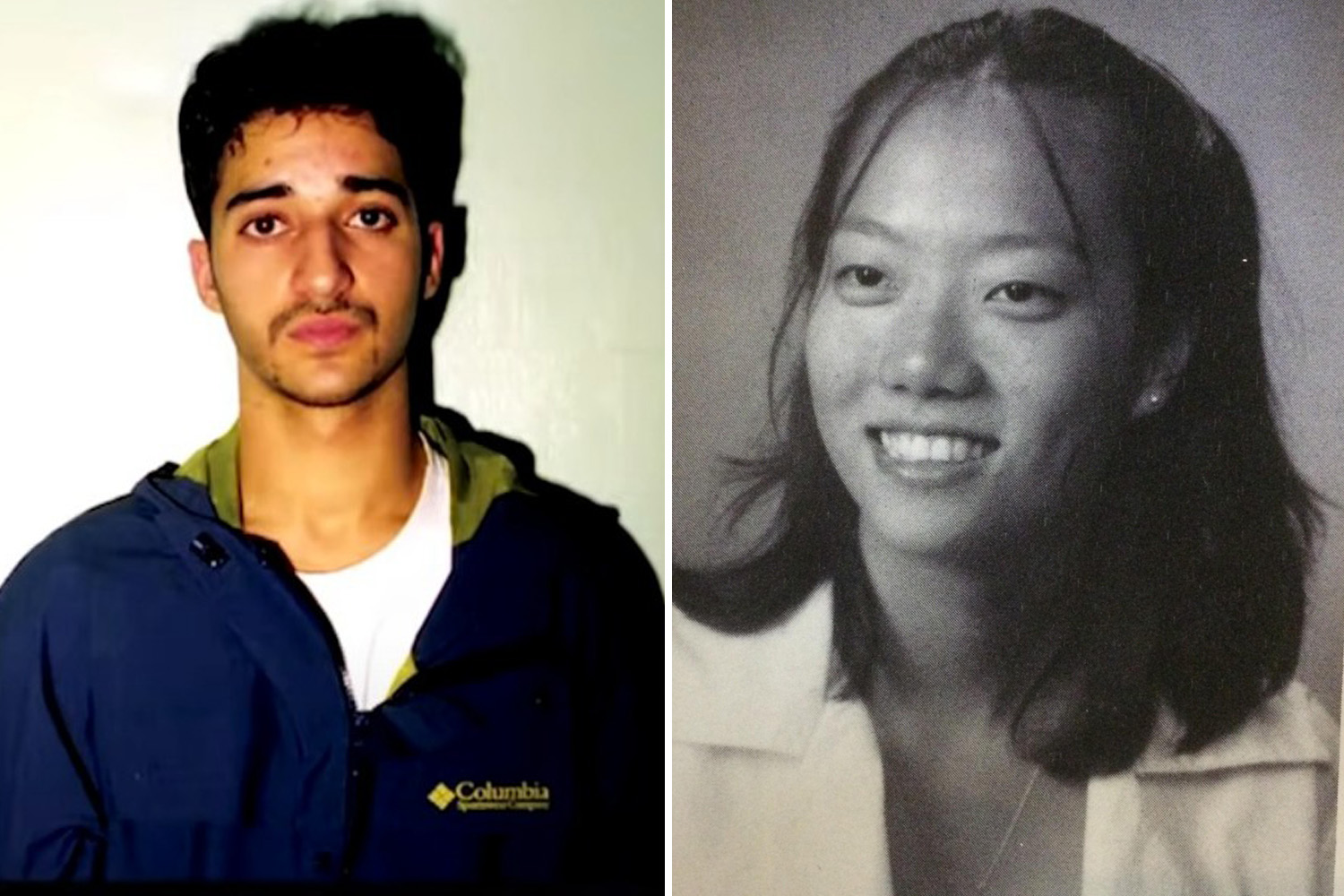
He was sentenced to life in prison plus 30 years.
The prosecution's case rested on two pillars: cell phone records and the testimony of Jay Wilds.
Wilds, a friend of Syed's, said he helped Syed bury Lee's body.
His testimony contained inconsistencies.
It was the central narrative, and it shifted.
The defense argued that Wilds was the actual killer.
The defense argued that the cell phone evidence was unreliable.
The exact time of death was not established.
The medical examiner testified that Lee died of strangulation, but not when.
The records placed Syed near Leakin Park, prosecutors said.
The records were disputed.
Not because the technology was simple.
Because the reliability was the question, and the question was never cleanly answered.
Wilds told a story of helping bury a body.
He told it more than once, and the details moved.
The jury heard the version the prosecution offered.
The jury convicted.
The conviction was upheld on direct appeal.
That would come later, the podcast, the reversal, the dropped charges.
In 2000, the record held a guilty verdict.
The record held a sentence of life plus 30 years.

The record held a family waiting for a different answer.
It still holds that.
THE PODCAST AND THE REVERSAL
In 2014, a podcast called *Serial* took the case out of the archive.
Sarah Koenig, its host, spent a season re-examining the evidence.
She raised questions about the cell phone records.
She raised questions about the testimony of Jay Wilds.
She raised questions about whether Adnan Syed had received a fair trial.
The podcast was not a legal document.
It was a story, told well, and millions listened.
But the record was moving on its own clock.
Years later, post-conviction proceedings surfaced what the trial had not shown.
Notes from a prosecutor indicated that a witness had provided an alibi for Syed at a critical time.
That evidence had not been disclosed to the defense.
In 2016, a judge granted Syed a new trial.
The ruling said his original defense attorney had provided ineffective assistance.
A higher court later overturned that ruling.
The case went back to the beginning.
In 2022, a Baltimore judge vacated Syed's conviction.
Prosecutors acknowledged flaws.
They acknowledged unreliable cell phone evidence.
They acknowledged the failure to disclose the alibi witness.
Syed was released from prison in September 2022.
The podcast had asked the questions.
The courts, slowly, answered some of them.
Not because the podcast was proof.
But because the record, once opened, did not hold.
What the podcast claimed was never established as fact.
What the record shows are the rulings that followed.
Hae Min Lee's family watched from the side of the courtroom.
AND THE STORY STILL ISN'T OVER
In 2023, the Baltimore State's Attorney's Office moved to dismiss the charges entirely, citing DNA testing that excluded Syed.
The charges were dropped in October 2023.
Syed has maintained his innocence throughout.
Young Lee, Hae Min Lee's brother, has expressed frustration with the legal process.
He argued that the family was not given adequate notice of hearings.
He argued that the case has been mishandled.
The family has continued to advocate for her memory.
They have spoken about the ongoing pain of her loss.
The legal case closes.
The family's next legal steps are not specified in the record.
What the record does not establish is where they go from here.
What the record shows is a family still waiting to be heard.
Hae Min Lee was an 18-year-old senior.
She was a popular student and an athlete.
She was on the ground below, in a shallow grave in Leakin Park.
Her mother and brother spoke publicly about their loss.
They spoke then.
They speak now.
The charges are gone, but the loss is not.
The DNA testing excluded Syed.
That is what the State's Attorney's Office said.
That is what the record shows.
What the family says is that they were not part of the process.
Not because the law requires it.
But because the law forgot them.
Is that a legal claim?
Is that a procedural error?
Is that a wound that a ruling can close?
That would require evidence.
The record does not provide it.
What the record provides is a family's testimony, given in courtrooms and in public, about a daughter and sister who is gone.
The story still isn't over for them.
Advertisement
You may also like
The taunting smiley-face letters that led to a serial killer's downfall
The letters arrived unsigned, except for one thing. A circle. Two dots. A curved line. A smiley face, drawn in pen at the bottom…
The empty frames left on display after thieves took Vermeer and Rembrandt
The empty frames still hang in the Isabella Stewart Gardner Museum in Boston. Where Vermeer's *The Concert* once hung, there is an empty rectangle…
The missing ladder rail that led detectives to a Bronx lumberyard — and then to Hauptmann's attic
The ladder was left behind on the night of March 1, 1932, a homemade thing of wood and nails, abandoned at the scene. It…
The phone call that could have caught the Zodiac — and the officer who let him walk
It was a phone call that could have ended it. After the July 4, 1969 attack at Blue Rock Springs Park, the killer called…

Why a handleless hatchet in the cellar never settled the Lizzie Borden case
The handleless hatchet sits in the cellar of 92 Second Street, Fall River, in every retelling of the case. It was found there after…
The boat confession that still echoes from Boston to death row
The boat sat in a Watertown backyard, covered and still, while the manhunt for Dzhokhar Tsarnaev moved through the streets around it. After the…