A 1969 blood-scrawled word linked to Manson — but what did it really mean?
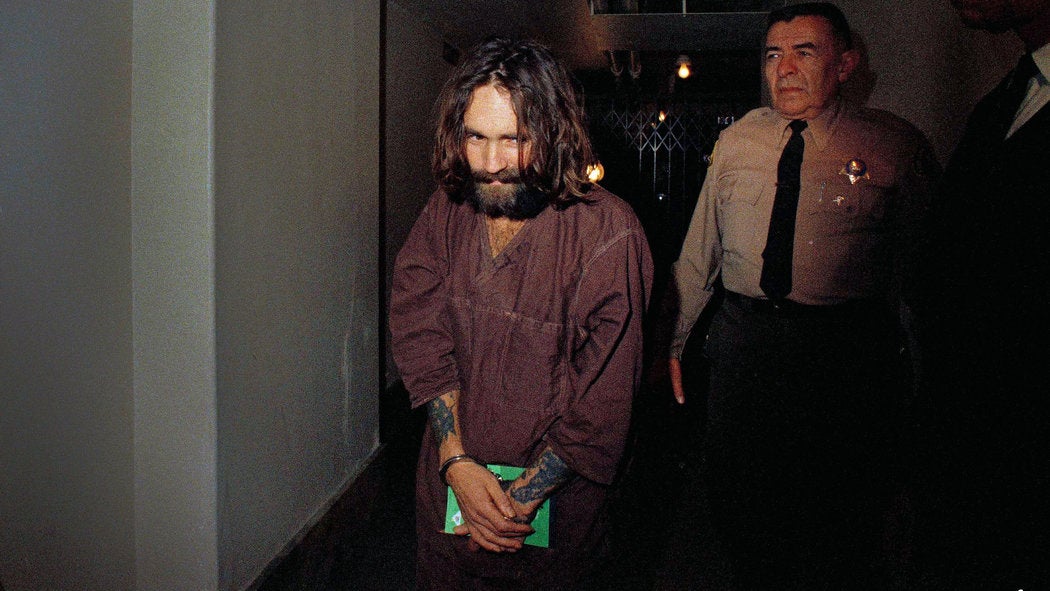
Inside the LaBianca home, the refrigerator door carried a word written in blood: "HEALTER SKELTER."
It was a misspelling of "Helter Skelter."
The words "DEATH TO PIGS" and "RISE" were also there, smeared on the walls and surfaces of the Los Feliz house on the night of August 9-10, 1969.
The record documents the word.
It does not document what it meant.
Not because the meaning is unknowable. But because no witness, no confession, and no trial testimony established it as fact. The source does not specify who wrote the word, nor whether Charles Manson dictated it.
A theory circulating online claims the misspelling proves Manson's racial-apocalypse motive, the belief that the murders would ignite a war between Black Americans and whites.
That is a claim.
That is not what the record establishes.
Prosecutors would later present their own theory, linking the word to Manson's doctrine. But a theory, however persuasive, is not the same as proof. The identity of the hand that wrote it remains absent from the record.
So the word sits there, in the crime-scene photographs and the trial transcripts, misspelled and unexplained.
Was it haste?
Was it ignorance?
Was it a message meant to be read by someone who would understand the error?
The record does not answer.
It only gives the word, written in blood, on a door that has since been removed from the house.
The question remains open.
TWO NIGHTS OF MURDER
On the night of August 8-9, 1969, four people were murdered at 10050 Cielo Drive in Benedict Canyon.
The victims were actress Sharon Tate, eight and a half months pregnant; Jay Sebring, a celebrity hairstylist; a Polish film director; and Abigail Folger, an heiress to the Folger coffee fortune.
All four were stabbed or shot multiple times.
The word "PIG" was written in blood on the front door.
The following night, August 9-10, 1969, supermarket executive Leno LaBianca and his wife Rosemary were murdered in their Los Feliz home.
"DEATH TO PIGS," "RISE," and "HEALTER SKELTER" were written in blood at that scene.
The killers were members of a group led by Charles Manson, a failed musician who had gathered followers at the Spahn Ranch.
Manson had developed a racial-apocalypse theory he called "Helter Skelter," which he believed would be triggered by the murders being blamed on Black Americans.
The investigation was initially hampered by the apparent lack of motive.
Detectives treated the cases separately.
The connection between the two nights was not immediately recognized.
The breakthrough came when Susan Atkins, incarcerated on unrelated charges, told cellmate Virginia Graham about the murders.
Graham reported the confession to authorities.
Atkins later gave a detailed statement to prosecutors.
The exact sequence of events inside the homes is not fully detailed in the record.
Two nights.
Seven dead.
A word in blood that would follow them all.
THE TRIAL AND THE VERDICT
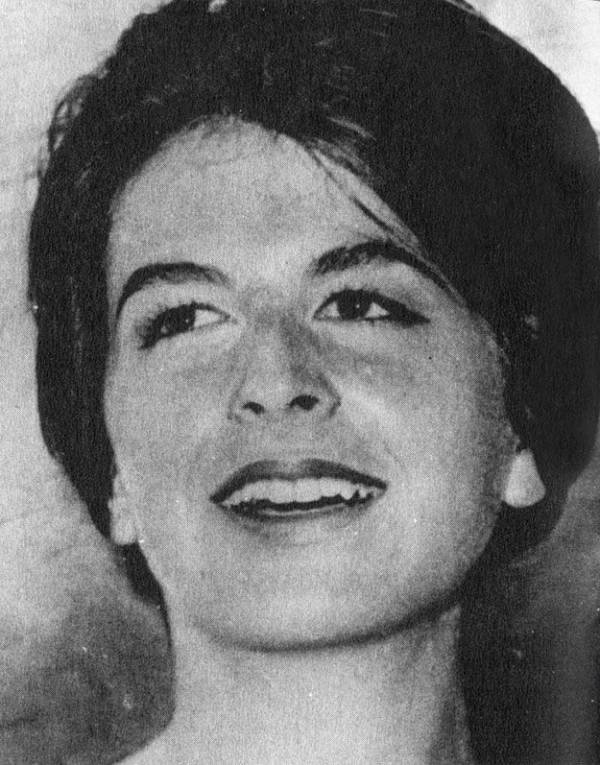
The trial began in June 1970 before Judge Charles Older.
The defendants — Manson, Atkins, Krenwinkel, and Van Houten — carved an X into their foreheads during the proceedings.
They tried to present a "conspiracy" defense that the murders were a copycat of earlier killings.
On January 25, 1971, the jury found all four guilty of first-degree murder and conspiracy.
They were sentenced to death.
Charles "Tex" Watson was tried separately and convicted in 1971.
He was also sentenced to death.
The prosecution's case rested heavily on Linda Kasabian.
She had been present during both murder nights but did not participate in the killings.
She was granted immunity in exchange for her testimony.
Physical evidence included fingerprints at the LaBianca scene matching Krenwinkel and Watson.
The murder weapons included a .22-caliber Buntline revolver and knives.
The specific role of each defendant in the killings is not detailed in the source.
What the jury decided was guilt — not the part each played in the blood itself.
In 1972, the California Supreme Court abolished the death penalty.
Their sentences were commuted to life in prison.
Watson's sentence was commuted too.
The verdicts were delivered.
The motive remained a theory.
The word in blood remained a misspelling.
Justice was done, the state said.
What it meant — that would require evidence.
WHAT THE RECORD DOES AND DOESN'T PROVE
The word 'HEALTER SKELTER' is a documented misspelling at the LaBianca scene.
Its meaning is not established by the record.
Prosecutor Vincent Bugliosi presented the theory that the word linked the murders to Manson's racial-apocalypse vision.
He called that vision "Helter Skelter."
The source does not confirm that Manson wrote the word or dictated it.
It does not specify who wrote it.
It does not say whether anyone in the group was ordered to write it.
What the record establishes is the physical presence of the word in blood.
What it establishes is the misspelling itself.
What it does not establish is intent.
A theory circulating online claims the word proves Manson's motive.
That is a claim, not a fact established by the record.
Was the misspelling a mistake by a panicked killer?
Was it a deliberate echo of Manson's doctrine?

Was it something else entirely?
The record does not answer.
That would require evidence.
The prosecution built its case on testimony, fingerprints, and weapons.
It built its case on Linda Kasabian's account and Susan Atkins's confession.
It did not build its case on a decoded word.
Bugliosi's interpretation became famous in his 1974 book.
Fame is not proof.
The word remains what it was on August 10, 1969: a scrawl in blood.
Its author is unknown.
Its meaning is unproven.
AND THE STORY STILL ISN'T OVER
He died in prison on November 19, 2017, at age 83.
Charles Manson never received parole.
Susan Atkins died in prison in 2009.
Patricia Krenwinkel and Leslie Van Houten remained incarcerated for decades.
Van Houten was granted parole in 2023, after 53 years in prison.
Charles "Tex" Watson has been denied parole multiple times.
The current status of any pending appeals or parole hearings is not in the record.
That is not established.
What is established is the weight of the case itself.
It remains one of the most extensively documented crimes in American history.
Vincent Bugliosi's 1974 book "Helter Skelter" became a bestseller.
It fixed the word in the public mind, even as its meaning stayed unproven.
The murders ended the 1960s counterculture era in popular imagination.
They permanently changed public perception of the Hollywood celebrity culture of the period.
A door closed on that time, and it has never reopened.
The names remain: Tate, Sebring, Folger, LaBianca, LaBianca.
The scrawl remains: HEALTER SKELTER, a misspelling in blood.
The author of that word is unknown.
Its meaning is unproven.
The questions from August 1969 do not go away.
They sit in the record, unanswered.
They sit in the culture, unresolved.
That would require evidence the case never supplied.
So the story still isn't over.
It ends the way it began, with a word that may have meant something, and no proof of what.
Advertisement
You may also like
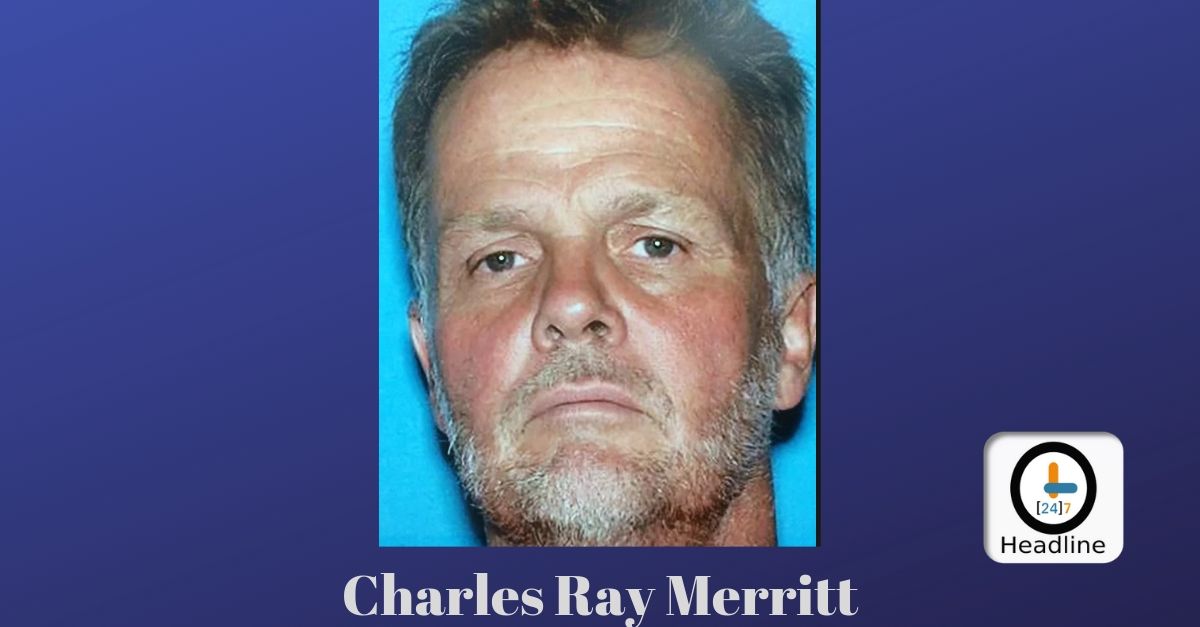
A Sledgehammer Borrowed and Never Returned: The McStay Case Timeline
He told the jury about the sledgehammer. A witness testified at trial that Charles "Chase" Merritt borrowed a sledgehammer from him. The witness said…
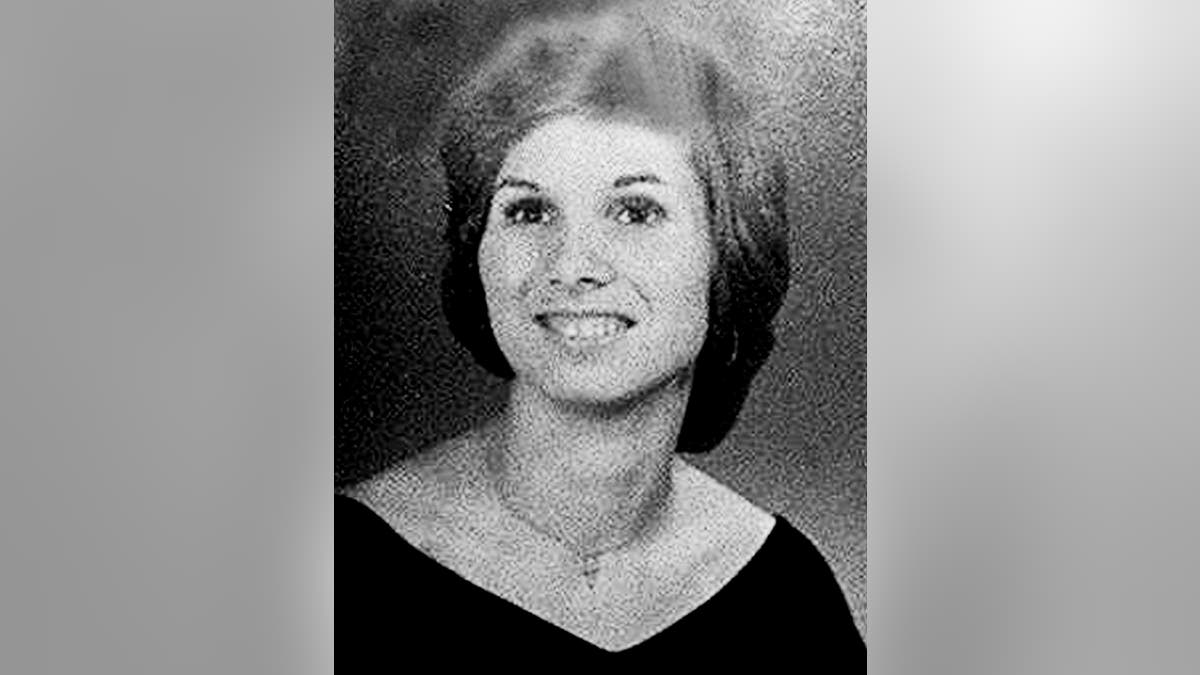
The parking ticket that cracked the Son of Sam case — and the mother who still waits
The ticket sat on a car near the scene of the final shooting. The final shooting, on July 31, 1977, killed a young woman…
The mothers of Atlanta's missing children kept the 28 names alive — what did they say?
Summer 1979 to spring 1981: at least 28 African American children, adolescents, and young adults disappeared or were found murdered in Atlanta, Georgia. The…
The fishing trip that put Scott Peterson at the center of a missing-pregnant-wife mystery
He said he went fishing alone that morning, off the Berkeley Marina. December 24, 2002. The same day his wife, Laci Peterson, eight months…
The red-light drive-by that ended Notorious B.I.G., and the car that vanished
12:45 a.m., March 9, 1997. A dark sedan pulls alongside a black SUV at a red light on Wilshire Boulevard in Los Angeles. The…
A notebook found beside Brian Laundrie's remains — what it said about Gabby Petito
The notebook was found beside Brian Laundrie’s remains in the Carlton Reserve in Florida, on October 20, 2021. A backpack lay nearby. The FBI…