A notebook found beside Brian Laundrie's remains — what it said about Gabby Petito
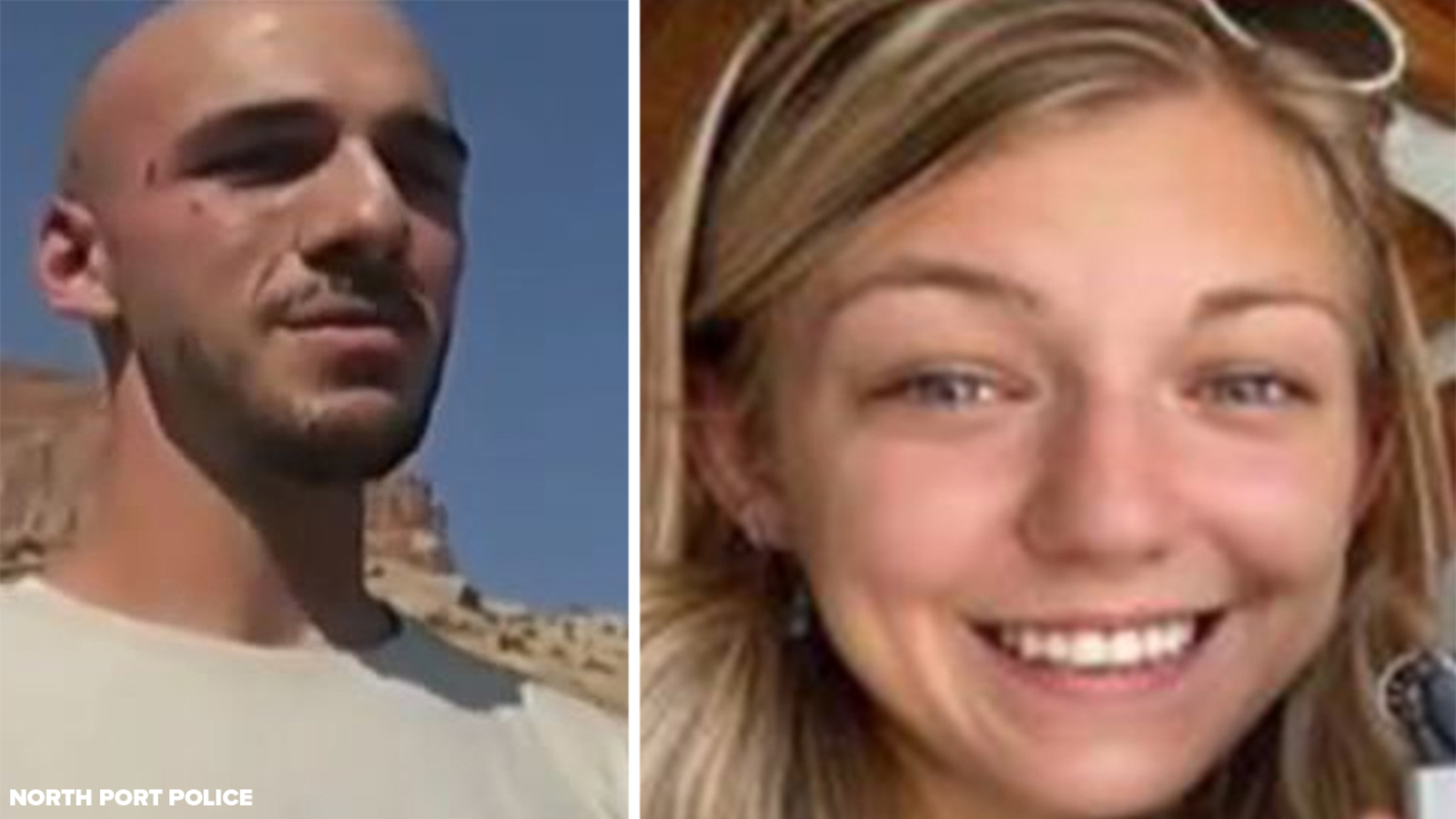
The notebook was found beside Brian Laundrie’s remains in the Carlton Reserve in Florida, on October 20, 2021.
A backpack lay nearby.
The FBI said the notebook contained writings in which Laundrie admitted to killing Gabby Petito.
That admission came later, in an FBI announcement on January 21, 2022.
Not because police found it in a raid.
Because it was found beside his remains, after a month-long manhunt.
The public did not see the notebook for months.
In February 2022, a Florida judge ordered the release of the FBI’s files on the case, following a lawsuit by news organizations.
What did the notebook actually say?
How many pages?
Who read it first?
The record does not fully describe the exact contents beyond the FBI’s summary.
That summary is a statement.
It is not a court record.
No court ever tested it.
Laundrie died before charges were filed.
The pages sat in the reserve, under weather and time, before anyone knew they existed.
She was on the ground below.
The notebook was not evidence in a trial.
It was evidence of an ending.
THE VAN TRIP AND THE LAST CALL
Gabby Petito was 22 years old, from North Port, Florida.
She was traveling cross-country with her fiancé, Brian Laundrie, in a white 2012 Ford Transit van.
The couple visited national parks in the western United States.
Her family last heard from her in late August 2021.
That is the last contact the record places with certainty.
The exact date and content of that last call are not specified in the record.
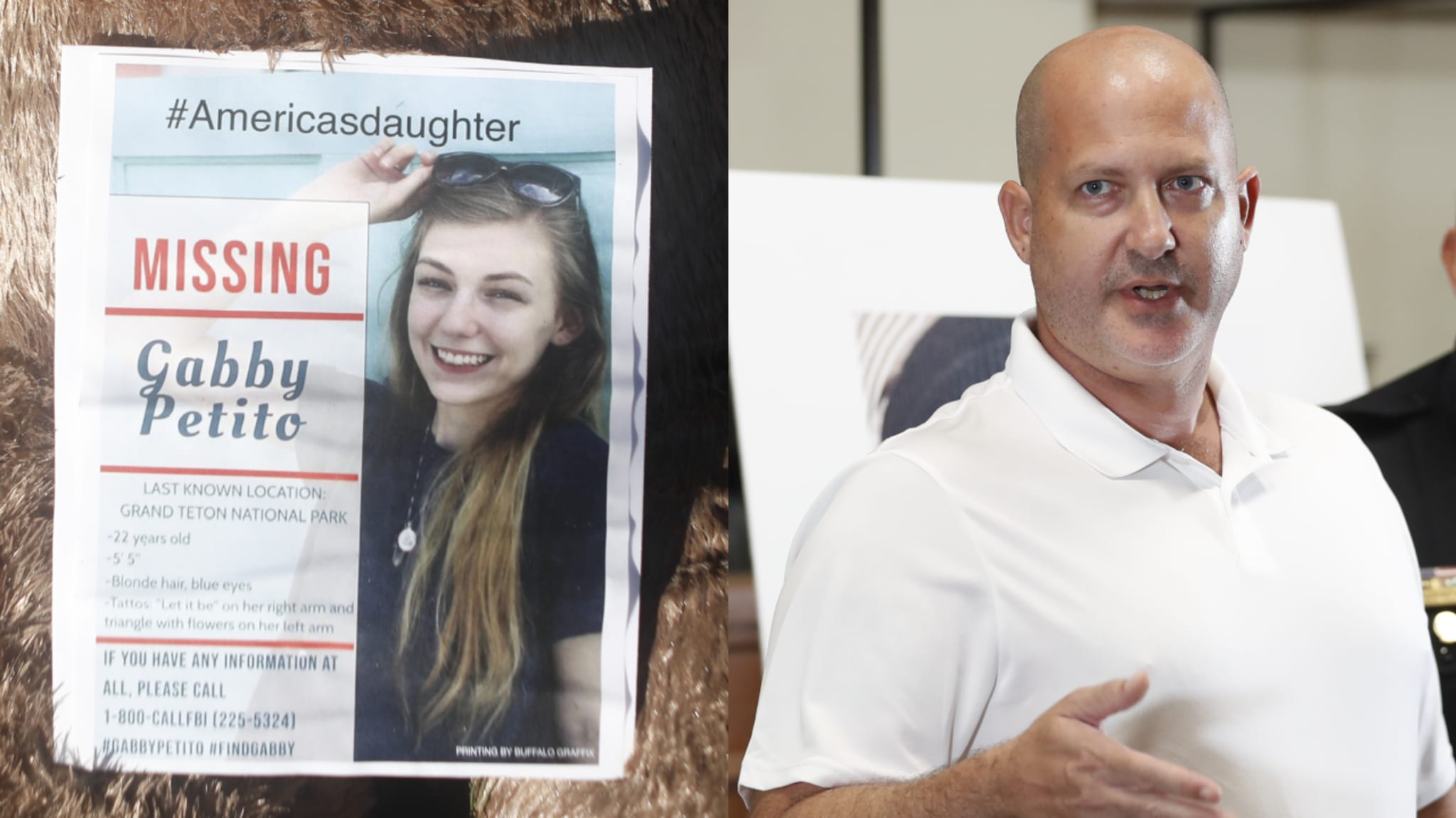
The silence after that call is the gap.
On September 1, 2021, Laundrie returned to Florida alone in the van.
A white van, one person inside.
Not two.
Her mother reported her missing on September 11, 2021, according to North Port Police.
Ten days between the last call and the missing person report.
The FBI took over the case.
Cell phone data and witness reports placed the couple in the Bridger-Teton National Forest in Wyoming.
That is where the FBI focused the search.
That is where the search would end.
The dread builds in the dates: late August, September 1, September 11.
A call that came, then stopped.
A van that came back, alone.
A report that came late.
The record does not say what the last call contained.
The record does not say when, precisely, it happened.
The record says only this: she was heard from, then she was not.
He came home.
She did not.
THE BODY IN WYOMING
On September 19, 2021, a body matching Petito's description was found in a remote area of the Bridger-Teton National Forest.
The Teton County Sheriff's Office made the finding.
The Teton County coroner ruled the death a homicide by manual strangulation.
The weapon was not recovered.
Manual strangulation was the cause of death, the coroner's report stated.
The record does not state where or when the strangulation occurred.
That detail is not established.

The FBI executed a search warrant on the Laundrie home in North Port the next day, September 20.
Agents seized a Ford Mustang and other items.
The search came after Laundrie's parents reported him missing on September 17.
A massive search of the Carlton Reserve in Florida had already begun.
North Port Police led that effort.
He was gone.
She was found.
The confirmation landed like a weight.
A cause of death, named.
A weapon, absent.
A method that requires hands, and the record does not say where those hands were.
The questions hang over the forest and the reserve alike.
THE CONFESSION AND THE CLOSED CASE
On October 20, 2021, his remains were found in the Carlton Reserve in Florida.
The medical examiner ruled the cause of death a self-inflicted gunshot wound.
The notebook lay beside him.
It was not found in a raid. It was not found in a search of the family home. It was found in the reserve, with his remains, and the FBI would later say what was inside.
On January 21, 2022, the FBI announced that the notebook contained writings in which Laundrie admitted to killing Petito.
The Laundrie family's attorney confirmed the notebook's contents after the release.
Laundrie was never charged with a crime.
He died before charges were filed.
The case was closed with Laundrie as the sole perpetrator.
No criminal charges were brought against any other individual, including his parents.
So the record holds a confession.
It holds a confession that no court ever tested.
No trial occurred.
No judge weighed the notebook's authenticity. No jury heard the handwriting disputed. No defence argued the pages were coerced or staged or misread.
That would require a defendant.
That would require a living one.
The FBI closed the case on a document that was never cross-examined, never authenticated in open court, never challenged by anyone with standing to challenge it.
The confession exists in the file.
The confession exists as the final word.
Not because it was proven. But because the man who wrote it was gone before the system could ask him a single question.
The notebook said he killed her.
The record does not say why, or how the weapon was never found, or what the hands were doing in the final minutes.
It says he admitted it.
It does not say what he left out.
AND THE STORY STILL ISN'T OVER
In February 2022, a Florida judge ordered the release of the FBI's files on the case, including the notebook confession, following a lawsuit by news organizations.
The full contents of that file, beyond the confession itself, have not been publicly detailed in the record.
The Petito family established the Gabby Petito Foundation to address missing persons cases and domestic violence.
The family has continued to advocate for changes in how law enforcement handles missing persons cases.
The case prompted national attention on domestic violence and missing persons reporting.
Attention was on the delay, the search, the questions law enforcement did not ask.
Was the van searched sooner? Was the report taken differently? Was a life saved?
Those questions have no answers in the record.
No further legal proceedings are pending.
The case is closed.
It is closed because the suspect died before charges were filed.
It is closed because the confession was never tested in any court.
It is closed, and the file sits in the public record, incomplete by design.
The record says he admitted it.
The record does not say what else the notebook held, or what the FBI chose not to release.
The story still isn't over.
It continues in a foundation, in a family's advocacy, in the way missing persons reports are filed now.
It continues in the quiet space between a confession and a trial that never happened.
Advertisement
You may also like
The morning Gianni Versace walked to a newsstand and never came back
The morning began as an errand. On July 15, 1997, at approximately 8:45 a.m., Gianni Versace walked from his Miami Beach mansion, Casa Casuarina,…
The ex-convict's tip about a safe that sent detectives to a Kansas farmhouse
He told prison authorities that Richard Hickock had spoken of robbing the Clutter farm. Floyd Wells was a former cellmate. He had worked for…
The ring that identified Emmett Till after his body was found in the Tallahatchie River
The cotton gin fan was still tied to his neck with barbed wire. The body came up from the Tallahatchie River on August 31,…
The tarot card left at a D.C. sniper crime scene that read 'Call me God'
The card was found at one of the crime scenes. It was a tarot card, and it read "Call me God." That much is…
The Sacramento mail bomb that ended the Unabomber's 17-year campaign
The package arrived in Sacramento in April of 1995. It was sent through the U.S. Postal Service, constructed from wood, metal, and other materials.…
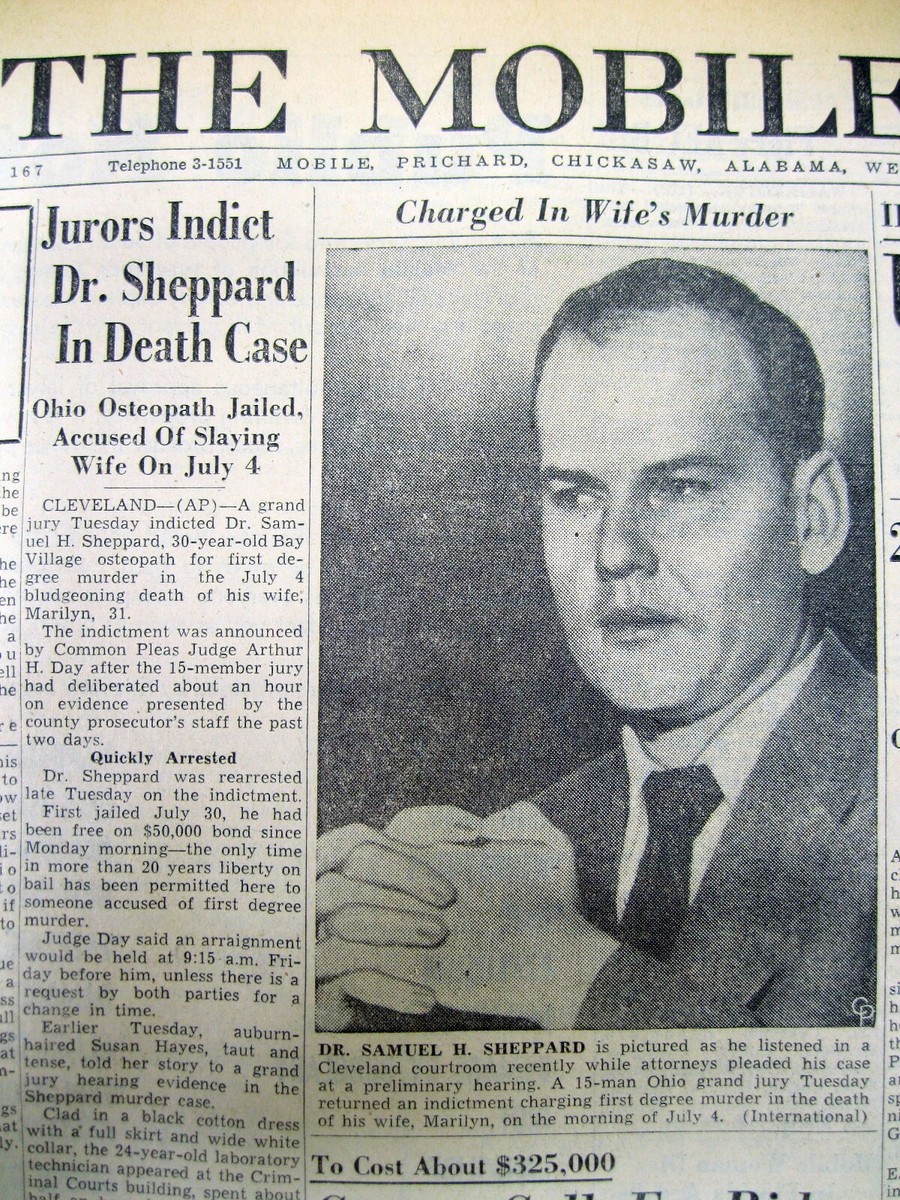
The screams a husband said he heard — and the bushy-haired intruder police never found
The screams, he said, were what woke him. On July 4, 1954, in Bay Village, Ohio, Marilyn Sheppard, 31, was found bludgeoned to death…