The 1995 Oklahoma bombing that left 168 dead — and one man's sentence still stands
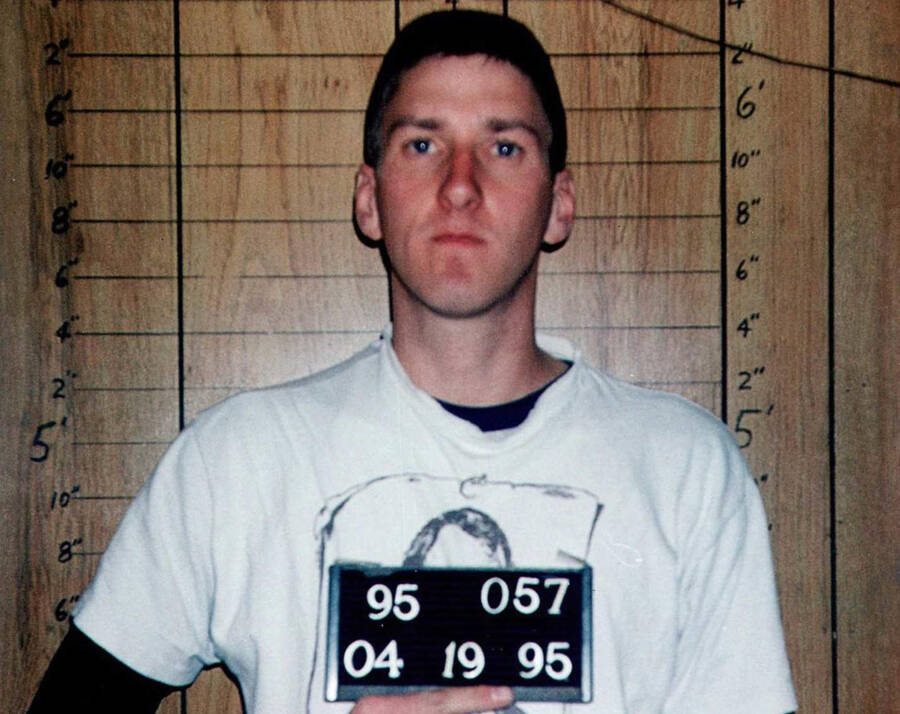
The Ryder truck was gone.
The axle was not.
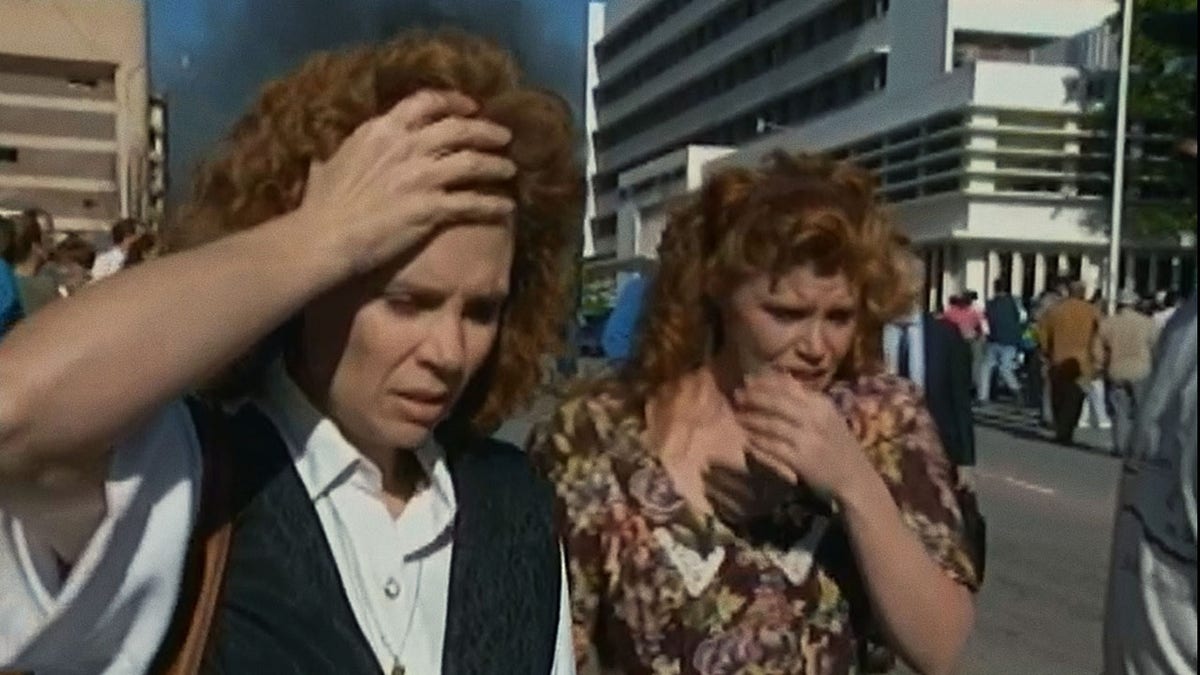
On April 19, 1995, a rented truck packed with ammonium nitrate and fuel oil exploded outside the Alfred P. Murrah Federal Building in Oklahoma City, Oklahoma.
The blast tore the front off the nine-story building.
It killed 168 people, including 19 children in the building's day care center.
More than 500 others were injured.
At the time, it was the deadliest act of domestic terrorism in American history.
Within 90 minutes of the blast, Oklahoma Highway Patrol trooper Charlie Hanger stopped a man for driving without a license plate.
The trooper arrested him on a firearms charge.
The man was Timothy McVeigh.
The exact circumstances of that traffic stop are not detailed in the source.
The FBI traced the truck's axle to a Ryder rental agency in Junction City, Kansas.
There, McVeigh had rented the truck under a false name.
A witness identified McVeigh from a sketch.
The axle was a piece of metal.
It was also the thread that tied a man to the deadliest domestic attack the country had seen.
Emergency responders discovered the attack immediately.
A nationwide manhunt began within hours.
The axle had already done its work.
THE MANHUNT AND THE RENTAL
The FBI initially suspected foreign terrorists.
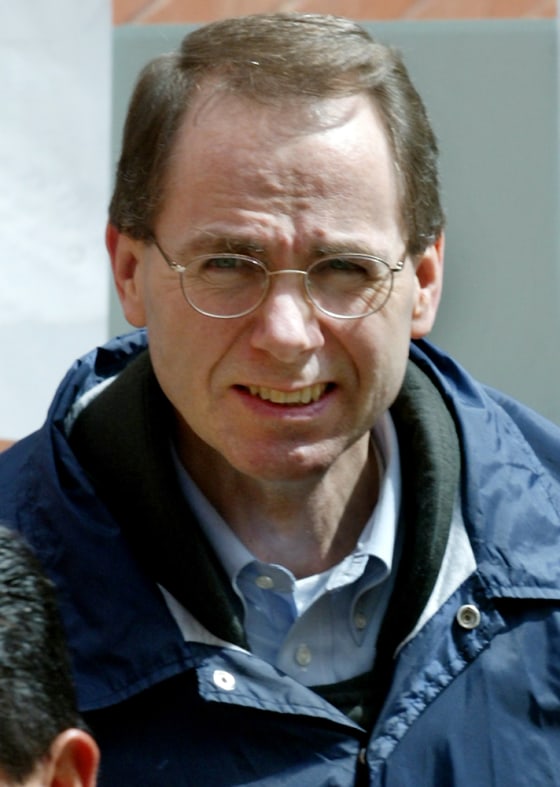
The evidence pointed domestic, and quickly.
The axle led the way. The FBI traced the truck's axle to a Ryder rental agency in Junction City, Kansas, where McVeigh had rented it under a false name.
The specific timeline of that initial foreign-terrorist suspicion is not detailed in the record. What is documented is the methodical turn inward.
The investigation recovered bomb residue from the scene.
It linked Terry Nichols through phone records and purchases of ammonium nitrate. The purchases were the kind a bomb would need. The records were the kind a conspiracy leaves behind.
Michael Fortier testified.
Fortier was an acquaintance who knew of the plot, and he testified against both men. He had visited the bomb site with McVeigh, according to his testimony, and he told the jury what he knew.
A witness identified McVeigh from a sketch.
Within 90 minutes of the blast, an Oklahoma Highway Patrol trooper had already stopped McVeigh for driving without a license plate and arrested him on a firearms charge. The manhunt was nationwide. The arrest was almost incidental.
Emergency responders discovered the attack immediately. A nationwide manhunt began within hours.
It is a shift worth sitting with: the largest domestic terror attack in American history, and the first instinct was foreign. The second instinct was the truth.
The axle did not lie. The residue did not lie. The phone records did not lie.
Fortier's testimony tied the knot.
He knew of the plot, prosecutors said, and he said nothing until he was charged. He pleaded guilty to failing to alert authorities. Then he testified.
The case moved from suspicion to evidence, from foreign to domestic, from a manhunt to a rental counter in Kansas.
That is where the documented record takes over.
THE TRIALS
The trial opened in Denver, Colorado, after a judge moved it from Oklahoma.
Timothy McVeigh sat before U.S. District Judge Richard Matsch.
The prosecution called witnesses who placed him at the rental counter, at the bomb site, on the road.
Michael Fortier took the stand.
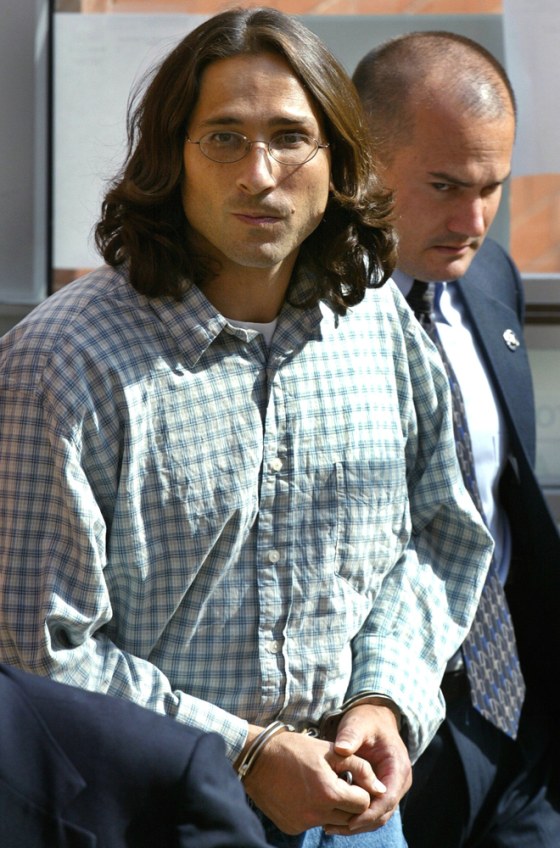
He knew of the plot, prosecutors said, and he said nothing until he was charged.
He pleaded guilty to failing to alert authorities.
Then he testified.
The jury heard Fortier describe visiting the bomb site with McVeigh.
They heard about phone records and purchases of ammonium nitrate.
They heard the defense argue that McVeigh was a scapegoat.
The jury rejected that argument.
On June 2, 1997, McVeigh was convicted of 11 counts of conspiracy and first-degree murder.
He was sentenced to death.
Terry Nichols was tried separately.
He was convicted of conspiracy and involuntary manslaughter.
He was sentenced to life without parole.
Michael Fortier was sentenced to 12 years.
Three men. Three fates.
McVeigh would die by lethal injection.
Nichols would grow old in a federal cell.
Fortier would serve his time and walk free.
The specific arguments the defense made beyond the scapegoat claim are not in the record.
What remains is the weight of the convictions.
What remains is the separation of their paths.
What remains is the sentence that still stands.
THE APPEALS AND THE DOCUMENTS
McVeigh’s appeals failed.
He was executed by lethal injection on June 11, 2001, at the federal penitentiary in Terre Haute, Indiana.
The execution came after a delay.
The delay had a documented cause: the FBI failed to turn over thousands of documents to the defense.
The specifics of that document failure are not detailed in the record.
Its exact impact on the appeals is also not established.
What is established is that the failure led to an internal review.
Nichols’s conviction was upheld on appeal.
A federal judge later ordered a new sentencing hearing for him.
He was resentenced to life without parole.
He remains in federal prison.
His appeals have been denied.
The sentence still stands.
Fortier served his time.
He was released from prison in 2006.
He had pleaded guilty to failure to alert authorities.
He had testified for the prosecution.
That testimony helped convict both men.
It did not spare him the sentence.
It did not shorten it.

The paths diverged after the verdicts.
One man was executed.
One man remains in prison.
One man walked out.
The record holds these outcomes.
What the record does not hold is a full account of the FBI’s mistake.
That would require documents.
Those documents were the ones withheld.
The appeals turned on what was missing.
The execution was delayed by what was missing.
The review was ordered because of what was missing.
What was missing remains, in the record, unspecified.
The convictions did not fall.
The sentences held.
The weight of the case carried through the appeals.
It carries still.
AND THE STORY STILL ISN'T OVER
Terry Nichols remains in federal prison, serving life without parole.
His appeals have been denied.
His conviction was upheld on appeal, and after a federal judge ordered a new sentencing hearing, he was resentenced to life without parole.
The record does not mention any pending legal motions or hearings for him.
The Oklahoma City National Memorial now stands on the site of the Murrah Building.
It holds 168 empty chairs, one for each person killed.
The chairs face the empty space where the building once stood.
Bud Welch lost his daughter Julie in the blast.
He became a vocal opponent of the death penalty.
He spoke publicly about forgiveness.
He did not seek vengeance for her death.
Many victims' families continue to advocate for memorial preservation.
They also push for domestic terrorism awareness.
The case remains a landmark in federal law enforcement.
It reshaped counterterrorism policy.
It is a precedent for how the country investigates and prosecutes domestic attacks.
The bombing was the deadliest act of domestic terrorism in American history at the time.
The weight of that day has not lifted.
It carries into the memorial's quiet chairs.
It carries into the advocacy of the families.
It carries into the policy that followed.
The story is not over because the families are still here.
The story is not over because the memorial still stands.
The story is not over because one man's sentence still holds.
Nichols will not leave prison.
The sentence stands.
Advertisement
You may also like
He confessed to strangling his wife — but now, from prison, he says he wants a relationship with her parents
In 2019, from a prison phone line, Christopher Watts described the murders to a reporter. He spoke about strangling his wife. He spoke about…
A man mailed Elizabeth Short's birth certificate to a newspaper — the sender was never identified
A package arrived at a Los Angeles newspaper office in the weeks after the body was found. Inside were Elizabeth Short's belongings: her birth…
The 1996 Tupac shooting: one hotel tape police never fully reviewed
The MGM Grand altercation was captured on hotel surveillance video. About thirty minutes before the shooting, the tape was rolling. Las Vegas Metropolitan Police…
A tarot card left at a D.C. sniper crime scene read 'Call me God' — what it led to
The card was a tarot card. On its back, in handwriting, was the message: "Call me God." It was left at one of the…
The DNA match that ended 20 years of silence in a Seattle serial killer case
A truck painter from Auburn, Washington, gave a saliva sample in 1987. He was not arrested that day. He was not charged that day.…
The bloody gloves that never matched — and the verdict that split a nation
It began with a glove on Bundy Drive. On June 12, 1994, Nicole Brown Simpson and Ronald Goldman were found stabbed to death outside…