The 31-day gap between Caylee Anthony's last sighting and the 911 call that started it all
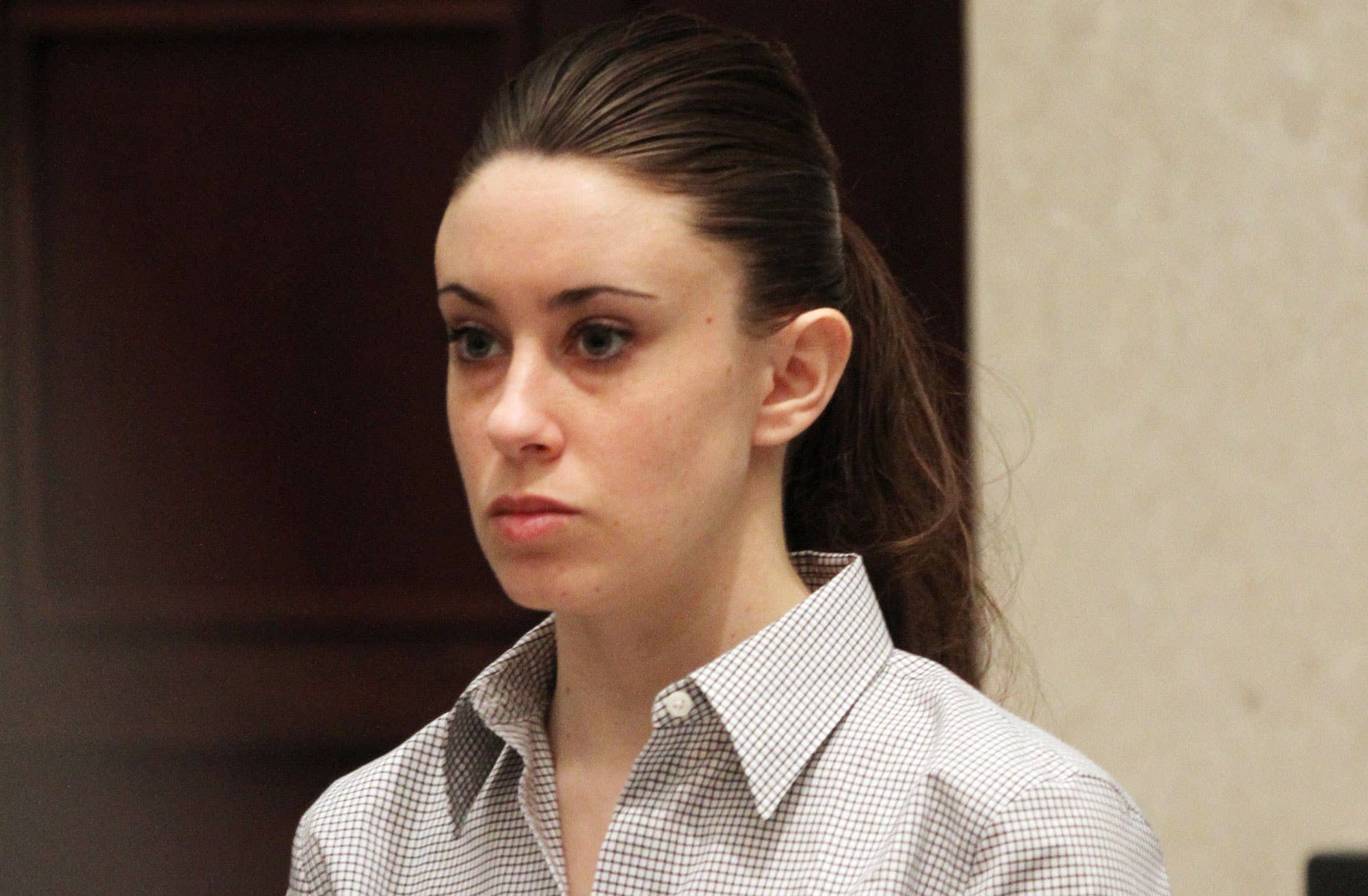
June 16, 2008, is the last day Casey Anthony said she saw her daughter.
She told investigators that date. She said the child was with a babysitter.
Then nothing.
No missing-person report. No search. No call.
Twenty-nine days passed in silence.
On July 15, 2008, Cindy Anthony called 911 to report her 2-year-old granddaughter, Caylee Marie Anthony, missing.
The call came 31 days after the last sighting Casey Anthony described.
Thirty-one days is the number that defines the case.
Thirty-one days is also the number that cannot be filled by the record.
What happened to Caylee during that gap is not established by the evidence.
Online theories have filled the space with stories. Those theories are not facts.
The record shows a mother who gave shifting accounts and did not cooperate with the search. It shows a grandmother who made the call.
It does not show what happened between June 16 and July 15.
That would require evidence.
The gap sits there, exact and empty. A month and a day. A number that begs for an answer the record does not provide.
THE 911 CALL AND THE FIRST ACCOUNT
Cindy Anthony made the 911 call on July 15, 2008.

She made it after confronting Casey about Caylee's whereabouts.
The investigation record places the call that day, after weeks of silence.
Casey told investigators her daughter was with a babysitter.
She gave the name Zenaida Fernandez-Gonzalez.
Investigators determined that name did not exist.
That was the first account, and it did not hold.
George Anthony reported seeing Caylee alive on June 16, 2008.
He said he saw her that day, at the house.
Later statements and evidence contradicted that claim.
The exact date and circumstances of Caylee's last sighting are not fully established.
George's claim is one version; the record does not settle it.
Over the following weeks, Casey gave shifting accounts.
She did not cooperate with the search.
Each version replaced the last, and none matched what investigators could verify.
The story moved, and the gap stayed.
Why did no one call sooner?
Why did the first account name a person who did not exist?
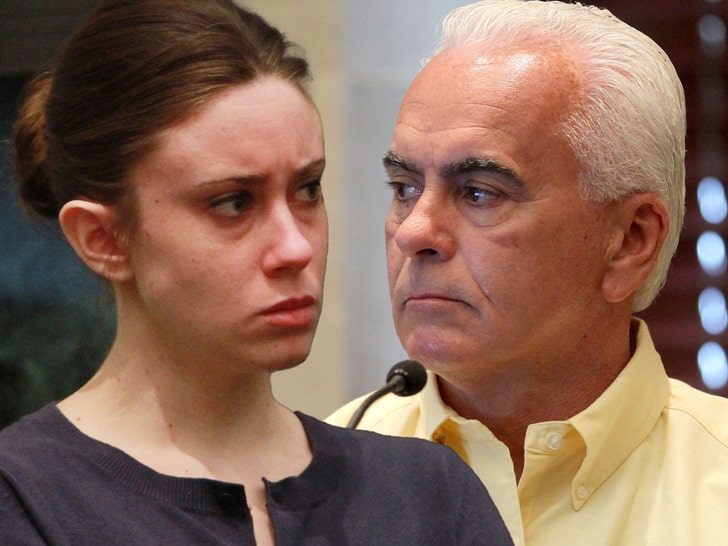
Why did the versions keep changing?
That would require evidence.
The record shows the call, the name, and the contradictions.
It does not show what filled the month before.
THE CAR AND THE REMAINS
The car sat in a tow yard for days before anyone opened the trunk.
Forensic analysis of Casey Anthony's abandoned vehicle revealed the presence of chloroform and a decomposition odor.
A stain in the trunk was analyzed for DNA.
The results were inconclusive.
That would require answers.
On December 11, 2008, a meter reader discovered human skeletal remains in a wooded area near the Anthony home.
The remains were identified as Caylee Anthony.
Duct tape was found near the skull.
The Orange County Sheriff's Office was publicly criticized for not searching that wooded area earlier.
It is a gap filled with evidence.
It is also a gap that remains open.
The cause of death was determined to be homicide by undetermined means.

The weapon was not widely reported.
Not because the evidence was clear.
But because the record does not establish what happened.
The car held chloroform, the trunk held a stain, the woods held a child.
None of it held a story that closed the month between June 16 and July 15.
TWO STORIES, ONE SET OF FACTS
The prosecution told the jury that Casey Anthony killed her daughter to live a carefree life.
They pointed to the chloroform in the car and the duct tape found near the remains.
The defense told the jury that Caylee drowned in the family pool.
They said the death was an accident, covered up in panic.
Two stories, one set of facts.
Both sides used the same timeline.
Both sides used the same forensic evidence.
The record holds both narratives; it does not choose between them.
Defense expert witnesses challenged the prosecution's timeline.
They challenged the forensic evidence.
They offered the pool as the scene, the accident as the cause.
The prosecution held to the trunk, the tape, the month-long silence.
That would require evidence.
On July 5, 2011, the jury found Casey Anthony not guilty of first-degree murder.
Not guilty of aggravated child abuse.
Not guilty of aggravated manslaughter of a child.
She was convicted of four counts of providing false information to law enforcement.
A misdemeanor.
The jury's reasoning is not in the record.
The exact cause of death remains undetermined.
The verdict was read, and the courtroom heard it.
What the jury weighed, the public debated.
The pool was a theory.
The chloroform was a fact.
The duct tape was a fact.
The drowning was a story.
The killing was a story.
The 31-day gap stayed open.
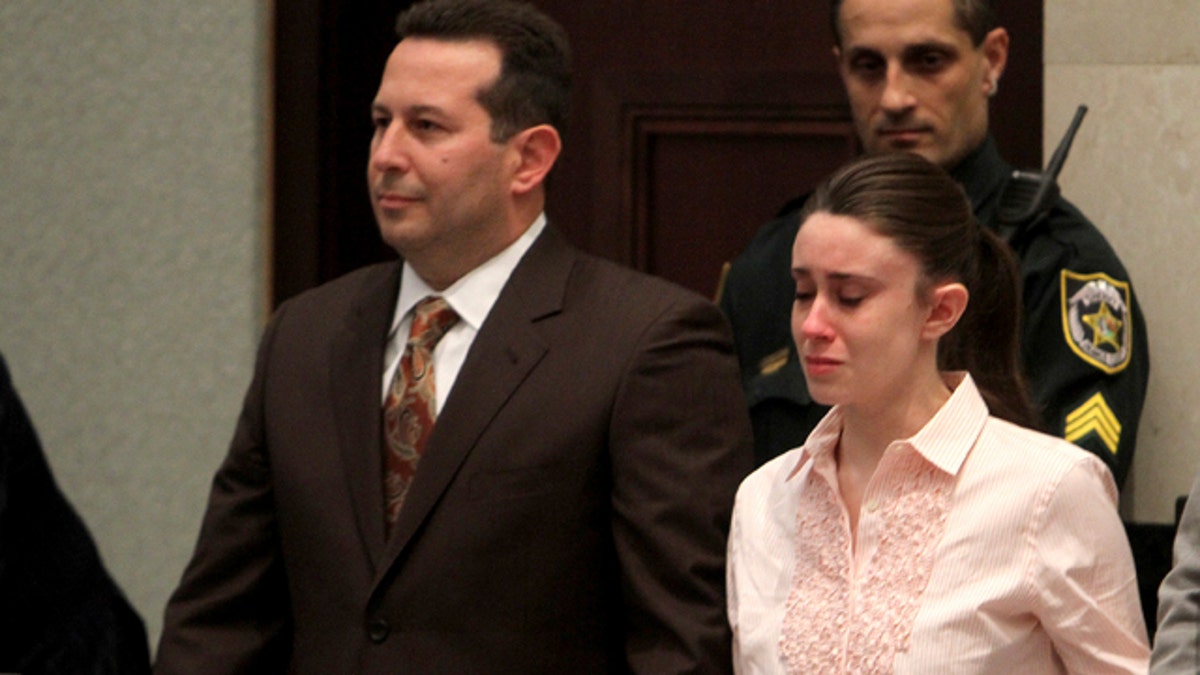
It is still open.
AND THE STORY STILL ISN'T OVER
The jury’s verdict came on July 5, 2011.
Casey Anthony was acquitted of first-degree murder, aggravated child abuse, and aggravated manslaughter of a child.
She was convicted of four counts of providing false information to law enforcement, a misdemeanor.
The judge sentenced her to time served plus a fine.
She was released from jail on July 17, 2011.
What actually happened to Caylee is not established by the record.
The verdict was widely criticized by the public and media.
The case remains one of the most controversial in American history.
Casey Anthony has lived a largely private life since her release.
She has occasionally appeared in media interviews.
She remained under probation for the misdemeanor convictions.
George and Cindy Anthony have remained in the Orlando area.
The case has been the subject of numerous documentaries and books.
The 31-day gap was the central mystery.
The trial did not close it.
The acquittal did not close it.
The release did not close it.
It is still open.
Advertisement
You may also like
The flight attendant who took the note — and what she said about the man who vanished
She took the note without opening it. He told her to look at it, and she looked. The man at seat 18C called himself…
The uncle who found six shot in their beds — and the confession that followed
The door at 112 Ocean Avenue was an ordinary Dutch Colonial, the kind of house a family might call home for a decade. On…
The 15-year-old who vanished after one phone call about a job — his mother's final words
December 11, 1978. A 15-year-old boy told his mother he was going to meet a contractor about a job. Her final words to him…
The 95 million who watched O.J. Simpson's Bronco chase and what they saw
The white Ford Bronco moved at 35 miles an hour, and the whole country watched. On June 17, 1994, an estimated 95 million viewers…

The pilot with 711 hours who flew Buddy Holly's plane into a snowstorm
The pilot’s name was Roger Peterson, and he was twenty-one years old. He had logged about 711 hours of total flight time, according to…
The 8:44 p.m. video that placed Alex Murdaugh near the kennels before Maggie and Paul were found
Paul Murdaugh’s phone held a video recorded at 8:44 p.m. on June 7, 2021. The timestamp sits in the middle of the evening his…