The 31-day silence that preceded a 911 call about a missing toddler
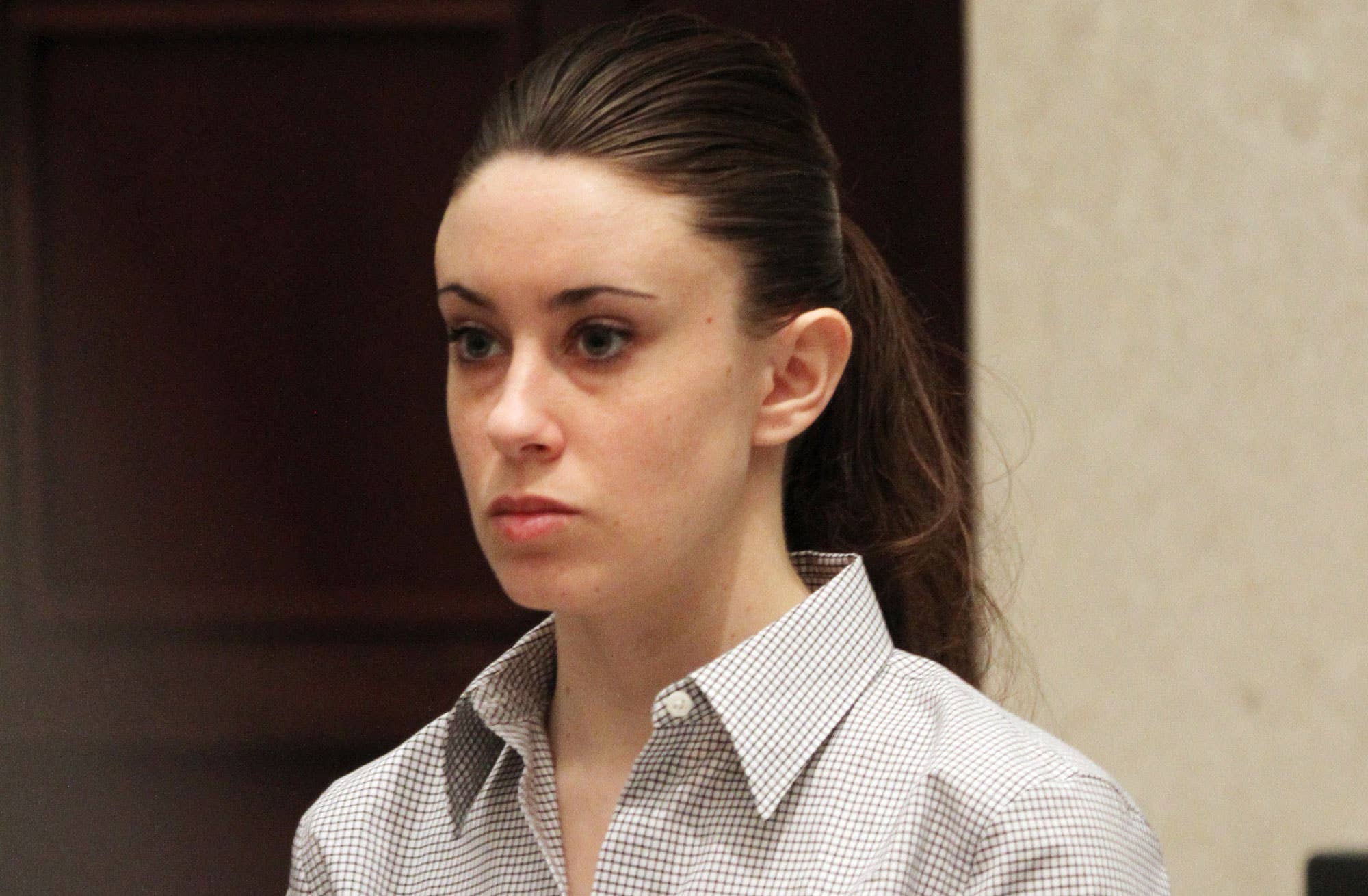
She called on a Tuesday.
July 15, 2008, from her home in Orlando, Florida, the maternal grandmother of two-year-old Caylee Anthony dialed 911 to report her granddaughter missing.
Missing for 31 days, she told the operator.
Caylee had last been seen on June 16, 2008, according to her mother, Casey Anthony.
Thirty-one days between a child’s last sighting and the first call to police.
Thirty-one days of nothing reported, nothing asked, nothing said aloud.
The case would draw intense national media attention, in part because of that gap.
Not because of what happened on July 15.
But because of what did not happen in the 31 days before it.
What happened during those 31 days is not established by the record.
The timeline of Casey’s activities is documented—she was seen partying, she got a tattoo reading "bella vita."
The child’s fate remains undetermined.
The record shows the silence.
The record does not explain it.
That would require evidence.
That would require someone to have said something sooner.
She was two years old.
She was on the ground below, somewhere in a wooded area about a quarter-mile from the Anthony family home, though that discovery would not come until December 11, 2008.
But on July 15, 2008, the grandmother made the call.
The call that started everything.
The call that came 31 days late.
THE 911 CALL
Cindy Anthony, the maternal grandmother, made the 911 call on July 15, 2008.
Police first became involved that same day, after that call.
The operator heard a grandmother's voice, a report of a missing two-year-old, and a claim that 31 days had already passed.
Casey Anthony told investigators she had left Caylee with a babysitter.
The name she gave was Zenaida Fernandez-Gonzalez.
Investigators could not verify that anyone by that name existed.
That is what the record shows; the existence of the babysitter was not established.
Casey also told family members and police a series of falsehoods.

She claimed she had been working at Universal Studios.
She claimed she had received a phone call from the missing child.
She said things that did not line up with what investigators could see.
The confusion was immediate.
The suspicion followed the confusion.
Within weeks, Casey was arrested.
She was charged with child neglect, making false statements, and obstructing an investigation.
Those were the first charges, not the last.
But on July 15, the story was just beginning to unravel.
A grandmother's call had opened a door.
What came through it was a tangle of claims, none of them holding steady.
Not because the truth was obvious.
But because every answer seemed to produce a new question.
THE INVESTIGATION
The investigation turned to the family’s home and car.
A forensic analyst testified that a chemical compound associated with decomposition was detected in the trunk of Casey’s car.
The defense argued the result was inconclusive.
That argument would define much of the trial, but it did not slow the case down.
The most significant turning point came in August 2008, when Casey was indicted on first-degree murder charges.
Even though the child’s body had not yet been found.
The indictment moved forward on circumstantial evidence, on the timeline, on the trunk.
What was missing, still, was Caylee.
The remains were discovered on December 11, 2008, in a wooded area about a quarter-mile from the Anthony family home.
A utility worker found a skull and other bones inside a laundry bag.
Duct tape was found near the remains.
The medical examiner later ruled the death a homicide, though the cause of death was listed as "homicide by undetermined means."
What killed her was never definitively established.
The record does not resolve it.
The prosecution would build a case on the trunk’s chemical trace and on computer searches.
The defense would answer with a theory of accidental drowning and a denial from George Anthony under oath.

But in December 2008, the search was over.
The body had been there all along, close to home, undiscovered for nearly six months.
The investigation had moved without a body; now it had one.
What the remains proved, and what they could not prove, would become the trial’s central tension.
THE TRIAL
The trial began on May 3, 2011, in Orlando.
Casey Anthony stood charged with first-degree murder, aggravated child abuse, aggravated manslaughter of a child, and four counts of providing false information to law enforcement.
The prosecution sought the death penalty.
The state’s case leaned on forensic evidence from the car trunk, where a chemical compound associated with decomposition had been detected.
It leaned on computer searches for terms like "foolproof suffocation."
It leaned on the timeline of Casey’s activities during the 31 days Caylee was missing—the partying, the tattoo reading "bella vita."
Not because any single item proved what happened.
But because the pattern, the state argued, told a story the child could not.
The defense made a major mistake during jury selection.
A juror dismissed for cause later told the court she had seen the defense team’s private case notes on a public website.
The judge seated a jury of seven women and five men anyway.
The prosecution presented its timeline; the defense argued accidental drowning and blamed the grandfather, who denied it under oath.
The closing arguments ended.
The jury deliberated.
On July 5, 2011, the jury found Casey Anthony not guilty of first-degree murder.
Not guilty of aggravated child abuse.
Not guilty of aggravated manslaughter of a child.
Guilty only of four misdemeanor counts of lying to law enforcement.
The verdict did not include a finding that Casey caused her daughter’s death.
That is not established by the record.
She was sentenced to four years with credit for time served, and released on July 17, 2011.
The public outcry was immediate and loud.
The judge and prosecutors said they respected the jury’s decision.
The body had been found.
The trial had ended.
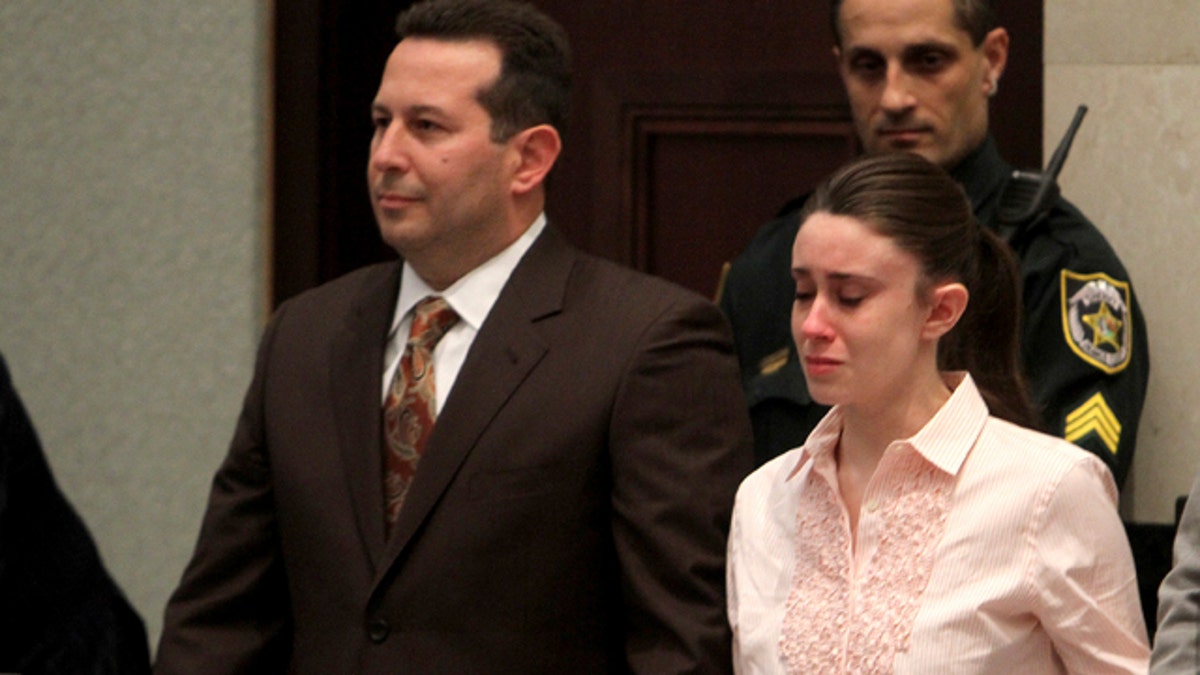
What the remains proved, and what they could not prove, remained the central tension.
AND THE STORY STILL ISN'T OVER
She was on the ground below, and the story kept moving.
Casey Anthony walked out of the jail on July 17, 2011, a free woman on four misdemeanor counts.
After her release, she lived in hiding for several years.
Court documents in 2017 listed her address as a post office box in South Florida.
Not a home. A box.
In 2020, she filed for bankruptcy, listing no income.
In 2022, she launched a subscription-based website.
She released a video statement with it.
The backlash was renewed, and loud.
Her parents stayed in Orlando.
George Anthony has spoken publicly about the case.
He has denied any involvement in Caylee’s death, under oath and after.
The cause of death remains undetermined.
That is what the record says: homicide by undetermined means.
No one other than Casey Anthony was ever charged.
Her conviction did not include a finding that she caused her daughter’s death.
So what happened to Caylee?
That question has no answer in the record.
The trial answered what the state could prove.
It did not answer what happened in those 31 days.
It did not answer what happened on June 16, 2008.
It did not answer what the duct tape meant, or what the trunk really held.
The public’s fascination persists because the gap remains.
The 31 days are a hole in the timeline.
A hole no verdict filled.
The body had been found.
The trial had ended.
The case is not closed, not in the sense that matters.
Advertisement
You may also like
The 911 call a mother made at 5:52 a.m. — the ransom note that followed
The 911 call came at 5:52 a.m. December 26, 1996, in Boulder, Colorado. Patsy Ramsey's voice on the line, reporting her 6-year-old daughter, JonBenét,…
The brother's call that ended a 17-year bombing spree
The manifesto arrived in 1995. It was 35,000 words, titled "Industrial Society and Its Future," and it was mailed to The New York Times…
The newspaper clipping and note in the Black Dahlia case that still defy explanation
A newspaper clipping and a note, reportedly carrying the killer's taunts, sat in the evidence file. They were key evidence, the investigation summary says.…
The 1969 letter that came with a victim's bloody shirt and a promise
The package arrived at the San Francisco Chronicle in 1969. Inside was a piece of a shirt. The shirt was bloody. It belonged to…
The tarot card left at a D.C. sniper scene that said 'Call me God'
The card was on the ground beside the body. October 19, 2002. Falls Church, Virginia. A victim shot while loading groceries. Police found a…
Afeni Shakur scattered her son's ashes at his childhood home — the case that still haunts Vegas
Afeni Shakur carried her son's ashes back to Marin City. She scattered them at his childhood home, a private act in a small California…