The newspaper clipping and note in the Black Dahlia case that still defy explanation
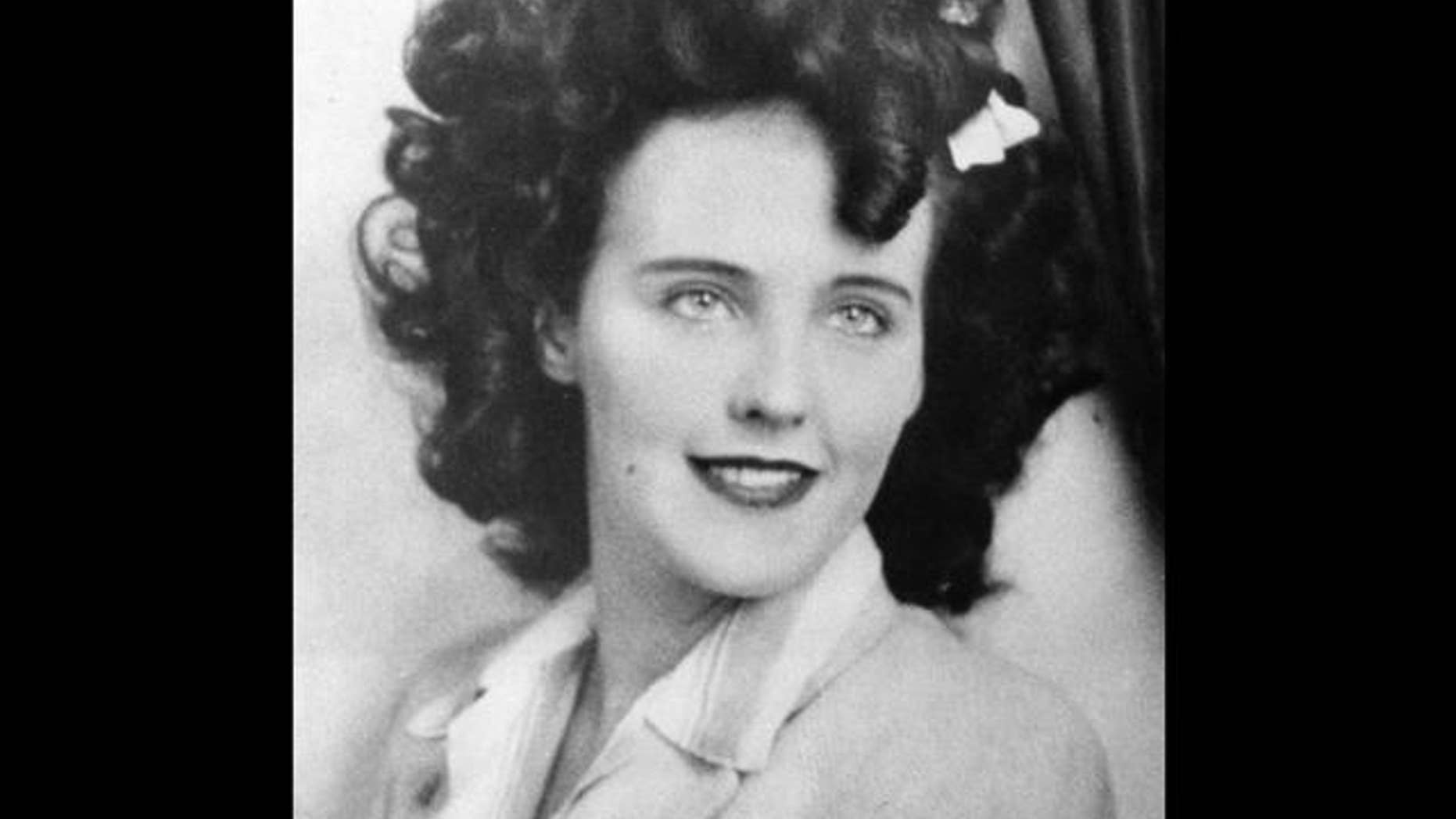
A newspaper clipping and a note, reportedly carrying the killer's taunts, sat in the evidence file.
They were key evidence, the investigation summary says.
They were never conclusively linked to the crime.
The note's exact contents and its sender are not established in the record.
The body was found on the morning of January 15, 1947, in a vacant lot on Norton Avenue, in the Leimert Park area of Los Angeles.
It was severed at the waist, drained of blood, washed, and posed.
The face was slashed from the corners of the mouth to the ears.
The press later called that wound the "Glasgow smile."
The victim was identified through fingerprints as Elizabeth Short.
She was 22, an aspiring actress.
The fingerprints came from a previous arrest for underage drinking.
She had last been seen alive on January 9, 1947, at the Biltmore Hotel in downtown Los Angeles.
The clipping and the note were the closest thing to a voice from the killer.
Who sent them?
What did they say?
What did they want?
That would require evidence, and the record does not have it.
The body had been cleaned, destroying most trace evidence.
No weapon was found.
The clipping and the note remain what they are: objects in a file, unanswered.
THE LAST DAYS OF ELIZABETH SHORT
Elizabeth Short was born in Hyde Park, Massachusetts, and moved to California seeking a film career.
Her father had abandoned the family when she was a child.
Her mother, Phoebe Short, lived in Massachusetts.
She was 22 years old, an aspiring actress, and she was last seen alive on January 9, 1947, at the Biltmore Hotel in downtown Los Angeles.
Police identified her through fingerprints.
Those fingerprints came from a previous arrest for underage drinking.
That is how a young woman became a case file.
That is how a daughter became a victim.
Her mother was notified of the murder.
Phoebe Short later made public statements about her daughter, speaking from a state that had no body to bury until it was released.
What Elizabeth did between January 9 and the discovery of her body is not in the record.
The record holds only the edges: the hotel, the identification, the notification.
It does not hold her last week.
It does not hold her last conversation.
It does not hold her last meal.
That would require evidence, and the evidence was cleaned away.
She was a person with a family who loved her.
Her mother made sure that was said out loud.
But the dates stand apart: she was seen on the ninth, found on the fifteenth.
Six days are missing.
They remain missing.
THE INVESTIGATION AND THE NOTE'S ROLE

Hundreds of people were interviewed, many of them Short’s acquaintances in Hollywood, the case record shows.
The body showed signs of torture, but no weapon was found.
The body had been cleaned, destroying most trace evidence.
What was left was a newspaper clipping and a note.
The clipping and the note reportedly contained the killer’s taunts.
Whether they were truly from the killer is not established.
Detectives had the clipping. They had the note. They had nothing that tied them to a hand.
Confessions came in over the decades.
A drifter named Jack Wilson confessed; he was not prosecuted.
Others confessed too, and none of the confessions were verified.
How could a killer leave so little behind?
Not because the killer was careful. Because the killer had time.
The body was washed. The body was posed. The body was drained.
The record does not say who did that.
It says the body was found on Norton Avenue, severed at the waist, face slashed from mouth to ears.
It says the victim was identified through fingerprints from an earlier arrest.
It says the case file remains open.
The clipping and the note sit in that file, unexplained.
They are real evidence. They were never conclusively linked to the crime.
That is all the record establishes.
THE TWO STORIES OF THE SAME FACTS
No one was ever charged with the murder of Elizabeth Short.
The case was officially closed in 1949, but the Los Angeles Police Department reopened and reviewed it multiple times, most recently in the early 2000s.
Each review ended the same way: no charges, no arrest, no named suspect in the official record.
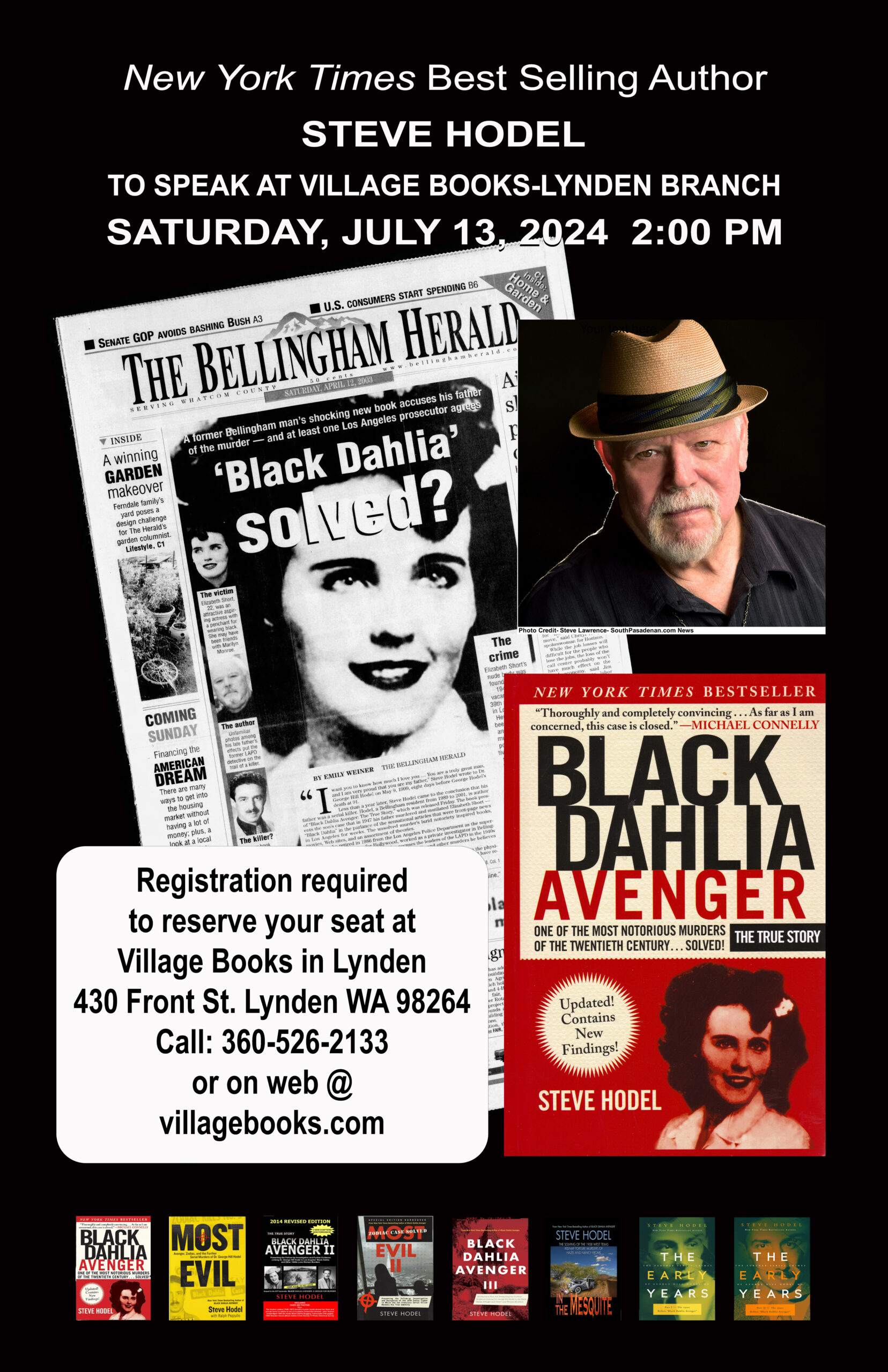
In 2003, Steve Hodel, a former LAPD detective, published a book claiming his father, George Hodel, a physician, was the killer.
He cited circumstantial evidence and alleged recordings.
The LAPD did not officially name George Hodel as a suspect.
The claim remains disputed.
George Hodel was never charged.
His guilt or innocence is not established; the record establishes neither.
That is the fact the theories must answer.
Before the books and the podcasts, there was a drifter named Jack Wilson.
He confessed to the murder.
He was not prosecuted.
His confession was not verified.
Two stories sit on the same facts.
One story says a physician outsmarted the police for decades.
The other story says a drifter's words meant nothing without proof.
Both stories are theories.
Both stories lack a conviction.
Was George Hodel the killer?
Was Jack Wilson?
Was anyone?
The record does not say.
The record says no one was ever charged.
It says the case was reopened and reviewed.
It says the reviews produced no charges.
Elizabeth Short's mother, Phoebe Short, made public statements about her daughter after the murder.
She died in 1985.
She never saw an arrest.
The case file remains open with the Los Angeles Police Department.
The clipping and the note sit in that file, unexplained.
They are real evidence.
They were never conclusively linked to the crime.
That is all the record establishes.
AND THE STORY STILL ISN'T OVER
The case file remains open with the Los Angeles Police Department.
Open, and unattended.
Elizabeth Short is buried in Mountain View Cemetery in Oakland, California.
Her mother, Phoebe Short, died in 1985.
George Hodel died in 1999.
Steve Hodel continues to publish books and give interviews about his theory.
He names his father in each one.
The LAPD never officially named George Hodel as a suspect.
No charges were ever filed against anyone.
Is someone still looking?
Is the file simply gathering dust?
Will the case ever be solved?
That would require evidence.
The record does not establish that anyone is looking now.
It does not establish that anyone will.
It establishes only that the file remains open.
The body was cleaned of trace evidence.
The witnesses never came forward.
The note and the clipping were never conclusively linked to the crime.
That is the whole of it.
Phoebe Short outlived her daughter by thirty-eight years.
She made public statements about Elizabeth.
She died without an answer.
George Hodel died without an answer.
The case file holds their names anyway.
It holds the clipping.
It holds the note.
It holds nothing that closes the question.
Elizabeth Short rests in Oakland.
The file rests in Los Angeles.
Neither one is moving.
Advertisement
You may also like
Two Utah robberies, one witness, and the .22-caliber pistol that sealed Gary Gilmore's fate
The first shot came at a Sinclair station in Provo, Utah, on the night of July 19, 1976. A 24-year-old gas station attendant was…
The fake police car that drove away from a garage at 10:30 a.m.
The garage door at 2122 North Clark Street stood open. A resident found it that way and looked inside. Seven men were dead on…
The 1987 saliva sample that sat unmatched for 14 years — then broke the Green River case
A warrant in 1987 gave investigators a saliva sample from Gary Ridgway, a truck painter at a Kenworth plant in Renton. The sample was…
The glasses Ronald Goldman was returning when he was stabbed — and the family who never stopped asking
He was 25 years old, a waiter at a nearby restaurant. On the night of June 12, 1994, he was returning a pair of…
Two men in police caps, one hour, and the empty frames in Boston
It is 1:24 a.m. on March 18, 1990, and the side door of the Isabella Stewart Gardner Museum opens. Two men stand there in…
The 1969 death sentence that vanished with one court ruling — and the timeline that led there
She arrived for work like any other morning. The housekeeper at 10050 Cielo Drive came on August 10, 1969, and found the bodies. Five…