The $5,800 in ransom cash that surfaced on a riverbank 9 years after the jump
Eight years after the jump, a boy was walking the sand of the Columbia River in Washington.
He found a rotting bundle of cash, $5,800 in twenty-dollar bills, half-buried in the muck.
The serial numbers matched the $200,000 ransom paid to the hijacker in 1971.
The FBI evidence log confirmed the match.
The discovery suggested Cooper had survived the jump.
It suggested he had come down somewhere near that riverbank, or that the money had come down without him, or that someone else had carried it there.
No body was ever found.
No further evidence was ever recovered from that stretch of shore.
The record does not establish whether the cash was dropped by Cooper, lost, or placed there.
It does not establish that he lived, and it does not establish that he died.
What the record does establish is this: the bundle found by that boy is the only physical link to the hijacker ever recovered.
Nine years of manhunts, hundreds of suspects, a nationwide list of serial numbers distributed to banks — and the one trace of the ghost was turned up by a child on a riverbank.
The money was real.
The serial numbers were real.
The rest, everything after the boy's discovery, is theory.
NOVEMBER 24, 1971 — THE NOTE AND THE JUMP
The note was handed over shortly after takeoff.
A flight attendant received it, a note claiming a bomb and demanding $200,000 in cash, four parachutes, and a fuel truck standing by in Seattle.
She passed it to the captain.
The plane landed in Seattle, and the money and parachutes were delivered.
Cooper released the passengers and most of the crew.
Then he gave the pilots their orders: fly toward Mexico City, low altitude, slow speed.
Somewhere over southwestern Washington, he opened the rear stairway and jumped into the night.
The plane landed in Reno, Nevada, with Cooper gone.
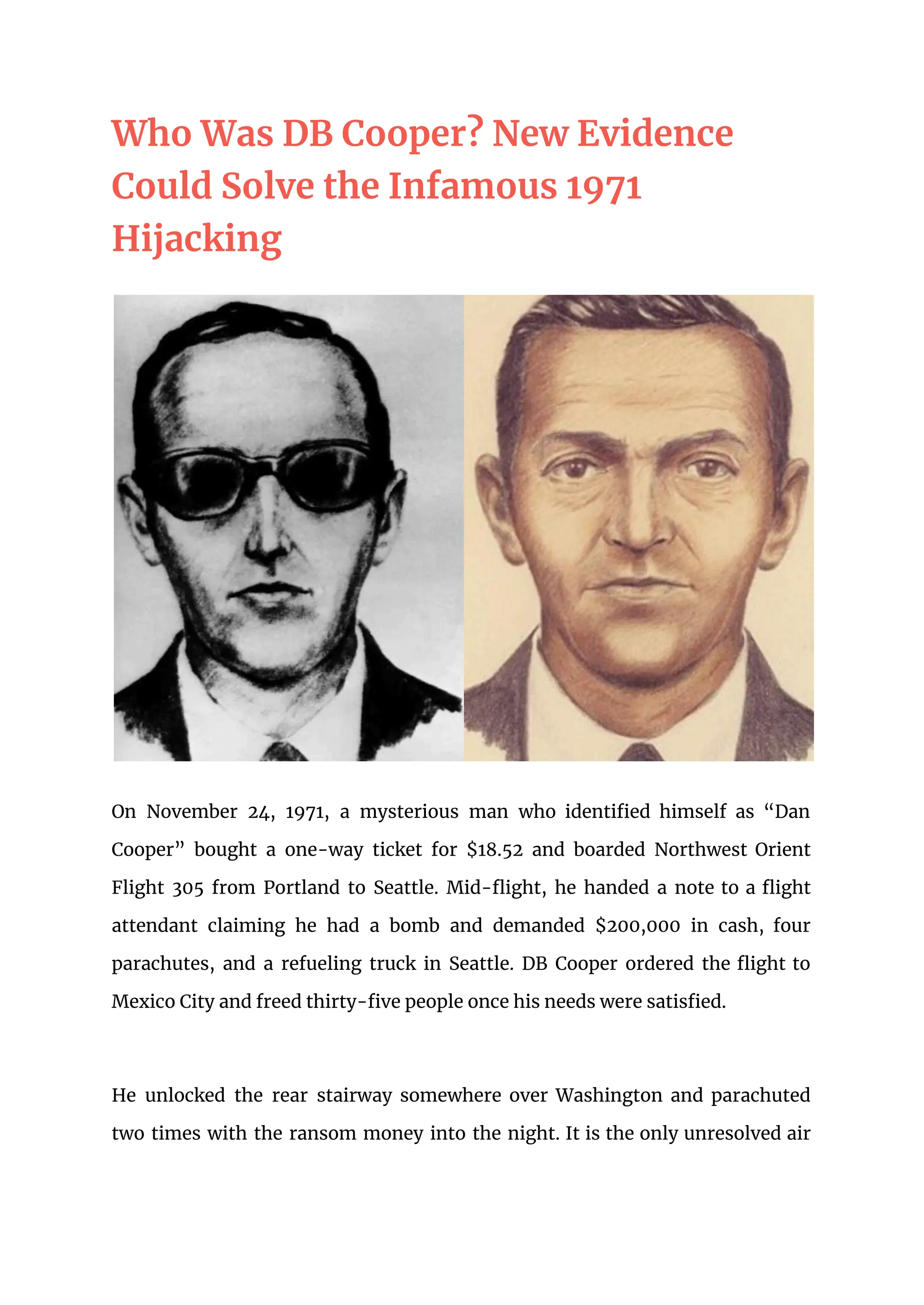
The flight manifest listed the passenger as "Dan Cooper," a man who bought a one-way ticket from Portland to Seattle on the evening of November 24, 1971.
The press misreported his alias as "D.B. Cooper," and that name stuck in public memory.
Whether Cooper actually had a bomb was never confirmed.
No explosive device was ever found.
The demand was real, the money was real, the jump was real.
What he carried in that briefcase was not established.
The pilots communicated with ground control.
The flight record showed the landing in Reno.
The man who gave the name Dan Cooper was gone, and the case was just beginning.
THE MANHUNT AND THE TIE
The FBI immediately launched one of the largest manhunts in its history, according to the case summary.
Agents fanned out across the Pacific Northwest, checking every lead that came in.
Cooper left his clip-on tie on the seat, and that tie yielded trace evidence.
The FBI forensic report showed no DNA match to any suspect.
The $200,000 in $20 bills had their serial numbers recorded before the money was handed over.
The FBI distributed the list to banks and businesses nationwide, an FBI bulletin stated.
Every teller, every manager, every cop was supposed to watch for those numbers.
Despite this, none of the bills were ever definitively traced to circulation, the investigation record shows.
The FBI interviewed hundreds of suspects over the years.
Richard Floyd McCoy Jr., convicted of a similar hijacking in 1972, was among them.
He was never tied to the Cooper case, according to the FBI interview log.
Cooper's true identity was never established.
No suspect was ever publicly cleared by name.
The manhunt was massive; the evidence was thin.
It is the scale of the effort that frustrates.
It is the emptiness of the result that lingers.
HERO OR OUTLAW — TWO READINGS
The media named him, and the name stuck.
A reporter got the alias wrong, and the public never let it go.
"D.B. Cooper" became a folk hero before the FBI knew what to call him.
The public reaction was a mix of admiration for his audacity and frustration at the FBI's failure.
Not because he was innocent. Because he was gone.
Songs were written. Books were published. Films referenced the case.
For decades, tips poured in from people claiming to know his identity or have seen him.
Thousands of amateur sleuths and journalists chased their own theories.
The media's romanticized portrayal of a clever outlaw shaped the case's enduring mythology.
It is a mythology built on a crime.
The record itself shows no trial, no charges, and no identified perpetrator.
No charges were ever filed against anyone in connection with the hijacking.
No one was ever publicly cleared by name.
The man who jumped was never found, and the case remains officially unsolved.
Whether Cooper survived the jump is not established.
The riverbank cash suggests it, but proves nothing.
A rotting bundle of $5,800 in serial-numbered bills is the only physical link.
That is not a body. That is not a confession.
That is money, weathered and scattered on a riverbank.
The folk hero remains a ghost in a clip-on tie.
The admiration endures. The frustration endures.
The gap between myth and record is the case itself.
AND THE STORY STILL ISN'T OVER
In 2016, the FBI closed its active investigation into the hijacking, citing the passage of time and the exhaustion of leads, according to the FBI announcement.
The case remains the only unsolved hijacking in U.S. history.
The FBI continues to accept tips.
The flight attendant who received the note has since died.
The captain has also died.
No family members of the perpetrator have ever come forward publicly.
The $5,800 found on the riverbank in 1980 remains the only physical link to Cooper.
It is a link, not an answer.
Where did the money come from?
How did it get there?
Did he survive?
That would require evidence.
Cooper's identity remains unknown.
His fate remains unknown.
The origin of the riverbank cash remains unknown.
The record does not establish any of it.
The door is closed, but it is not locked.
The tips still arrive, the theories still circulate, and the ghost in the clip-on tie still waits for a name the record will not give.
The admiration endures.
The frustration endures.
The gap between myth and record is the case itself, and it stays open.
Advertisement
You may also like
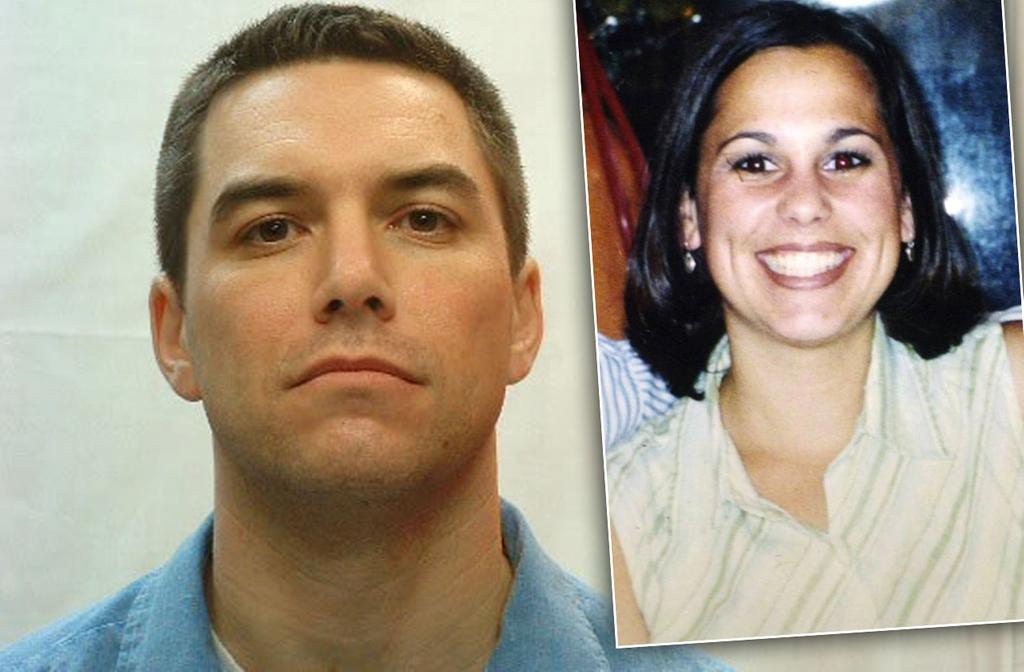
A fishing trip, a missing pregnant wife, and the boat Scott Peterson bought just weeks before
He told police he went fishing that morning at the Berkeley Marina. He said he returned to find his wife gone. Laci Peterson, 27…
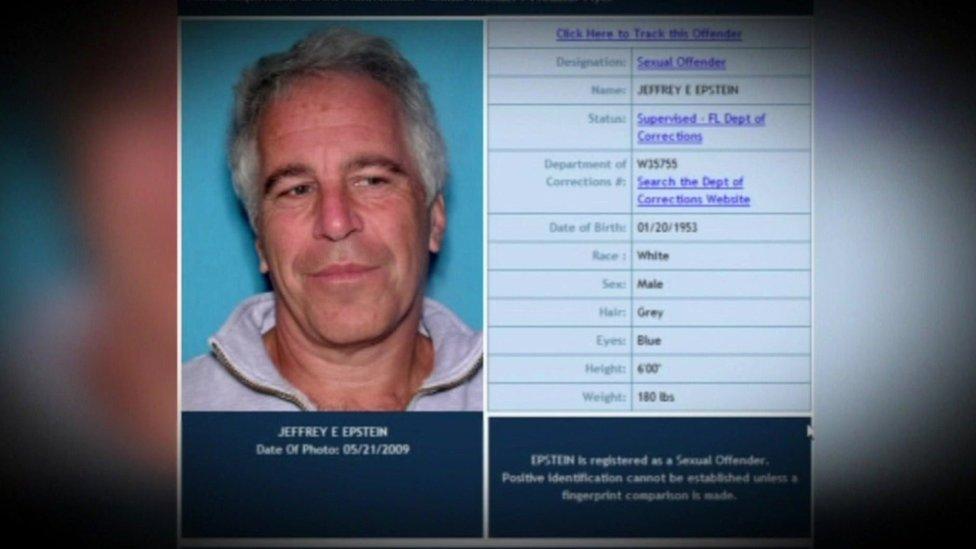
The 2008 deal that kept Epstein's federal charges secret — and the detective who never got to finish
A mother in Palm Beach, Florida, told police in 2005 that her 14-year-old stepdaughter had been sexually abused by an older man. That complaint…
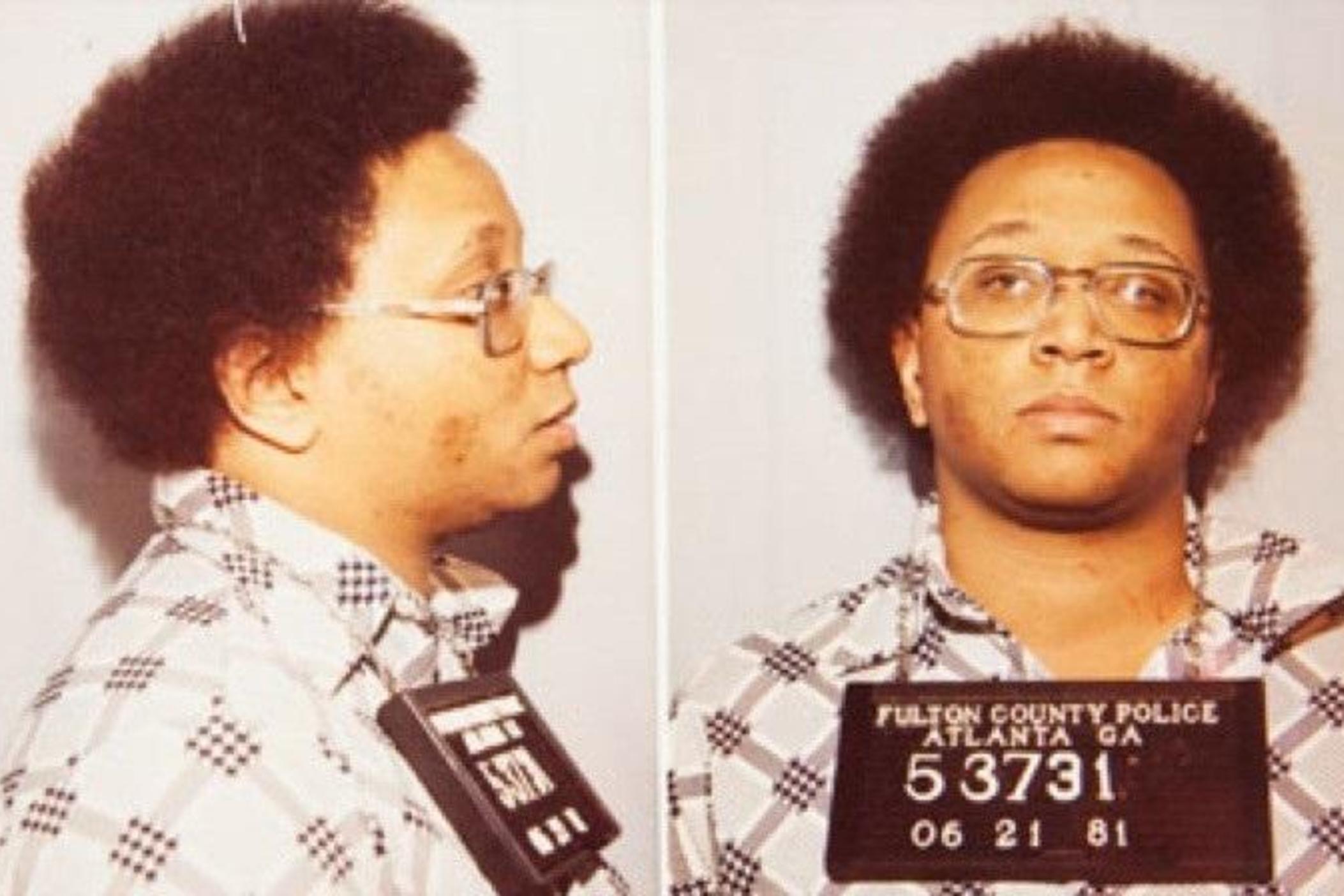
The fiber and dog hair evidence that linked Wayne Williams to the Atlanta murders
The body of Nathaniel Cater came out of the Chattahoochee River on May 22, 1981. He was 27 years old. The next night, an…
The Reddit sleuths who named an innocent student a Boston bombing suspect
The bombs went off at 2:49 p.m., about four hours into the race. Two pressure-cooker bombs, placed in backpacks, exploded near the finish line…
Inside Dahmer's confession: how one man spent four days leading detectives through a drip of details on 17 killings
He was handcuffed, and he was talking fast. Tracy Edwards had flagged down two Milwaukee police officers on July 22, 1991, after escaping the…
Love letters scattered in the lane — the 1922 murder that made the front pages for years
The note was still pinned to the crabapple tree when the bodies were found. It read "Mrs. Mills." Not a confession. Not an accusation.…