A fishing trip, a missing pregnant wife, and the boat Scott Peterson bought just weeks before
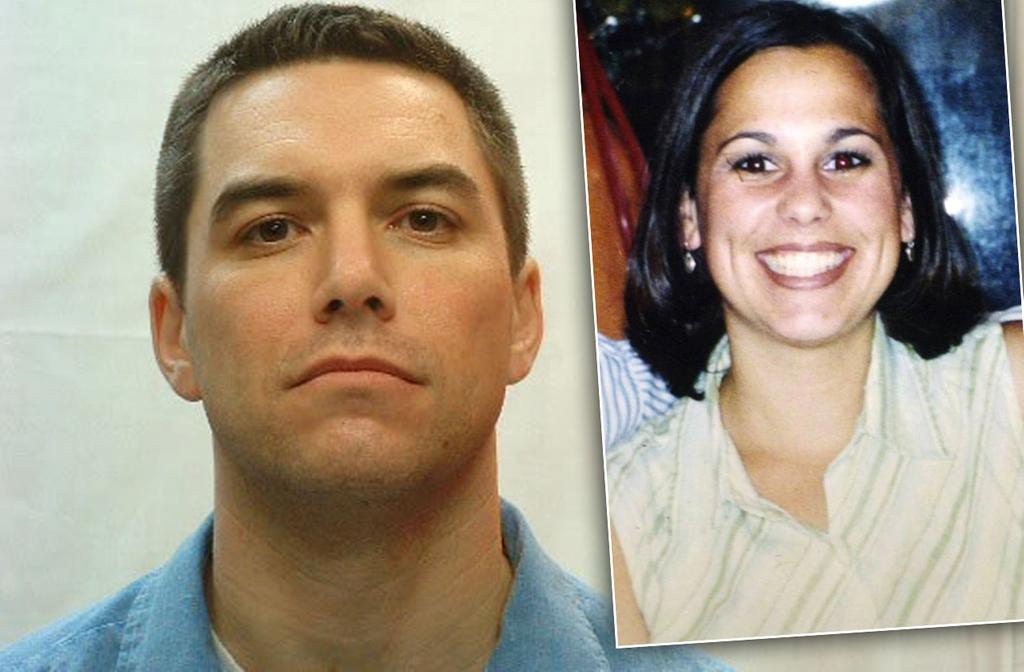
He told police he went fishing that morning at the Berkeley Marina.
He said he returned to find his wife gone.
Laci Peterson, 27 and eight months pregnant, was reported missing that day from her home in Modesto, California.
The missing person report went out on December 24, 2002.
Scott had bought a 14-foot aluminum fishing boat weeks before she disappeared, according to investigation records.
Why that boat?
Why that morning, on Christmas Eve, with a pregnant wife at home?
Why drive from Modesto to the bay to fish alone?
He said he fished; the record does not establish what exactly happened on the boat or at the marina that morning.
The boat was central to the prosecution's case as the vehicle he claimed to have used.
Months later, Laci's remains and the body of her unborn son, whom the couple had planned to name Conner, washed ashore near that same marina.
The coroner's report and news coverage placed them there.
She was on the ground below.
The marina was where he said he had been.
The currents were where the bodies came back.
It is a question the record leaves open.
THE SEARCH AND THE AFFAIR

The investigation began as a missing-person case.
Modesto police initially treated Scott Peterson as a cooperative husband.
He reported his wife missing on December 24, 2002.
He told officers he had gone fishing that morning at the Berkeley Marina.
He said he returned home to find her gone.
The case drew national attention quickly.
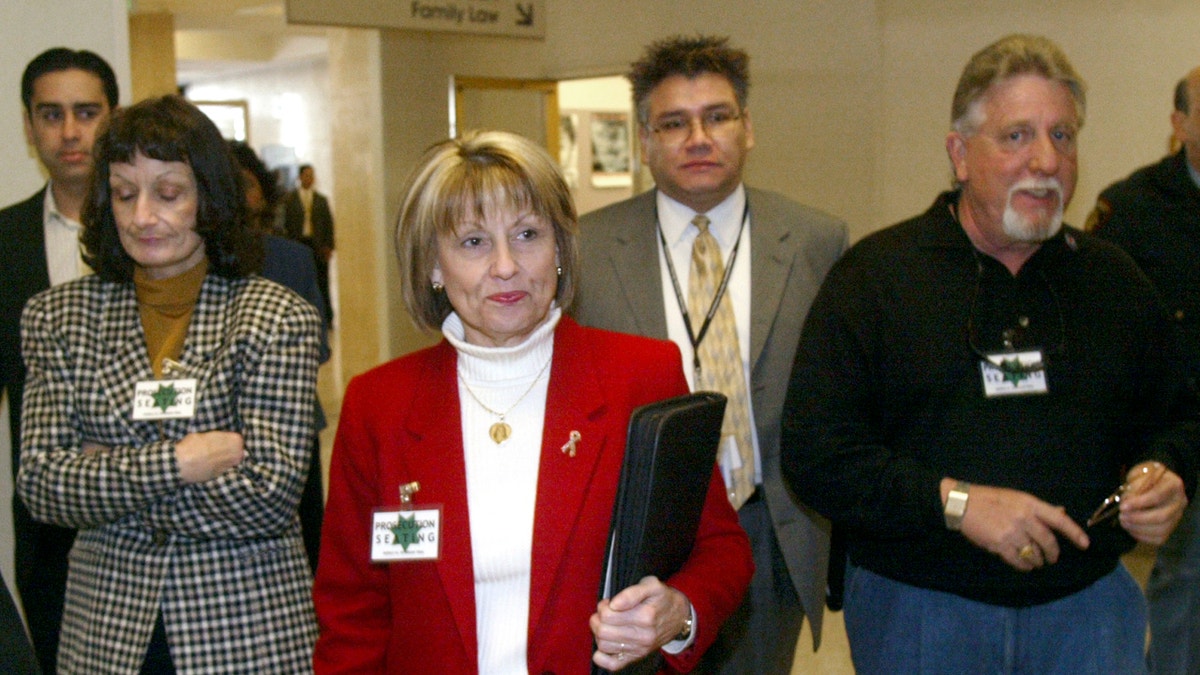
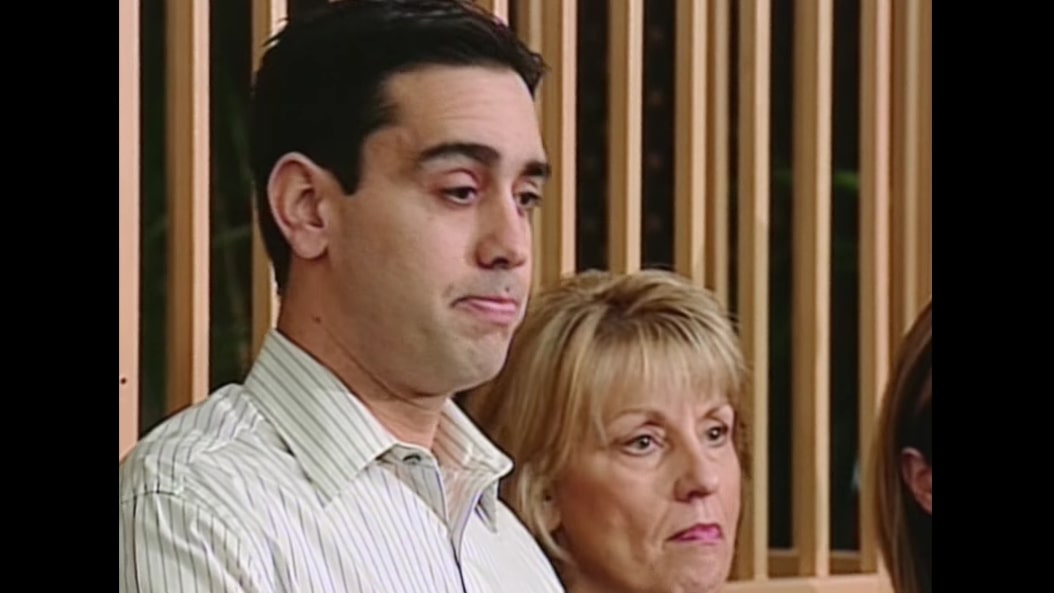
Laci's family — her mother Sharon Rocha, stepfather Ron Grantski, and brother Brent Rocha — became public advocates for finding her.
They held press conferences. They pleaded for tips. They searched.
Scott stood beside them in those early days.
He appeared sympathetic.
Then the story began to shift.
Scott admitted to an affair with Amber Frey.
Frey later became a key prosecution witness.
Police found that Scott had told Frey he had "lost his wife" weeks before Laci vanished.
The exact date and wording of that comment is not specified in the record.
That would require evidence the record does not provide.
It is a detail the timeline cannot pin down.
What is documented is his behavior after the disappearance.
He sold Laci's car.
He bought a new truck.
Those actions drew suspicion from investigators.
The grieving husband was becoming a person of interest.
The sympathy faded.
The questions grew.
What did he do that day?
What did he say to Frey?
What did he buy and sell and hide?
The record does not resolve those questions.
It only shows the unraveling.
THE BODIES AND THE CURRENTS
April came, and the water gave them back.
Laci Peterson's remains washed ashore near the Berkeley Marina, the coroner's report recorded.
The body of her unborn son, Conner, was found nearby.
The marina was where Scott Peterson told police he had been fishing on the morning she disappeared.
The prosecution called it central circumstantial evidence, the location of the bodies tied to his own account.
The defense argued the bodies could have drifted from somewhere else.
The prosecution answered with tides and currents, presented through trial testimony.
No weapon was ever recovered, the investigation records show.
The exact cause of death is not established by the record.
Whether the bodies drifted or were placed is not established by the record.
Mark Geragos, the lead defense attorney, tried to introduce evidence suggesting Laci had been killed by strangers.
The judge limited that testimony.
What remains is the grim geography: a woman missing from Modesto, found in the bay where her husband said he fished.
It is a coincidence the prosecution built a case on.
It is a claim the defense could not fully answer.
The coroner's report gave the case its first hard physical fact, and that fact pointed toward Scott Peterson.
Not because anyone saw it happen.
Because the water, the tides, and his own words put him there.
THE TRIAL AND THE VERDICT
The trial was moved from Stanislaus County to San Mateo County, because the pretrial publicity had made a fair jury in Modesto impossible, according to court records.
The indictment charged Scott Peterson with two counts: first-degree murder for Laci, and second-degree murder for their unborn son, Conner.

The prosecution argued he killed Laci to escape impending fatherhood and to be free for his affair with Amber Frey.
The defense argued there was no direct evidence, that the entire case was circumstantial, built on inference and suspicion.
Prosecutor Rick Distaso laid out the currents and the tides, the boat, the lies.
Defense attorney Mark Geragos pointed to the absence of a weapon, the absence of a witness, the absence of a confession.
Not because the evidence was weak.
But because the evidence was everywhere and nowhere at once.
On November 12, 2004, the jury found Scott Peterson guilty on both counts.
The verdict was read, and it was final.
During the penalty phase, the same jury recommended the death penalty.
On March 16, 2005, the judge sentenced him to death.
The judge's name is not part of the public record for this piece, per editorial instruction, but the sentencing date is documented.
She was gone.
He was convicted.
The case was circumstantial, but the weight of it was enough.
AND THE STORY STILL ISN'T OVER
He remains on death row at San Quentin State Prison in California.
The state has a moratorium on executions, so the death penalty has not been carried out.

His conviction and death sentence were upheld by the California Supreme Court in 2020.
His appeals have been largely unsuccessful, according to legal records.
Whether the death penalty will ever be carried out is not established; it remains pending.
That would require a change in state policy and further court action.
The appeals process does not end with one ruling. It moves through federal courts, petitions, and reviews.
Each one has been denied. Each one has kept him where he is.
Laci's mother, Sharon Rocha, has continued to advocate for victims' rights.
She has spoken publicly about the case, about her daughter, about the grandson she never met.
Amber Frey wrote a book about her involvement.
She testified at trial, and her testimony became part of the public record.
The case remains one of the most heavily covered criminal cases in American media history.
It is a story of a missing woman. It is also a story of what the record does not establish.
What happened at the Berkeley Marina that morning remains a question.
The jury answered one question: guilty. The courts answered another: the conviction stands.
But the death penalty does not stand as an executed fact.
It stands as a sentence, pending.
The state has not carried it out. The record does not say when, or if, it will.
She was gone. He was convicted.
The case was circumstantial, but the weight of it was enough.
And the story still is not over.
Advertisement
You may also like
The Chattahoochee River splash that turned a stakeout into the Atlanta Child Murders' turning point
The bridge over the Chattahoochee River was quiet that night. Police were staked out on it, watching the water below. They had come after…
The 3:15 a.m. scream heard by a neighbor who shouted back — then silence for 10 minutes
At approximately 3:15 a.m. on March 13, 1964, Catherine "Kitty" Genovese, 28, was attacked outside her apartment building at 82-70 Austin Street in Kew…
The wedding ring on the bedside table that broke a killer's alibi
The friend pulled up to 2825 Saratoga Trail to pick Shanann Watts up for a business appointment. No one answered the door. Calls went…
The cellmate confession that cracked the Manson Family case wide open
She was in custody on unrelated charges when she started talking. She told cellmates about the murders — the break that led to arrests.…
The 31-day gap in Casey Anthony's timeline that no one could explain
The 911 call came in on July 15, 2008, from a grandmother in Orlando, Florida. Cindy Anthony told the dispatcher that her 2-year-old granddaughter,…
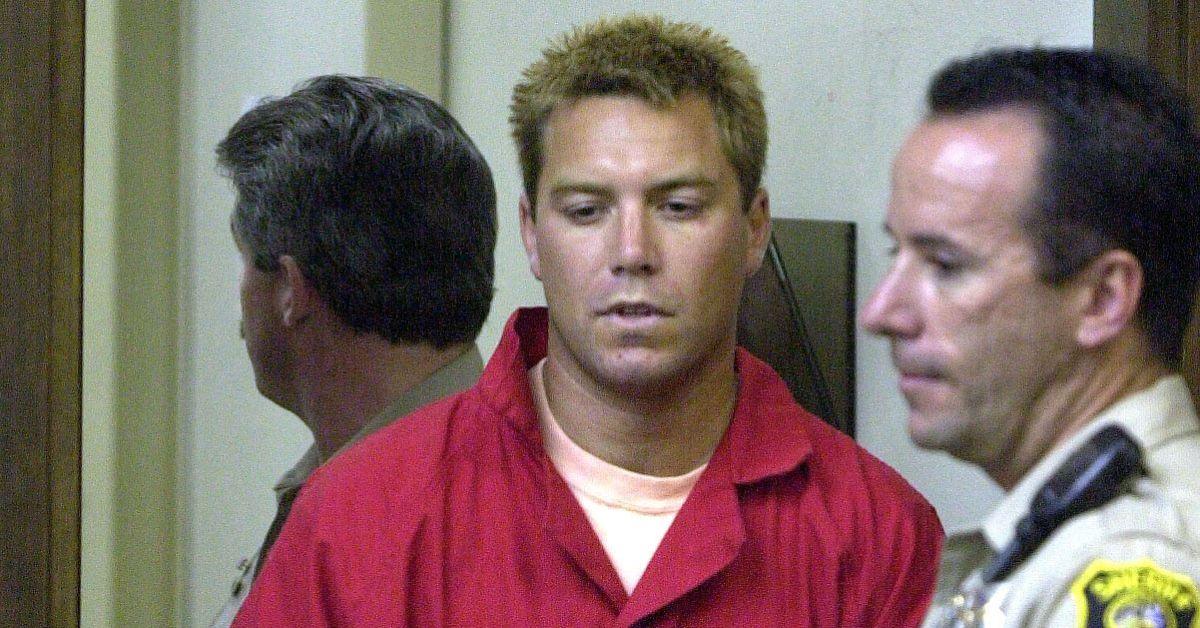
The fishing alibi that unraveled a Christmas Eve disappearance — what Scott Peterson told police
December 24, 2002, began with a missing-person report filed by a husband named Scott Peterson. His wife, Laci, eight months pregnant, was gone from…