The 3:15 a.m. scream heard by a neighbor who shouted back — then silence for 10 minutes
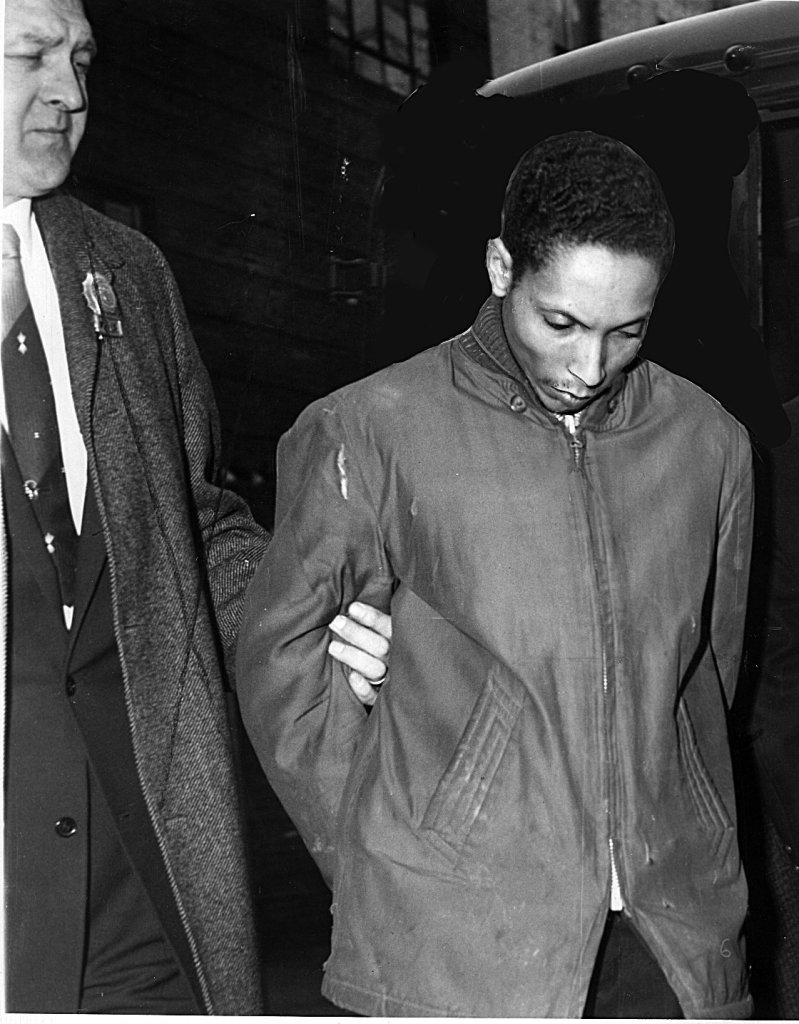
At approximately 3:15 a.m. on March 13, 1964, Catherine "Kitty" Genovese, 28, was attacked outside her apartment building at 82-70 Austin Street in Kew Gardens, Queens.
She was stabbed twice by Winston Moseley.
She screamed.
A neighbor shouted from his window, and Moseley fled.
The neighbor's name has been reported in the case record, but it is not confirmed in news coverage.
Genovese, wounded, staggered toward the rear of the building.
Then silence for ten minutes.
Not because the street was empty.
Not because no one heard.
Because the record shows a scream, a shout, and then a gap.
What happened in that gap is not established.
The exact number of witnesses who saw or heard anything is also not established.
Moseley returned approximately ten minutes later.
He found her in a hallway.
The attack ended around 3:50 a.m.
She was on the ground below.
THE TEN-MINUTE GAP
The neighbor shouted, and Moseley fled.
Genovese staggered toward the rear of the building.
What she did in those ten minutes is not in the record.
What she said is not in the record.
Moseley returned approximately ten minutes later.
He found her in a hallway.
He sexually assaulted her and fatally stabbed her.
The attack ended around 3:50 a.m.
Police were first called by a neighbor.
That neighbor phoned a friend, and the friend called police.
The name of the neighbor who called is not confirmed in news coverage.
Officers arrived within minutes.
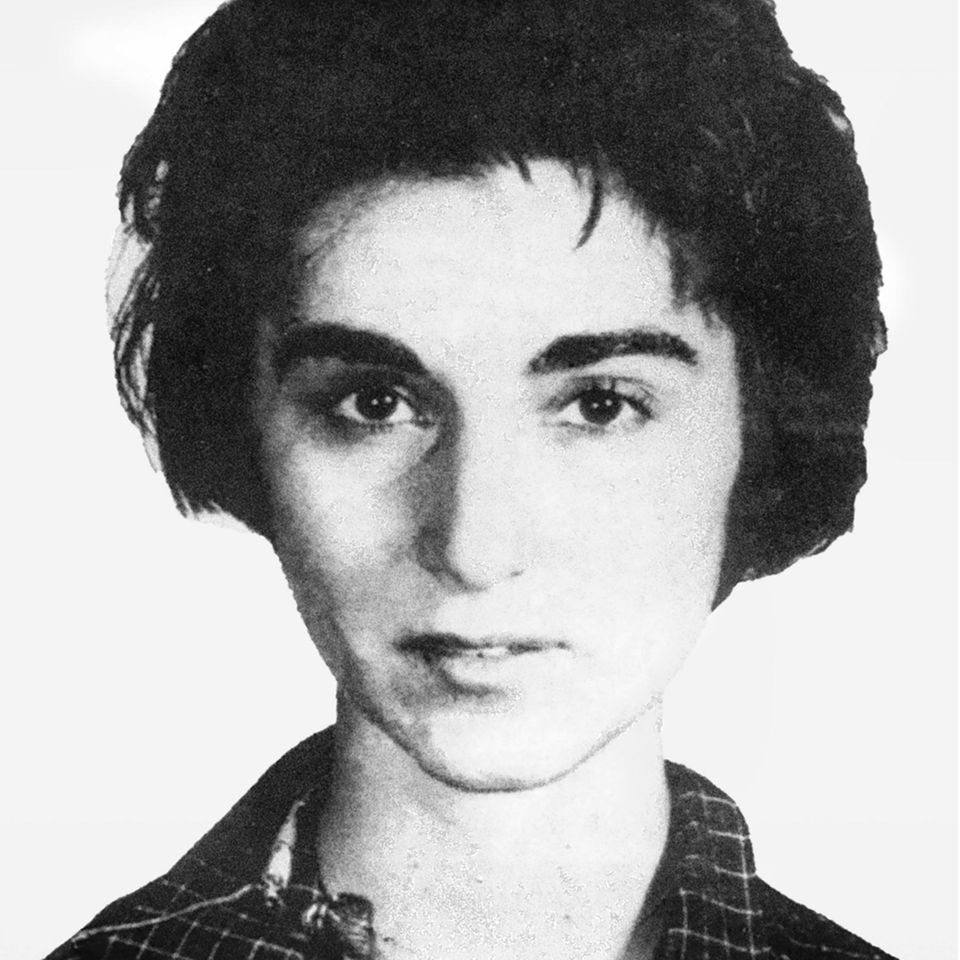
Genovese was already dead.
She was on the ground below.
The ten minutes sit between the shout and the return.
The ten minutes sit between the first wounds and the last.
The ten minutes sit between a chance to act and the end of the attack.
Why did no one call sooner?
Why did no one go to her?
Why did the street stay quiet?
That would require evidence the record does not provide.
The case record shows a scream, a shout, and a gap.
It shows a staggered walk to the rear of the building.
It shows a hallway, a return, and an end around 3:50 a.m.
It does not show what happened inside the ten minutes.
It does not show who heard what, or when.
The neighbor who shouted is named in the source.
The neighbor who called is named in the source.
But the name of the caller is flagged as not confirmed.
So he remains a neighbor.
She remains on the ground below.
The attack ended around 3:50 a.m.
The officers arrived within minutes.
She was already dead.
THE ARREST AND CONFESSION
Six days after the attack, police stopped Winston Moseley in Queens.
He was 29 years old, a business machine operator, driving a stolen car.
It was March 19, 1964.
During questioning, Moseley confessed to the murder of Kitty Genovese.
He also confessed to the murders of two other women, Annie Mae Johnson and Barbara Whitaker.
His confession included details of the attack that only the killer would know.

The specific details of that confession are not in the record.
The lead detective led the investigation.
His name appears in the case file as Detective John Carroll, but that name is not confirmed in news coverage.
So the record holds only the role: the lead detective.
Moseley was indicted on three counts of first-degree murder.
Three murders.
One confession.
A man charged with killing three women, and the relief of a confession that answered the scream.
But the confession answered the how, not the why.
That question would go to trial.
THE TRIAL AND VERDICT
The trial began in June 1964 before a judge in Queens County Court.
The prosecution presented Moseley's confession.
They also called Genovese's partner to testify.
The defense argued that Moseley was legally insane.
A defense psychiatrist testified that Moseley suffered from mental illness.
The prosecution's psychiatrists testified the opposite — that he was legally sane.
Two sets of doctors, two answers to the same question.
The jury had to choose which one explained a man who confessed to killing three women.
On June 8, 1964, the jury found Moseley guilty of first-degree murder.
He was sentenced to death.
Not because the insanity defense was weak.
But because the law asked whether he knew right from wrong, and the prosecution's experts said he did.
The verdict was final. The sentence was death.
Then the law changed.
In 1967, New York's death penalty was struck down.
Moseley's sentence was commuted to life imprisonment.
The same confession that answered the scream now answered to a different punishment.
The how was settled. The why had been argued and rejected.

The record does not confirm the names of the prosecutor, the defense attorney, the trial judge, or the defense psychiatrist in news coverage.
Only their roles remain in the account.
The verdict stood. The sentence did not.
AND THE STORY STILL ISN'T OVER
The case became infamous after The New York Times reported on March 27, 1964, that 38 witnesses saw or heard the attack and did nothing.
That account, written by reporter Martin Gansberg, was later challenged.
Subsequent reporting, including by journalist Jim Rasenberger, found that the number of actual witnesses was smaller and that some had called police or shouted at the attacker.
The exact number of actual witnesses is not established.
The record does not settle how many people truly watched from their windows that night.
It does not settle how many heard the scream and turned away.
It does not settle what silence followed the shout.
That would require evidence the record does not contain.
The building on Austin Street where the attack happened was later demolished.
The witness count was not the only thing questioned.
Genovese's family, including her sister, has spoken publicly about the case and the inaccuracies in the original reporting.
Her sister's name is not confirmed in news coverage.
The family has said the number was wrong.
The family has said the story of 38 silent witnesses was not the full truth.
Winston Moseley died in prison on March 28, 2016, at age 81, at Sullivan Correctional Facility in Fallsburg, New York.
He had been denied parole more than a dozen times.
The man convicted of the murder outlived the building where it happened.
The man convicted of the murder outlived the original news cycle.
The man convicted of the murder did not outlive the case.
The case remains a landmark in discussions of the bystander effect and urban apathy.
It remains a lesson in what people do when they think others will act.
It remains a name in textbooks and lectures.
But the accuracy of the 38-witness account has been substantially questioned.
The legacy is built on a disputed number.
The legacy is also built on a scream at 3:15 a.m., a shout from a window, and a ten-minute gap.
Those facts are documented.
The rest is a story that keeps being retold, with corrections that never quite catch up.
Advertisement
You may also like
The cell tower data and Jay Wilds's story that freed Adnan Syed
She left Woodlawn High School on January 13, 1999, and never came home. Hae Min Lee was 18, a senior, and her body was…
The tip from a cellmate that sent two ex-cons to a Kansas farmhouse — but the safe was a lie
In 1959, a man in a prison cell told Richard Hickock about a safe. The man said he had once worked for Herbert Clutter,…
The 31-day gap and the nanny who never existed: Casey Anthony's first lie
She had a name before she had a body. On July 15, 2008, a two-year-old girl named Caylee Anthony was reported missing by her…
The 51-day standoff that turned a Texas ranch into a national flashpoint
The smoke rose over the Texas prairie on April 19, 1993, and the cameras caught every second of it. The fire at the Mount…
The Ryder truck axle that cracked the Oklahoma City bombing case — and the traffic stop that came first
The rear axle of a rented Ryder truck landed several blocks from the Alfred P. Murrah Federal Building. It was 9:02 a.m. on April…
The phone records that placed a business associate near the McStay gravesite — and the search history that followed
The last text message from Joseph McStay’s phone was sent to a business associate on the night of February 4, 2010. It was the…