The cell tower data and Jay Wilds's story that freed Adnan Syed
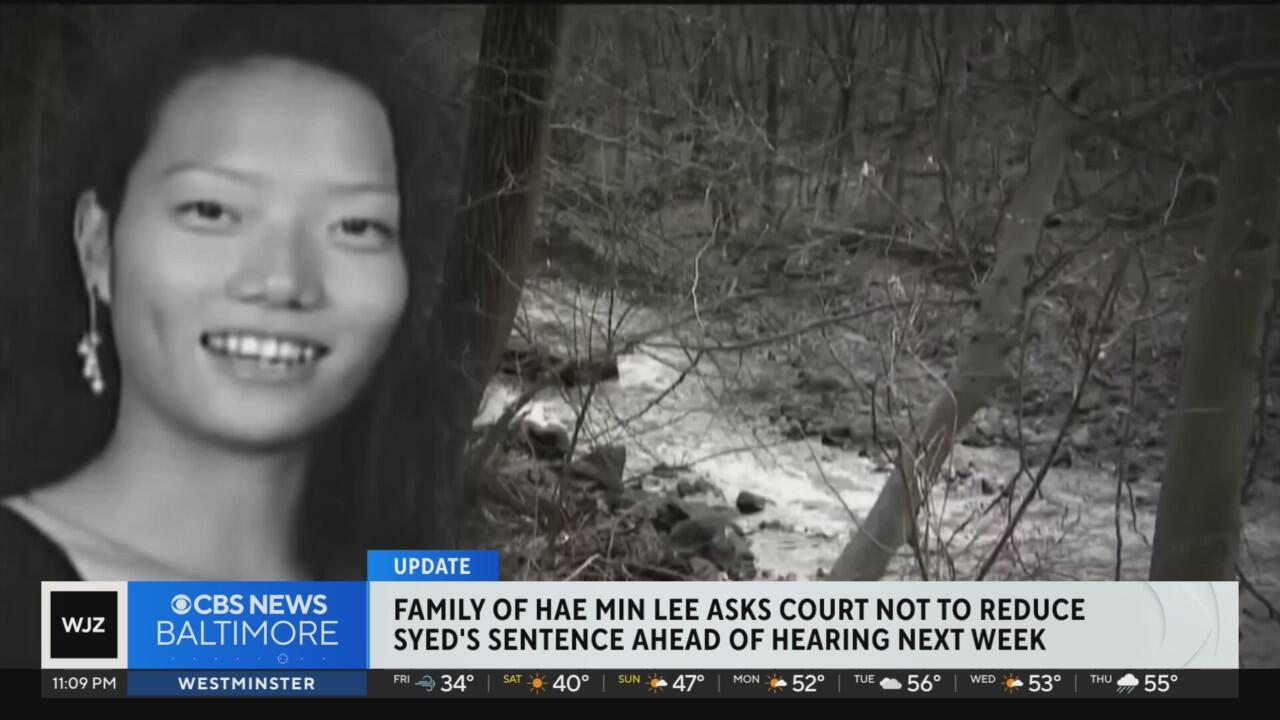
She left Woodlawn High School on January 13, 1999, and never came home.
Hae Min Lee was 18, a senior, and her body was found on February 9 in Leakin Park.
She had been strangled.
Police focused on her ex-boyfriend, Adnan Syed, after an anonymous tip.
The tipster's identity is not in the record.
What the record does show is a case built on two things: cell phone records and the testimony of Jay Wilds, a friend of Syed's.
Wilds would say Syed showed him Lee's body in the trunk of her gray Nissan Sentra.
Wilds would say Syed was the killer.
The phone records would place Syed near Leakin Park.
They would also, later, be called unreliable.
The anonymous tip pointed the investigation one way.
It did not point to anyone else.
No physical evidence linked Syed to the crime, according to the case record.
The record is what it is.
A tip.
A body.
A phone.
A story that changed.
THE TRIAL AND THE WITNESS
The arrest came on February 28, 1999.
Adnan Syed was charged with first-degree murder in the death of Hae Min Lee.
The case went to trial in 2000.
The state's key witness was Jay Wilds, a friend of Syed's.
Wilds testified that Syed showed him Lee's body in the trunk of her gray Nissan Sentra.
He testified that Syed later disposed of the car.
The testimony was inconsistent, according to the source.
The exact nature of those inconsistencies is not detailed in the source.
That is not established.
The jury heard Wilds's story.
The jury heard the cell phone records.
The jury found Syed guilty of first-degree murder, kidnapping, robbery, and false imprisonment.
He was sentenced to life in prison plus 30 years.
No physical evidence linked Syed to the crime.
There was no DNA.
There were no fingerprints placing him at the scene.
There was a story.
There were phone pings.
There was a conviction built on both.
It would hold for more than a decade.
It would unravel not with new DNA, but with a podcast's questions.
That came later.
For now, in 2000, the weight was real.
A jury believed Jay Wilds.
A judge imposed the sentence.
The case closed, or so it seemed.
THE PODCAST AND THE EVIDENCE
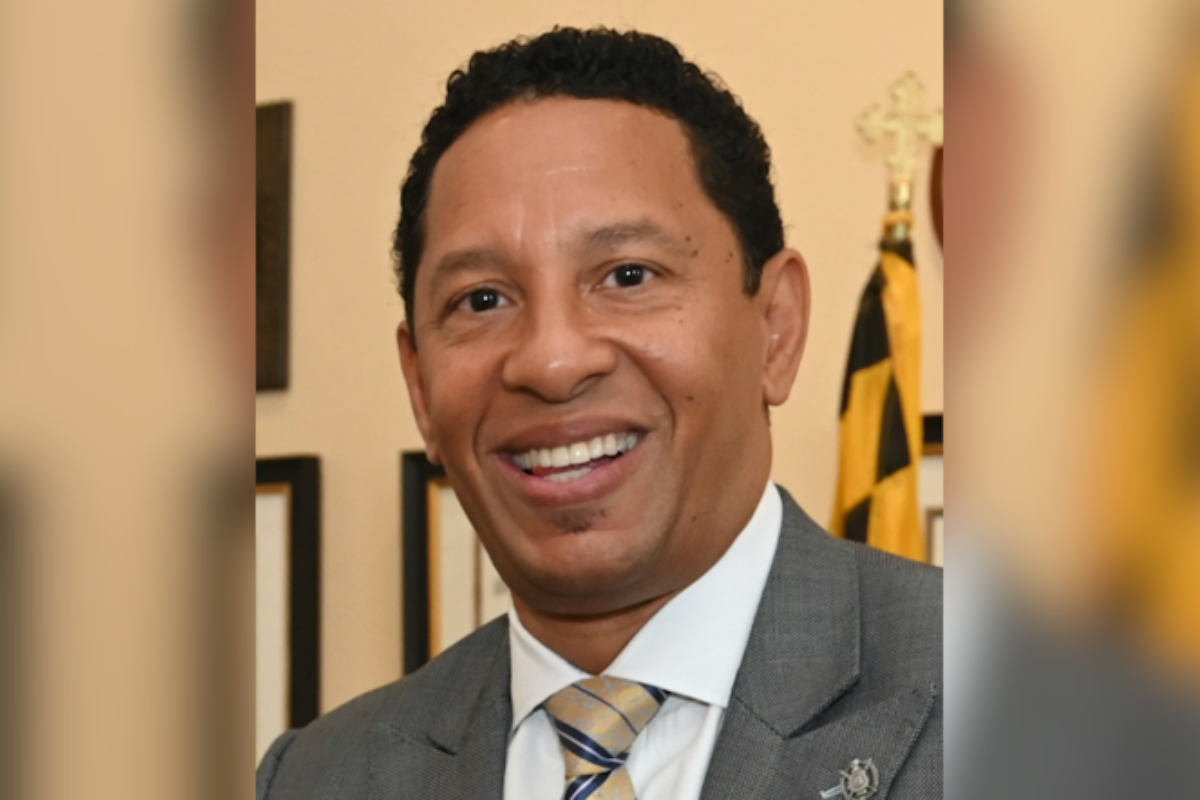
In 2014, the podcast “Serial,” hosted by Sarah Koenig, scrutinized the evidence and raised questions about the conviction.
The podcast examined the reliability of cell tower evidence.
It also examined the failure to use alibi witness Asia McClain, who said she saw Syed at a library at the time of the murder.
McClain’s testimony was not used at trial.
The specific technical flaws in the cell tower evidence are not enumerated in the source.
That is not established.
But the questions were public now, and they were loud.
Koenig walked listeners through the records, the pings, the calls.
She walked them through Wilds’s shifting account.
She walked them through a conviction that rested on a witness the jury believed.
Not because the evidence was clean.
But because the story was told.
The podcast made the foundation visible, and the foundation looked cracked.
Public doubt grew.
Then the legal cracks came.
In 2016, a Maryland appellate court granted a new trial based on ineffective assistance of counsel.
That decision was later overturned by the Maryland Court of Appeals.
The conviction stood again.
The case closed, or so it seemed again.
But the scrutiny did not stop.
The questions did not stop.
The record did not change, but the attention did.
That would require evidence, and the attention brought more of it.
THE VACATED CONVICTION
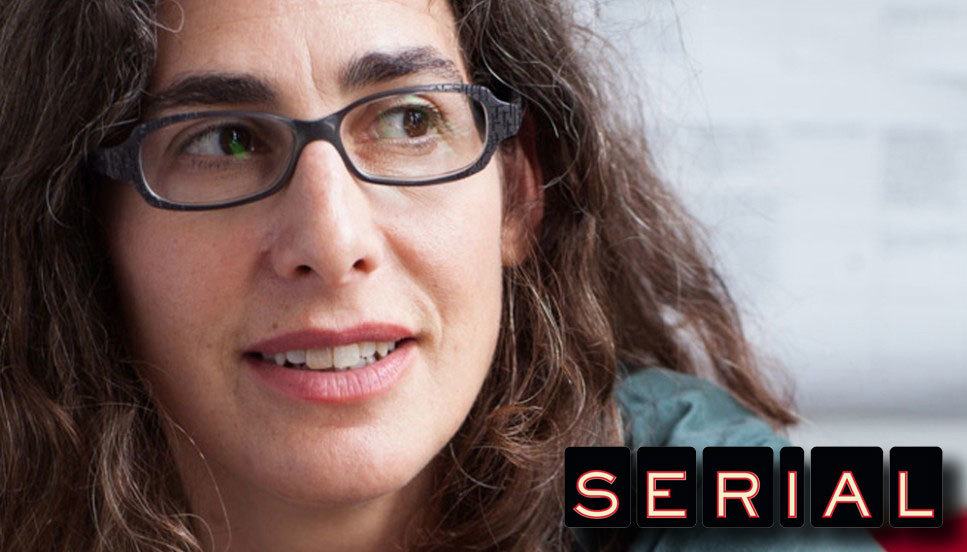
In 2022, after a review by the Baltimore State's Attorney's Office, a judge vacated Syed's conviction.
The ruling cited unreliable cell phone evidence and the failure to disclose evidence about Jay Wilds.
Syed had maintained his innocence throughout.
In 2023, the state dropped all charges, citing new DNA evidence that excluded Syed.
The specific DNA evidence and its testing details are not described in the source.
What the record establishes is the outcome, not the science behind it.
Syed walked free.
Hae Min Lee's family did not.
The Lee family has expressed deep frustration and grief over the overturning of the conviction.
They have maintained their belief in Syed's guilt.
Her mother and brother have spoken publicly about their pain.
They have said the justice system failed them.
That is a different kind of failure than the one the courts corrected.
It is a failure of closure.
It is a failure of certainty.
It is a failure that no ruling can fix.
The relief of freedom collided with a family's unresolved grief.
No one else has ever been charged with Lee's murder.
The case remains a subject of intense public debate.
Syed is free, and the questions remain unanswered.
For the Lee family, the questions are not academic.
They are the shape of their loss.
They are the absence at the center of every hearing, every appeal, every headline.
The record does not resolve their belief, and it does not confirm it.
That would require evidence, and the evidence released so far does not address it.
AND THE STORY STILL ISN'T OVER
As of 2023, Adnan Syed is free.
All charges were dropped, and he has been released from prison.
No one else has ever been charged with Lee's murder.
The case remains a subject of intense public debate.
That debate is loud. The record is quiet.
Hae Min Lee's mother and brother have spoken publicly about their pain.
They have said the justice system failed them.
They have maintained their belief in Syed's guilt.
Syed has maintained his innocence throughout.
Two beliefs, held in public, neither resolved by the record.
Not because the record is silent. Because the record does not answer.
The DNA evidence excluded Syed; the charges were dropped.
What that means for the family, the record does not say.
What that means for the case, the record does not say.
Future legal steps are not mentioned in the source.
Pending motions are not mentioned in the source.
That would require evidence, and the evidence released so far does not address it.
A freed man. A grieving family. A case with no final answer.
It is a closed case. It is also an open wound.
The absence at the center of every hearing, every appeal, every headline remains.
She was on the ground below.
Advertisement
You may also like
The 911 call that sent searchers to Wyoming — and the notebook that changed everything
The notebook sat in the dirt beside his remains. October 20, 2021, in the Myakkahatchee Creek Environmental Park in Florida. The remains belonged to…
The 10 pm check that sent Kate McCann running from the tapas table
The tapas restaurant was a short walk from the apartment, and the check was the kind of errand that had become a holiday ritual.…
The 1965 confession that never reached a trial — and the one name police could not clear
He confessed in 1965. He was already in custody, held for other crimes, when he gave a detailed account of the Boston Strangler murders.…
The 35,000-word manifesto that unmasked a killer after 17 years
A 35,000-word document arrived at two newspapers in 1995. Its title was "Industrial Society and Its Future." The writer demanded that it be published.…
The therapy tapes that turned a mob-style hit into a family murder case
The den was a room for family, for television, for the quiet end of a weekday night. On August 20, 1989, José and Kitty…
A tip from a truck driver led police to a parked Chevrolet Caprice — what they found inside
A truck driver made a call on October 24, 2002. The tip led police to a rest stop on Interstate 70 near Myersville, Maryland.…