The therapy tapes that turned a mob-style hit into a family murder case
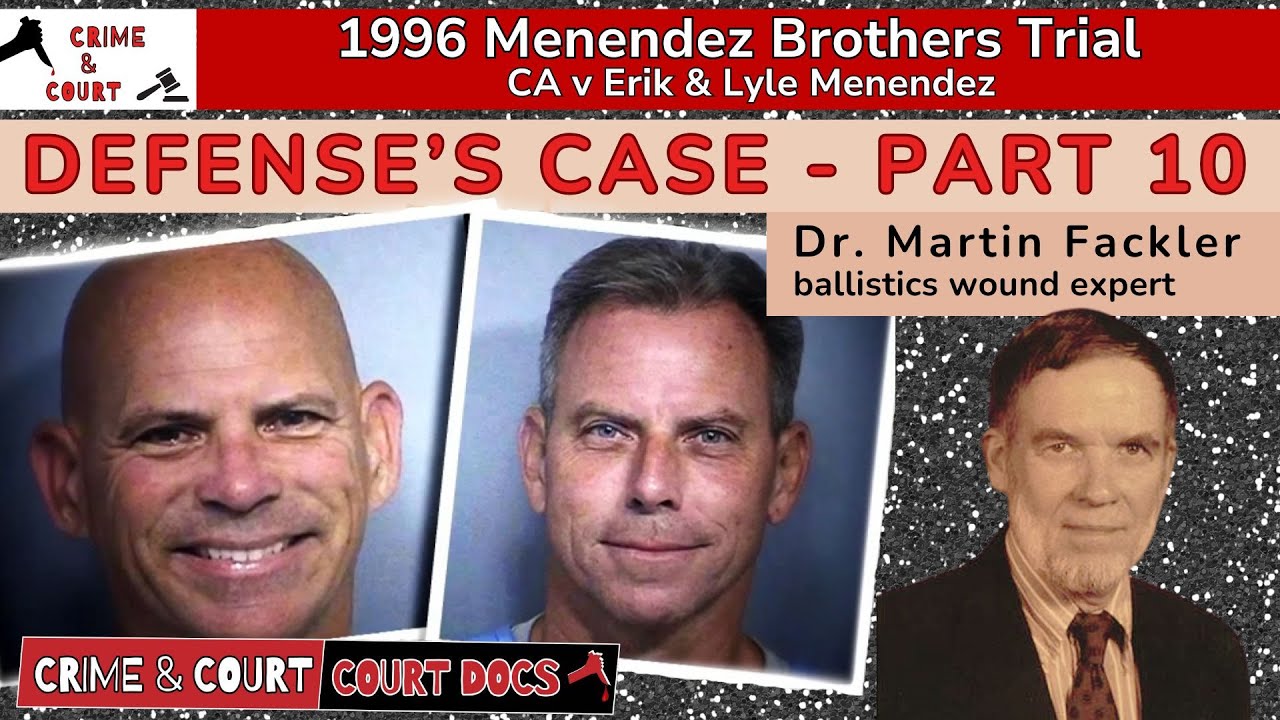
The den was a room for family, for television, for the quiet end of a weekday night.
On August 20, 1989, José and Kitty Menendez were shot and killed there, in their Beverly Hills mansion at 722 North Elm Drive.
The victims were shot multiple times with shotguns.
Detectives from the Beverly Hills Police Department counted the wounds and read the scene as a professional hit.
That is what the evidence suggested: two weapons, close range, no forced entry.
The brothers, Lyle and Erik, told police they had been at a movie.
They said they discovered the bodies upon returning home.
For months, the case held that shape.
The mob-style theory guided the investigation, and the investigation stalled.
No arrests followed the initial report.
It is not established who fired the shotguns.
It is not established whether the brothers were involved at this early stage.
The record shows only the scene, the story, and the silence that followed.
Then the brothers bought Rolex watches.
Then a Porsche.
Then a restaurant.
The spending drew suspicion, but suspicion is not proof.
The case remained unsolved for several months, and the den stayed sealed.
How does a professional hit become a family affair?
How does a mob execution become a motive of inheritance?
How does a closed room open again?
That would require evidence, and the evidence would come later, from a therapist's office, not from the crime scene.
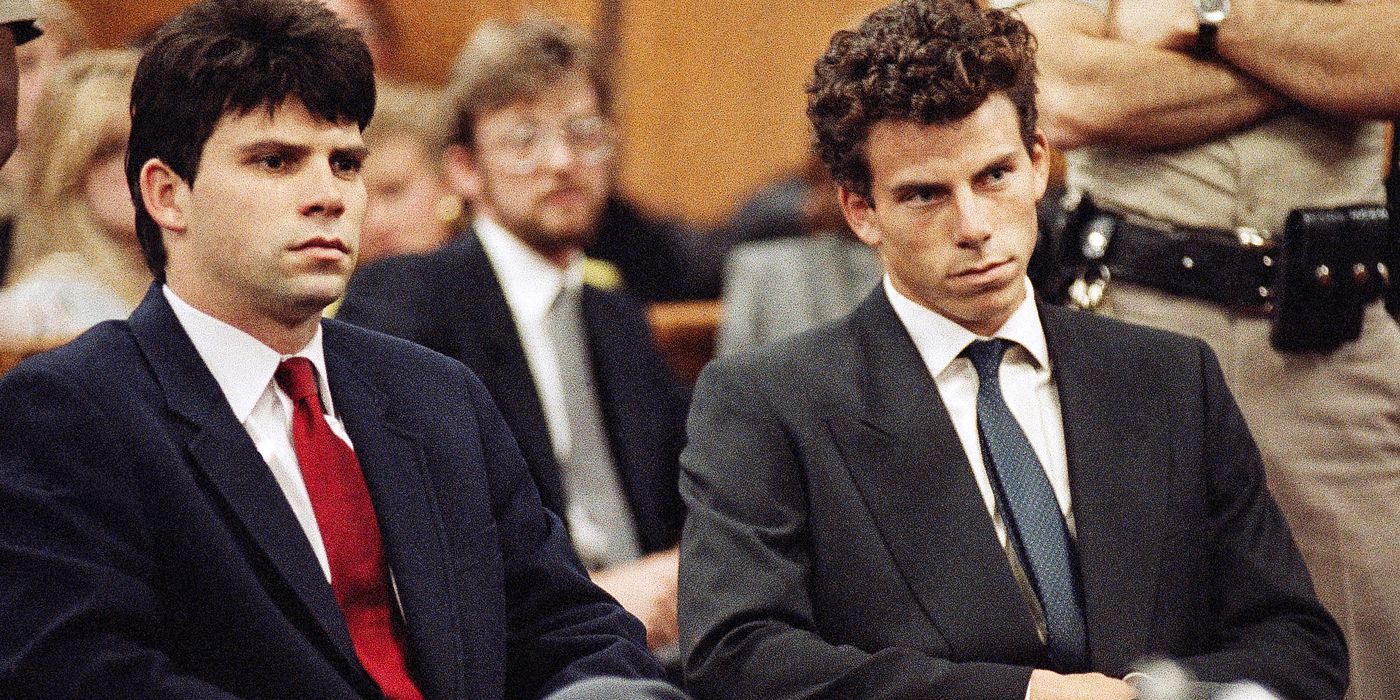
She was on the ground below.
THE MOB-STYLE INVESTIGATION
For months, the Beverly Hills Police Department treated the deaths as a mob-style hit.
Detectives, including the lead detective, pursued leads about organized crime connections.
The victims had been shot multiple times with shotguns, a signature that pointed away from a family dispute.
The case stalled.
No arrests came, and the investigation cooled as the weeks turned into months.
The brothers’ spending sprees drew suspicion.
Rolex watches.
A Porsche.
A restaurant.
None of it matched the grief of two sons who had just discovered their parents’ bodies.
Then, in March 1990, the investigation broke open from an unlikely source.
Judalon Smyth, the mistress of therapist Dr. Jerome Oziel, contacted police.
She told them about confessions Erik Menendez had allegedly made during therapy sessions.
Oziel had recorded some sessions and later testified about the brothers’ admissions.
The exact content of those recordings is not detailed in the source; only that Oziel recorded some sessions and testified about admissions.
The brothers were arrested on March 8, 1990.
Six and a half months after the murders, the mob-style theory collapsed, replaced by a family murder case built on what was said in a therapist’s office.
TWO STORIES, ONE DEN
The prosecution argued the motive was greed and inheritance.
The brothers wanted the $14 million, prosecutors said, and they wanted it before their father could cut them out of the will.

The defense told a different story.
Erik and Lyle Menendez had killed their parents in self-defense, the defense argued, after years of sexual and emotional abuse by their father, with their mother complicit.
The truth of those abuse allegations is not established by the record; they were the defense's argument, not a documented finding.
Two stories, one den.
The first trial began in July 1993.
Pamela Bozanich led the prosecution, and the defense put on evidence of the alleged abuse — testimony from family members, experts, and the brothers themselves.
The jury could not agree.
In January 1994, the judge declared a mistrial after two hung juries, one for each brother, on charges of first-degree murder.
The case went back to court.
A second trial began in 1995, with Judge Stanley Weisberg presiding.
This time, the room was smaller.
Judge Weisberg severely restricted the defense's ability to present evidence of the alleged abuse, ruling much of it inadmissible.
The defense argued the ruling gutted their case.
The prosecution argued the ruling was proper procedure.
The jury heard less about what the brothers said happened in the house on North Elm Drive.
They heard more about the Rolex watches, the Porsche, the restaurant.
Greed is a simple story.
Abuse is a complicated one.
The law prefers the simple story when the complicated one cannot be told.
That would require evidence the judge would not admit.
THE VERDICT AND THE SENTENCE
The first trial had ended in two hung juries, one for each brother.

The judge declared a mistrial.
A second trial began in 1995, with Judge Stanley Weisberg presiding.
This time, the judge severely restricted the defense's ability to present evidence of alleged abuse, ruling much of it inadmissible.
The prosecution, led by Deputy District Attorney David Conn, argued the brothers killed their parents for their $14 million inheritance.
On March 20, 1996, the jury convicted both brothers of first-degree murder with special circumstances, making them eligible for the death penalty.
The source does not specify which brother was convicted of which specific counts, only that both were convicted of first-degree murder with special circumstances.
After a penalty phase, the jury recommended life in prison without the possibility of parole rather than death.
Not because the evidence was weak.
But because the jury chose mercy.
On July 2, 1996, Judge Weisberg sentenced both brothers to life in prison without the possibility of parole.
Both brothers are serving life sentences without the possibility of parole.
The verdict was final.
The sentence was permanent.
What the jury had heard in the penalty phase, the record does not fully say.
What the brothers had claimed in the first trial, the second trial would not allow.
That would require evidence the judge would not admit.
The law prefers the simple story when the complicated one cannot be told.
The simple story was greed.
The complicated one never got its full day in court.
AND THE STORY STILL ISN'T OVER
The 2005 habeas corpus petition cited new evidence of abuse.
It was denied.
:max_bytes(150000):strip_icc():focal(749x0:751x2)/pamela-bozanich-menendez-trial-100724-3-4020c329cace46f0917d36d6ad7e7962.jpg)
The brothers stayed in prison.
In 2018, a documentary series brought the case back into public view.
New audiences saw the den, the shotguns, the brothers' testimony.
The old questions returned with them.
In 2023, former Menudo member Roy Rosselló alleged that José Menendez had sexually abused him in the 1980s.
The allegation was new.
It was also decades old.
In 2024, the brothers' attorneys filed a new habeas petition based on this evidence.
Los Angeles County District Attorney George Gascón announced his office was reviewing the case.
In October 2024, Gascón recommended resentencing.
The recommendation was not finalized before he left office.
As of 2025, the brothers remain in prison.
Their case is under ongoing review.
The 2024 habeas petition is not decided.
The resentencing recommendation is not decided.
Neither outcome is certain.
Not because the evidence is weak.
Not because the evidence is strong.
Because the process is still moving.
The law prefers the simple story when the complicated one cannot be told.
The simple story was greed.
The complicated one never got its full day in court.
It may still get one.
Advertisement
You may also like
The 2008 911 call that set off a search for a toddler who was never found alive
The 911 call came on July 15, 2008, from a house in Orlando, Florida. Cindy Anthony was on the line, reporting her granddaughter missing.…
The Atlanta mothers who demanded answers as 28 children vanished
Camille Bell's son was nine years old when he disappeared. Yusuf Bell left the house to run an errand and never came back. Faye…
The 8:44 p.m. video that shattered Alex Murdaugh's alibi
The video on Paul Murdaugh's phone is dated 8:44 p.m., June 7, 2021. SLED agents analyzed the clip during the trial and identified the…
The ex-wife's custody fight that prosecutors linked to the D.C. sniper attacks
October 2, 2002. A man was shot outside a grocery store in Wheaton, Maryland. That was the first. Between that evening and October 22,…
The fingerprint on a door, the eyeglasses left behind, and the witness who tied Manson to the murders
The word was on the front door, written in blood. PIG. Five people were dead inside the house at 10050 Cielo Drive in Benedict…
The 911 call that sent searchers to Wyoming — and the notebook that changed everything
The notebook sat in the dirt beside his remains. October 20, 2021, in the Myakkahatchee Creek Environmental Park in Florida. The remains belonged to…